Inside the Oval Office meeting where Trump was warned about the Iran war to come
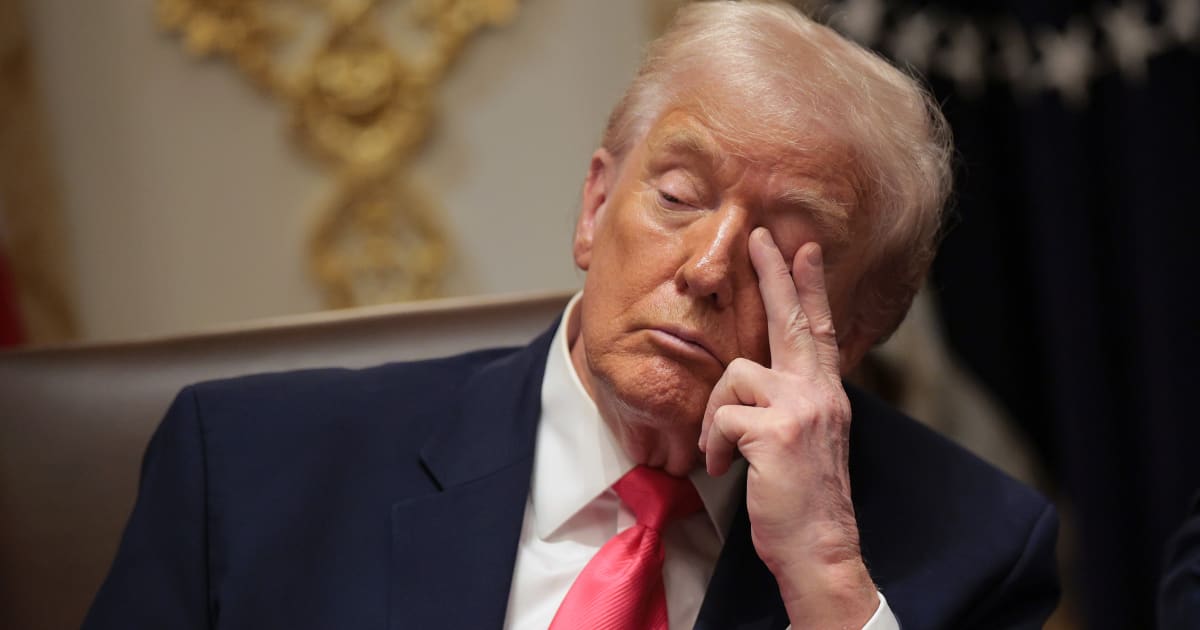
WASHINGTON, DC: President Donald Trump was warned by intelligence and military officials about the potential consequences of a war with Iran before the United States joined Israel in launching attacks on the country, according to a report detailing a private Oval Office meeting.
The Wall Street Journal reported that Trump sought advice in February on whether an all-out attack could dismantle Iran's nuclear program and force regime change. Officials reportedly raised concerns about the risks of a wider Middle East conflict, including disruptions to global energy supplies, American casualties and the possibility that military action could strengthen Iran's push for nuclear weapons.
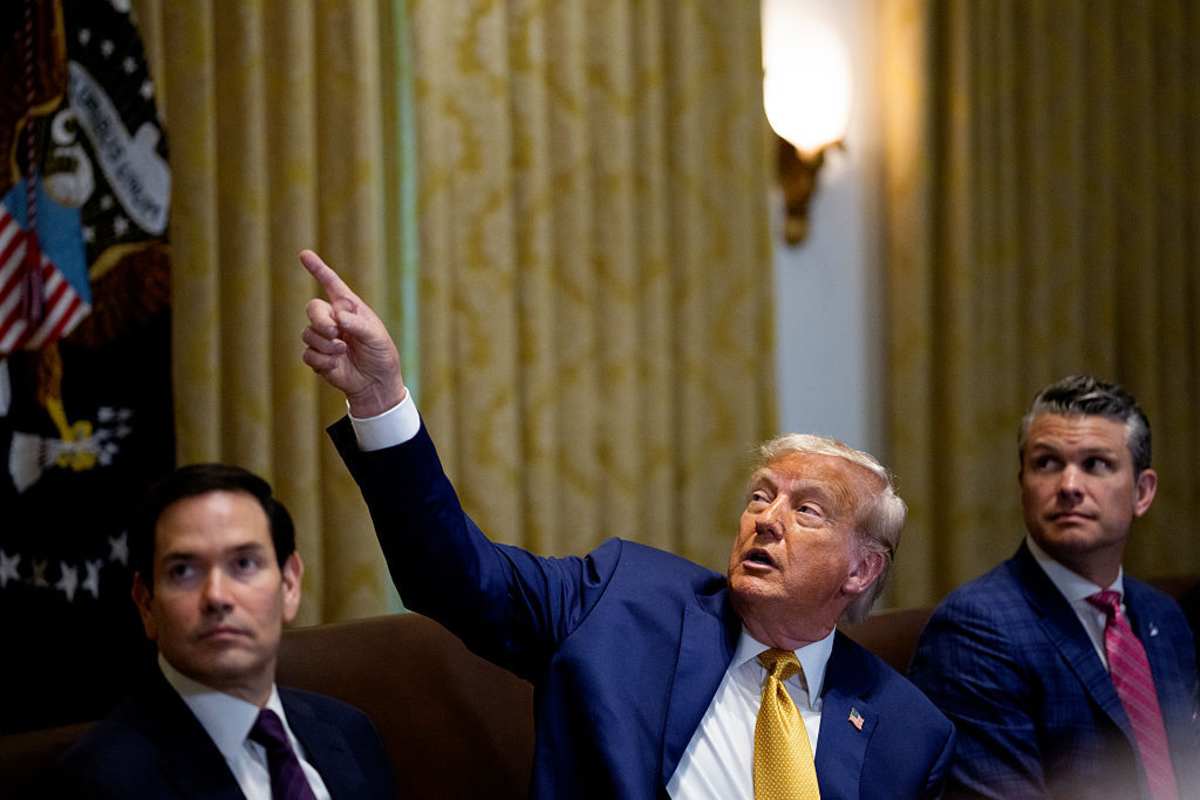
Trump received warnings about Iran war risks
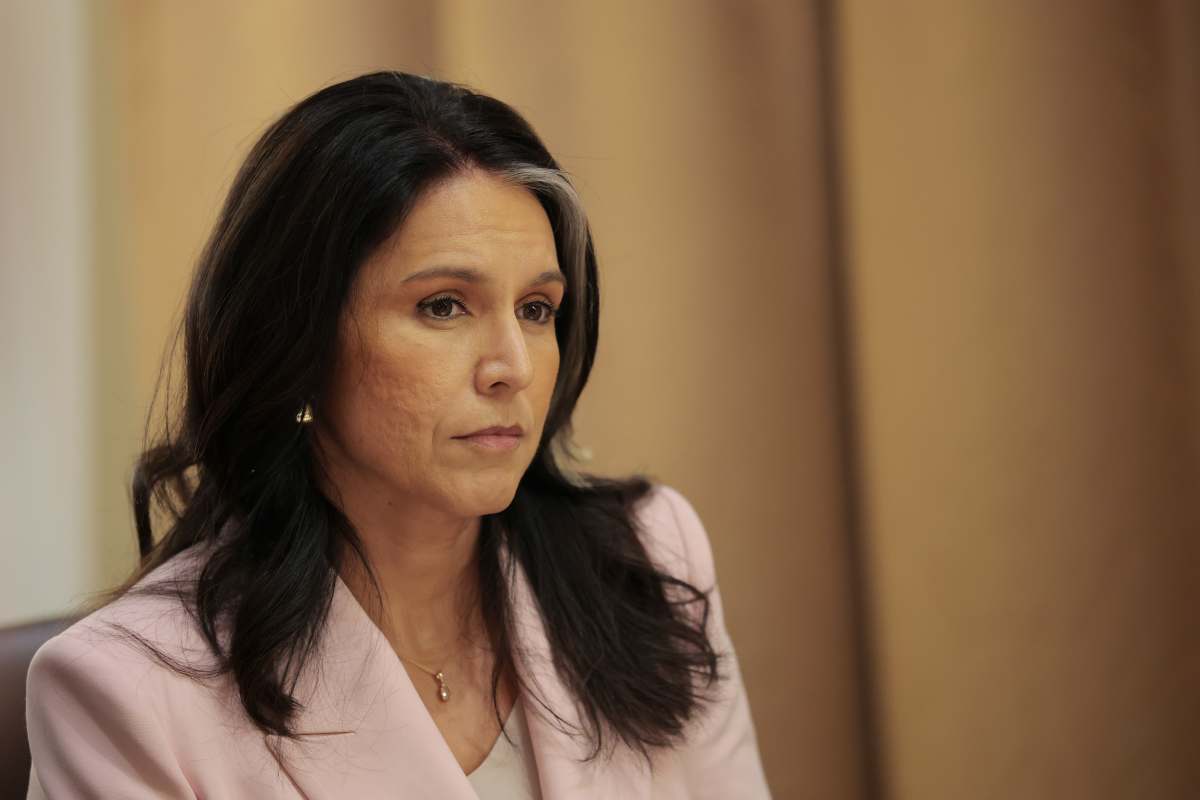
According to the report, then-Director of National Intelligence Tulsi Gabbard warned that a conflict could lead Iran to close the Strait of Hormuz, a crucial global shipping route.
She also reportedly cautioned that killing Iran's supreme leader could result in a successor who would pursue nuclear weapons more aggressively.
Top military officials separately warned Trump that a war could lead to deaths and place further pressure on US munitions stockpiles, the report said.
The administration's discussions took place as Trump considered a broader military campaign against Iran and weighed whether the conflict could achieve its stated goals.
Trump joined Israel in attacks on Iran
Despite the warnings, Trump moved forward with military action alongside Israel on February 28.
The report said the president initially believed the conflict could be resolved within weeks. At the start of the war, Trump was reportedly encouraged by news that one of its major objectives had been achieved.
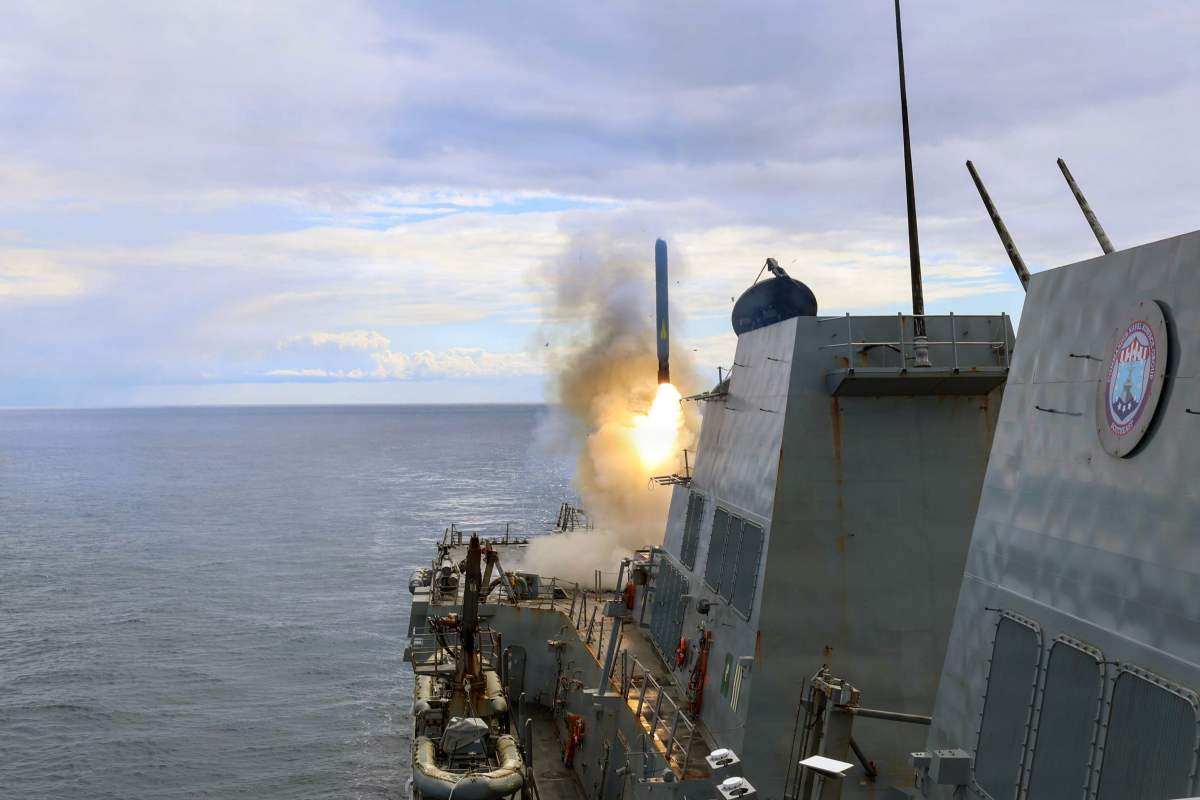
CIA Director John Ratcliffe and special envoy Steve Witkoff reportedly informed Trump during a fundraiser at Mar-a-Lago that Israeli forces had killed Iranian Supreme Leader Ali Khamenei.
However, the conflict continued, while pressure grew over its economic and military costs. Leaders from Gulf nations, including Saudi Arabia and Qatar, later contacted the White House urging an end to the fighting, according to the report.
Iran war raises costs and risks for Americans
The war has also brought domestic political consequences as the conflict has continued.
The closure of the Strait of Hormuz disrupted a key energy route and contributed to concerns over oil and fuel costs. The conflict also resulted in the deaths of 18 US service members, according to the report.

Several Republicans have warned that the prolonged war and rising gas prices could become an issue for the party ahead of the midterm elections.
For Americans, the developments could affect more than foreign policy debates in Washington. Energy prices, the safety of US troops and the length of the conflict are now among the questions surrounding a war Trump was reportedly warned could carry serious consequences.