Gabbard declassifies internal pandemic files, targets Fauci as ugly DNI succession battle begins
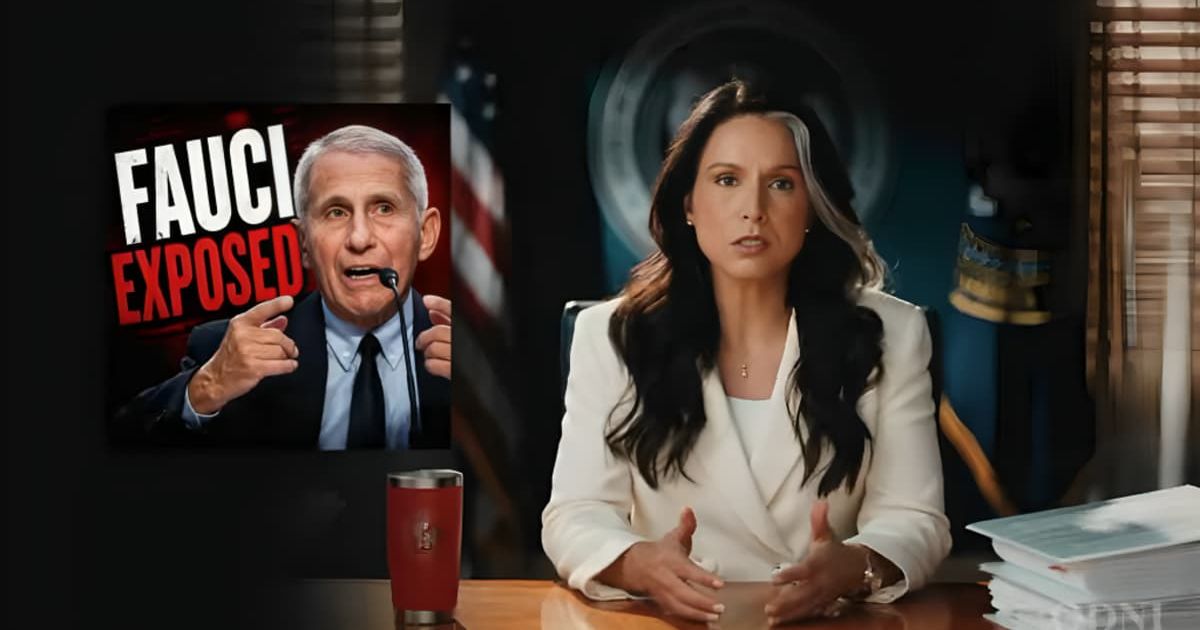
WASHINGTON, DC: Outgoing Director of National Intelligence Tulsi Gabbard has deployed her final hours atop the nation’s intelligence apparatus to release a trove of newly declassified files, exposing fierce internal debates over Dr Anthony Fauci's efforts to guide the government's COVID-19 origins review.
The dynamic disclosure lands precisely as Gabbard exits her cabinet-level post to care for her ailing husband, leaving a highly fractured Office of the Director of National Intelligence (ODNI) in the hands of a controversial interim administrator.
The abrupt declassification on Friday, June 19, revealed that intelligence analysts actively questioned Fauci's objectivity, explicitly warning that his involvement in selection frameworks posed a deep institutional conflict of interest.
Today, on my final day as Director of National Intelligence, I’m releasing never-before-seen communications and documents exposing how Dr. Fauci provided millions in US taxpayer dollars to fund dangerous gain-of-function research at the Wuhan lab, worked with politicized elements… pic.twitter.com/ZMdliW4zyS
— DNI Tulsi Gabbard (@DNIGabbard) June 19, 2026
As this long-standing public health debate reignites, a high-stakes partisan standoff has simultaneously paralyzed Capitol Hill over Gabbard's replacement.
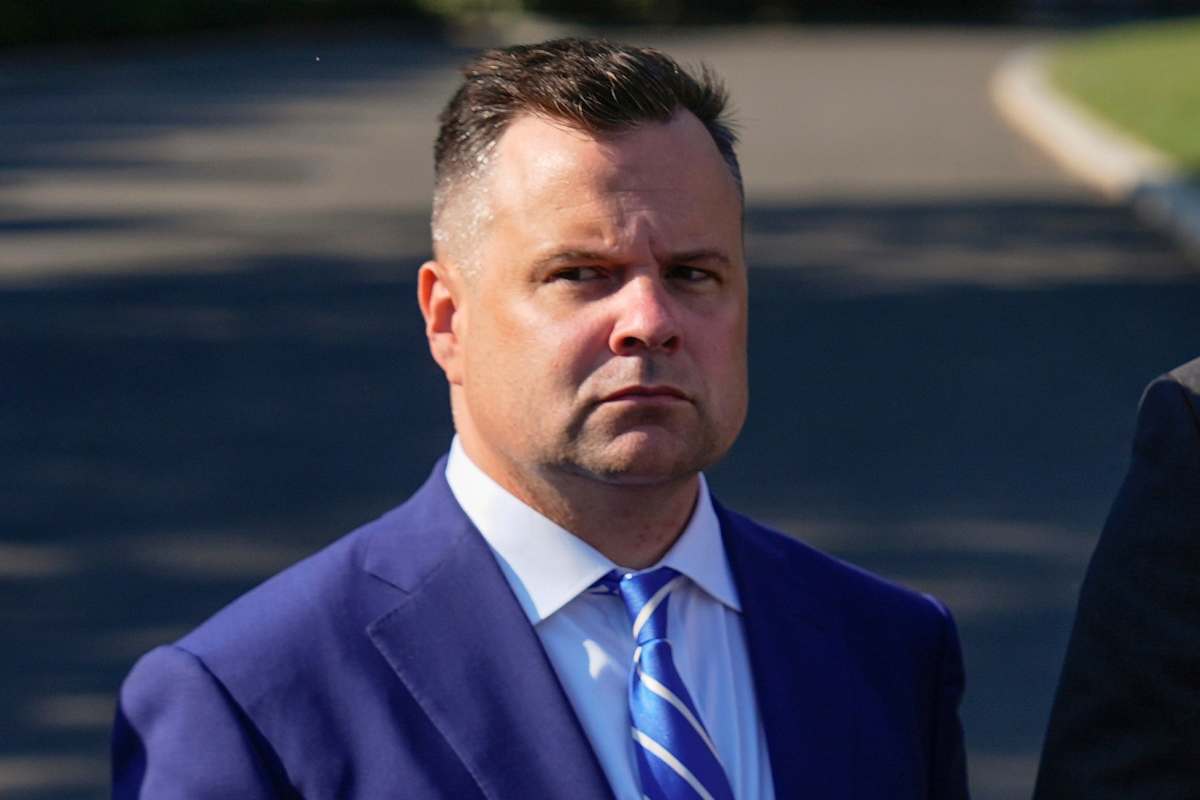
With the White House systematically blocking permanent nominee Jay Clayton to force the passage of election integrity riders, incoming Acting Director Bill Pulte faces intense, bipartisan congressional resistance over his total lack of baseline intelligence experience.
Intelligence analysts rejected Anthony Fauci's recommendations

The declassified emails demonstrate that officials conducting the president's 90-day viral origin assessment openly debated whether to accept Fauci's curated lists of expert interviewees.
While some administrative voices defended the health official as an indispensable subject-matter expert, internal security investigators aggressively pushed back, characterizing him as a highly interested policymaker.
The documents reveal that senior analysts ultimately rejected Fauci as an outside reviewer for the final intelligence evaluation.
An accompanying ODNI brief alleges that Fauci collaborated with a politicized career faction to steer scrutiny away from a potential laboratory leak, directly contradicting testimony he delivered under oath to a congressional panel in 2024.
Bipartisan lawmakers warn against Bill Pulte's appointment
This intelligence fallout directly collides with an unprecedented leadership vacuum at the highest levels of national security.
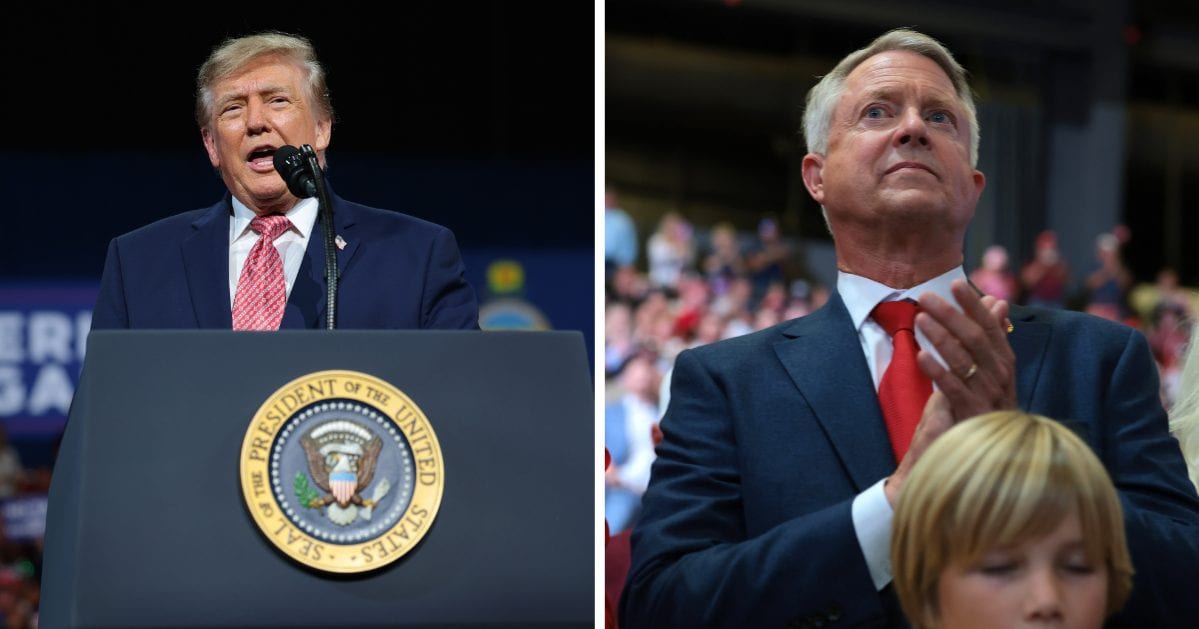
Because President Donald J Trump refuses to advance Clayton's confirmation until the Senate passes the SAVE America Act, Pulte will formally assume operational command of the ODNI starting Friday.
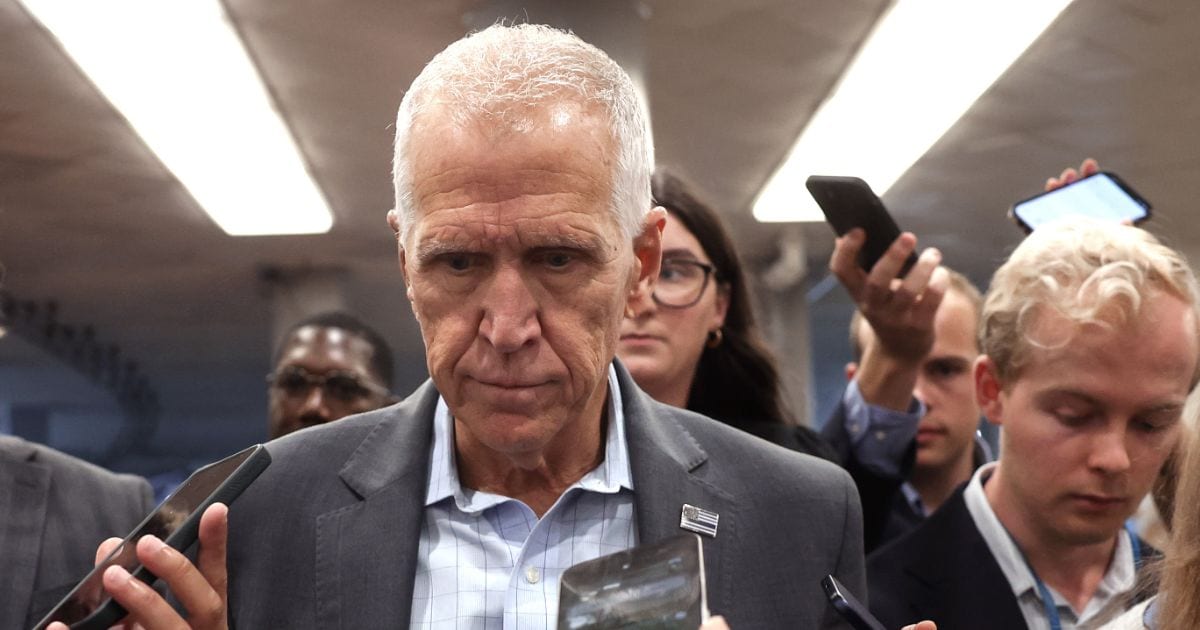
The transition has triggered a rare, unified rebuke from both sides of the aisle. Senate Majority Leader John Thune issued a stark public warning, insisting that the upper chamber requires verified intelligence professionals rather than housing executives at the helm.
Powerful lawmakers from both parties have openly echoed these concerns, signaling deep anxieties that Pulte may seek to weaponize federal surveillance tools against the administration's political opponents.
Voter verification gridlock stalls permanent nominee
The emerging standoff leaves the path forward for the intelligence community completely blocked by domestic legislative maneuvering.
While Senate observers acknowledge that Clayton, an experienced attorney and former SEC chairman, possesses a smooth, clear route to confirmation on his own merits, leadership refuses to advance the attached voter identification mandates.
By utilizing her final administrative acts to highlight the Fauci files, Gabbard has ensured that intense questions of institutional manipulation will dominate the upcoming congressional session.
The simultaneous battles over pandemic accountability and executive succession leave the nation's premier monitoring agencies facing an extended window of deep administrative volatility.