Trump nominates Jay Clayton as director of National Intelligence
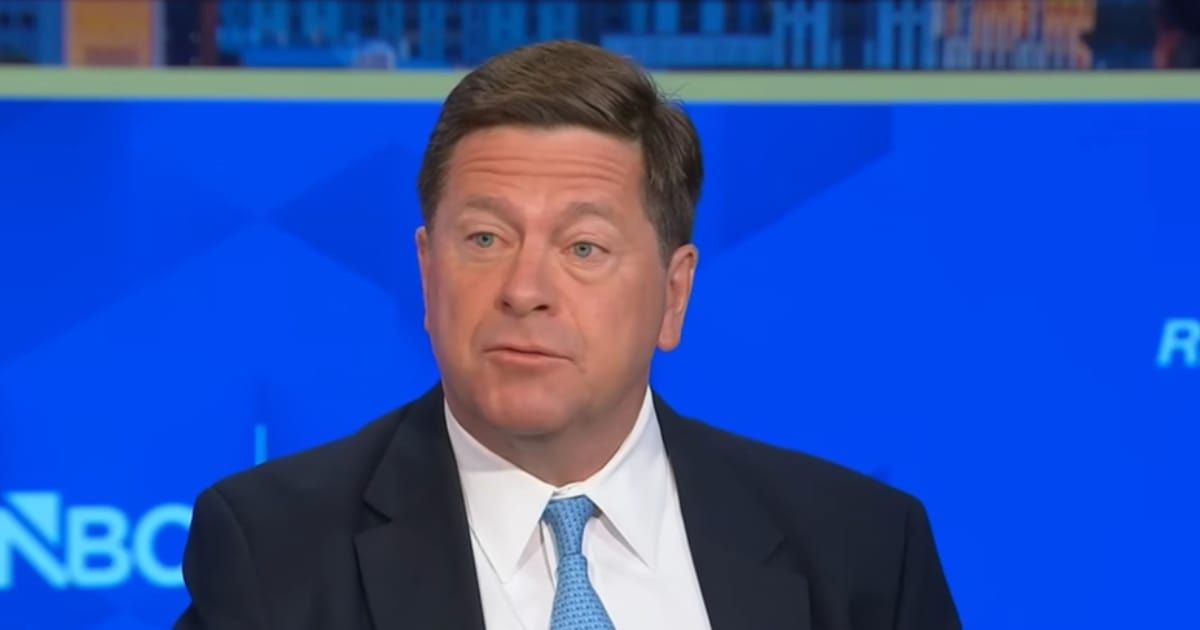
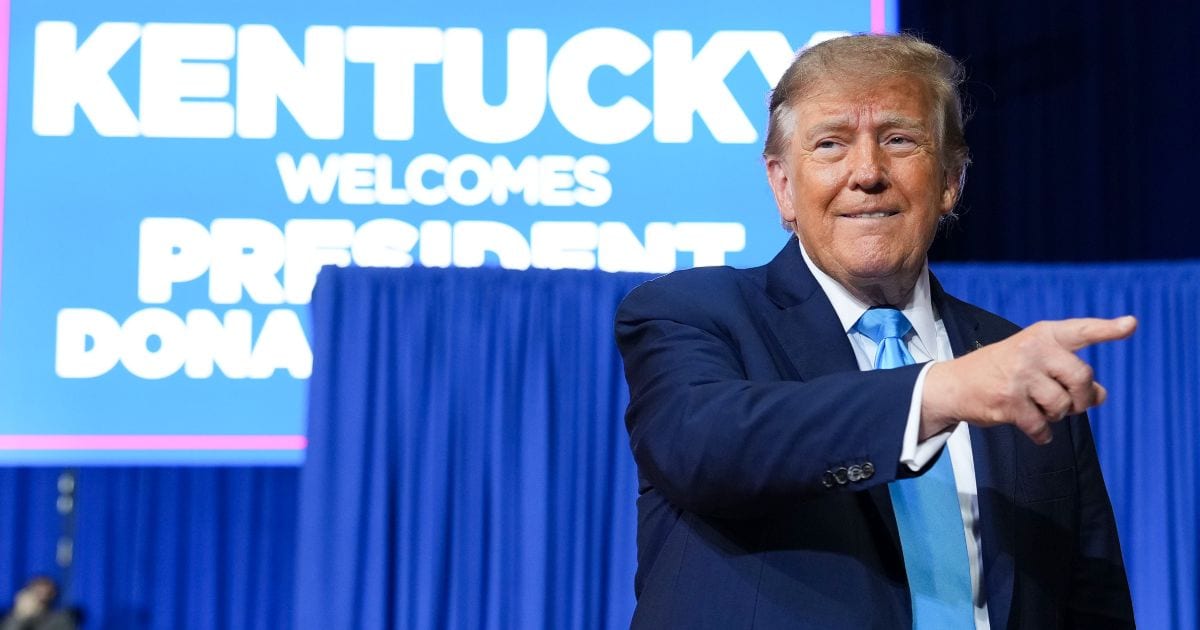
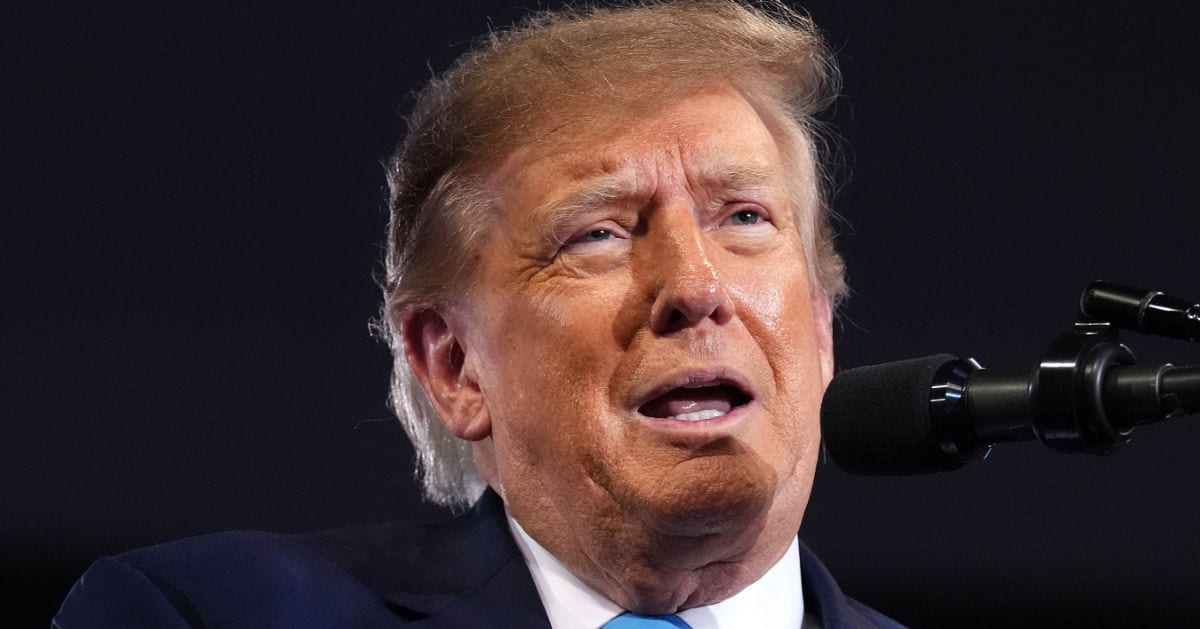
WASHINGTON, DC: President Donald Trump put a permanent leader atop the nation's intelligence apparatus on Thursday, June 11, announcing the nomination of former SEC Chairman Jay Clayton as the director of National Intelligence.
The decision comes at a politically sensitive moment, with lawmakers battling over surveillance powers and critics questioning the administration's recent choice of Bill Pulte as acting intelligence chief.
Trump highlighted Clayton as a widely respected legal heavyweight capable of taking over one of the government's most powerful national security positions.
I am pleased to announce the Nomination of very Highly Respected Jay Clayton, former Chairman of the Securities and Exchange Commission, the former Head of Sullivan & Cromwell, one of the most prominent and successful Law Firms anywhere in the World, and the current United States… pic.twitter.com/eKwnUdW0JF
— Commentary Donald J. Trump Truth Social Posts On X (@TrumpTruthOnX) June 11, 2026
Trump taps Jay Clayton for top intel post
In a statement announcing the nomination, Trump praised Clayton's legal and regulatory background, highlighting his tenure as chairman of the Securities and Exchange Commission as well as his current role as US Attorney for the Southern District of New York.
The president described Clayton as one of the most respected figures in the legal profession and urged senators to move quickly on his confirmation.
"I am pleased to announce the Nomination of very Highly Respected Jay Clayton," Trump wrote, adding that "Few people anywhere in the Legal Community are respected at the level of Jay."
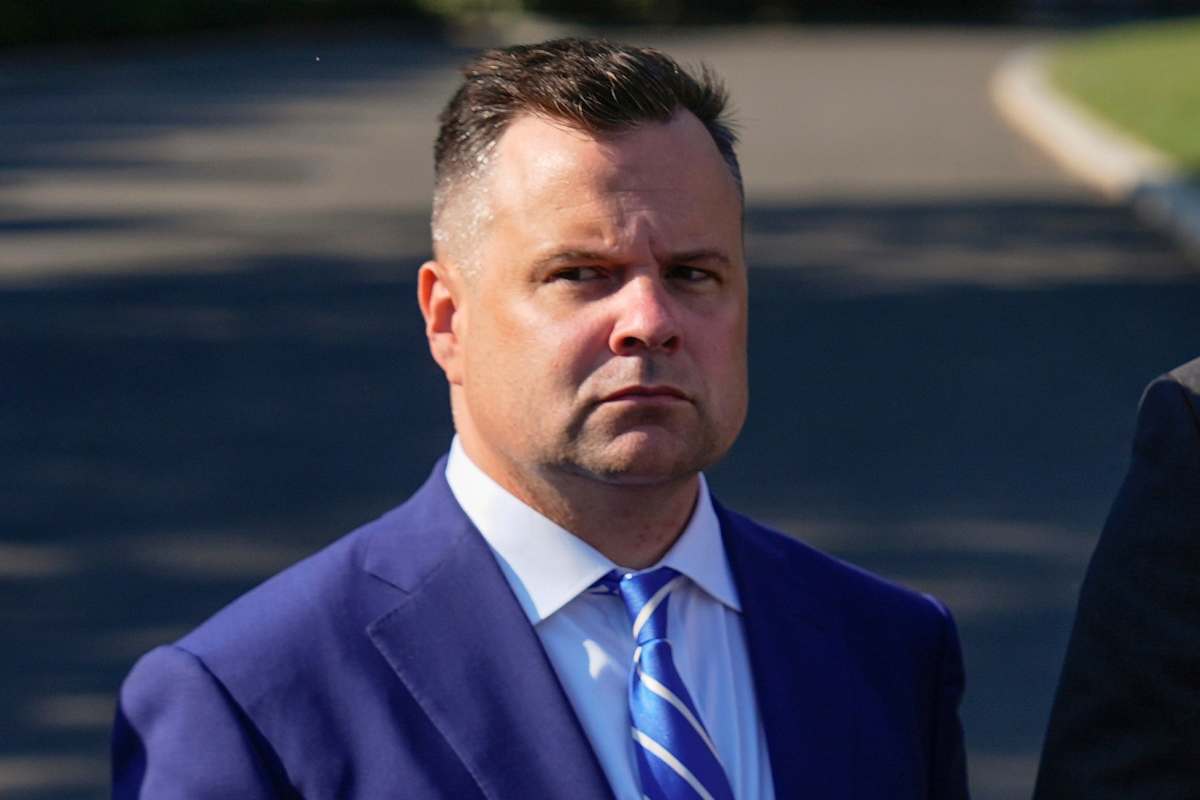
If confirmed, Clayton would join Trump's cabinet and assume responsibility for overseeing the nation's sprawling intelligence community, which includes multiple agencies involved in gathering and analyzing national security information.
Nomination follows the Bill Pulte controversy
The announcement arrives just days after intense debate surrounding the administration's decision to place federal housing official Bill Pulte in the role of acting director of National Intelligence.
That move generated criticism from Democrats and sparked concerns among some lawmakers about leadership stability at a critical national security post.
Trump's decision to nominate a permanent replacement signals an effort to settle the leadership question and provide longer-term direction for the intelligence community.
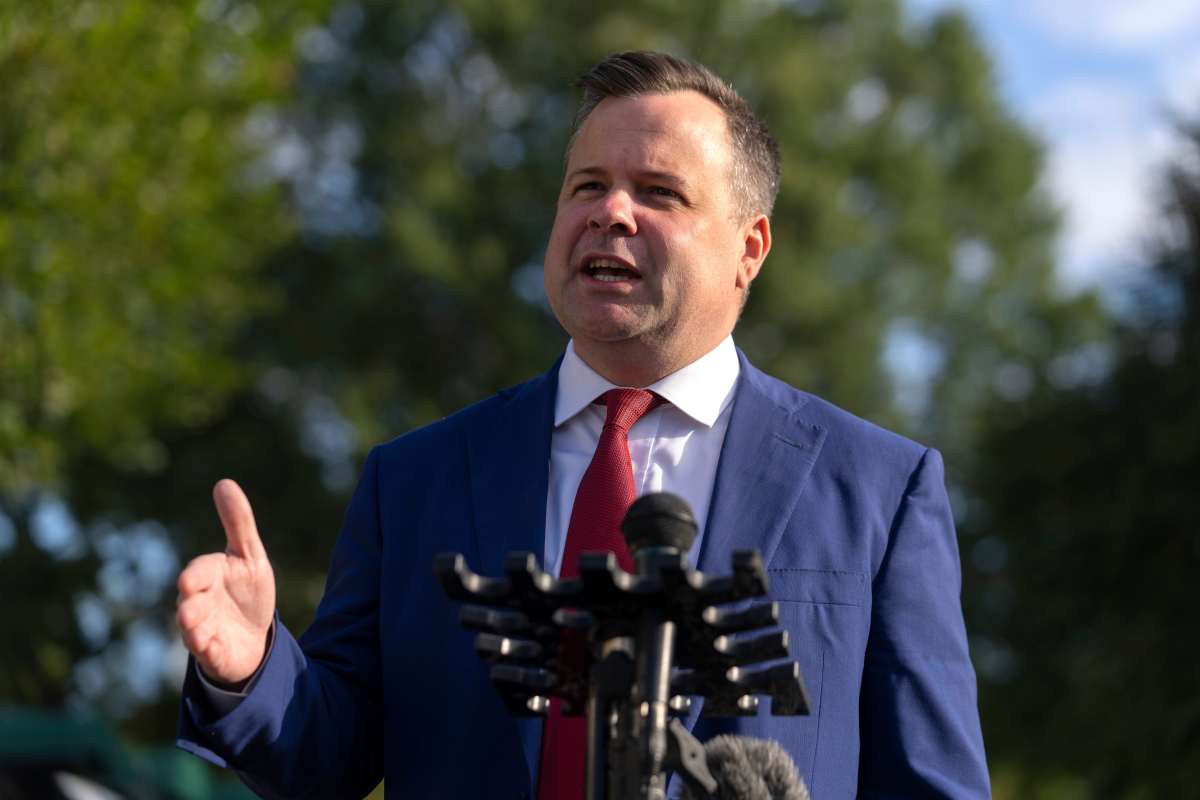
Earlier, lawmakers rejected a proposal that would have extended Section 702 of the Foreign Intelligence Surveillance Act beyond its looming deadline.
The surveillance authority is widely viewed as one of the government's most important intelligence-gathering tools.
The failed effort exposed deep divisions in Washington and intensified scrutiny of the administration's handling of intelligence matters.