Trump joins exclusive group of US presidents allowed inside China’s secretive Zhongnanhai
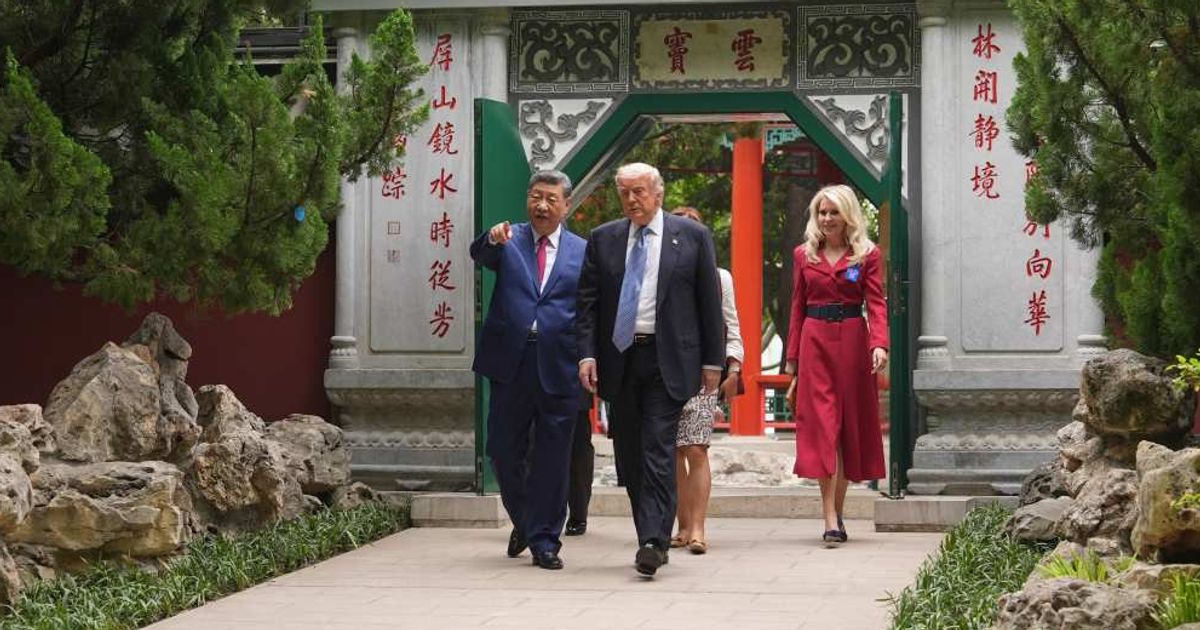
BEIJING, CHINA: President Donald Trump held a second day of meetings with Chinese President Xi Jinping at Zhongnanhai, at the highly secured compound where China's top leaders make their political decisions.
With this visit, Trump joins a rare group of American presidents who have been invited inside this deeply private and restricted government center.
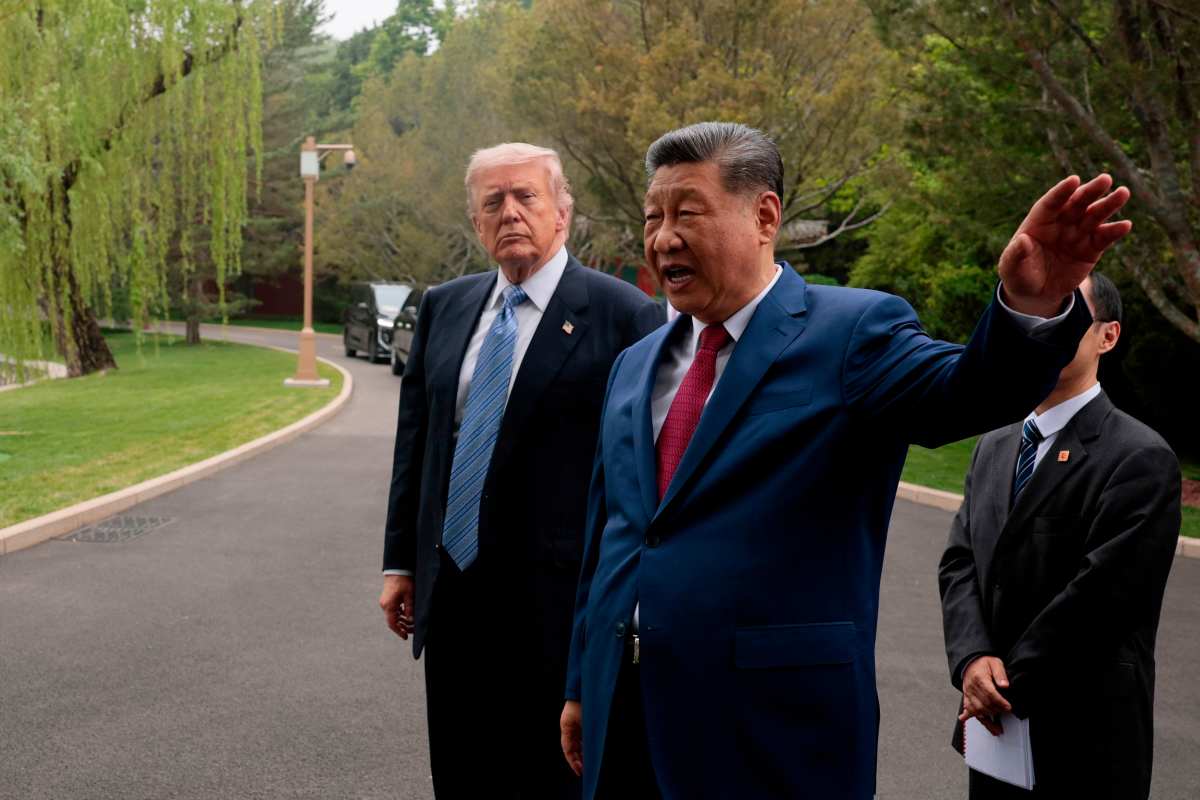
Trump becomes fourth president to enter Zhongnanhai
This invitation marks a major diplomatic move, especially since Trump did not go inside the compound during his 2017 trip.
During an intimate stroll through the gardens, Trump stepped away from discussions on trade and regional security to admire the local flora, at one point exclaiming, “Nice place! I like this place! I could get used to this!”
Because Trump was so fond of the stunning blooms, Xi decided to gift him the rare rose seeds during their walk.
Xi Jinping noted through a translator that "the president was interested to learn all about that, including the Chinese roses, which he looked at. And I agreed to send the seeds for these roses to the president as a gift."
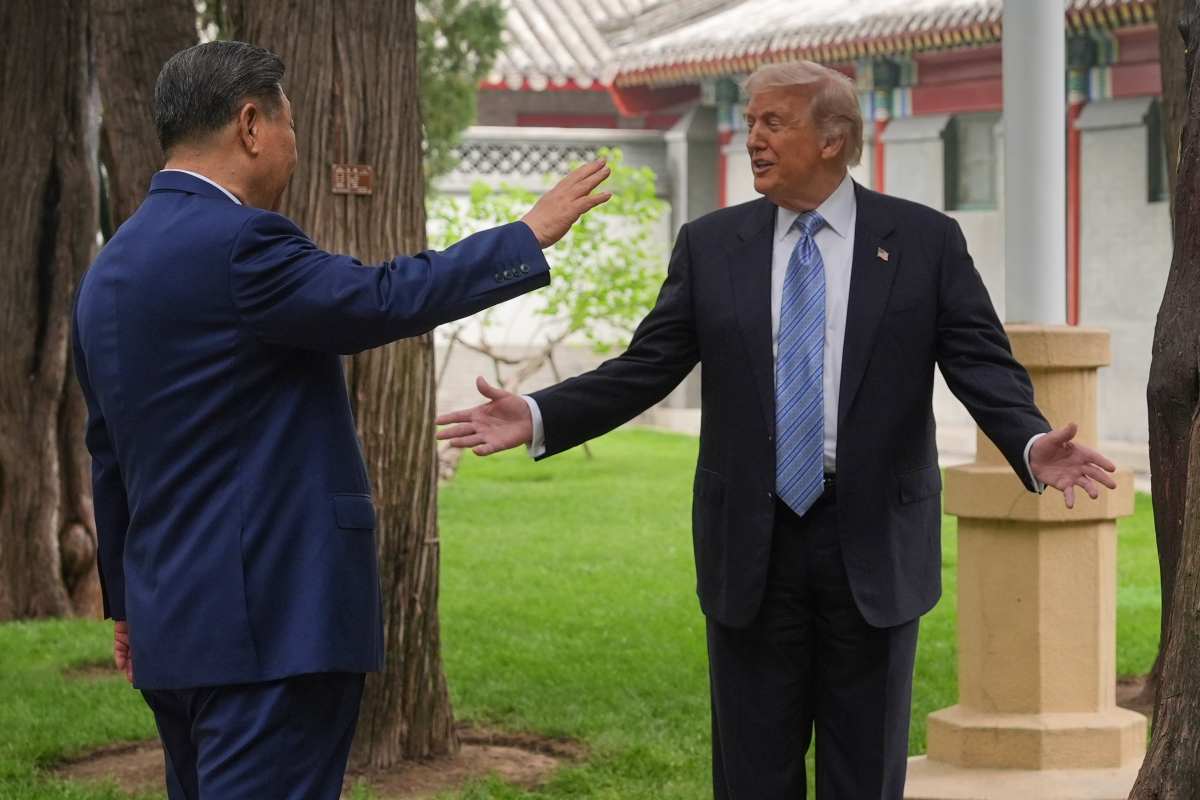
Jinping’s hosting of Trump at Zhongnanhai is being seen as a significant diplomatic gesture, and the decision to host him there underlines Xi’s personal approach to ties with Trump.
Unlike the White House, Zhongnanhai is closed to the public and remains one of the most secretive political compounds in the world.
It serves as the official headquarters for both the State Council and the Chinese Communist Party, sitting right next to the Forbidden City in Beijing.
Notably, key decisions shaping China’s policies are often made behind its walls before being formally announced.
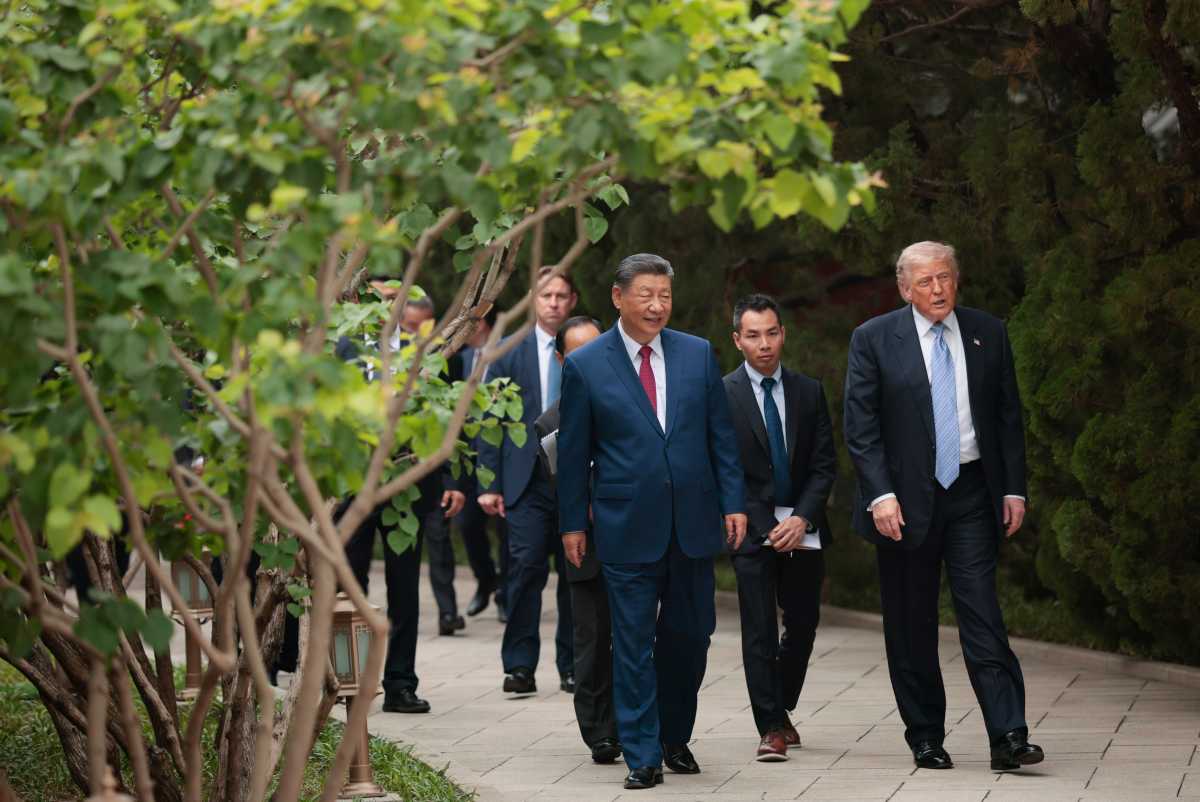
Leaders who have been to the restricted government center
It is to be noted that the compound has hosted only a handful of world leaders over the decades.
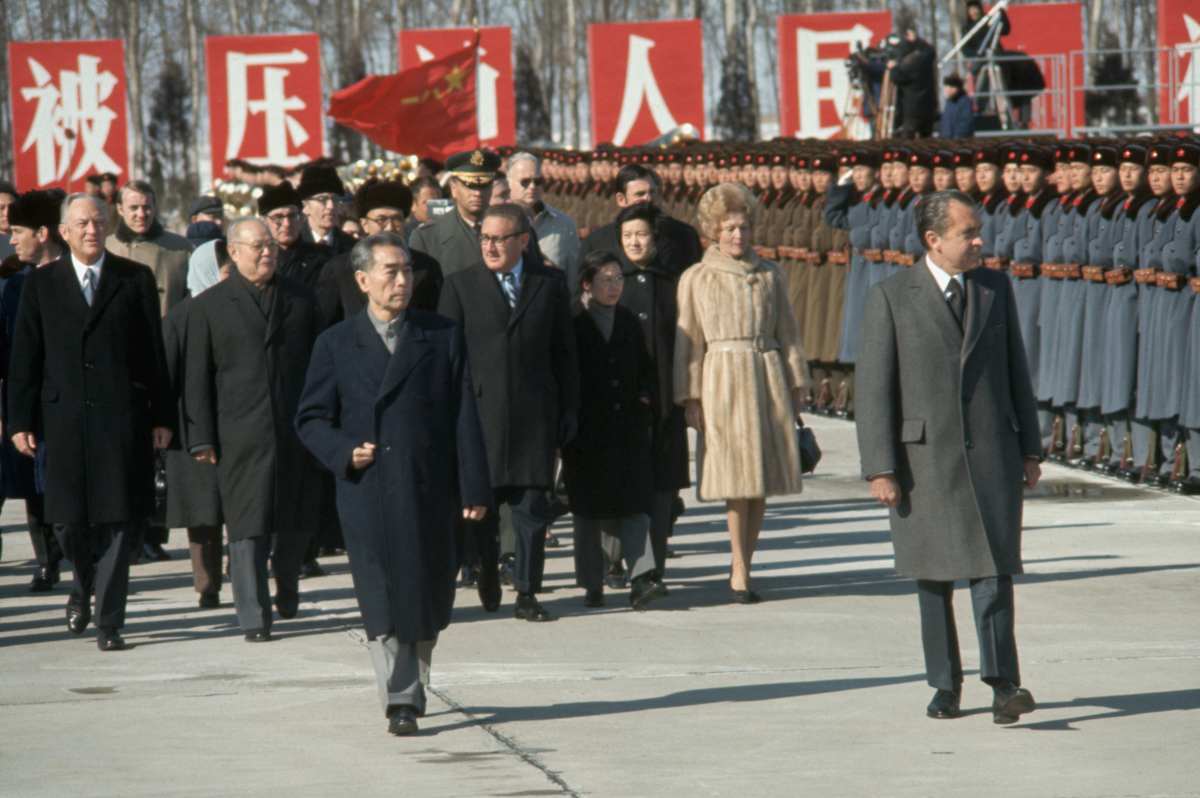
President Richard Nixon's 1972 trip to China established the foundation upon which every successive American President has built, reshaped, expanded, contracted, and mended relations between the United States and the People's Republic of China.
— Richard Nixon Foundation (@nixonfoundation) May 13, 2026
What was the strategic context?… pic.twitter.com/3J2IzgWuxZ
In 1972, Mao Zedong, the founder of the People’s Republic of China in 1949, welcomed President Richard Nixon there during the historic visit that paved the way for diplomatic ties between the two countries.
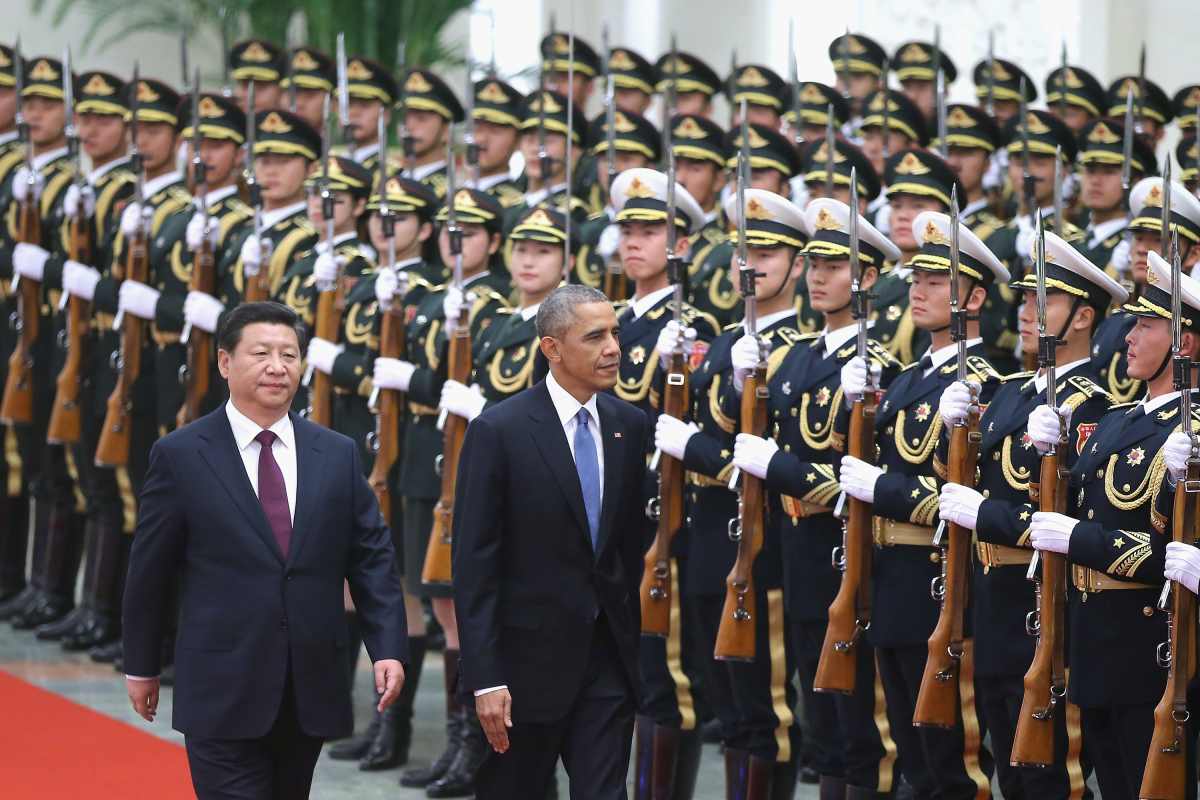
Former Presidents George W Bush and Barack Obama also held meetings and walks with Chinese leaders inside the compound during their visits.
Other leaders who have visited include Russian President Vladimir Putin and Belarusian President Aleksandr Lukashenko.
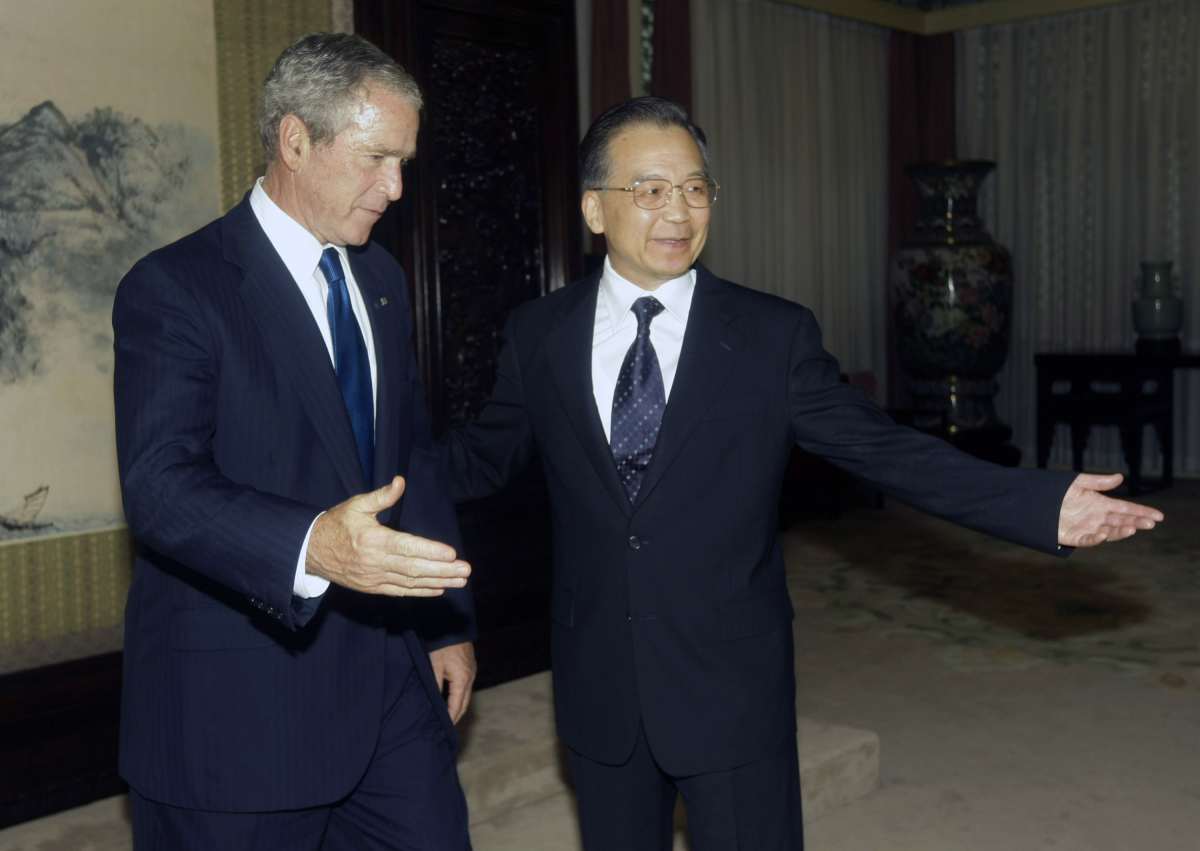
Though access remains tightly restricted, Zhongnanhai continues to symbolise the concentration of political authority in China and remains one of the country’s most important centres of power.
President Xi Jinping meets with U.S. President Barack Obama at the Zhongnanhai leadership compound in Beijing, capital of China, Nov. 11, 2014
— Adam Nicotera (@adamnicotera) May 15, 2026
FOUR major meetings held between Xi and Obama since 2013 pic.twitter.com/vPJtvPmF4z
The evolution of China's power compound
Long before it became a modern political hub, the compound served as a royal retreat.
Zhongnanhai, which means “Central and Southern Seas," derives its name from the interconnected lakes within the compound.
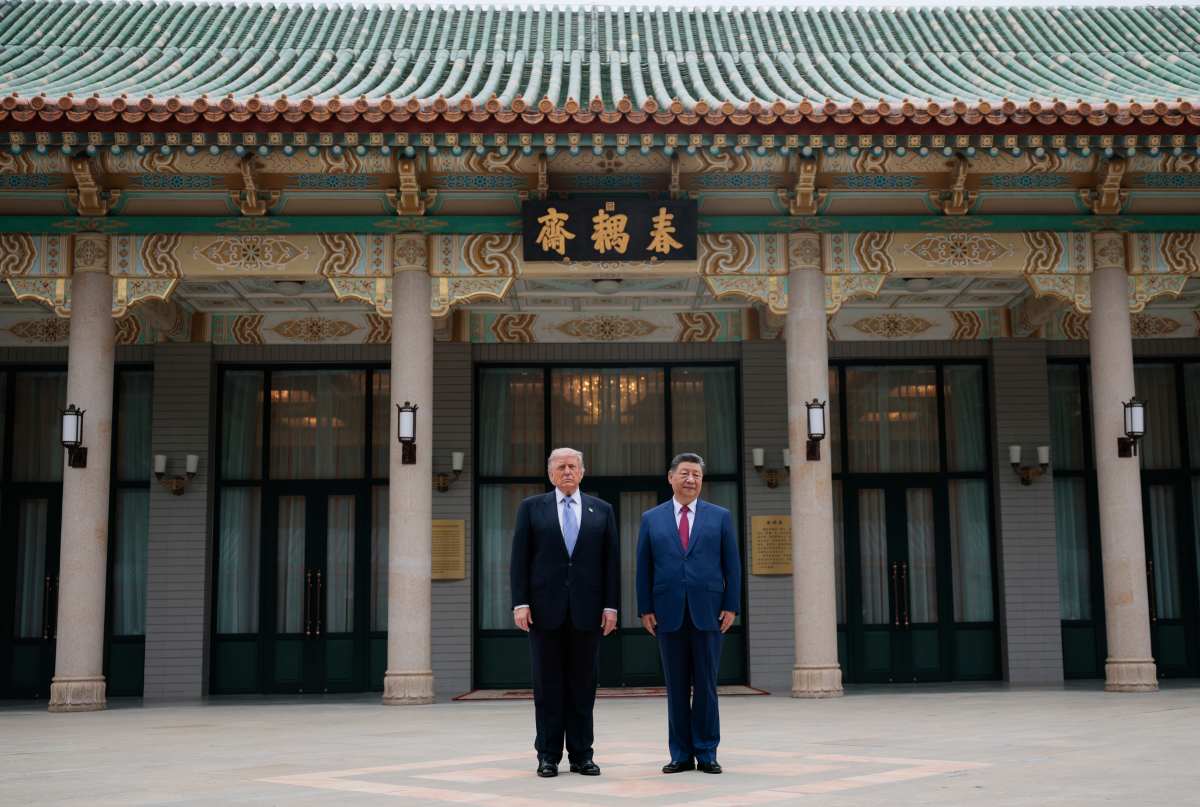
The site carries a deep history of royal drama, including a famous 1898 power struggle when Empress Dowager Cixi carried out a coup there against Emperor Guangxu, imprisoning him on Yingtai Island after he attempted reforms aimed at transforming the Qing dynasty into a constitutional monarchy.
In 1949, Mao Zedong chose this imperial site as the permanent base for the new government.
Today, state media and reports describe the compound as featuring both traditional Chinese architecture and modern additions such as swimming pools, tennis courts, and gymnasiums.