Trump makes history with Supreme Court appearance in high-stakes citizenship case
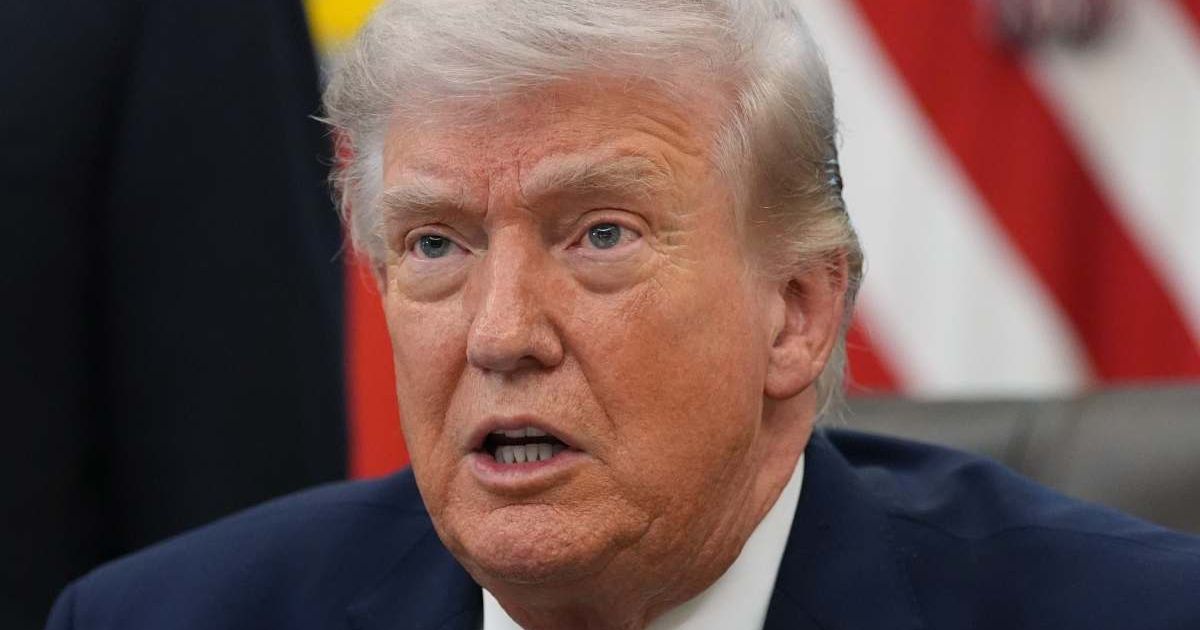
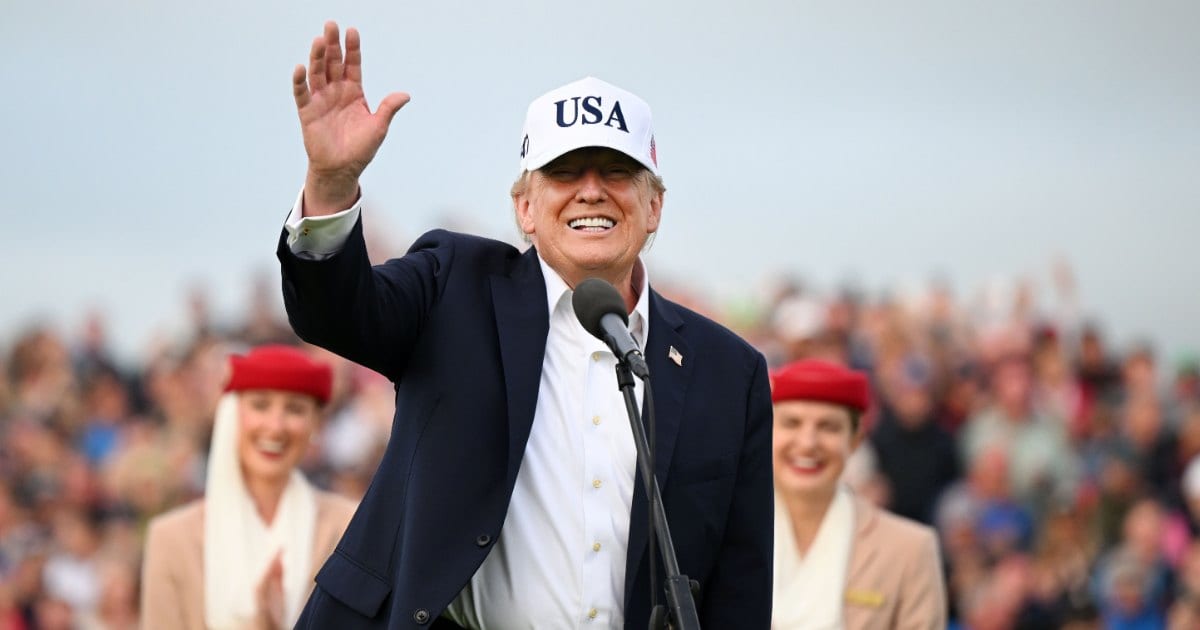
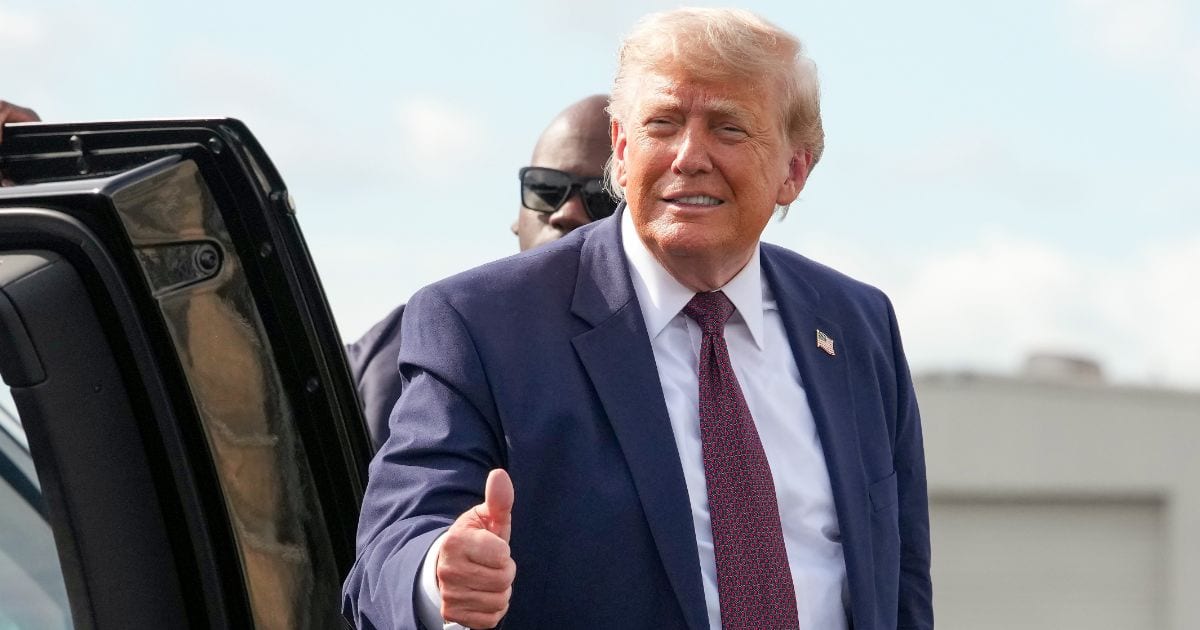
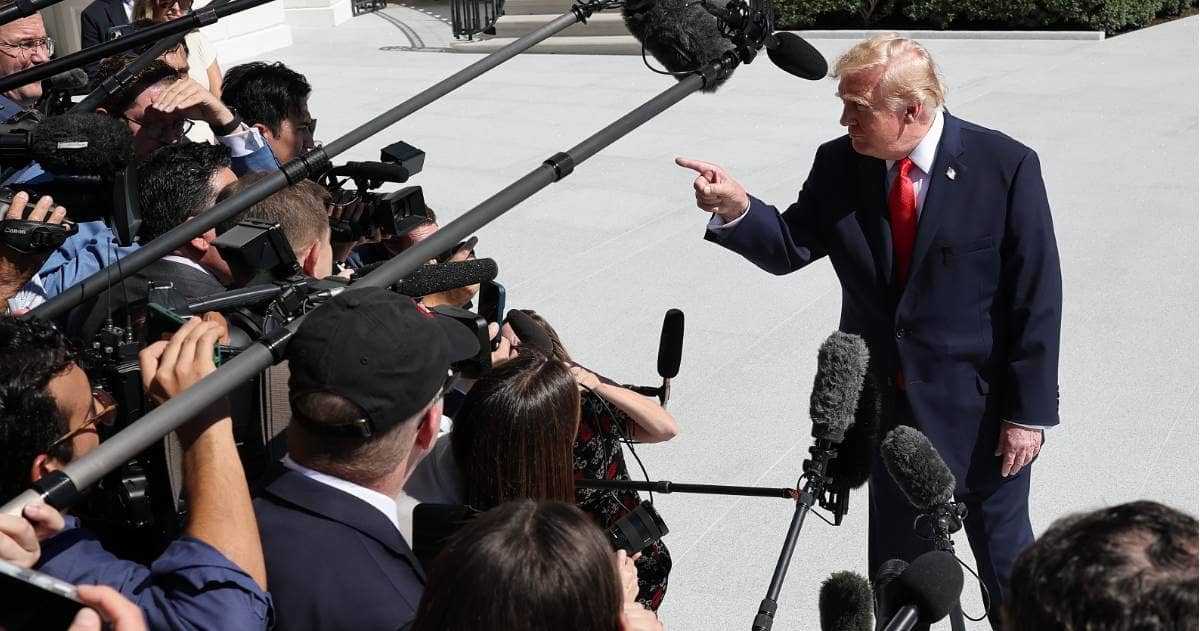
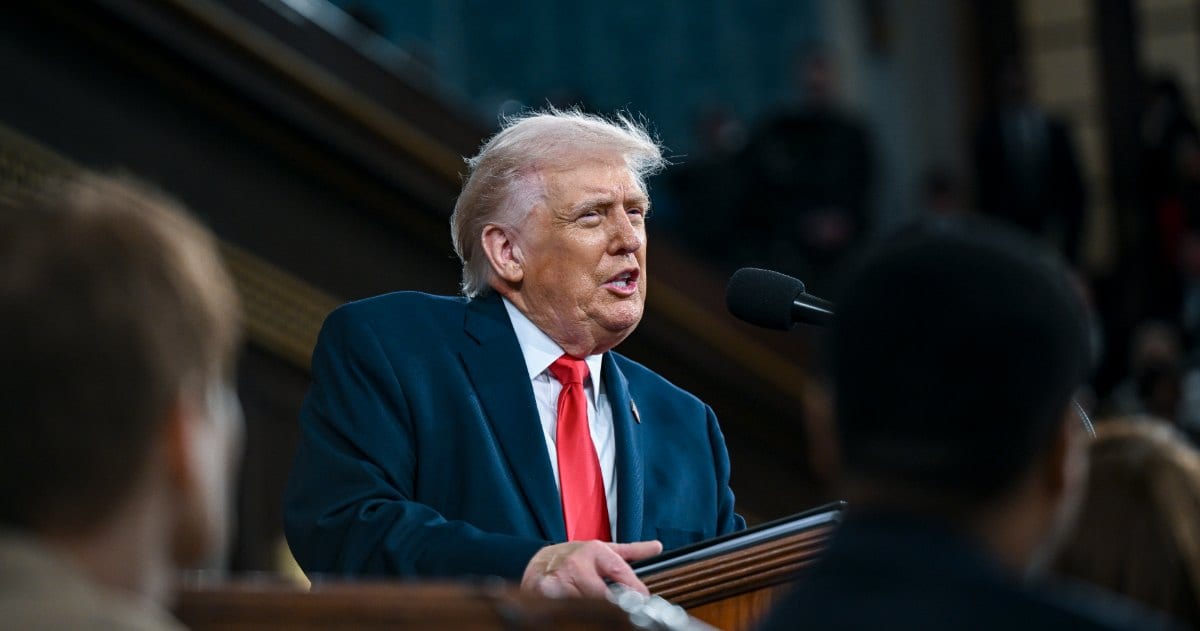
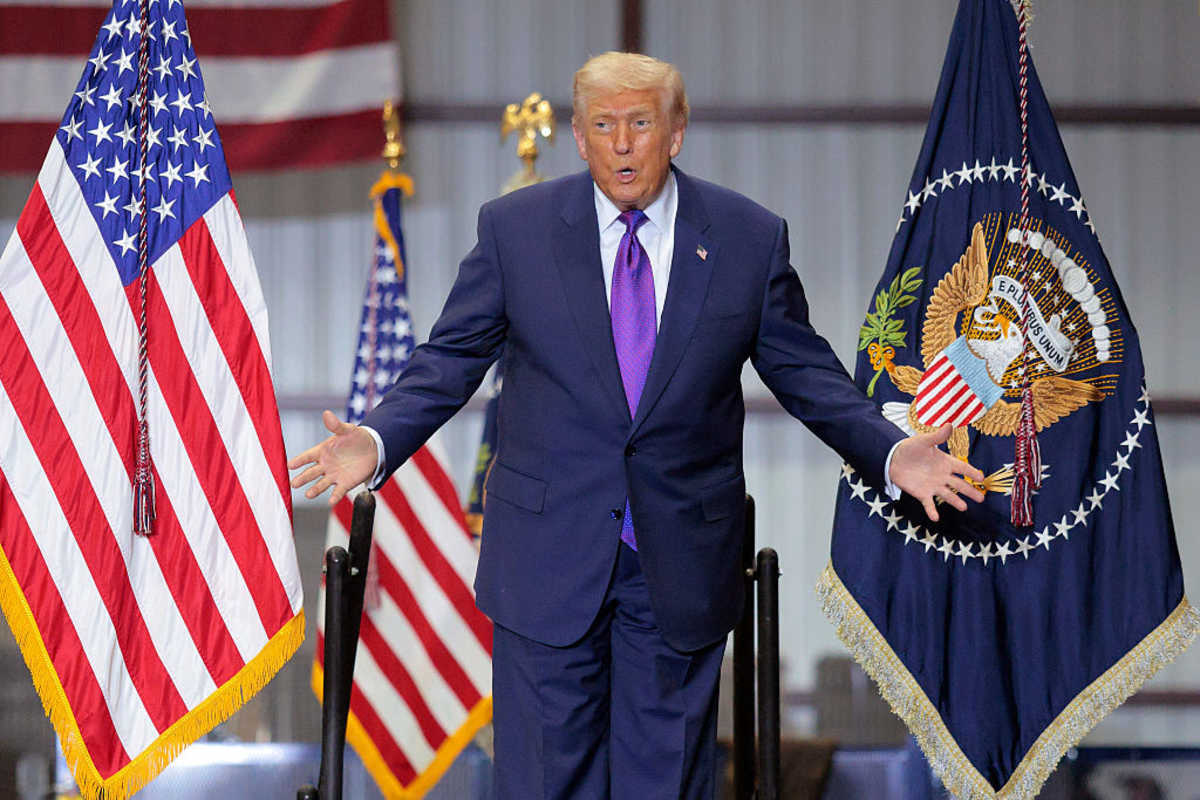
WASHINGTON, DC: In a historic first, President Donald Trump attended oral arguments at the Supreme Court of the United States on Wednesday, April 1, marking the first time a sitting president has been physically present during proceedings.
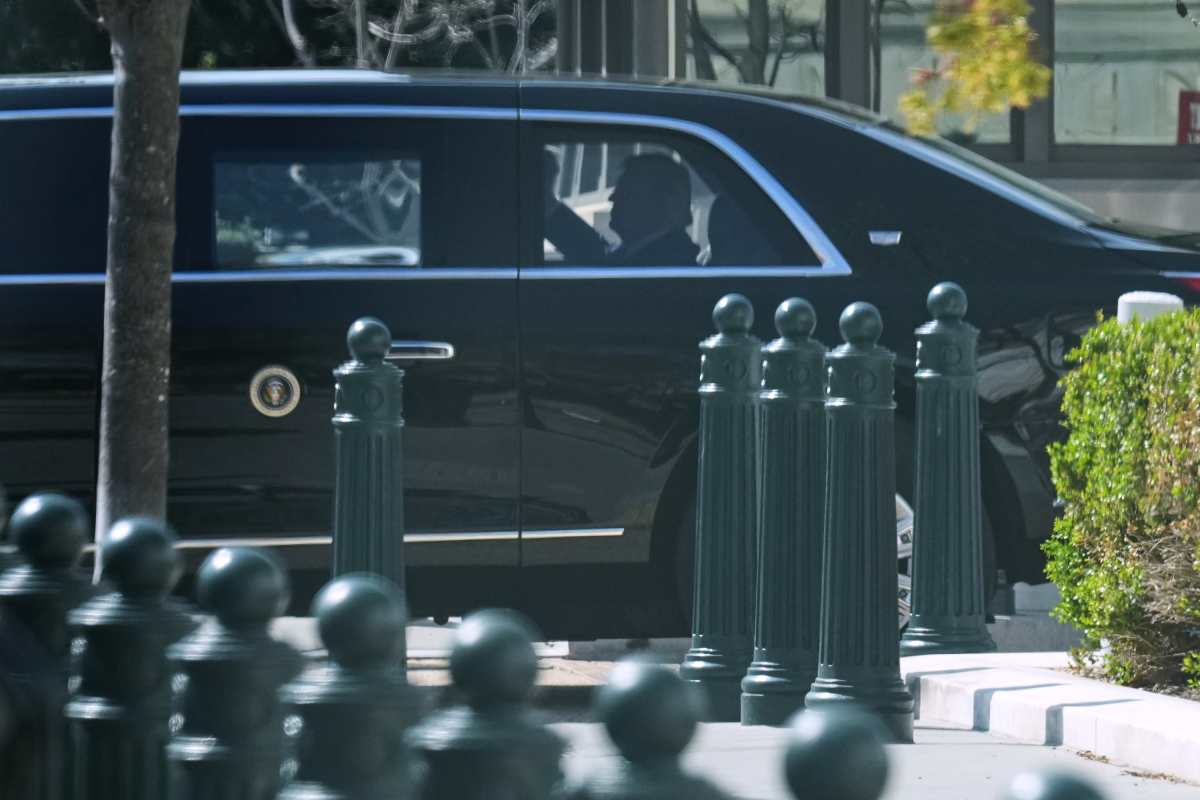
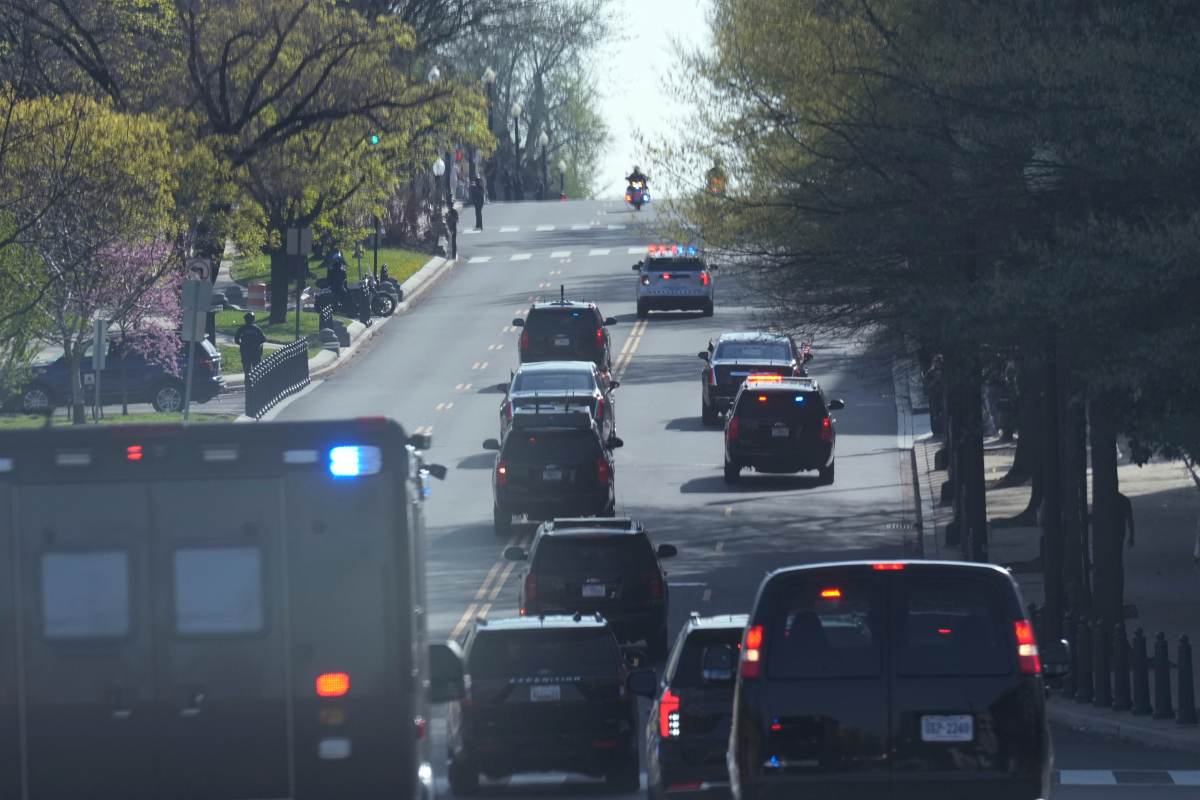
Trump arrived at the court shortly before 10 am ET and entered the courtroom, where proceedings are conducted without cameras or electronic devices, placing the president out of public view.
Case centres on birthright citizenship order
The case, Barbara v Trump, challenges an executive order signed by Trump at the start of his second term, seeking to deny automatic citizenship to children born in the US to parents who are undocumented or on temporary visas.
The policy has not taken effect after multiple lower courts ruled it unconstitutional, citing longstanding interpretations of the Fourteenth Amendment to the United States Constitution.
A settled principle under fresh scrutiny
Birthright citizenship, granting citizenship to anyone born on US soil, has been widely accepted since the amendment’s ratification in 1868.
However, the Trump administration argues that this interpretation is overly broad and has appealed to the Supreme Court for a definitive ruling.
A decision is expected by the end of the court’s term in late June or early July.
Trump’s presence has sparked debate over the potential impact on judicial independence.
Critics argue that a sitting president attending proceedings could be seen as an attempt to influence the court, which serves as a constitutional check on executive power.
The court currently has a 6-3 conservative majority, adding further political sensitivity to the case.
While presidents have attended ceremonial events at the court, including Trump’s appearance for Justice Neil Gorsuch’s swearing-in in 2017, none have previously attended oral arguments as observers.
Historically, several presidents have argued cases before the court earlier in their legal careers, but not while serving in office.
Trump’s shifting stance on court attendance
Trump had previously considered attending arguments in a separate case involving his global tariffs but ultimately decided against it, citing concerns about creating a distraction.
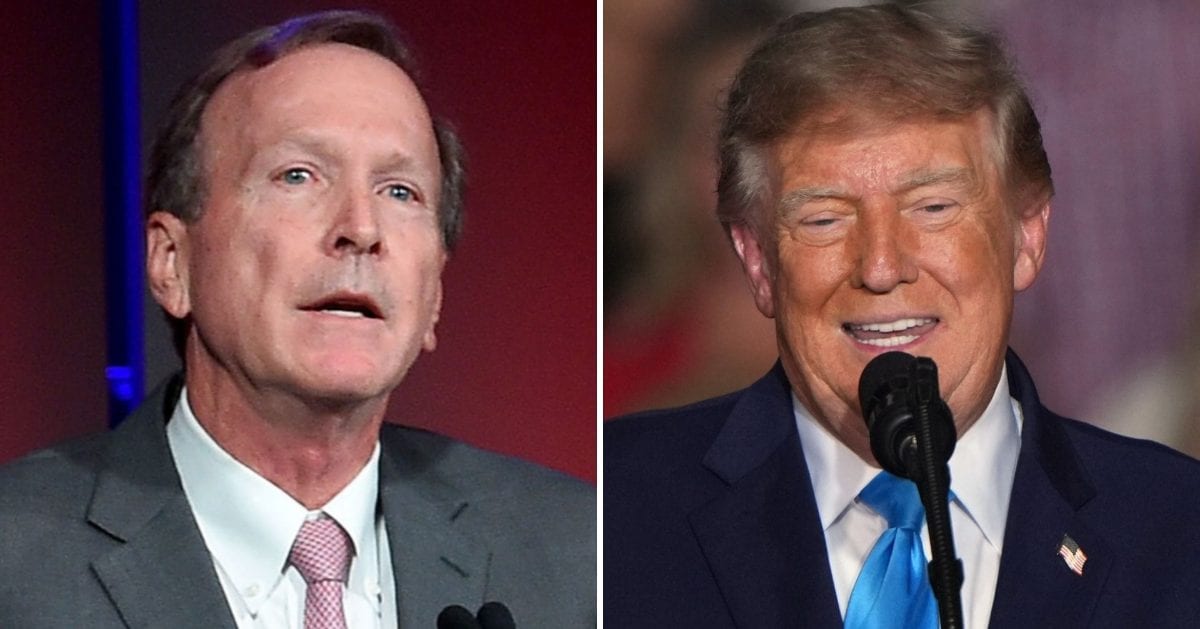
In that case, which drew scrutiny even from allies like Senator John Kennedy, ended in a 6-3 ruling against the administration.
Following the decision, Trump sharply criticized the justices, including appointees Neil Gorsuch and Amy Coney Barrett, accusing them of disloyalty.