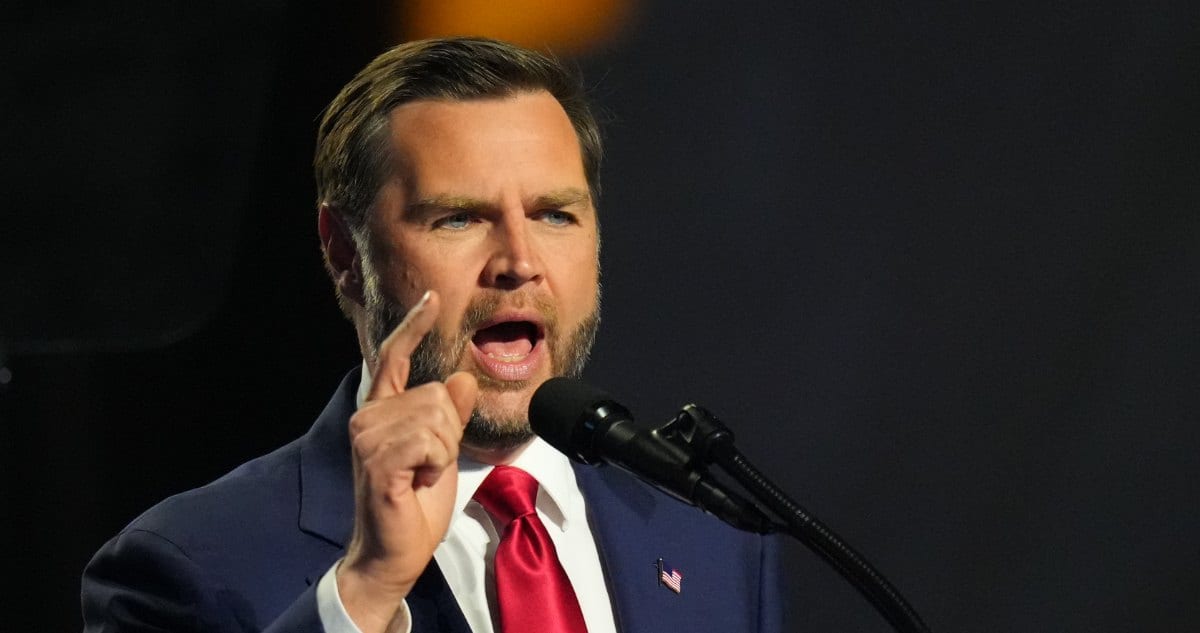
ACLU torches Trump's Supreme Court visit as stunt: 'We'll school him on the Constitution'
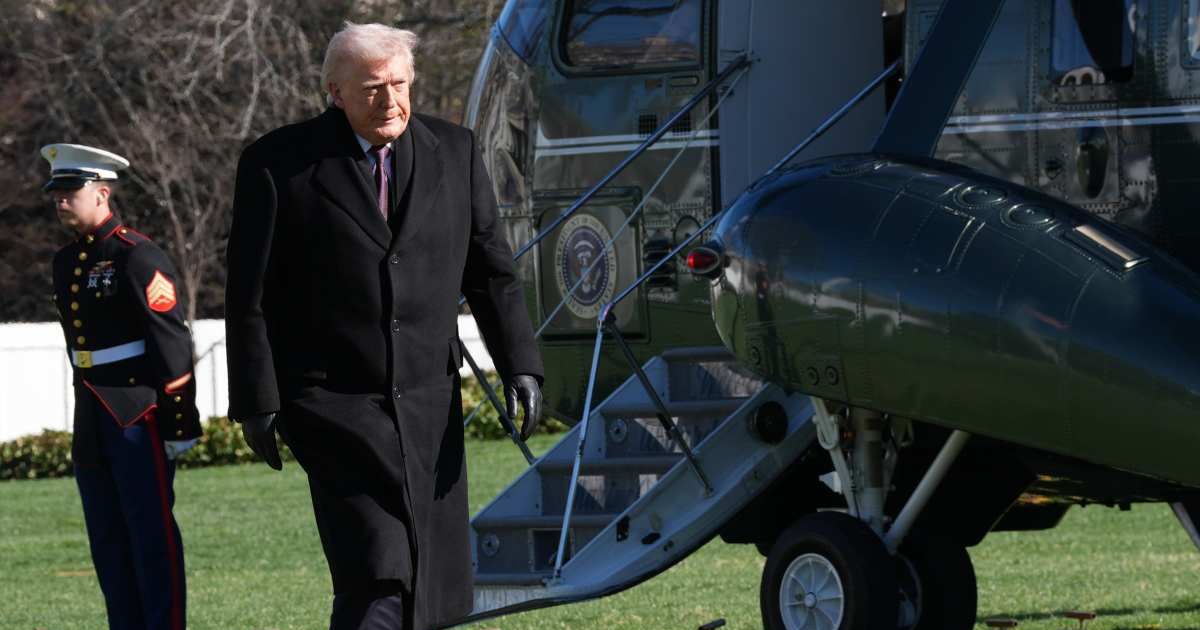
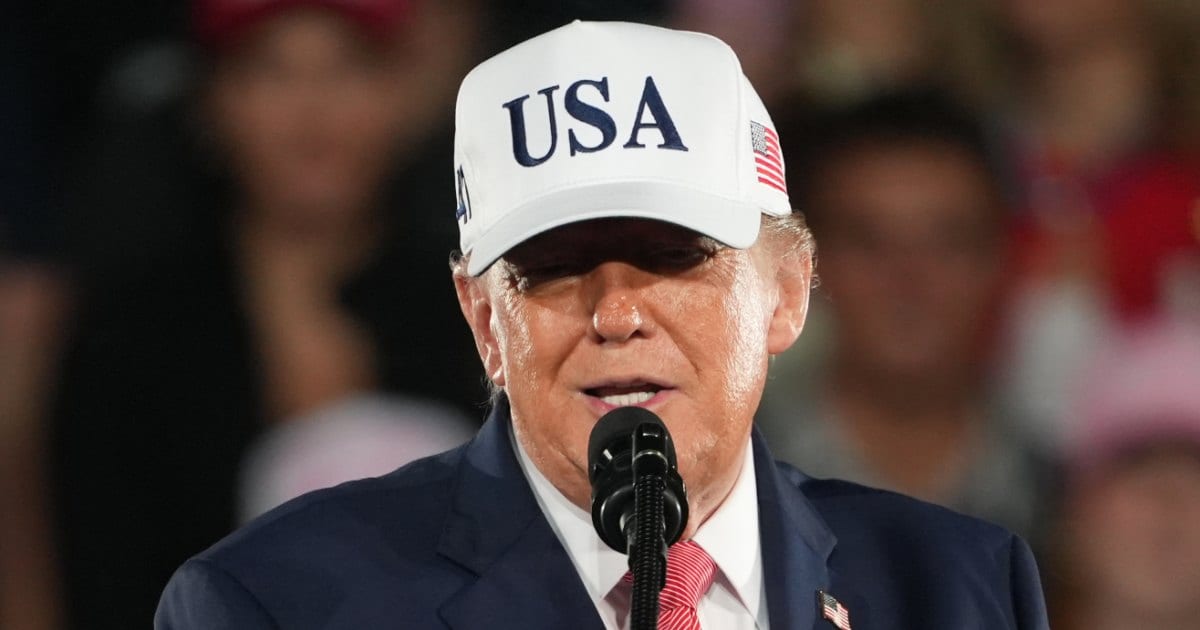
WASHINGTON, DC: The American Civil Liberties Union on Wednesday, April 1, sharply criticized President Donald Trump's decision to attend oral arguments at the Supreme Court, calling it an attempt to divert attention from a case of profound constitutional significance.
Anthony D Romero, executive director of the ACLU, said the president’s presence in court was unnecessary and politically motivated.
“If President Trump wishes to come to the Supreme Court to watch the ACLU school him in the meaning of the Constitution and birthright citizenship, we will be glad to sit alongside him,” Romero said in a statement.
He added that the visit was “an effort to distract from the gravity and importance of this case,” asserting that such a move “will not succeed.”
Anthony D Romero says court will rise above political pressure
Romero expressed confidence in the court’s ability to remain impartial despite the unusual optics of a sitting president attending proceedings.
“The Supreme Court is up to the task of interpreting and defending the Constitution even under the glare of a sitting president a couple dozen feet away,” he said, describing the case as “one of the most important in the last hundred years.”

A long-settled question back under scrutiny
At the heart of the case is a constitutional question many believed had been resolved for over a century: whether anyone born on US soil automatically acquires citizenship, regardless of their parents’ legal status.
For nearly 158 years, the prevailing interpretation has been affirmative. However, the Trump administration is now seeking to overturn that understanding, arguing that birthright citizenship should not apply to children of undocumented immigrants or temporary visa holders.
Focus on key constitutional phrase
The administration’s position, outlined in a detailed brief submitted by Solicitor General D John Sauer, hinges on a specific clause in the Fourteenth Amendment to the United States Constitution: “subject to the jurisdiction thereof.”
According to the government, undocumented immigrants do not meet this requirement because they lack legal status and therefore cannot establish lawful residence or full allegiance to the United States.
The outcome of the case could fundamentally reshape US citizenship law, with far-reaching implications for immigration policy and constitutional interpretation. As arguments unfold, the court’s decision is expected to set a precedent that could endure for generations.