Trump says he will attend birthright citizenship arguments at the Supreme Court
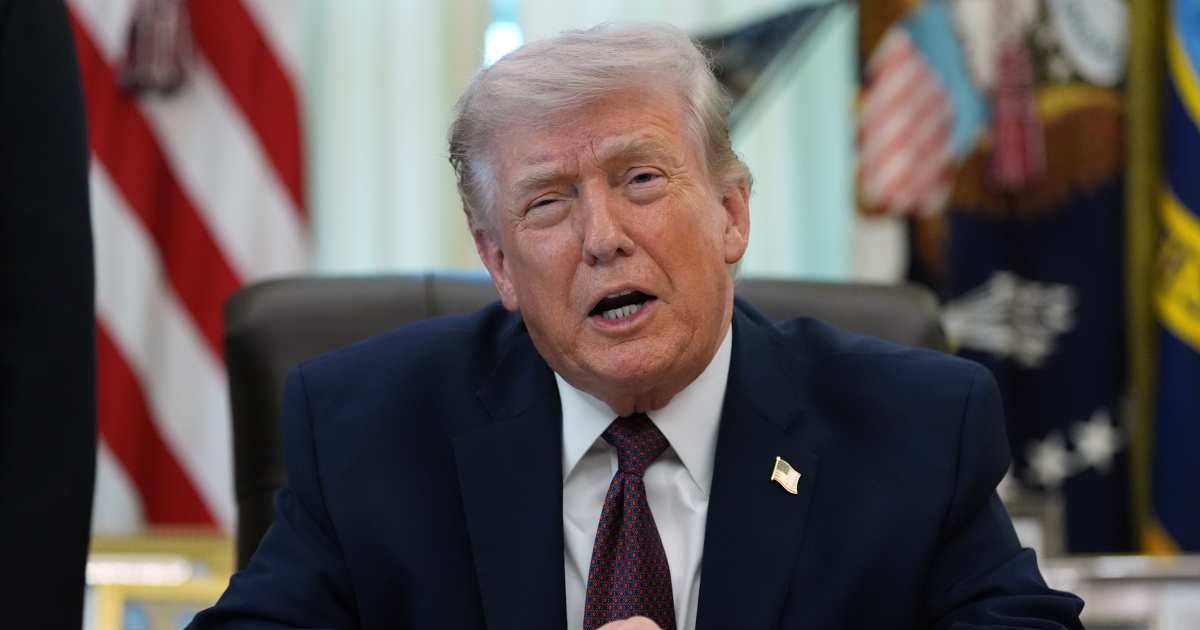
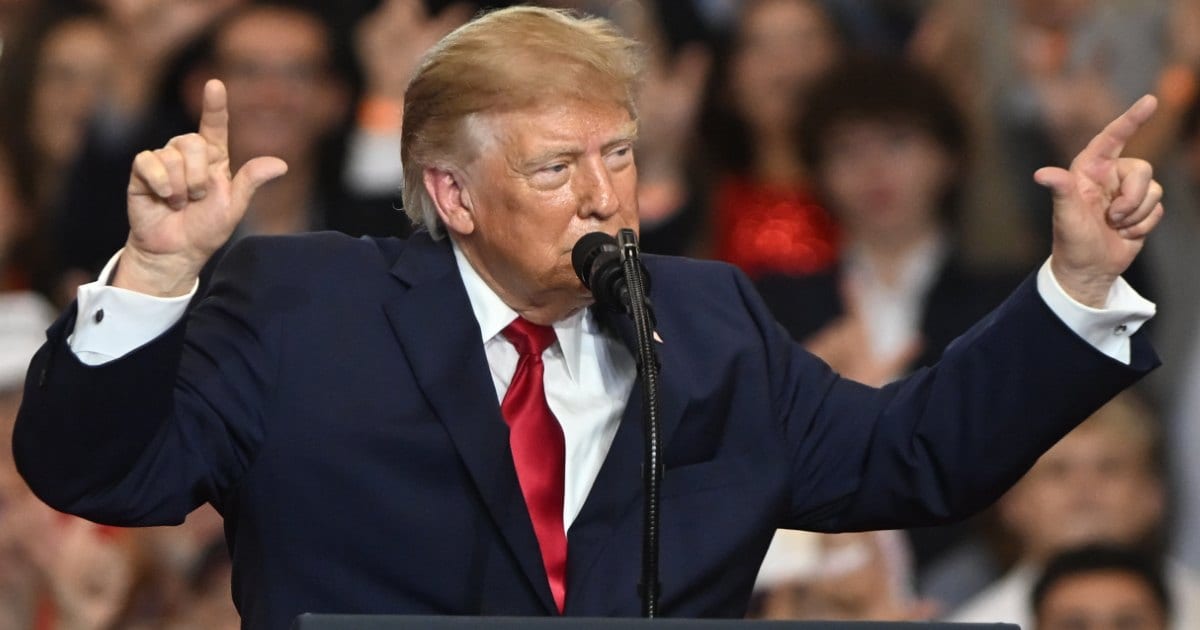
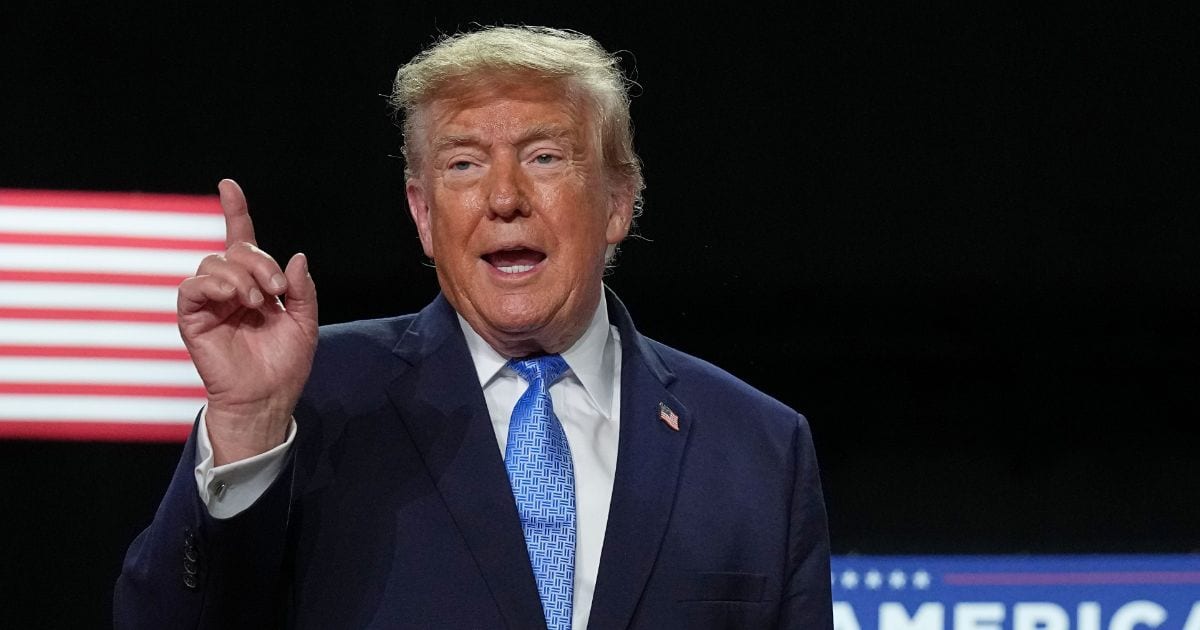
WASHINGTON, DC: Donald Trump will be in court as justices hear arguments about his administration's attempt to limit birthright citizenship. This marks a rare move for a sitting president.
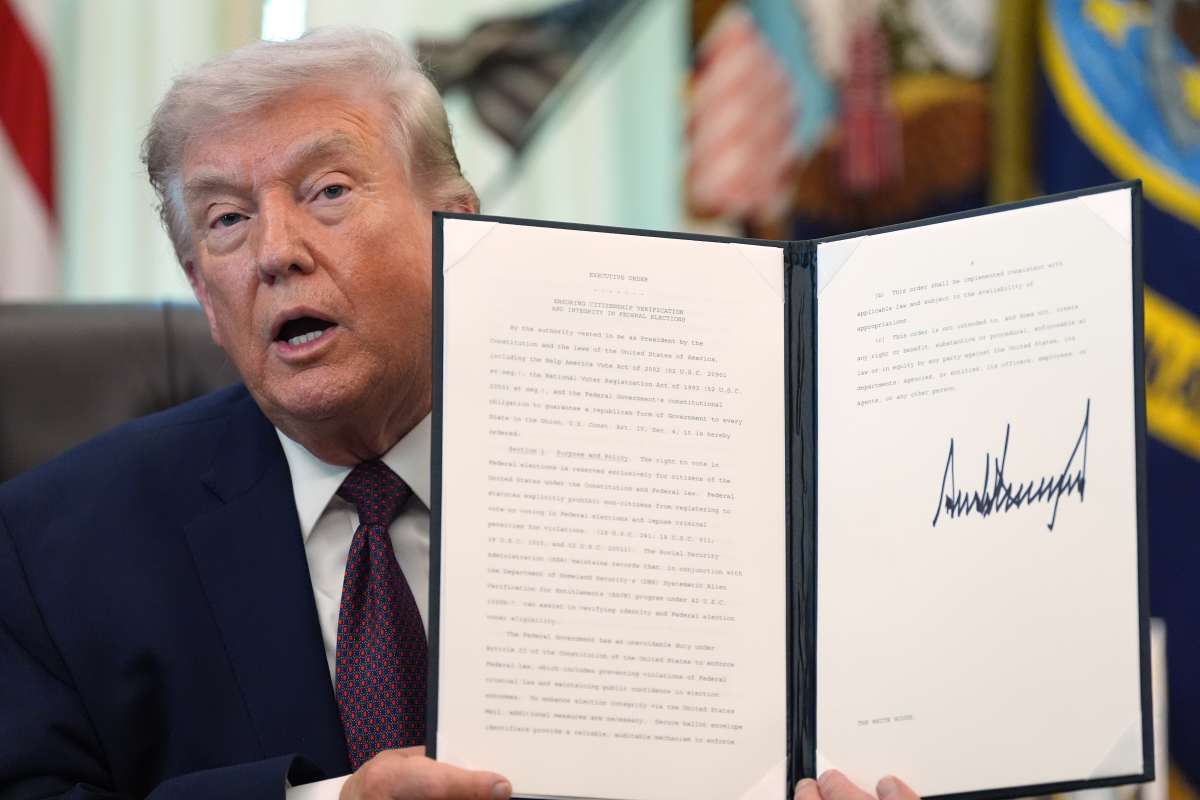
The case concerns an executive order that Trump signed at the start of his second term. It states that children born in the US to parents who are in the country illegally or on temporary visas should not automatically become citizens.
Trump pushes birthright citizenship case at Supreme Court
The presence of a sitting president at the high court during oral arguments would be a first, according to historians.
“I’m going,” Trump told reporters, before adding a bit more tentatively, “I think so. I do believe.”
However, Trump has previously considered attending oral arguments before reversing course.
Last October, he said he planned to attend arguments for his so-called Liberation Day tariffs, but he later backed down. He ultimately lost that case, 6–3.
Speaking to reporters in the Oval Office, Trump repeated his argument that the Constitution’s 14th Amendment was intended to grant citizenship to the children of former slaves and was not meant to apply broadly to anyone born on US soil.
DOOCY TIME: “And the Supreme Court tomorrow is going to hear arguments about your executive order trying to get rate of birthright citizenship.”
— Curtis Houck (@CurtisHouck) March 31, 2026
President Trump: “And I’m going.”
Fox’s @PDoocy: “You’re going to go to the Supreme Court tomorrow?”
Trump: “I think so.”
Doocy:… pic.twitter.com/BPZLlS6Z64
The majority of constitutional scholars and legal precedents reject this view. “Everything having to do with birthright citizenship, it was at the end of the Civil War,” Trump said.
“The reason was it had to do with the babies of slaves and the protection of the babies of slaves. It didn’t have to do with the protection of multi-millionaires and billionaires wanting to have their children get an American citizenship.”
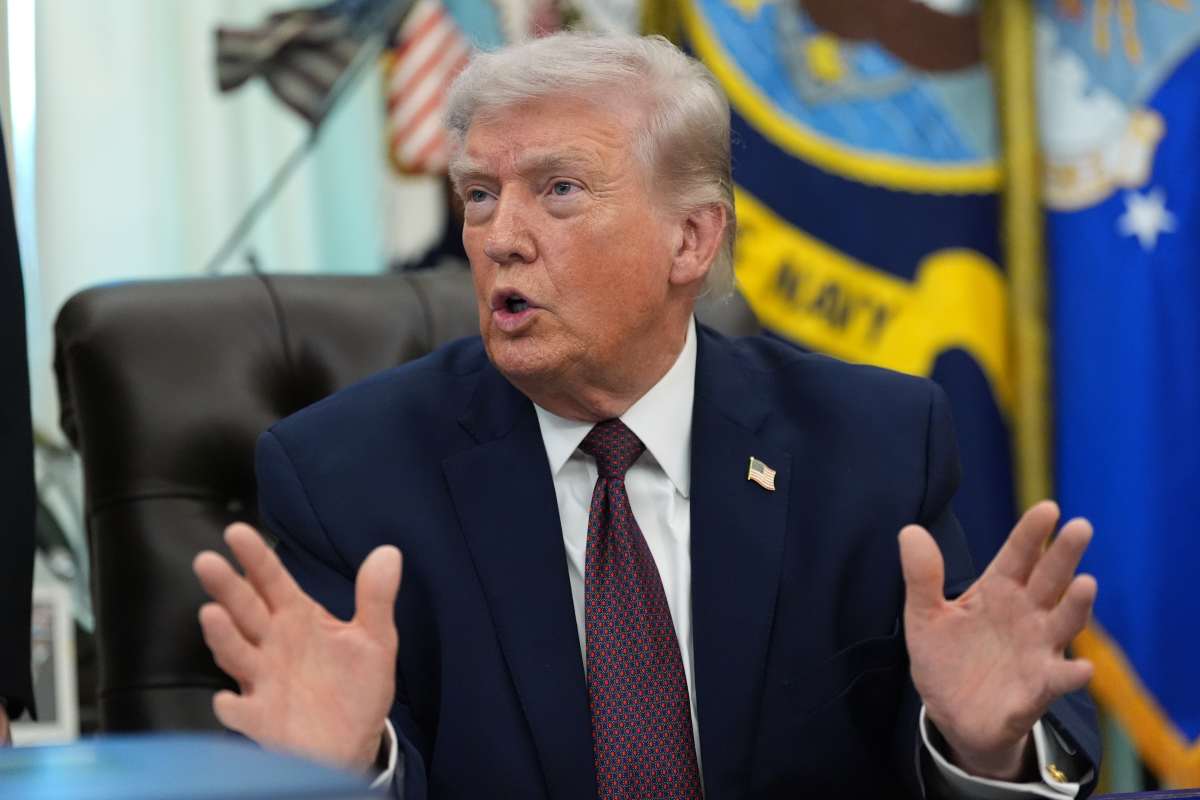
Supreme Court case could reshape US citizenship laws
The Supreme Court hearing will likely examine whether the president can change citizenship rules through executive action. The outcome could have a major impact on immigration policy and the law of the land.
The administration has argued that the current interpretation of birthright citizenship is incorrect and that the policy should be limited.
Challengers say that changing the definition would affect millions of people and alter a long-standing understanding of what it means to be a citizen in the United States.

On his first day back in office last year, Trump signed an executive order seeking to deny federal benefits such as passports to children born in the US to undocumented immigrants and those on limited-duration visas.
He argued that the prospect of automatic US citizenship encourages illegal immigration and so-called birth tourism, where families arrange to have their children while visiting the US.
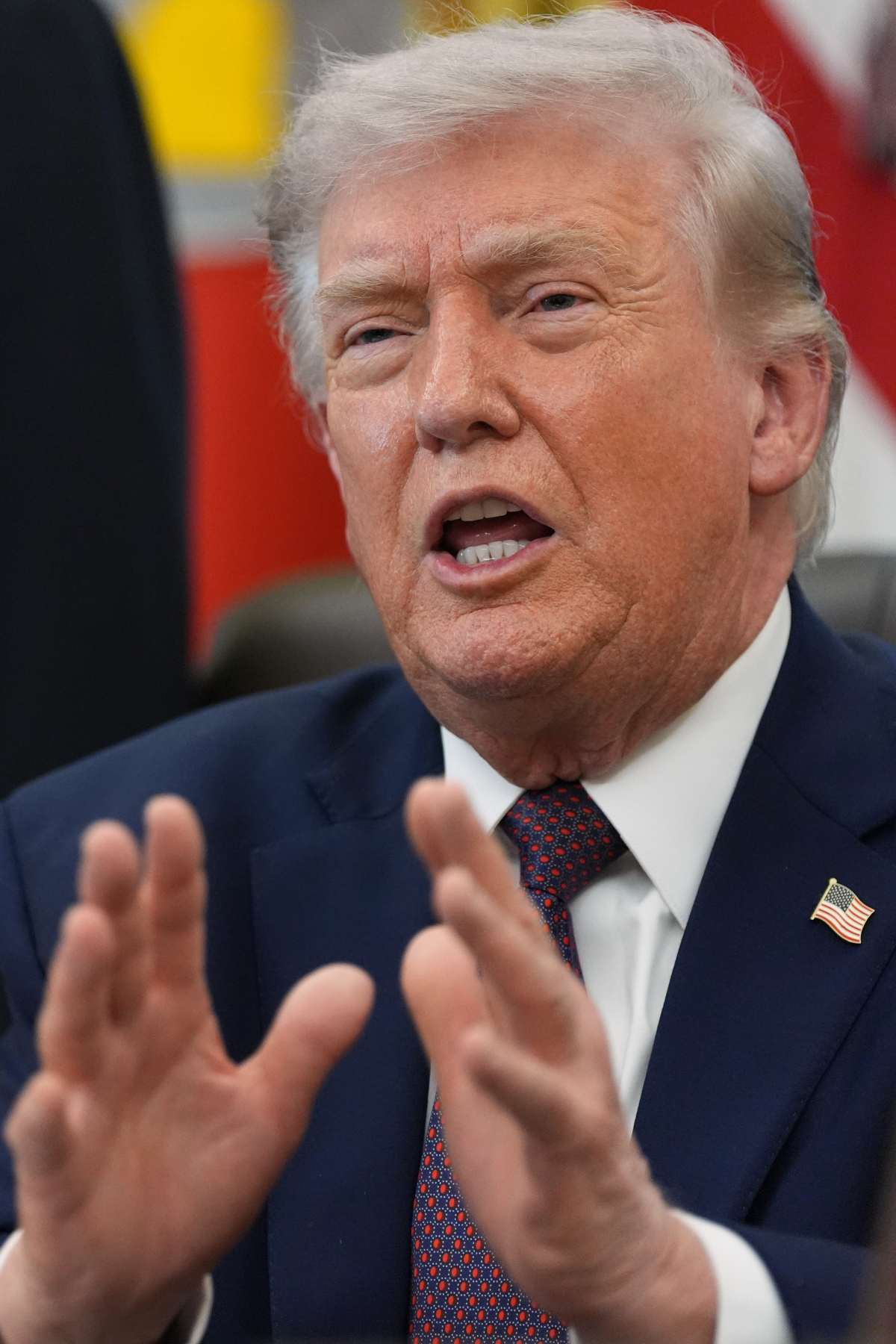
Trump’s order was blocked by a series of judges, who ruled that the 14th Amendment guarantees citizenship to nearly everyone born in the US, regardless of their parents’ status.
Speaking to reporters, Trump asserted that Republican-appointed justices and judges often vote against the views of the president who appointed them, while Democratic-appointed jurists “almost without fail” vote in lockstep with their political backers.
Trump said that he’s been at the Supreme Court “once before,” but he has visited at least four times as president.