Trump reportedly showed Xi treaty tied to Taiwan dispute during National Archives visit
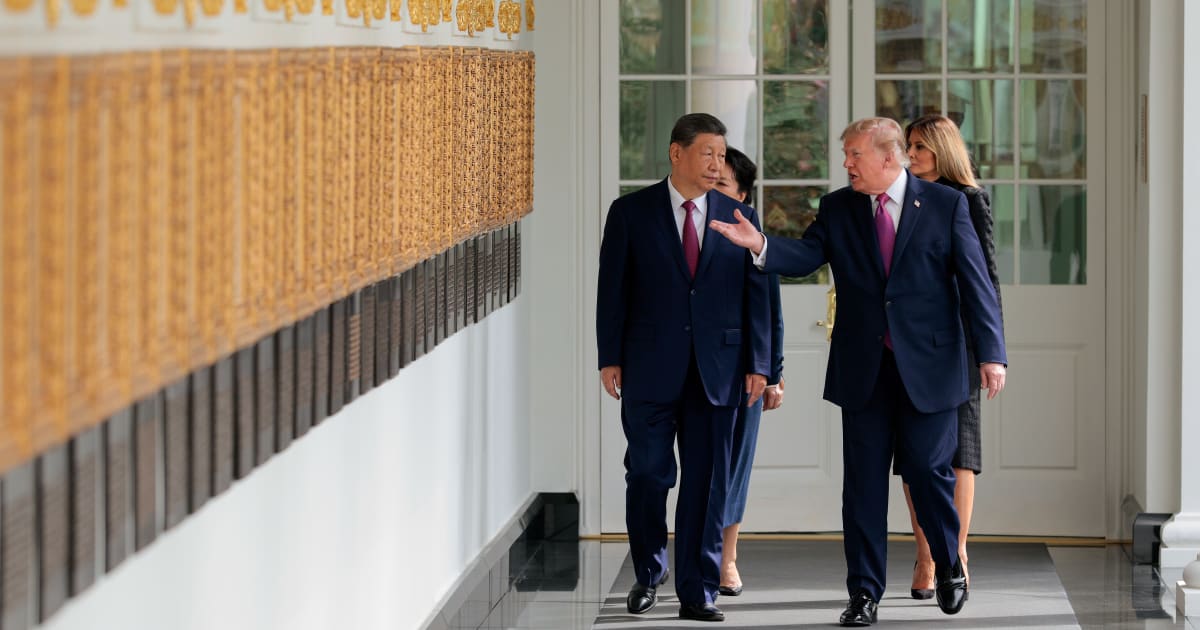
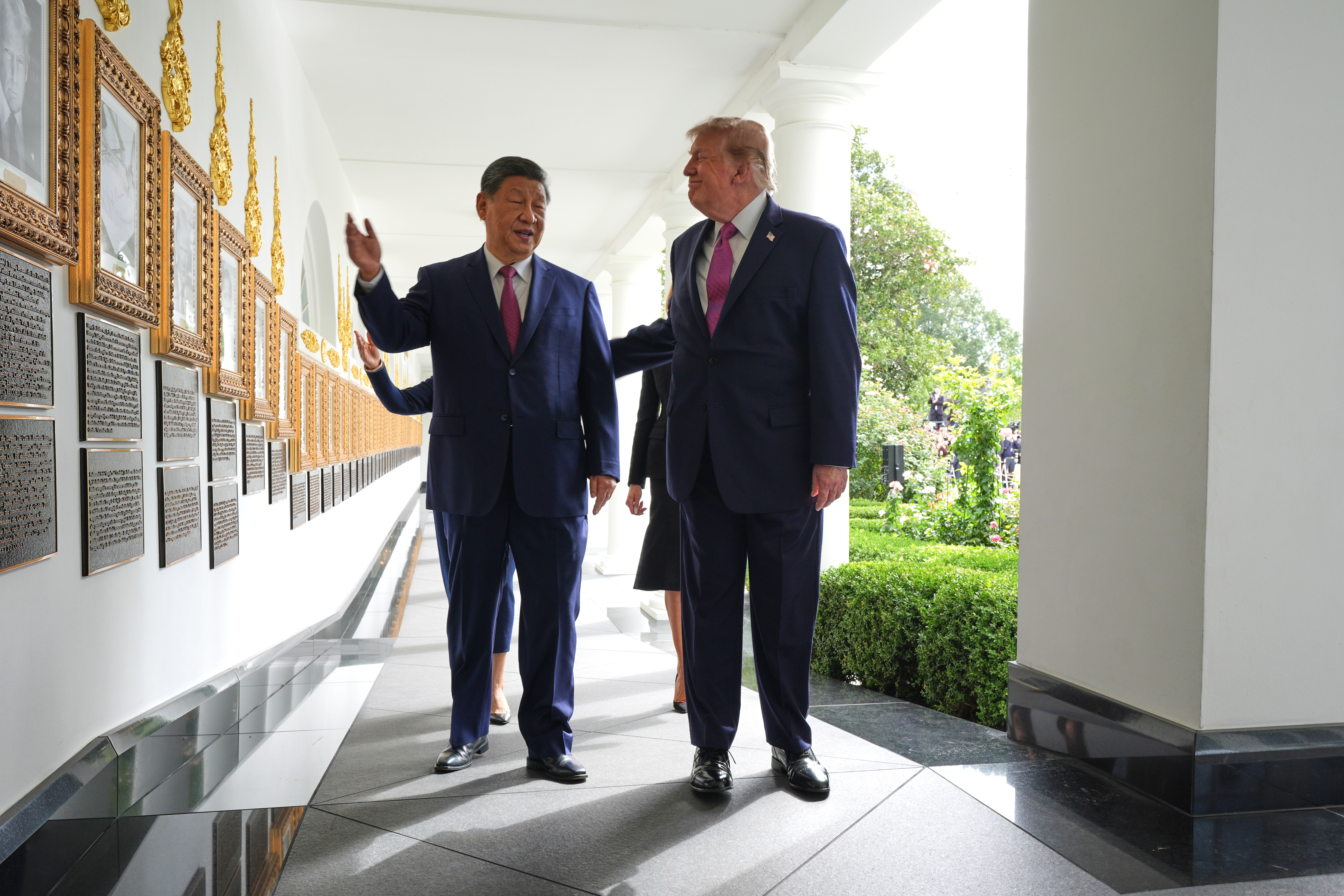
WASHINGTON, DC: President Donald Trump reportedly showed Chinese President Xi Jinping the 1951 Treaty of San Francisco during their September 25 visit to the National Archives, drawing attention to a longstanding dispute over Taiwan.
China was excluded from the treaty, which formalized Japan’s postwar peace settlement, and disputes provisions concerning Taiwan and its territorial sovereignty.
The document was among several historical items displayed during the leaders’ tour of the National Archives Museum in Washington, DC, according to a report published Sunday, September 27, by Breitbart.
The 1951 treaty remains contentious for Beijing
The Treaty of San Francisco was the most striking choice in the display, according to Henry Gao, a law professor at Singapore Management University, who said China disputes its treatment of Taiwan.
In November, Chinese Foreign Ministry spokesperson Mao Ning described provisions concerning Taiwan and China’s territorial sovereignty as “entirely illegal and null and void.”
Gao said the selection of historical documents would carry a different meaning for a Chinese audience, the report cited.
He suggested the display could be interpreted in Beijing as a warning about the concessions Washington might seek next.
The treaty was part of a collection identified by Kellie Meyer, a White House correspondent for NewsNation, who cited a source familiar with the display, as per the report.
The collection included the Declaration of Independence, the Constitution, the Bill of Rights and a brick from the Great Wall of China.
It also featured two 19th-century treaties between the United States and China, alongside an 1895 letter from China’s Guangxu Emperor.
Gao identified the 1844 Treaty of Wanghia and the 1858 Treaty of Tientsin as documents China regards as unequal treaties.
Their inclusion added another chapter of contentious US-China history to the display.
Historical documents carried different messages
The emperor’s letter was addressed to President Grover Cleveland and thanked an American diplomat involved in negotiations during the First Sino-Japanese War.
Those negotiations led to the Treaty of Shimonoseki, under which China ceded Taiwan to Japan.
The historical episode provides further context for Beijing’s objections to the later San Francisco treaty.
Gao’s interpretation of the display was not the only explanation offered.
Senator Dave McCormick, R-Pa, said he did not know why Trump chose the documents but offered his own suspicion about the president’s intentions.
“I don’t know what the president’s motivations were, so I won’t speculate,” McCormick told Breitbart News Saturday host Matthew Boyle.
He said he believed Trump wanted Xi to understand America’s commitment to global leadership.
“My suspicion is that the president wanted to make sure that, in sharing that history, President Xi understands that iron hand and that commitment to America’s leadership in the world,” McCormick said.
.@POTUS and @FLOTUS show President Xi and Madame Peng the Declaration of Independence on display at the National Archives 🇺🇸 https://t.co/xFK4DzKmBy pic.twitter.com/7BnHR1supn
— Rapid Response 47 (@RapidResponse47) September 25, 2026
He also recalled that his wife attended a meeting with Xi during Trump’s first term, when the Chinese leader visited Mar-a-Lago.
The visit followed a three-day Washington summit
Trump and Xi toured the National Archives on Friday, September 25, after a three-day state visit to Washington that included discussions about Taiwan, the wars in Iran and Ukraine, and trade.
The summit’s biggest policy announcement was a two-month extension of a trade truce.
The leaders did not announce an agreement to address their countries’ artificial intelligence competition, despite calls from lawmakers and experts for cooperation.
Trump told reporters at the Archives that the leaders were comparing China’s historical documents with America’s founding documents.
“Ours goes 250 years, which is great, and we’re proud of. Theirs goes 6,000 years. So there’s a little difference between 6,000 and 250. But we’re very proud of our 250,” Trump said.
The leaders also discussed artificial intelligence during the visit.
Xi said the United States and China had a “responsibility to develop and manage AI for good” and to “ensure that the development of AI is always under human control.”