Trump says Iran 'doesn't want us to go back at them' in new Hormuz assessment
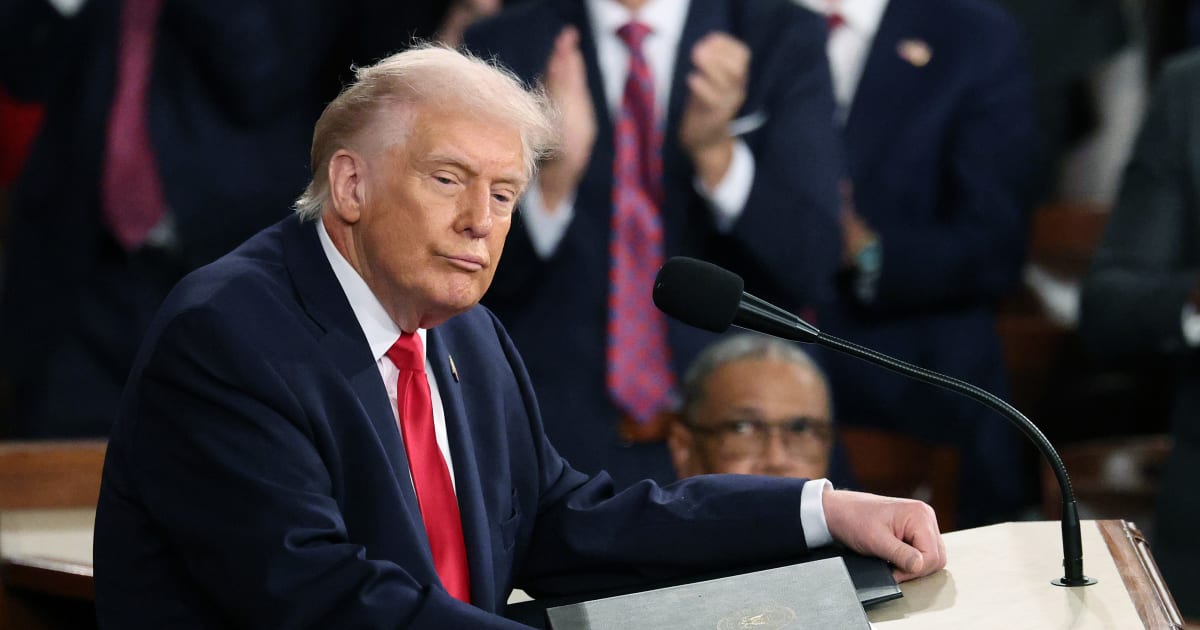
WASHINGTON, DC: President Donald Trump said Iran's restrained response in the Strait of Hormuz shows Tehran no longer wants to risk another US attack over the waterway.
The Strait had been Iran's strongest wartime leverage, with attacks and mine threats helping bring commercial shipping to a standstill and sending oil prices sharply higher.
Trump made the assessment in a phone interview with Axios on Thursday, August 27, as US officials said American forces now control most of the Strait.
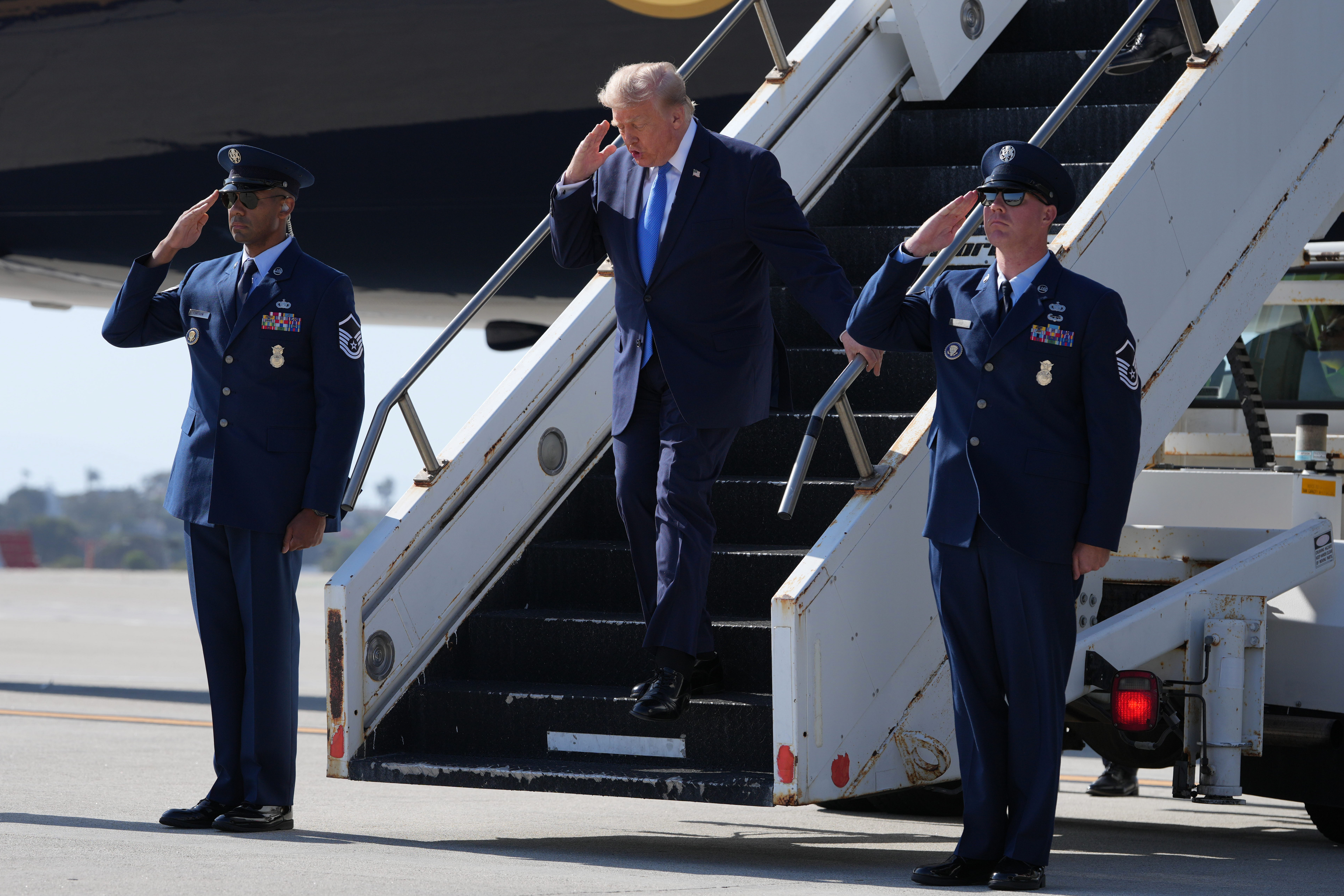
Trump says Iran does not want another attack
“That sucker is open. The Iranian response is very mild. They don't want us to go back at them. That's the whole ball game. The rest doesn't matter,” Trump told the outlet.
The comment marked a sharp change from the early months of the war, when Iran announced it was closing the Strait and warned it would attack tankers attempting to pass through.
Iranian attacks on ships and the threat of naval mines then brought commercial shipping to a halt, the outlet reported.
Brent crude rose from about $72 a barrel when the war began to as high as $126 over the following two months.
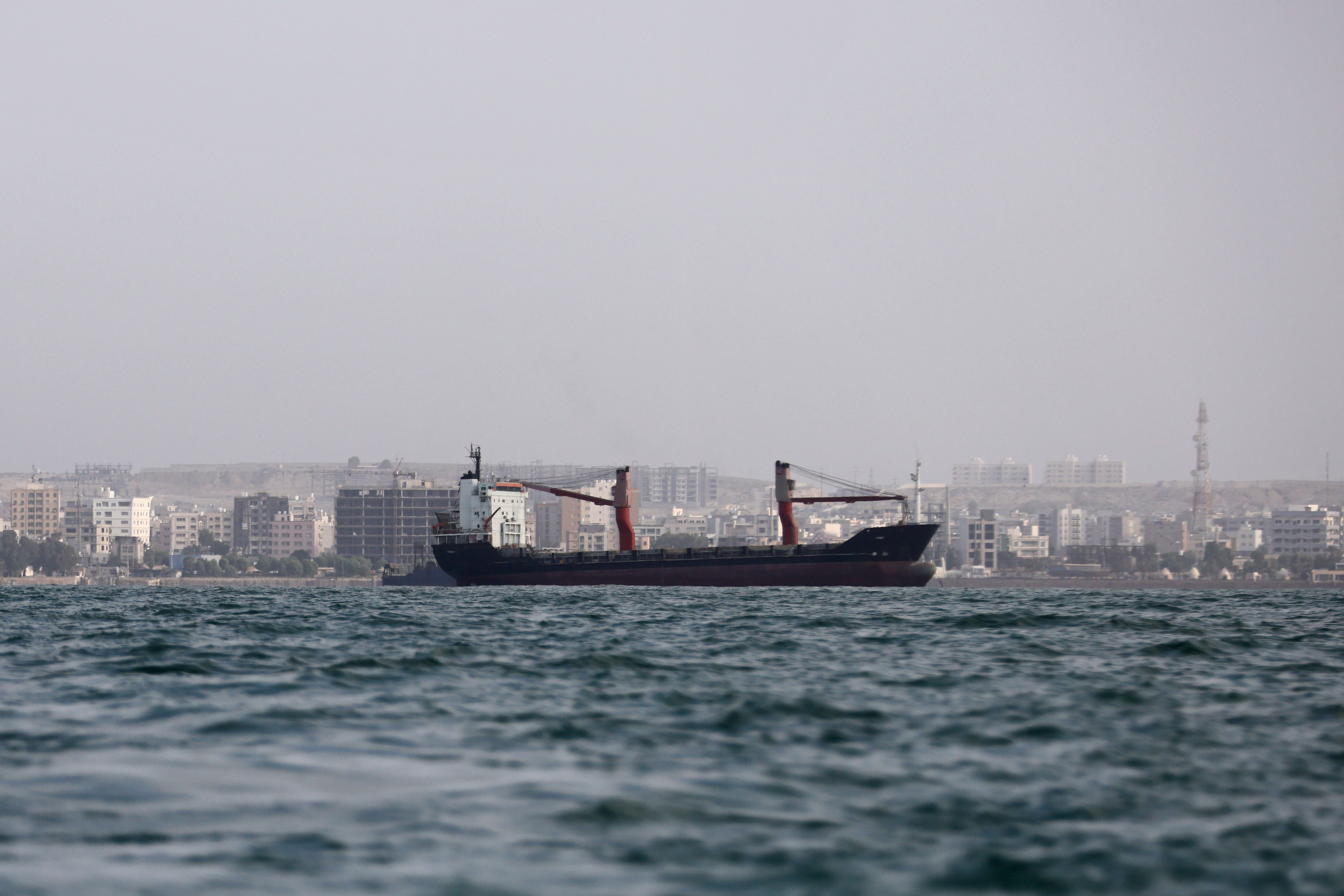
US officials now say the military has steadily reduced Iran's ability to disrupt traffic, the report said.
A US official said only 2% of ships that transited the Strait over the last month were hit, although periodic tanker strikes continue to raise questions about shipping safety, it stated.
The US effort included guiding ships through the southern channel with the United Arab Emirates, providing air cover and conducting mine-sweeping operations, it said.
Iran's control has weakened, US officials say
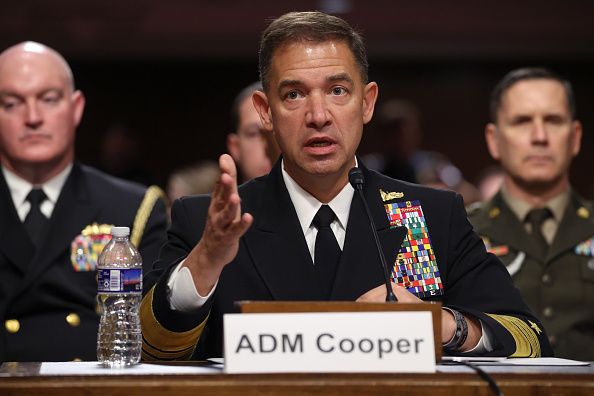
More than 200 mine-like objects have been swept from the main shipping lane, US officials said, though only 11 were actual mines and just a few were properly deployed, as per the report.
CENTCOM commander Adm Brad Cooper said on Thursday that the operation had reached a milestone.
“Today international shipping lanes are open, and momentum is building,” he said in a video posted that night.
US officials say traffic through the southern channel has grown to 20 to 30 tankers each night, carrying an average of 9 million to 10 million barrels, about half the pre-war volume, the report said.
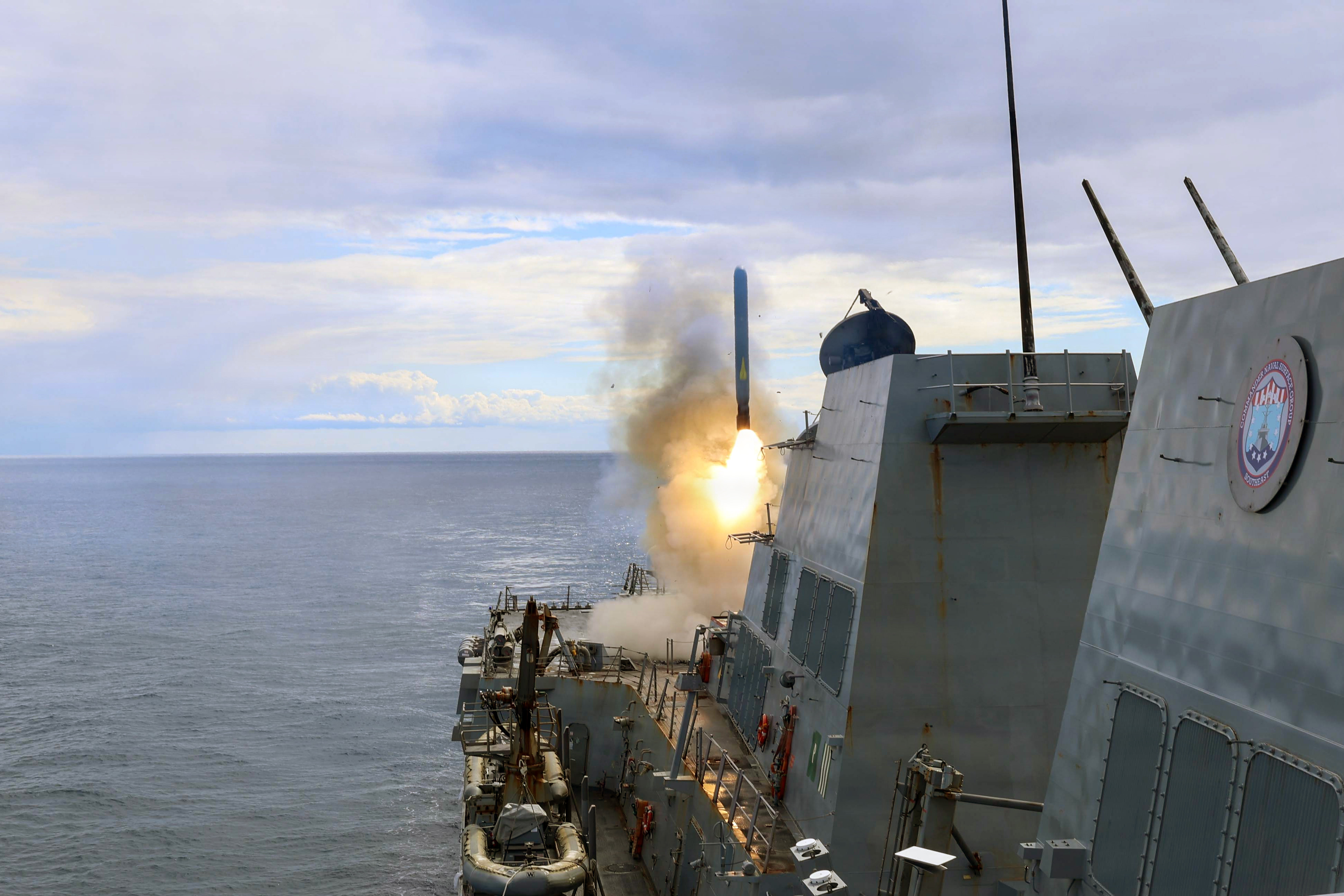
Oil experts and tanker trackers dispute whether the actual figures are that high, while US officials say they are undercounting the traffic.
A two-week bombing campaign also significantly undercut the Islamic Revolutionary Guard Corps' capacity to attack ships, according to the report.
Talks over Hormuz remain uncertain
The reopening of the Strait had been central to a US-Iran memorandum of understanding signed two months after an April 8 ceasefire. The Strait never fully reopened, and the deal later collapsed.

Now, regional sources told Axios that Iran has shown renewed interest in negotiations.
Pakistan's army commander, Oman's foreign minister and Qatar's prime minister traveled to Tehran in recent days in efforts involving mediation or talks over the Strait.
Trump, however, said he is not seeking a new meeting with Iran. “I don't want to meet, they do. In fact, they are begging to make a deal,” he wrote on Truth Social on Thursday.
White House envoy Steve Witkoff is still talking with Qataris and other mediators, the report stated.
US negotiators want to test whether the blockade, economic pressure campaign, and increased leverage in the Strait will push Iran to soften its positions, it said.