Trump says Vance was ‘less enthusiastic’ about going to war with Iran, downplays any rift
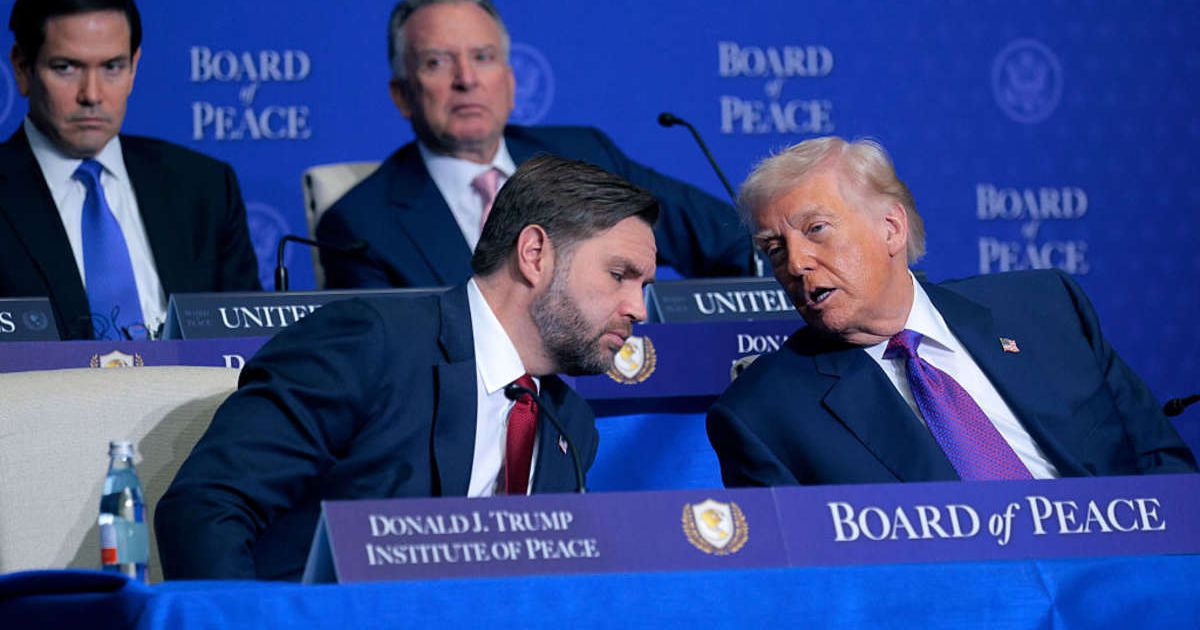
Reporter: Do you and Vice President JD Vance disagree on action in Iran?
— RedWave Press (@RedWavePress) March 9, 2026
President Trump: “No, we get along very well on this. He was, I would say, philosophically a little bit different than me. I think he was maybe less enthusiastic about going, but he was quite… pic.twitter.com/wJm9zMcjqr
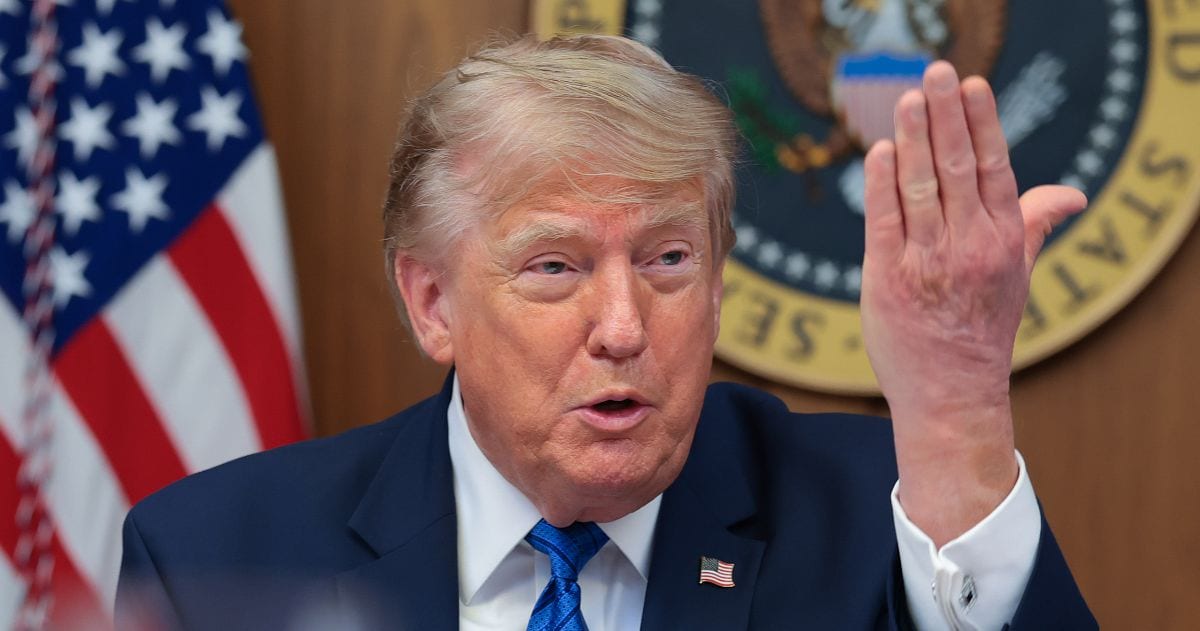
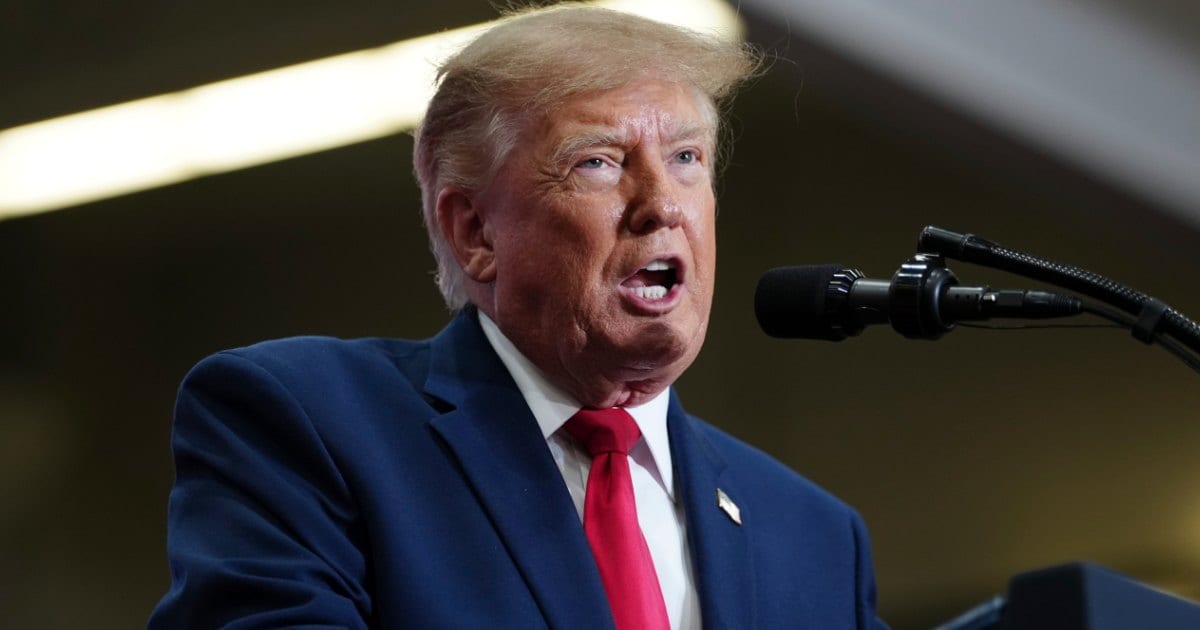
WASHINGTON, DC: President Donald Trump said on Monday, March 9, that he and Vice President JD Vance were aligned on the decision to strike Iran, dismissing suggestions of a disagreement within the administration over the military action.
Trump acknowledged that Vance had been “less enthusiastic” about going to war with Iran but maintained that both leaders ultimately supported the move. The president said the decision was driven by concerns that Iran could launch a strike against the United States if left unchecked.
The remarks come as Vance faces renewed scrutiny over his past opposition to US military intervention abroad, including comments made before he joined the Trump administration.
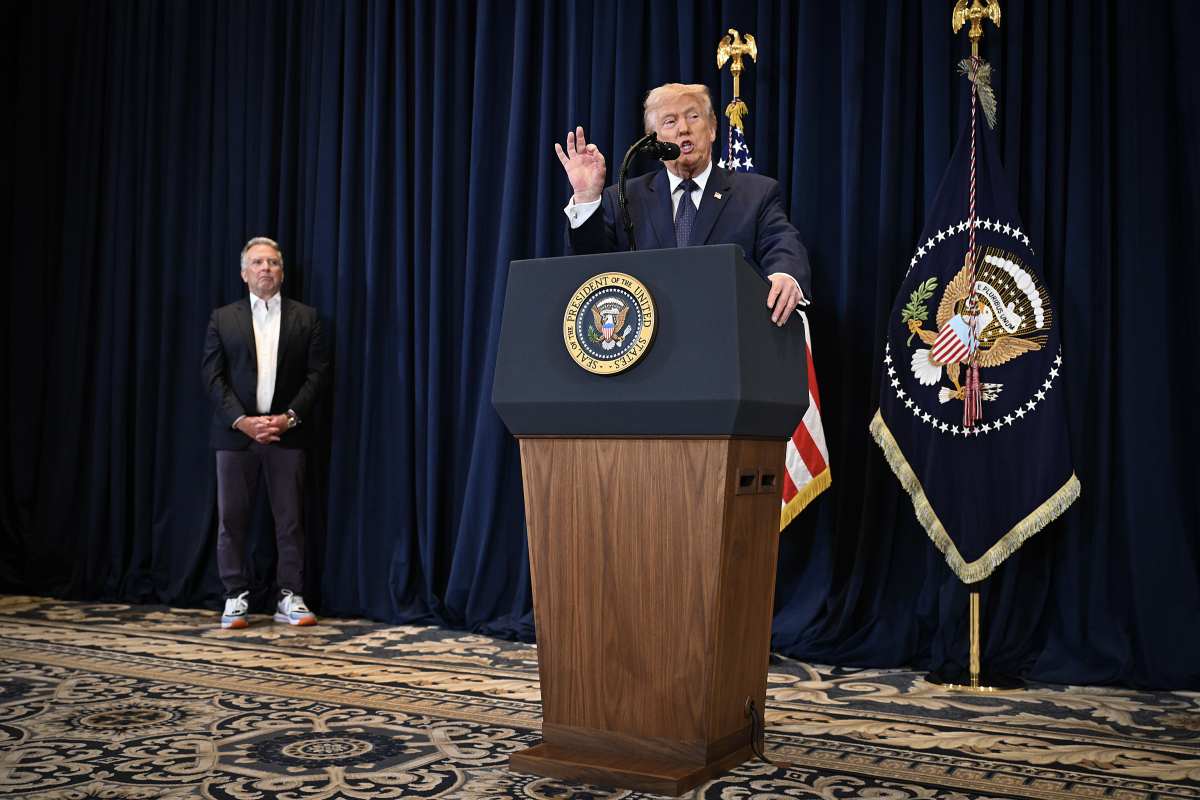
Trump denies rift with JD Vance over Iran strike
Trump addressed questions from reporters about whether he and Vice President JD Vance had differing views on the Iran strike.
A reporter asked President Donald Trump whether he and Vice President JD Vance disagreed on the decision to take military action against Iran.
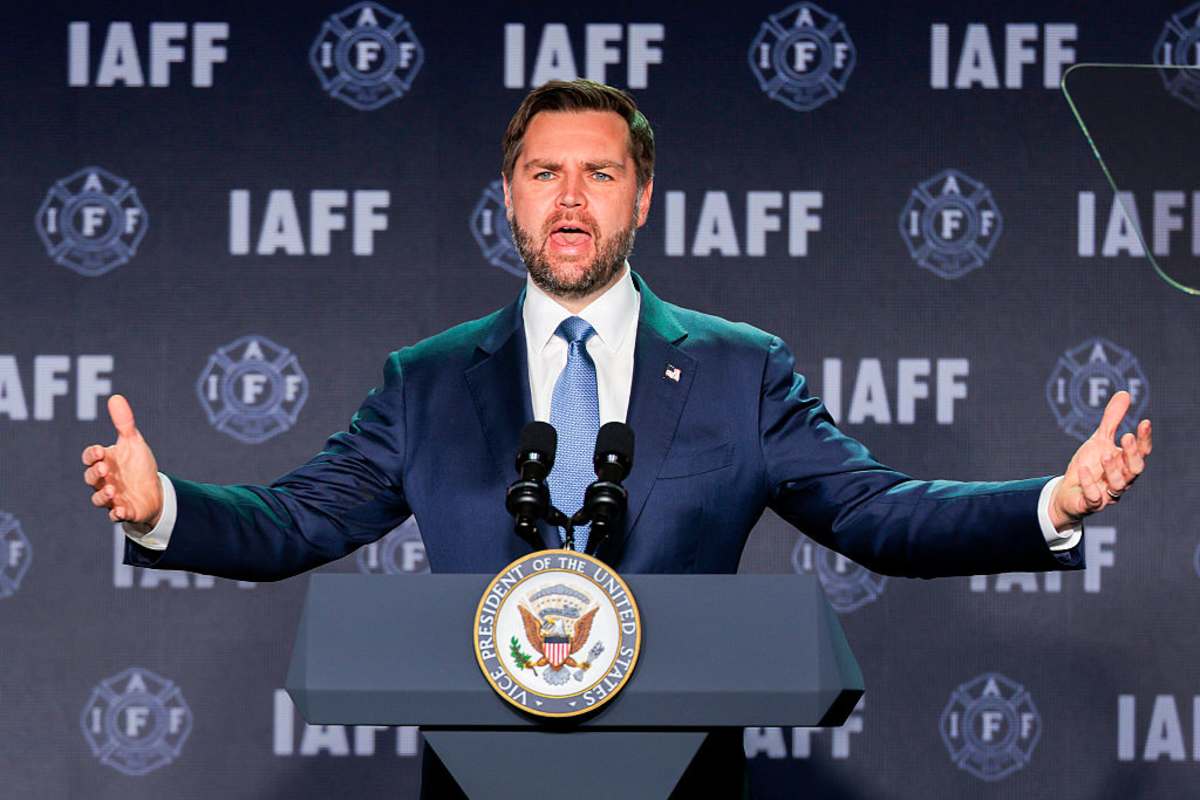
Trump dismissed the suggestion of a rift within the administration, saying the two leaders were largely aligned on the issue. He acknowledged that Vance approached the situation from a slightly different philosophical standpoint but insisted that the vice president ultimately supported the decision.
“No, we get along very well on this. He was, I would say, philosophically a little bit different than me. I think he was maybe less enthusiastic about going, but he was quite enthusiastic,” Trump said.
Trump added that he believed the military action was necessary, arguing that the United States had to act before Iran could pose a direct threat. “I felt it was something we had to do.”
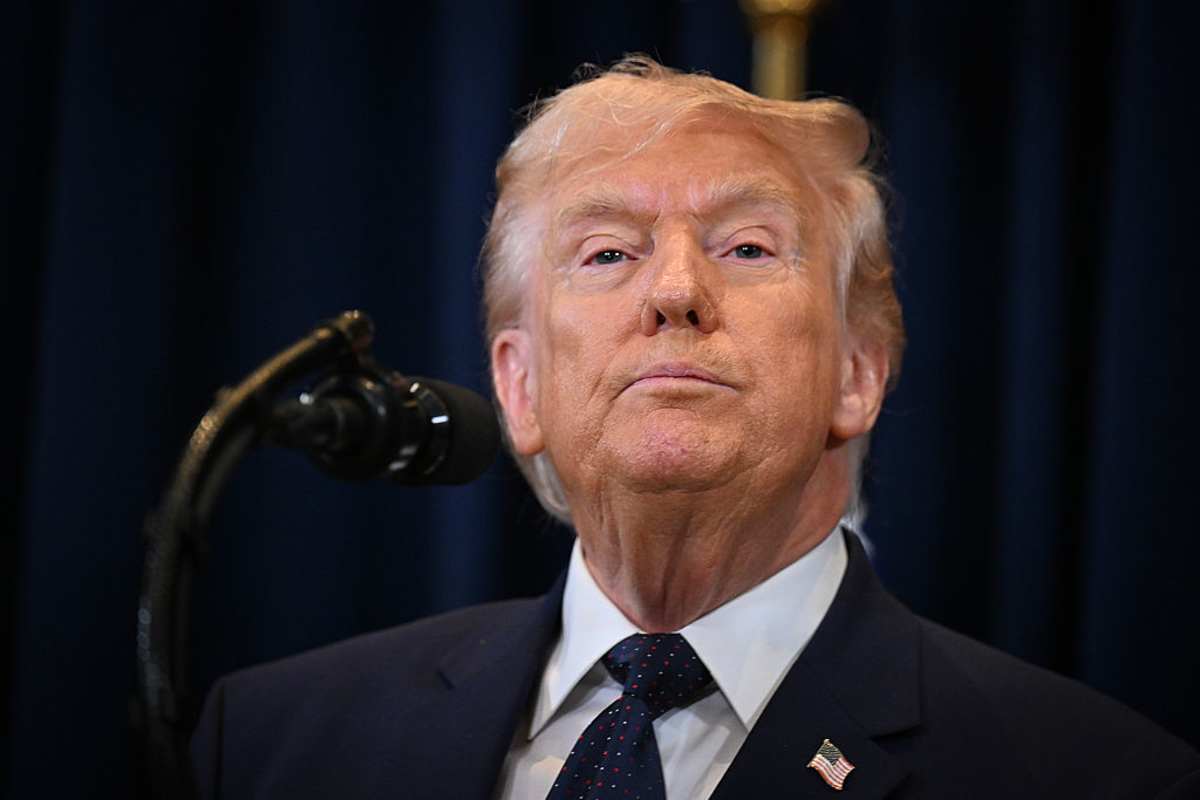
He further explained that the decision was driven by concerns that Iran might attempt to strike the United States first, which he said influenced his push for the offensive.
JD Vance’s previous criticism of US interventions
Before joining the administration, JD Vance had often criticised US military interventions overseas.
In a 2023 opinion piece titled "Trump's Best Foreign Policy? Not Starting Any Wars," written while he was serving in the Senate, Vance argued that leaders from both parties had backed costly and unsuccessful conflicts in Iraq, Afghanistan, Libya, and Syria.
In the article, Vance described then-candidate Trump as a break from the interventionist approach, noting that Trump did not start any new wars during his first presidential term.
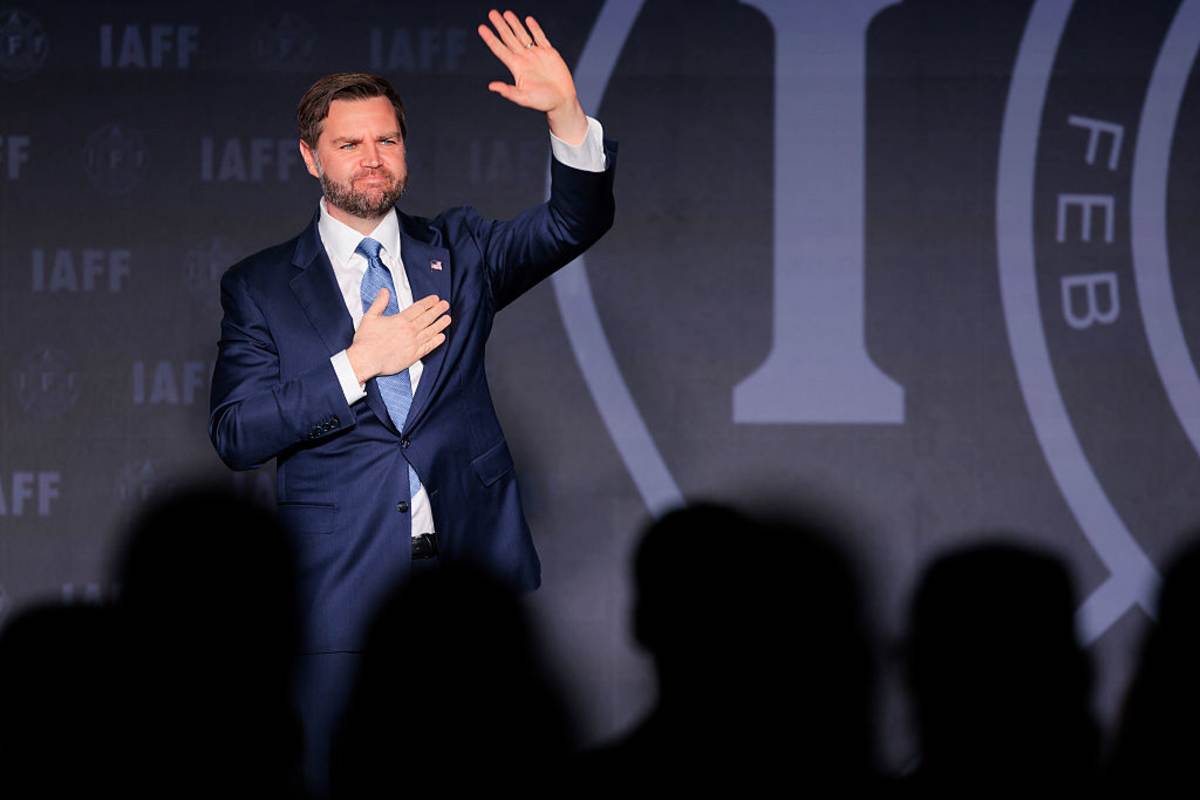
During the 2024 campaign, Vance also voiced concerns about a potential conflict with Iran while speaking with talk show host Tim Dillon.
"Well, I mean, a couple of principles, right? So, obviously, you know, Israel has the right to defend itself, but America's interest is sometimes going to be distinct, like sometimes we're gonna have overlapping interests, and sometimes we're gonna have distinct interests. And our interests, I think very much, is in not going to war with Iran, right? It would be huge distraction of resources. It would be massively expensive to our country," Vance said at the time.
JD Vance supports Trump administration Iran strikes
Since becoming vice president, Vance has publicly supported the administration’s foreign policy decisions, including military actions involving Iran.
During the administration’s first strikes on Iran in June, Vance was present in the White House Situation Room alongside Trump and senior national security officials. He was also part of the team monitoring other military operations, including the US operation to capture Venezuelan leader Nicolas Maduro.
Speaking to reporters in Azerbaijan in February, before the latest US strikes that killed several Iranian leaders, including Ayatollah Ali Khamenei, Iran’s supreme leader, Vance said the administration preferred a diplomatic solution but kept other options open.
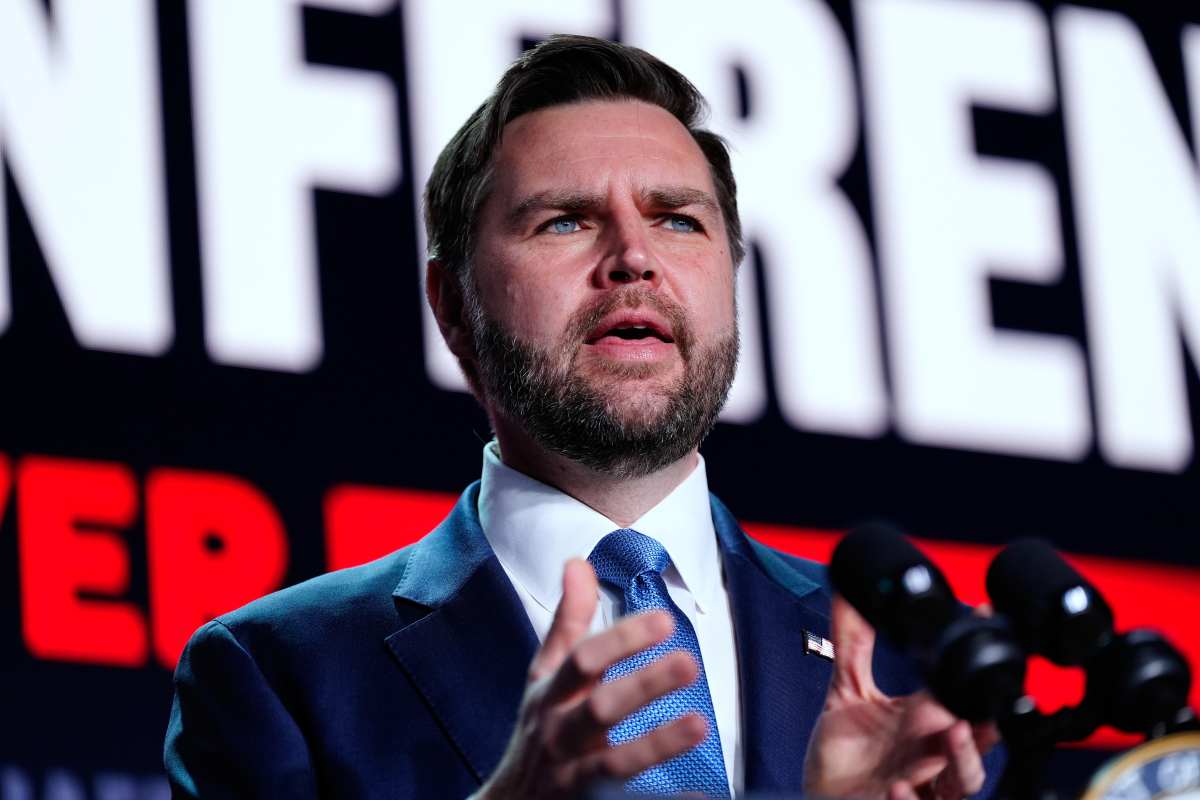
"The president's told his entire senior team that we should be trying to cut a deal that ensures the Iranians don't have a nuclear weapon. But if we can't cut that deal, then there's another option on the table. So, I think the president's going to continue to preserve his options," Vance said in February.
Doubts raised about Iran nuclear program destruction
After the June strikes on Iran, Vance defended the administration’s actions in an interview with ABC News’ Jonathan Karl.
When asked whether the attacks had fully destroyed Iran’s nuclear program, Vance said the operation had significantly damaged it but stopped short of claiming total destruction. He said the strikes had set Iran’s nuclear program back "substantially."
In a separate address to the nation following the operation, Trump said the attacks had "completely and totally obliterated" Iran’s key nuclear enrichment facilities.