Trump signs executive order to lower diesel prices: Could it actually impact Americans’ wallets?
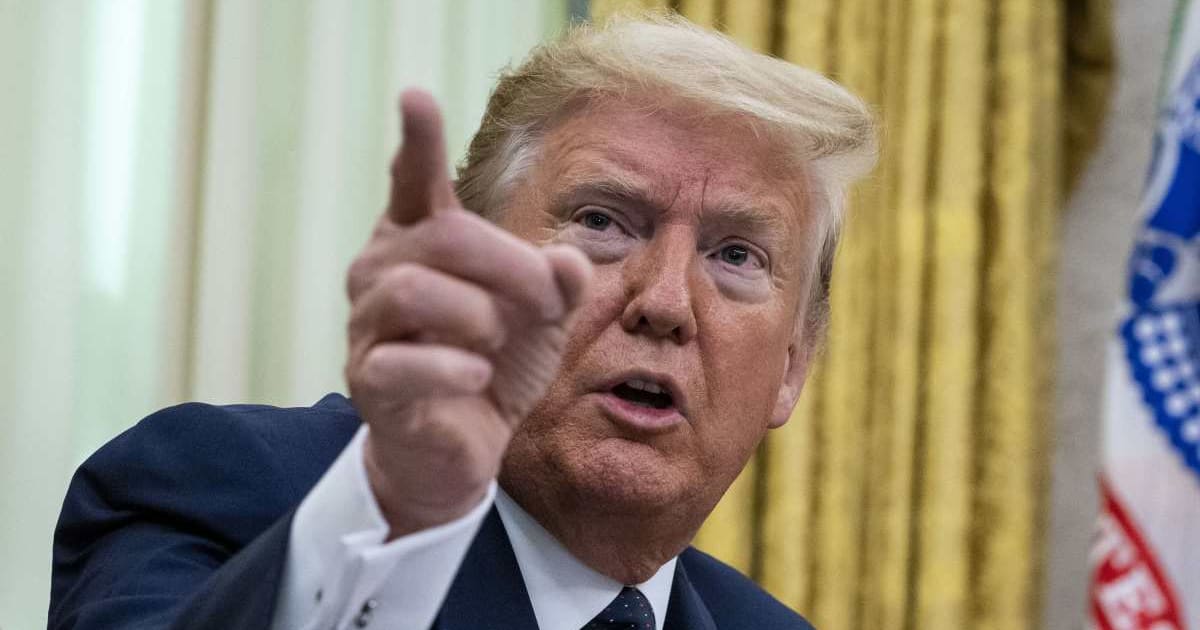
WASHINGTON, DC: President Donald Trump signed an executive order to tackle soaring diesel prices, temporarily lifting rules on the use of cheaper, tax-exempt red-dyed diesel.
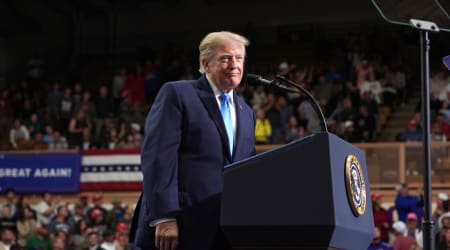
At a campaign stop, he said the order allows anyone to buy tax-free red diesel, regardless of the reason.
Trump also argued that the move would bring down prices on just about everything, including groceries. But the real issue isn’t just whether diesel costs drop; it’s whether everyday people actually feel the savings.
Trump’s red-dyed diesel order explained
Red-dyed diesel is the same fuel as regular on-road diesel, but it contains a dye to mark it for off-road use, such as in tractors, construction equipment, or generators.
🚨 BREAKING: President Trump has just signed a HISTORIC executive order WAIVING the offroad requirement for red-dye diesel LET'S FREAKING GO!!!! ANYONE can purchase TAX-FREE DIESEL for red-dye for ANY REASON. This is a GODSEND for ALL FARMERS! "I'm going to sign this. Joe Biden couldn't do, sign my signature. So, yes, I just did something yhat Joe Biden was incapable. He could not sign. He only used auto pens." "Look at that. Isn't that nice?!" This is a TOTAL GAMECHANGER for American farmers!
— Nick Sortor (@nicksortor) October 6, 2026
It’s usually cheaper because it isn’t subject to the federal 24.4-cents-per-gallon highway tax.
Trump’s new order throws out the old off-road-only rule for now and allows people to use dyed diesel on highways without worrying about that tax or any penalties through the end of 2026.
The Treasury Department now has to look for ways to make that tax break permanent, while the Transportation and Agriculture departments will work to make the fuel easier to obtain, possibly by encouraging states to pause their own diesel taxes.
Even before this federal order, at least 10 states, covering about a third of the country’s diesel sales, had already moved to open up dyed diesel for highway use.
Diesel prices jumped from $3.76 a gallon before the war in Iran to a record $6.53 in late September, according to AAA.
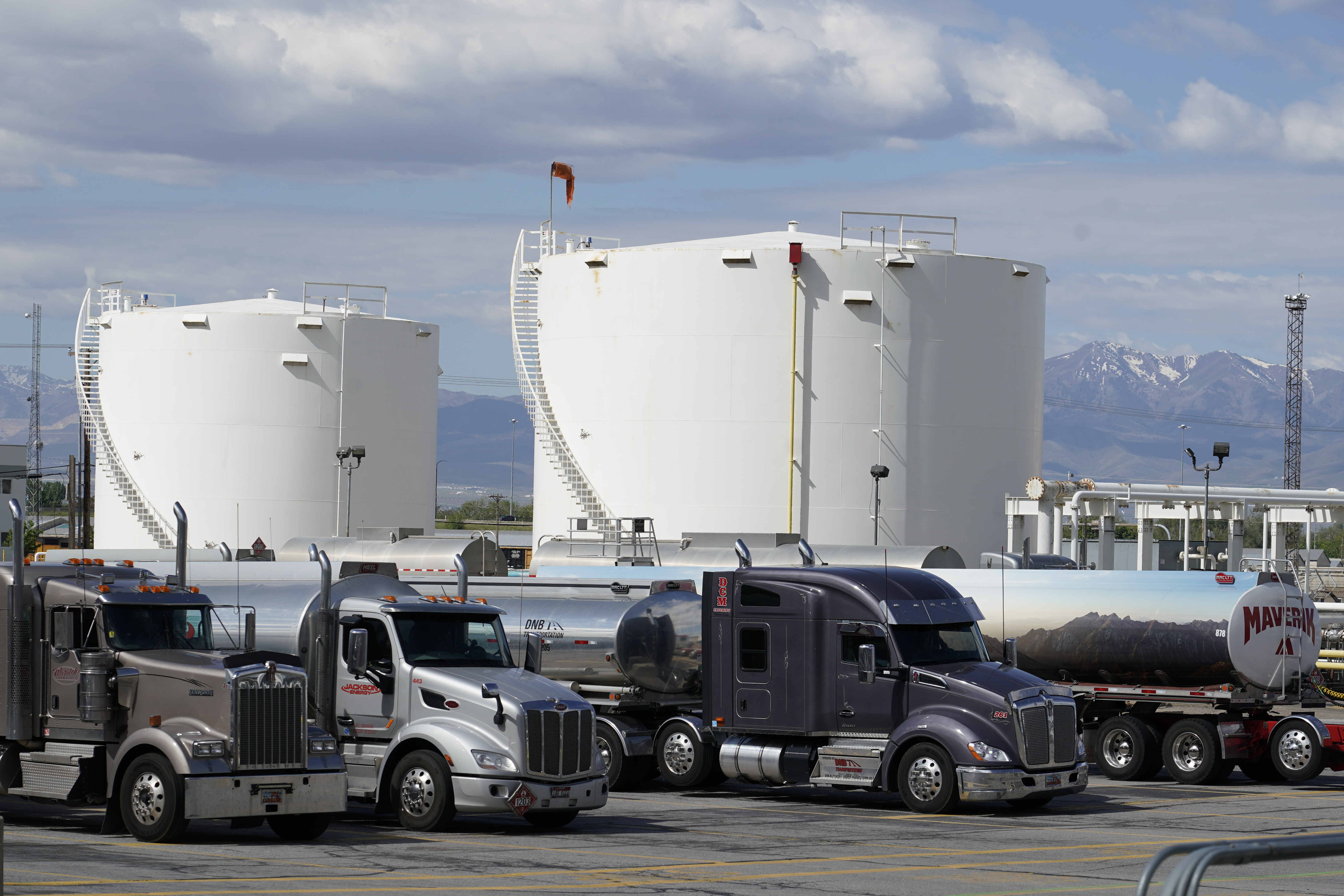
That’s the biggest annual percentage jump since AAA started tracking these numbers in 2000.
Trump claimed his order would save the average trucker more than $100 every time they fill up, a figure that aligns with the per-gallon tax savings for a large tank. Still, nobody knows how long this order will actually remain in effect.
Diesel prices and shipping costs explained
The order focuses on diesel, not gasoline, so drivers filling up regular cars won’t see much difference. But diesel powers about three-quarters of the 17 million commercial trucks on American roads.
That’s a lot of freight moving across the country, and for trucking companies, fuel makes up around 21% of their cost per mile, according to industry data.
Diesel prices and trucking costs usually rise and fall together. Since 2004, diesel prices have explained nearly half of the changes in the truck transportation producer price index.
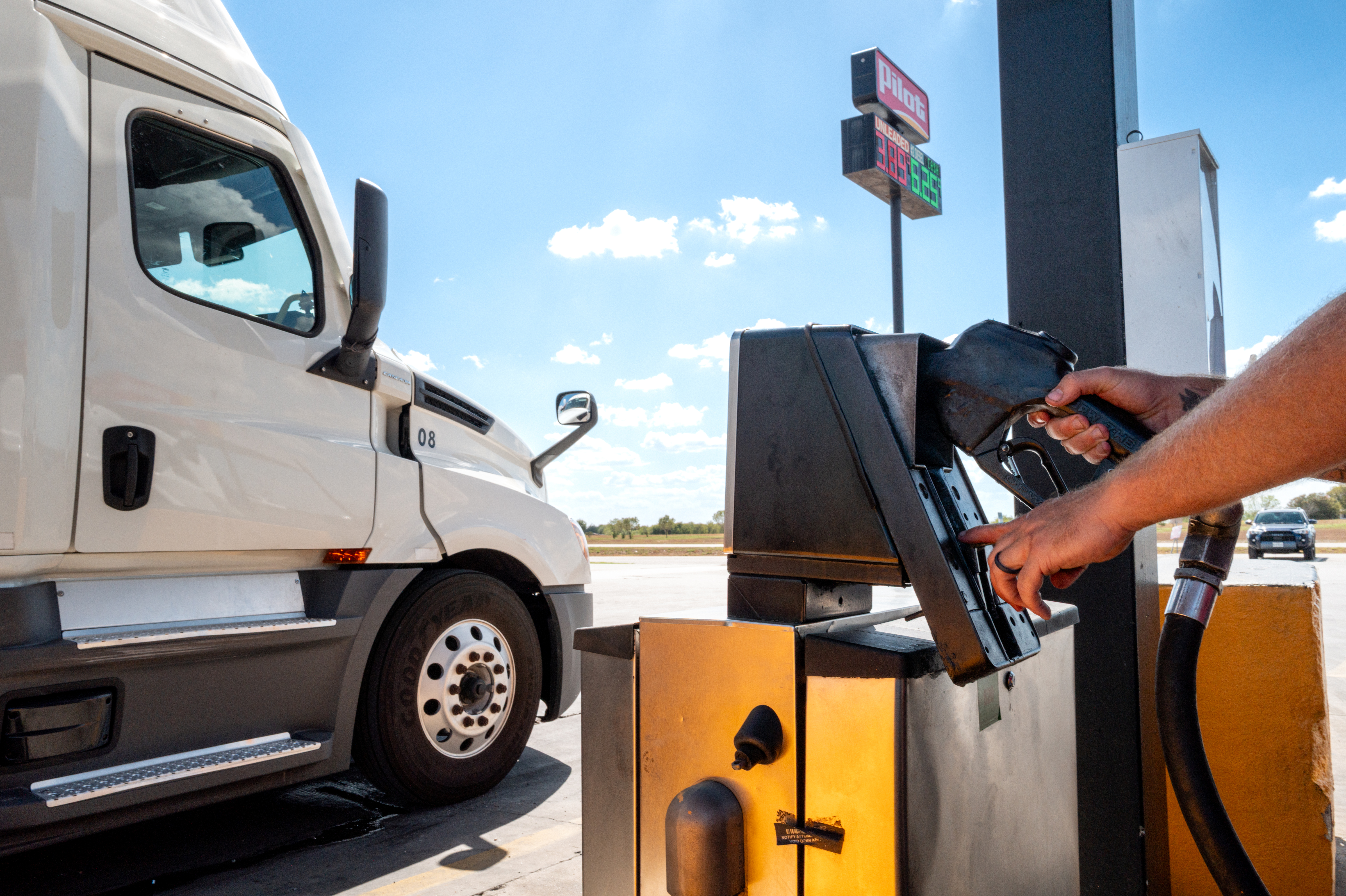
If diesel gets cheaper, shippers and consumers can expect lower freight and delivery rates over time.
But there’s a catch: many trucking companies already charge hefty fuel surcharges, sometimes as high as 45%. For shipping rates to drop, those surcharges have to come down too.
Will cheaper diesel lower grocery prices?
Nearly all the food you see in US grocery stores travels part of the way by diesel truck. When diesel prices jump, shoppers notice at the register, but when costs drop, prices don’t fall as quickly.
“It’s going to be gradually working its way into prices,” says David Ortega, a food economist at Michigan State University. He points out that produce and other perishables usually react to fuel price changes more quickly than boxed or canned goods.
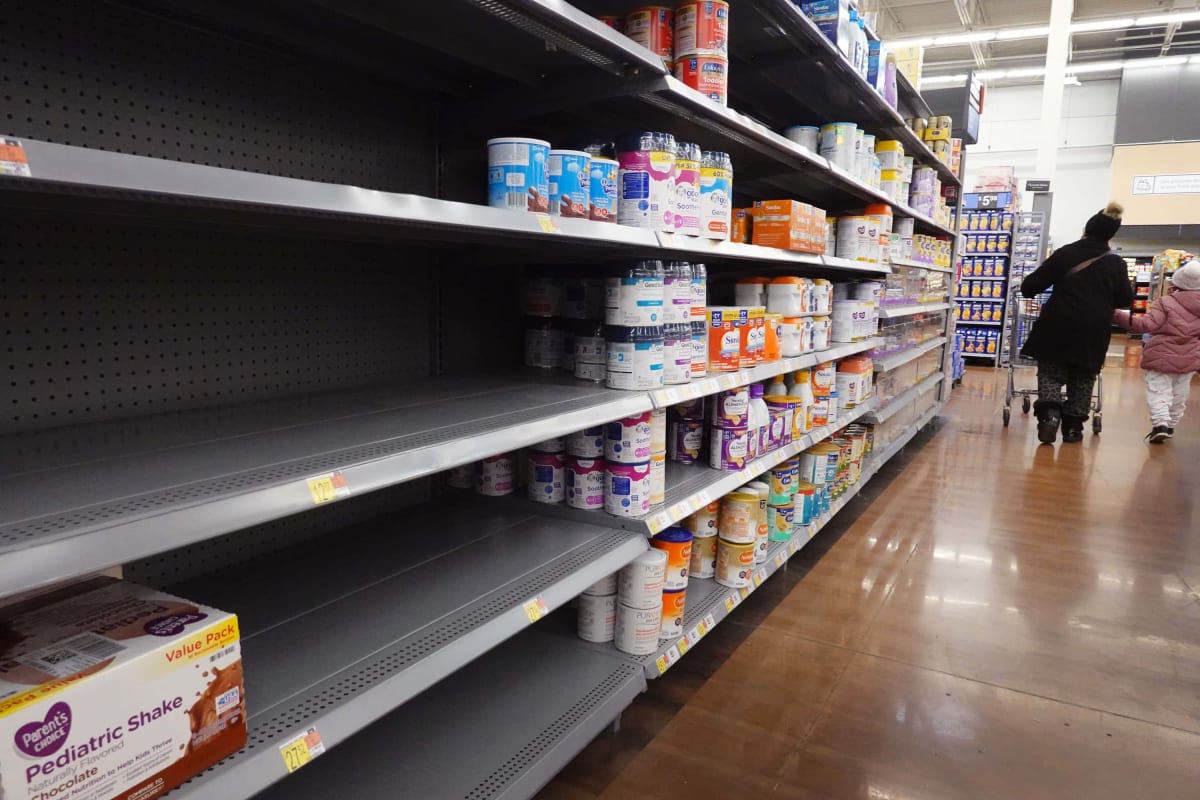
Still, Ortega warns that transportation makes up less than 10% of what you pay for everyday items such as bread or apples.
Even if stores passed every penny of a diesel price cut onto customers, you wouldn’t see your grocery bill plummet.
The Christian Science Monitor reported that if fuel costs climb by 10% to 15%, retail food prices typically go up by just 2% to 4%.
The math flows the other way, too: if diesel gets much cheaper, food prices might edge down, but don’t expect a perfect match. The effect is real, but it’s not dramatic.
Why diesel savings may not reach consumers
A few things stand in the way of any real, immediate benefit. First, the tax break won’t last; it only runs until the end of 2026.
And even while it is in effect, it simply puts off the federal tax bill rather than eliminating it, unless Treasury steps in with something more permanent.
That leaves companies guessing about whether to change their prices. Retailers, trucking firms, and food companies raised prices or added fuel surcharges when diesel costs surged, but there’s nothing forcing them to roll those charges back when prices drop, especially if they were losing money before.
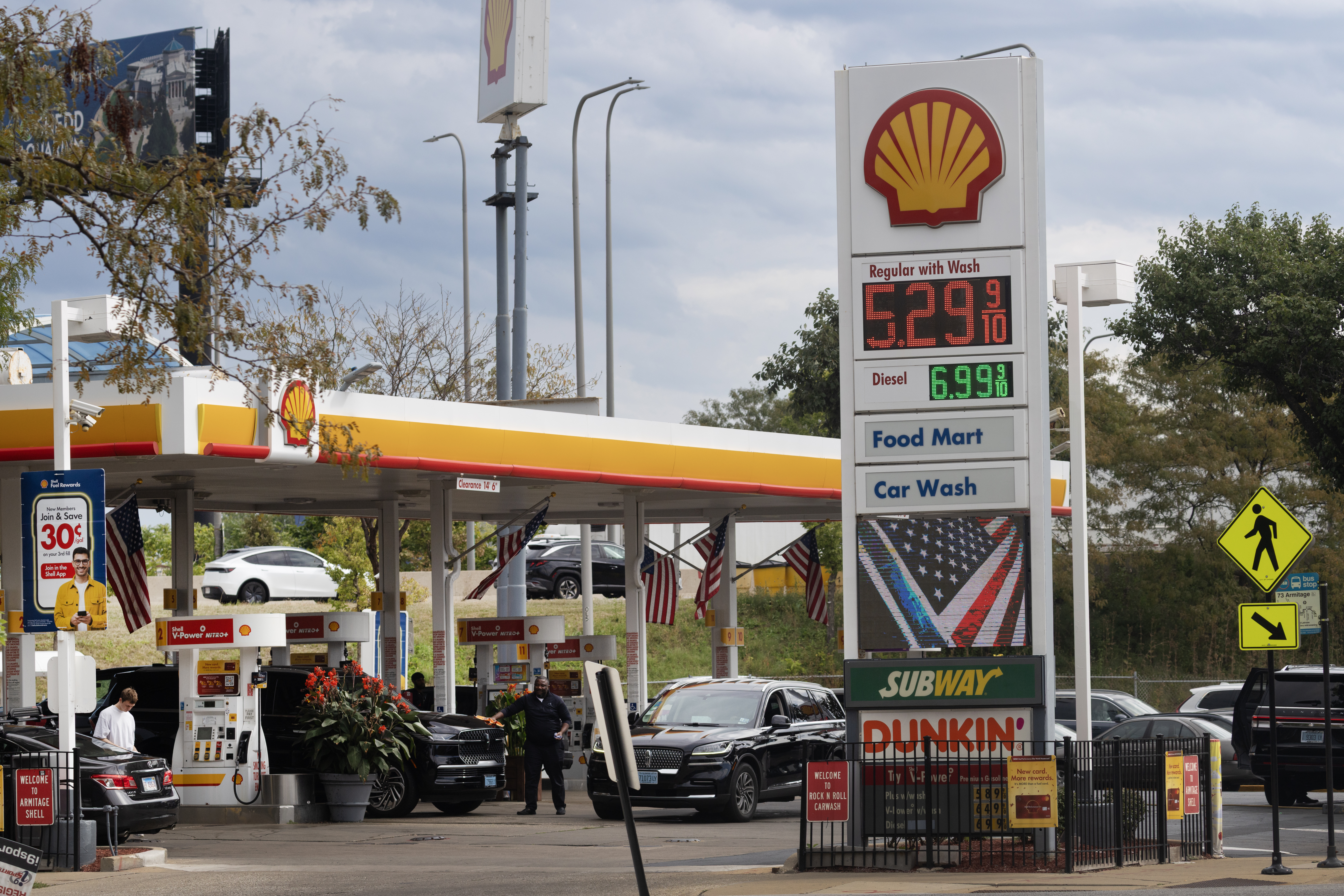
Plus, when it comes to diesel, we almost never see the full tax cut passed on to consumers.
Research from Europe shows diesel prices usually change nearly dollar-for-dollar with tax cuts, but for other fuels, only 40% to 80% of the savings make it to the customer.
On top of that, the main reasons diesel prices soared, such as the war in Iran and Russia’s cutbacks in refining, are still in play and far beyond the reach of this policy. So, even with the tax deferral, global supply problems are likely to keep prices high.
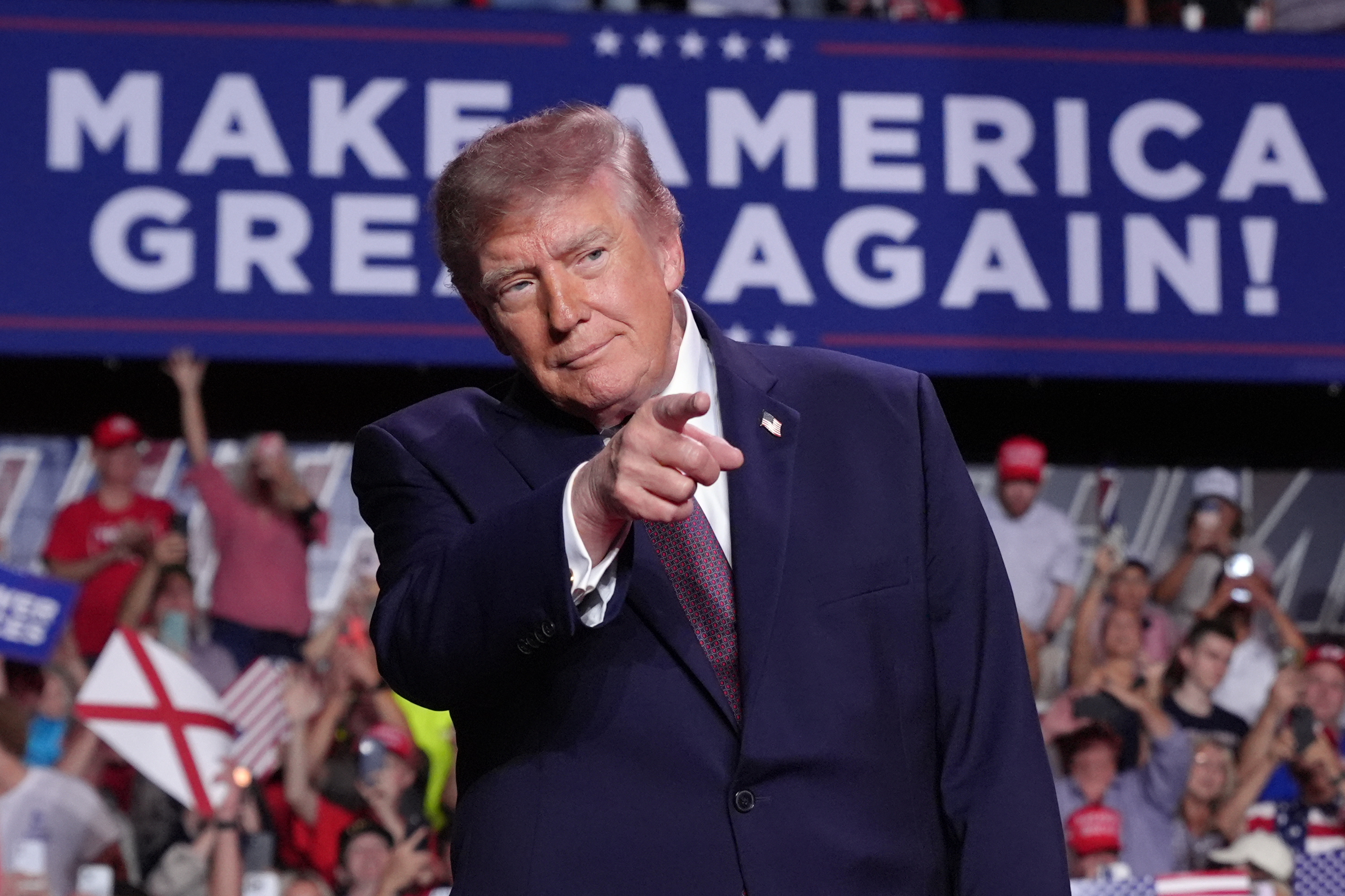
Trump himself suggested the measure was meant to be short-lived, saying at the signing, "we're not going to need it long, I hope, we're not going to need it long because your prices are plummeting."