Trump blames ‘Blue States’ for soaring gas prices as he declares Hormuz is no longer the culprit

WASHINGTON, DC: President Donald Trump is shifting his argument over high gasoline prices toward US refinery capacity, saying the Strait of Hormuz is no longer the main driver as more crude moves through the waterway.
“What's driving up Gasoline is no longer the Strait of Hormuz, because Record Numbers of Barrels are coming out now on an almost daily basis, but the word, "Refineries," where Russia's are being blown up by Ukraine, and where ours are being closed up, in Blue States…” https://t.co/elBRJwgiZH
— The White House (@WhiteHouse) October 5, 2026
In a Truth Social post Monday, October 5, Trump said “record numbers of barrels” were coming out of Hormuz and pointed to refineries being closed in “Blue States, like California, by the Democrats.”
His comments came as Brent crude remained above $100 a barrel and US drivers continued facing elevated fuel costs amid disruptions linked to the Iran and Ukraine wars.
Trump shifts gas blame to refineries
Trump specifically contrasted recovering crude flows with the condition of refineries, saying gasoline prices were now being affected by facilities “being closed up” in Democratic-led states.
His post also pointed to Ukrainian attacks on Russian refineries as another factor affecting fuel markets.

The timing is notable because crude shipments through Hormuz have recovered sharply from the worst phase of the conflict.
Earlier reports stated that the seven-day average flows reached 14.2 million barrels per day on Sept. 26, nearly 80% of prewar levels.
Middle Eastern exports also exceeded prewar levels on several days during the final week of September.
California closures tighten regional supply
California does face a documented refinery-capacity reduction.
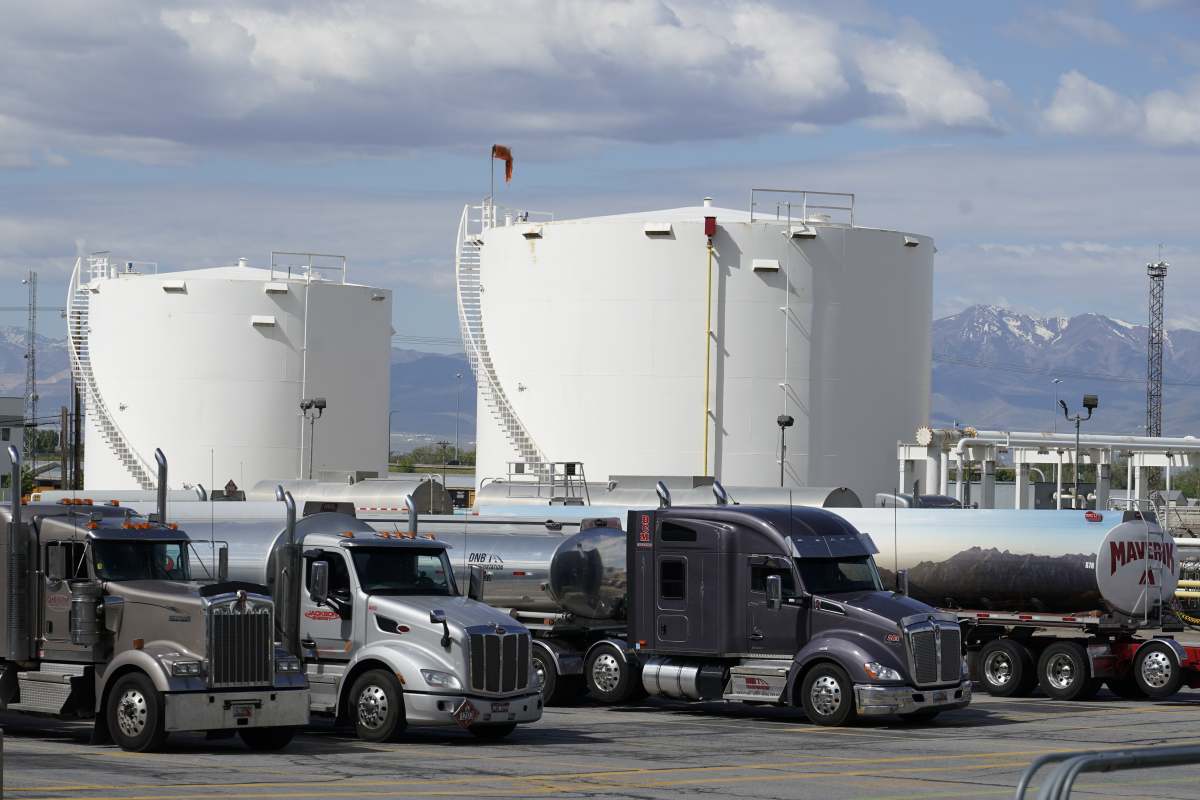
The US Energy Information Administration said two planned closures were expected to remove about 17% of the state's refining capacity over 12 months, which are Phillips 66's 139,000-barrel-per-day Wilmington refinery and Valero's 145,000-barrel-per-day Benicia refinery.
California's fuel market is unusually sensitive to refinery disruptions because relatively few plants produce the state's required gasoline blend.
The state's Energy Commission currently lists Marathon's Los Angeles refinery, Chevron's El Segundo and Richmond facilities, and PBF's Torrance and Martinez plants among its major gasoline-producing refineries.
Hormuz flows recover, costs persist
More crude moving through Hormuz has not translated into an immediate return to normal fuel prices.
Reports from Monday indicated that tanker rates, insurance expenses and limited refining capacity remain major pressures.
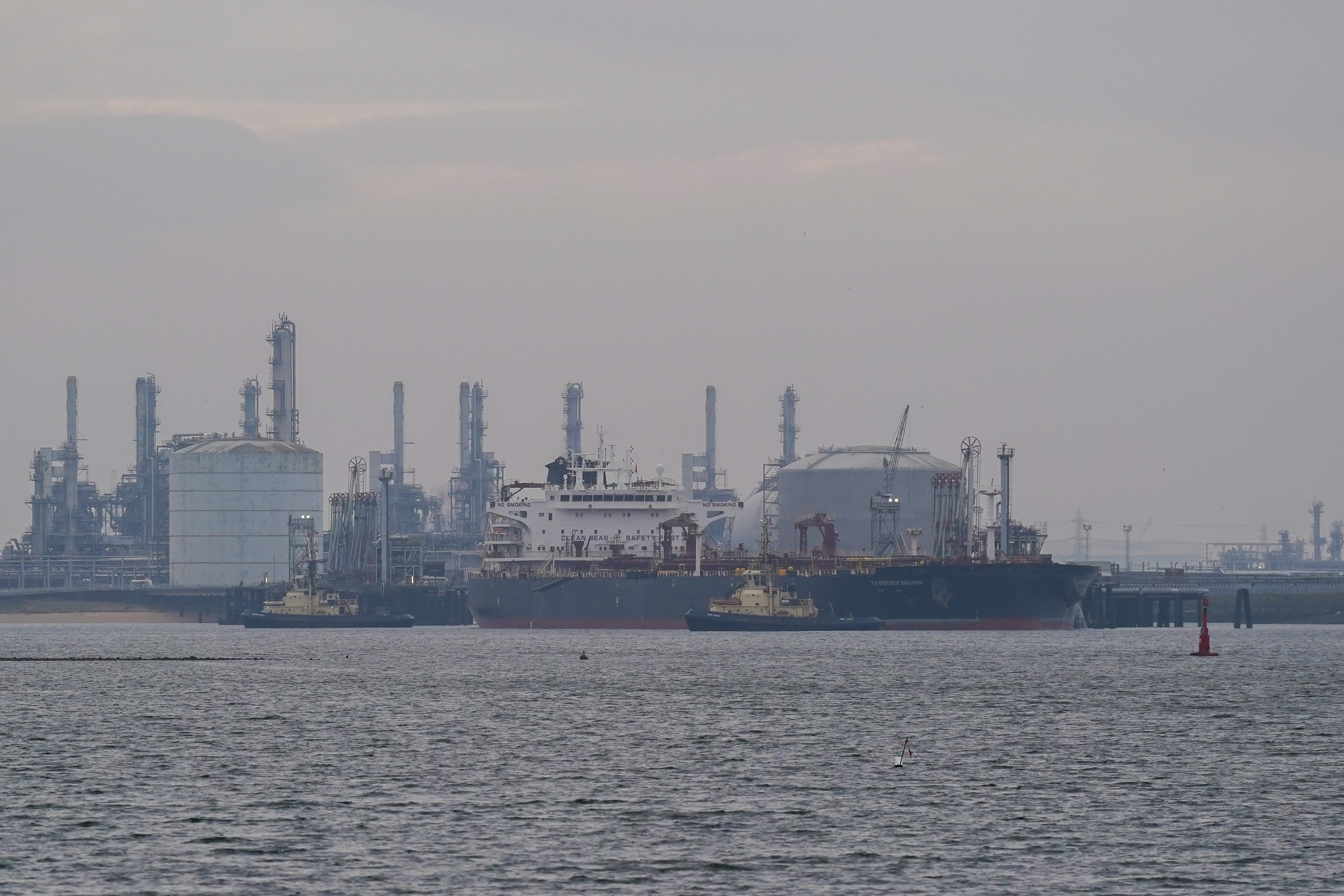
Brent remained above $100 a barrel, while the global refining system faced shortages, particularly for diesel.
Crude must still be transported, processed and distributed before it becomes gasoline or diesel.
That means recovering oil shipments can ease one supply pressure while refinery closures, transportation costs and other disruptions continue to keep fuel prices elevated.