Hegseth put on spot over military leadership cuts as GOP senators question political influence

WASHINGTON, DC: Defense Secretary Pete Hegseth is once again facing pushback from GOP colleagues, this time for his decision to cut 20 per cent of military leadership positions.
Hegseth has faced criticism from GOP leaders over several issues, including his Iran war policy and troops’ extended deployment in the Middle East.
GOP colleagues question Hegseth's military leadership cuts
Key Republican Senators have voiced concern over Pentagon Chief Pete Hegseth’s decision to reduce military leadership positions by 20 per cent, expressing apprehension that political or ideological views could be at the root of the decision.
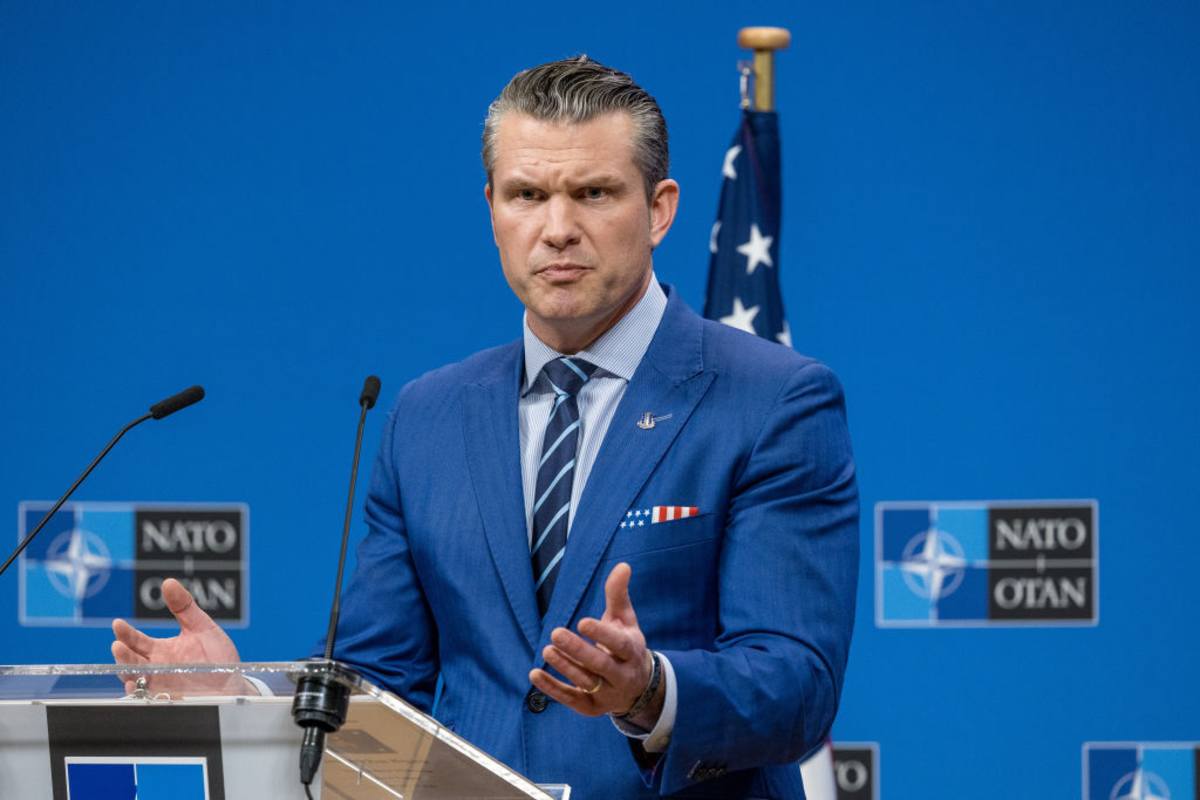
Senator said they were blindsided by the announcement and voiced concerns about the lack of consultation with Congress.
Republicans are questioning whether too many experienced and highly qualified generals and admirals are being pushed out for political reasons and what impact the move could have on military readiness in the future.
“I wouldn’t have made that a priority if I had been asked,” said Senate Armed Services Committee Chair Roger Wicker (R-Miss), who said he was only informed of the 20 percent reduction shortly before it was announced.
“I didn’t get a long lead,” he said when asked if he got a heads up before Hegseth’s announcement Wednesday, Sept 30.

Wicker didn’t have many details about the significant reduction in senior ranks. “I think he’s probably interested in cutting out bureaucracy at the top level,” he speculated.
Collins says people of color were disproportionately pushed out
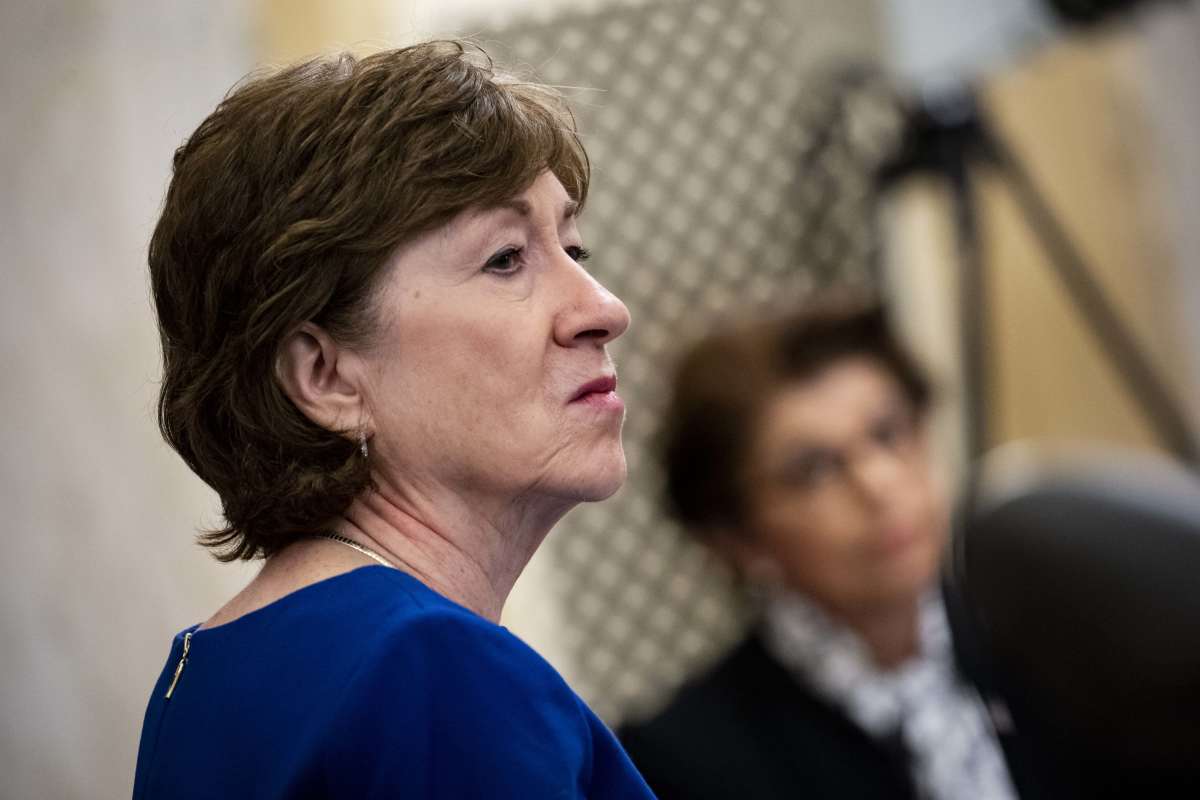
Senate Appropriations Committee Chair Susan Collins (R-Maine) said she didn’t get advance notice of the steep reduction in military leadership ranks.
On Wednesday, Sep 30, Collins reiterated her argument that “our system for promoting officers has always been an example of one of the greatest meritocracies that we have.”
“I think that we should adhere to a system that has served us well,” she said. “There may be a need to reduce the overall number of flag officers at the Pentagon, but this approach seems to be targeted on ideology.”
She noted that earlier this year she told Hegseth that his ouster of senior officials was “deeply troubling” and risked “depriving us” of the “talent, dedication and patriotism” of women and people of color who were disproportionately pushed out.
Hegseth not consulting with GOP leaders is a troubling trend
GOP senators say Hegseth’s lack of consultation is a troubling trend of making big decisions with little or no input from key members of Congress, or without giving lawmakers sufficient advance notice.
“Too much time has passed, and he’s failed to respect Congress. He’s never really given us fulsome briefings,” said Sen. Thom Tillis (R-NC), who served eight years on the Senate Armed Services Committee.
“When you’re the head of the Department of Defense or any agency, you at least engage your committees,” he said.
“When you hear Sen. Wicker and other people express frustration — we’re his stakeholders. We control his purse strings, and he’s almost treating us like we’re some line workers down in the manufacturing facility that he doesn’t want to spend time with.”
“It’s a huge problem, and I think he’s the face of the problem,” he said.

Are promotions or dismissal based on identity politics?
While GOP senators have questioned whether identity politics or ideological and political views might have contributed to the disproportionate dismissal of women or people of color, a Pentagon official dismissed such claims.
“It is untrue that Secretary Hegseth is basing promotion decisions on race and sex, and we have said so repeatedly,” the official told The Hill.
Hegseth last week defended the reduction in senior officers’ ranks as promoting “accountability” and being “long overdue.”
“You can’t change a culture with the same people who enabled it. Personnel is policy at every single level,” he declared at the State of the Force address at the Marine Corps Base in Quantico, Va., and confirmed a 20 percent reduction in generals and admirals “across the board.”