‘Zero evidence’: Rubio dismisses concerns that ‘nefarious actors’ played a role in recent outages
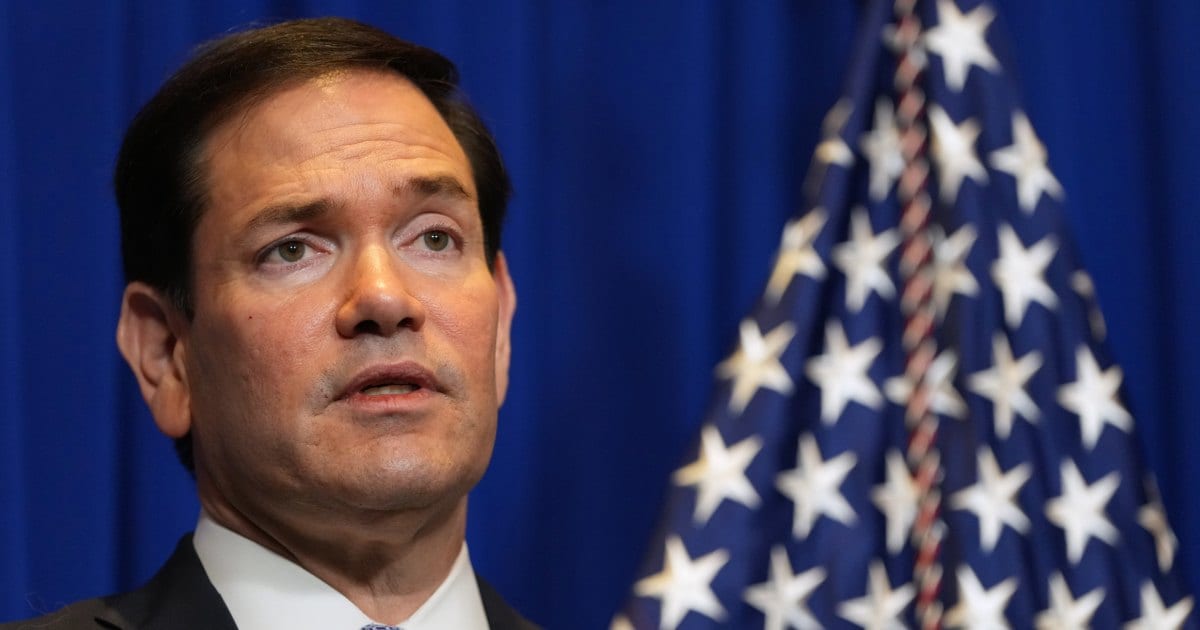
MANILA, PHILIPPINES: Secretary of State Marco Rubio said on Tuesday, November 17, that the Trump administration had found “zero evidence” linking a series of recent technology and infrastructure outages across the country to cyberattacks, foreign governments or other malicious actors.
Speaking to reporters in Manila while travelling with President Donald Trump, Rubio said the disruptions affecting airlines, banks, Microsoft services and government communications networks were unrelated. His remarks came as the White House faced growing criticism over its response to the outages and questions about the security of critical US technology systems.
Rubio says Microsoft, FAA and banking outages are unrelated
Rubio said the administration had no indication that the separate incidents were connected or part of a coordinated attempt to disrupt US infrastructure.
“The first thing I want to make very clear is that we have zero evidence whatsoever, we have no indication, no evidence, and no reason to believe at all that any of these incidents are related to each other,” Rubio said.
.@SecRubio: "We have no indication, no evidence, and no reason to believe at all that any of these incidents are related to each other... We have zero evidence or any reason to believe that any of these isolated or individual instances have anything to do with nefarious actors." https://t.co/RjaeNBsVyk
— Rapid Response 47 (@RapidResponse47) November 18, 2026
The Republican then added that “we have zero evidence or any reason to believe that any of these isolated or individual instances have anything to do with nefarious actors, with cyber hackers, with criminals, with another nation state, with a malign actor of any kind.”
Rubio specifically pointed out that the Microsoft disruption had no connection to the Federal Aviation Administration outage, which was also unrelated to the banking disruptions reported days later.
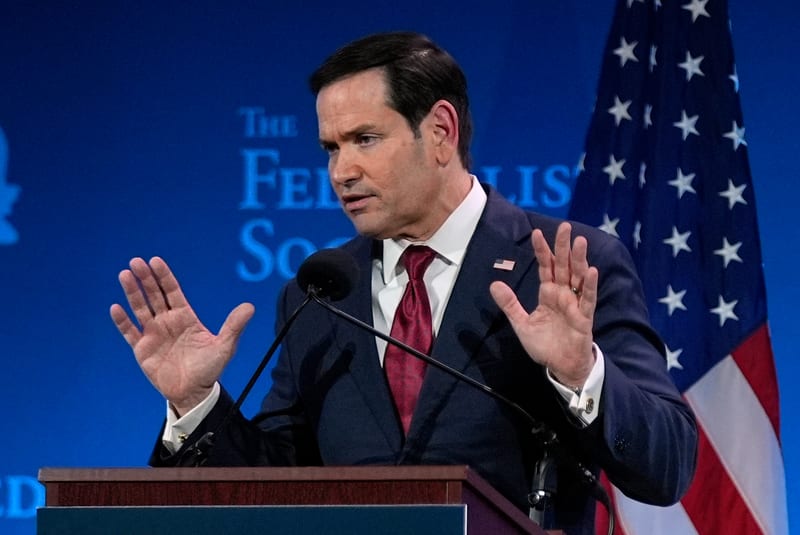
"The Microsoft incident has nothing to do with what we saw with the FAA. The FAA has nothing to do with what we saw with the banks a few days ago. These issues that we've seen from a technical standpoint are completely unrelated one from another," he said.
Intelligence officials deny cyberattack amid questions over US outages
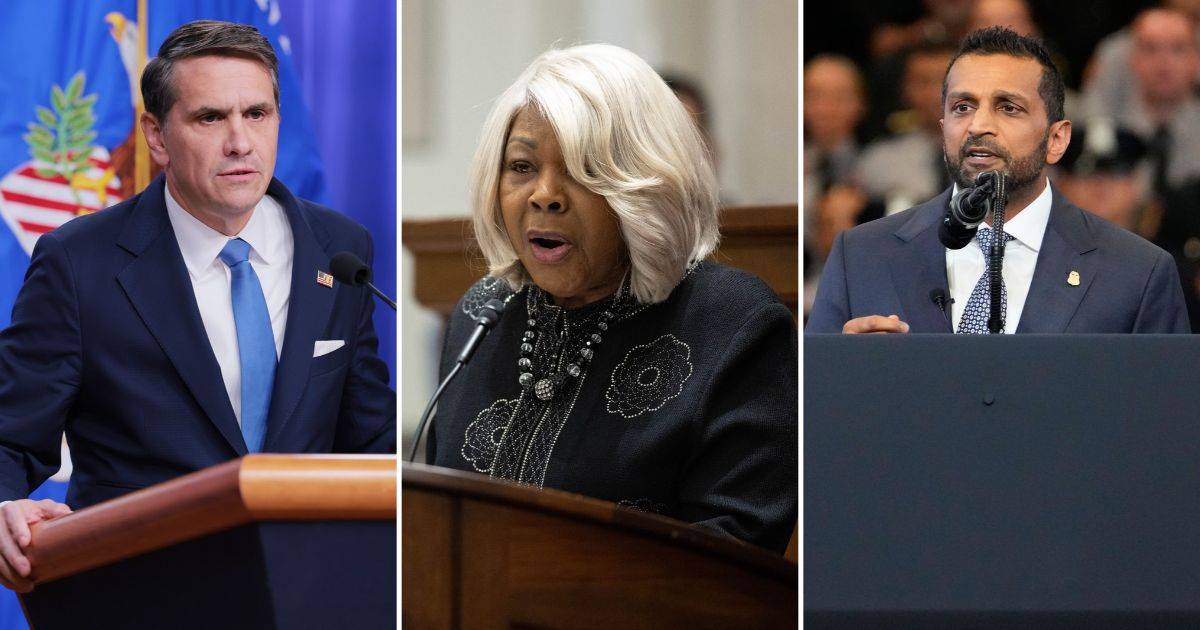
Director of National Intelligence Jay Clayton also rejected suggestions that the incidents were the result of a cyberattack. In an interview with Fox News, Clayton said officials were examining disruptions across different systems but had not identified a coordinated attack.
Clayton suggested that organizations carrying out security upgrades and system updates could be experiencing unexpected technical problems during the process.
“We do not see the indicia of a coordinated cyber attack and we do not see the indicia of state sponsored activity here.” Jay Clayton addresses concerns over recent technology disruptions on The Claman Countdown, saying there is no evidence of a coordinated cyberattack or state-sponsored activity. Instead, Clayton points to routine system upgrades and software patching as possible explanations for the disruptions. Download the Fox News app or visit https://t.co/rh9QILLljJ for more: https://t.co/slOYj3ae4S
— FOX Business (@FoxBusiness) November 17, 2026
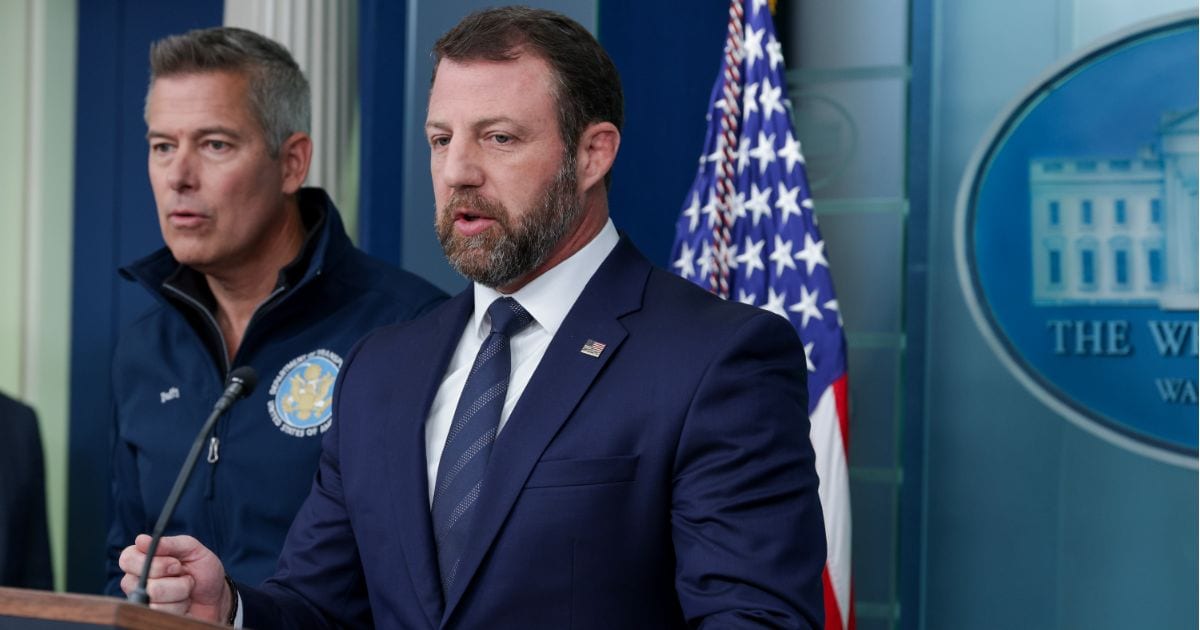
Homeland Security Secretary Markwayne Mullin similarly denied that the country was facing a cyber threat.
"I can tell you with complete certainty that we are not under attack," Mullin told CNBC. "There's no cyber threat that's taking place. The homeland is very secure."
.@SecMullinDHS: "I can tell you with complete certainty that we are not under attack — there's no cyber threat that's taken place." https://t.co/VAJ4wdN2WG
— Rapid Response 47 (@RapidResponse47) November 17, 2026
Democratic Senator Mark Warner, vice chair of the Senate Intelligence Committee, also said there was no indication that the incidents were caused by an attack, but raised concerns about the pressure artificial intelligence was placing on cybersecurity systems.
I understand why Americans are concerned about the widespread outages we’ve seen in recent days, affecting everything from banks and major technology companies to critical government systems. At this point, there is no indication that these incidents are the result of a cyberattack, foreign interference, or some coordinated effort. What appears to be happening instead is a consequence of how quickly artificial intelligence is changing the cybersecurity landscape. AI is making it possible to identify vulnerabilities across enormous numbers of systems at unprecedented speed, creating enormous pressure on companies and government agencies to patch those vulnerabilities immediately, often all at once, putting tremendous strain on systems that weren’t built to handle that pace of change. While we still need to get to the bottom of these incidents, the evidence so far points toward legitimate efforts to secure our systems, not malicious activity. Still, these disruptions should serve as a wake-up call. It feels like every day brings another reminder that AI is moving faster than our ability to manage its consequences. This is exactly why I’ve been pushing for commonsense guardrails on AI and stronger cybersecurity protections. Unfortunately, President Trump has shown little interest in confronting these challenges, his administration has repeatedly undermined its own credibility, and its cuts to CISA have weakened the very expertise we need to navigate moments like this. Americans deserve clear, reliable information and a government that is prepared to respond. I’m going to keep digging into these incidents, pressing for answers, and making sure we’re doing everything possible to protect our critical systems. But based on what we know today, there is good reason to believe these disruptions are the unintended consequences of efforts to make our systems safer, not evidence of a broader attack.
— Mark Warner (@MarkWarner) November 17, 2026
"AI is making it possible to identify vulnerabilities across enormous numbers of systems at unprecedented speed, creating enormous pressure on companies and government agencies to patch those vulnerabilities immediately, often all at once, putting tremendous strain on systems that weren't built to handle that pace of change," Warner said in a post on X.