‘Our airspace is very big’: Sean Duffy defends rejecting Elon Musk’s free Starlink offer for FAA
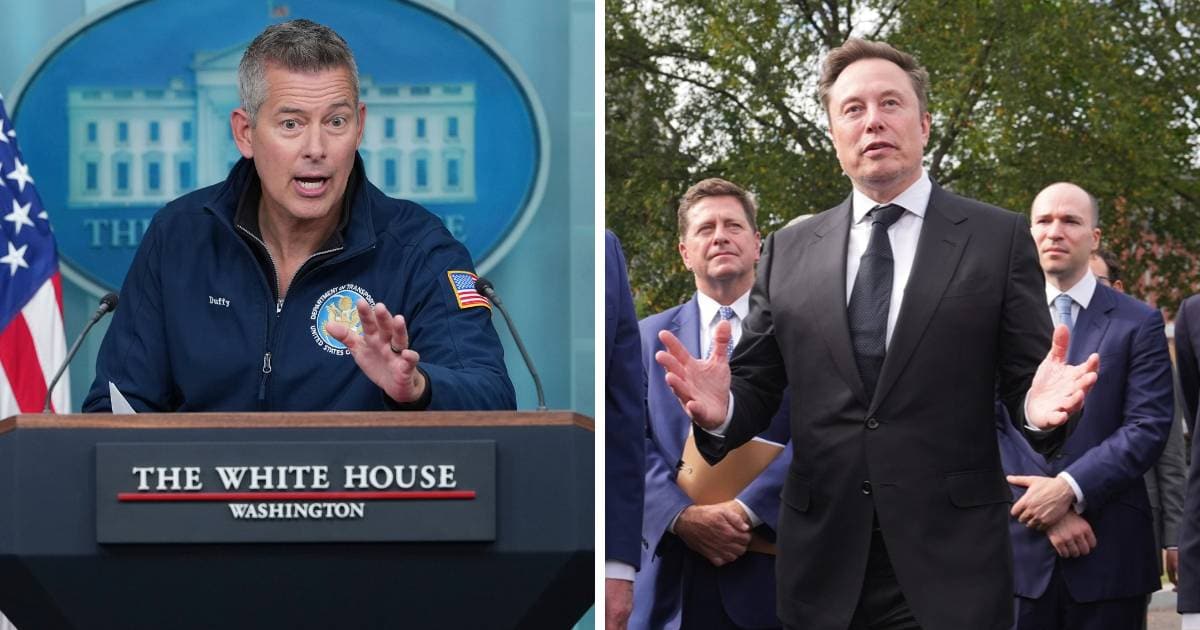
WASHINGTON, DC: A nationwide Federal Aviation Administration ground stop that snarled air travel on November 13 has thrown a sharp spotlight on the agency’s aging technology.
The agency faced further questions as tech giant Elon Musk pointed out that he offered “Free Starlinks” to the Federal Aviation Administration (FAA), but the proposal was turned down by Transportation Secretary Sean Duffy.
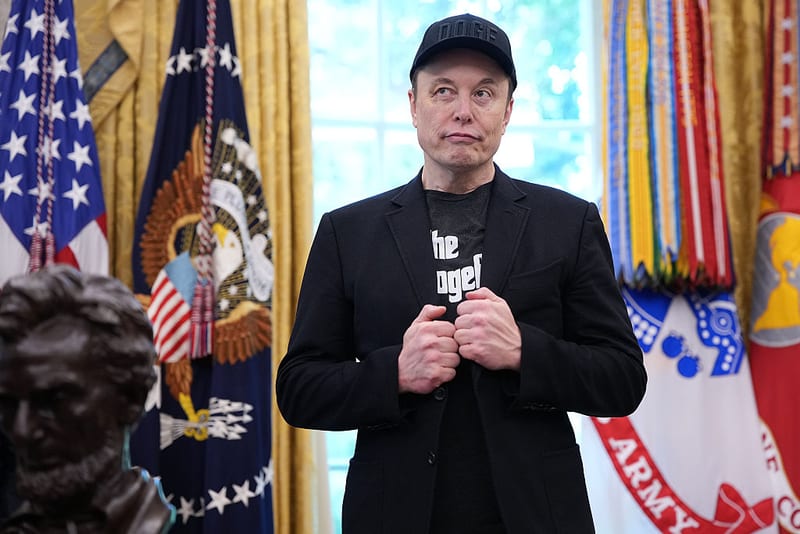
The 55-year-old billionaire, the world's richest man, was building on his February 27, 2025 posts highlighting concerns over the FAA's ageing computer infrastructure, particularly its communication systems.
As I was saying … Free Starlinks for FAA were offered to Sec Duffy, but he said they were not needed. As it turns out, they were.
— Elon Musk (@elonmusk) November 16, 2026
Sean Duffy defends his decision to turn down Elon Musk’s offer
A few days after the FAA issued a rare nationwide ground stop that lasted over four hours, Musk took to his X to note that “Free Starlinks for FAA were offered to Sec Duffy, but he said they were not needed. As it turns out, they were.”
The remarks came nearly a year after Musk responded to a user's suggestion that the FAA was “on the verge of canceling Verizon’s bloated $2.4 billion contract and handing it to Starlink”. The discussion centred on a costly deal to replace the agency's ageing communication infrastructure, originally developed by tech giant L3Harris, which Musk claimed was “rapidly declining in capability”.
Warning of the potential consequences, Musk wrote that the “FAA assessment is single-digit months to catastrophic failure, putting air traveler safety at serious risk”.
To be clear here, the Verizon communication system to air traffic control is breaking down very rapidly. The FAA assessment is single digit months to catastrophic failure, putting air traveler safety at serious risk. The Starlink terminals are being sent at NO COST to the taxpayer on an emergency basis to restore air traffic control connectivity. The situation is extremely dire.
— Elon Musk (@elonmusk) February 27, 2025
He also argued that Starlink could replace the existing infrastructure “at NO COST to the taxpayer”, although he proposed the arrangement as an emergency measure.
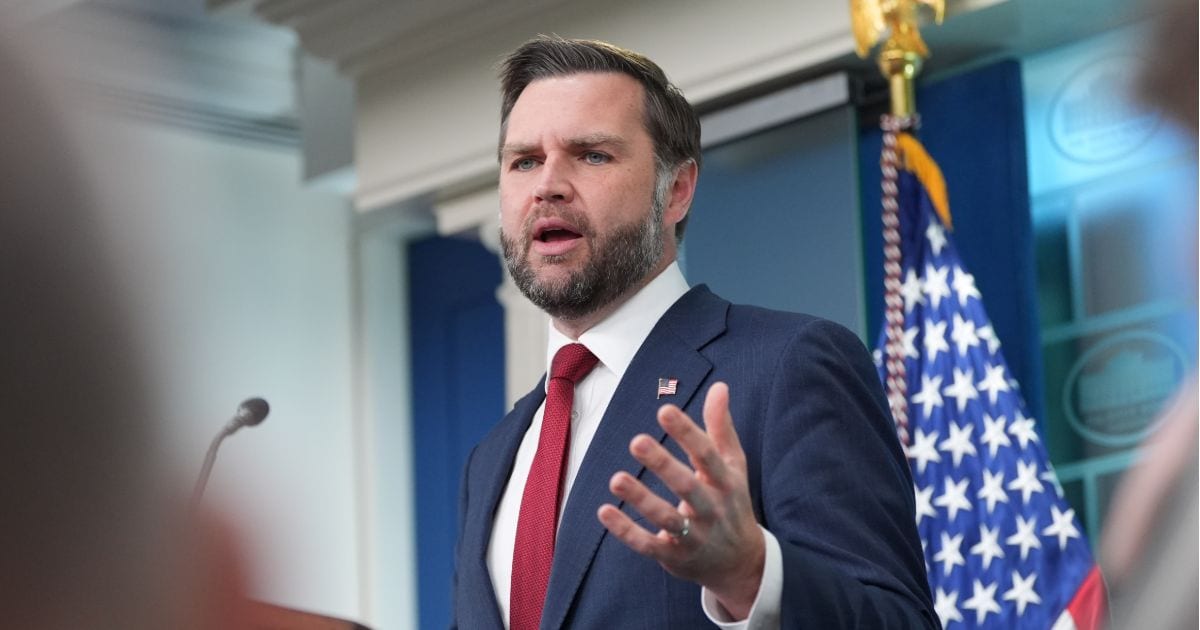
On Tuesday, November 17, Duffy was addressing media when he was asked about Musk’s post, to which he replied "We thought that the best method is to have a network [that's] based on the ground."
"What he's doing with Starlink and the speed is remarkable — but our airspace is very big. We have assets everywhere, and so, we used him for different parts of the airspace,” he added.
🚨 JUST IN: Sec. Sean Duffy RESPONDS to Elon Musk saying he offered the Trump admin FREE Starlink for the FAA, but was turned down "We thought that the best method is to have a network [that's] based on the ground." "What he's doing with Starlink and the speed is remarkable — but our airspace is very big. We have assets everywhere, and so, we used him for different parts of the airspace." Here's what @ElonMusk said: "Free Starlinks for FAA were offered to Sec Duffy, but he said they were not needed. As it turns out, they were."
— Eric Daugherty (@EricLDaugh) November 17, 2026
This isn’t the first time Duffy has publicly opened up about turning down Musk’s offer. In March 2025, he acknowledged Musk’s tech could be “part of the solution,” but it is not the answer.
“It’s not. It’s part of the solution. There are some terminals, like up in Alaska, where it is hard to access fiber wires; it’s mountainous. There are some facilities where Starlink can be helpful, but again, we want to make sure we have fiber-connected systems in place. And so I think it plays some part in it, but not all of it,” he mentioned at that time.
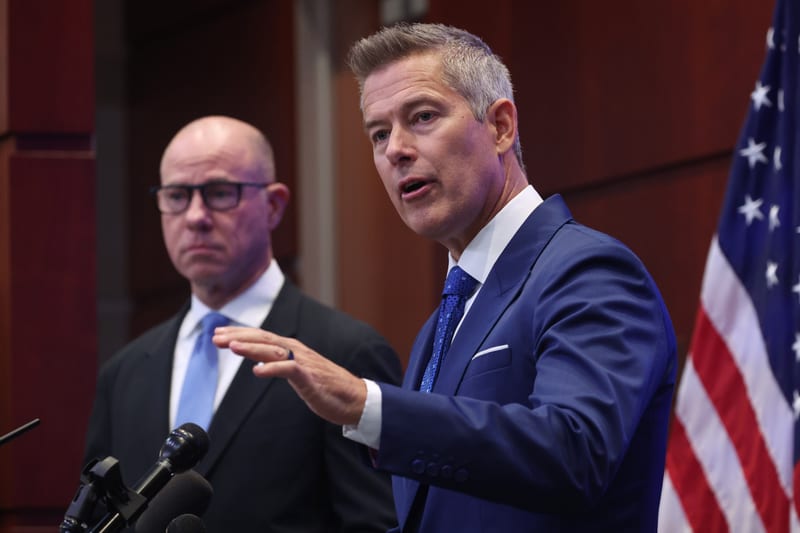
Sean Duffy ties outage to contractor's router
Duffy previously noted that the ground stoppage may have been triggered by a telecommunications line switch, noting that contractor L3Harris had been replacing an older copper wire with a new fiber cable.
On Sunday, the FAA said preliminary findings had identified a router in El Dorado, Arkansas, and a radar facility in Amarillo, Texas, as likely sources of the excessive data traffic that overwhelmed its systems.
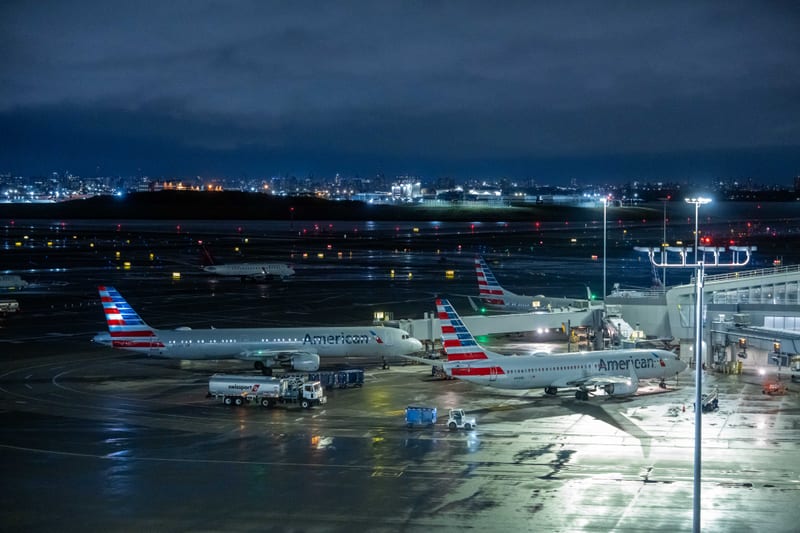
“We are supporting the FAA in its investigation to understand the conditions that led to the Nov. 13 ground stop of our nation’s air travel,” L3Harris, the current network provider for the FAA, said in a statement on Saturday.
“L3Harris takes the nationwide ground stop and its impact on travelers, airlines and air traffic operations seriously,” the statement continued.
Duffy claimed that he cannot cancel the contract with L3Harris, adding, “I want to get away from L3Harris and get to a new one, but they own the network. I can’t cancel the network that they own.”