Why did Dan Sullivan lose Alaska Senate race to Mary Peltola despite Trump winning state in 2024?
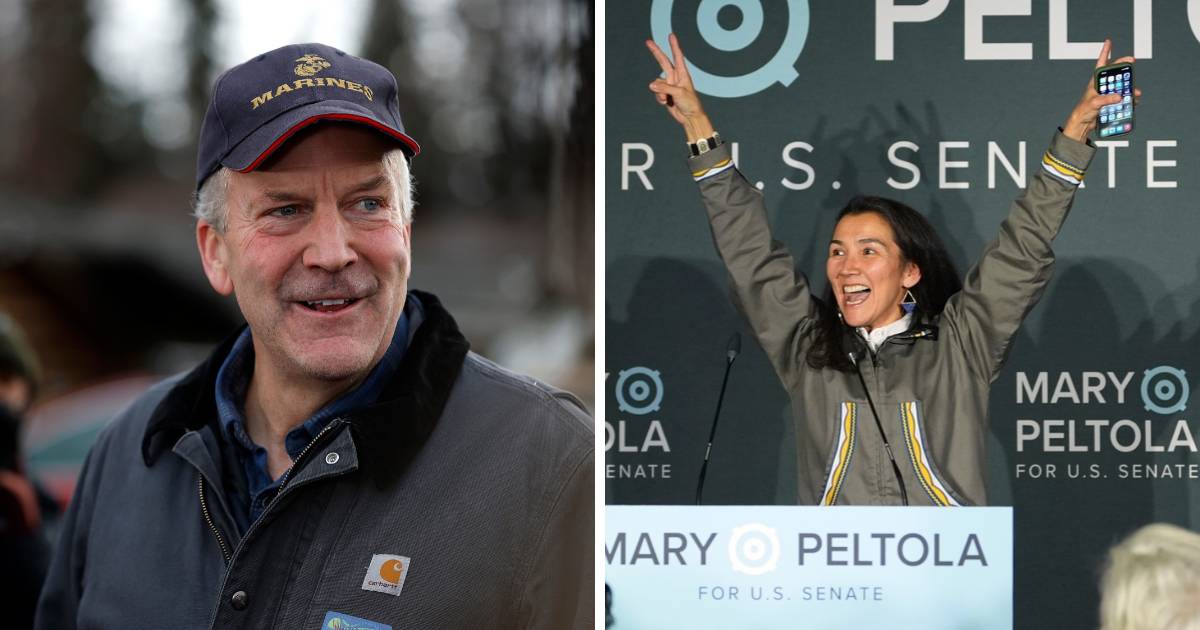
WASHINGTON, DC: When President Donald Trump won Alaska by 13 percentage points in the 2024 presidential election, Republicans had little reason to view the state as a potential electoral liability.
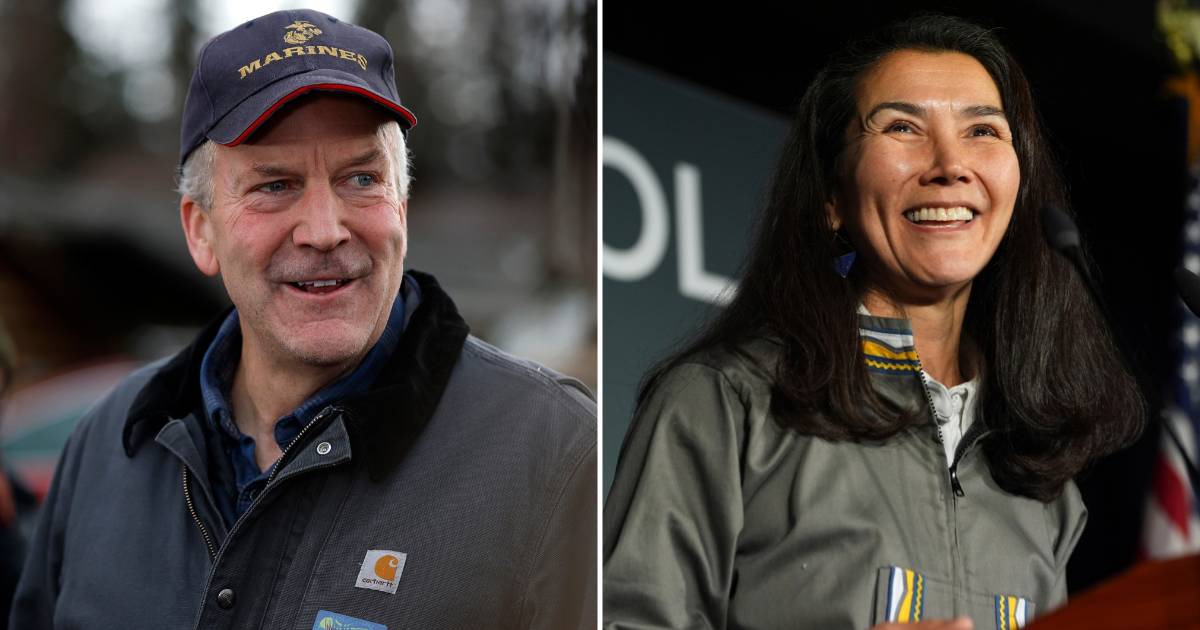
However, two years later, Democrat Mary Peltola defeated Republican Sen Dan Sullivan in a closely watched election marked by rising living costs, a controversial second candidate with the same name as the incumbent, and legal battles over the ballot. Her victory flipped another Republican-held Senate seat, giving Democrats a 56-44 majority in the chamber.
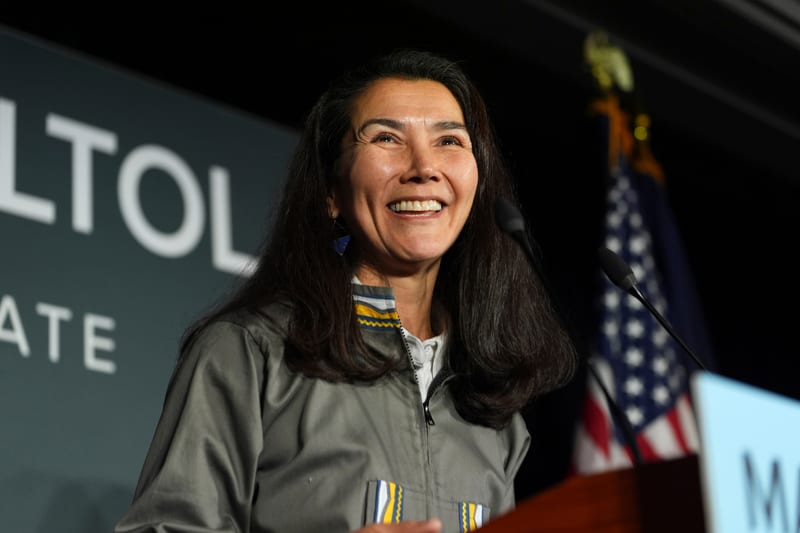
Mary Peltola defeats Dan Sullivan in Alaska Senate race
With nearly all ballots counted, Peltola secured 50.1% of the vote against Sullivan's 45.8%, according to the Associated Press. Her victory marked the first time in 18 years that a Democrat had won a Senate race in Alaska.
Peltola was among Senate Minority Leader Chuck Schumer’s most high-profile recruits for this election cycle. Despite a major Republican effort to shore up Sullivan's campaign and controversy surrounding her campaign's alleged involvement in recruiting another candidate with a similar name, she managed to flip a state Trump had won by 13 percentage points in 2024.
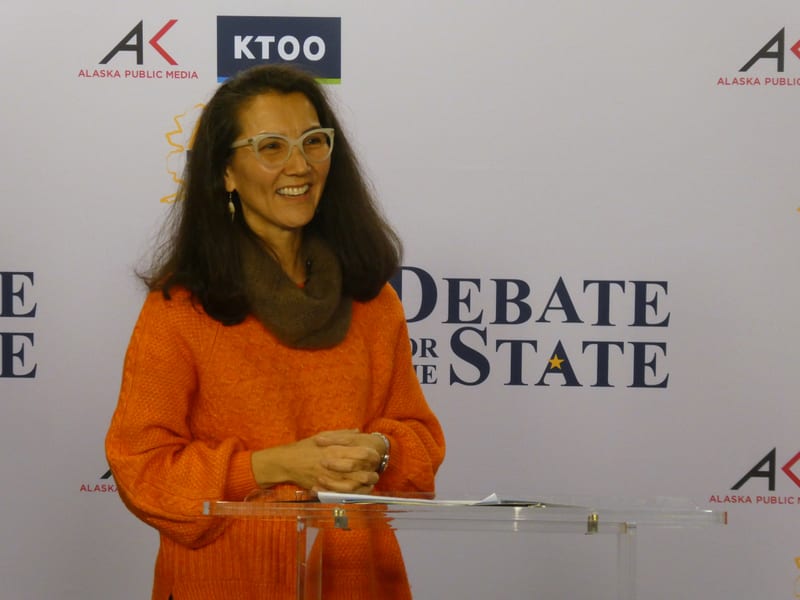
Peltola previously represented Alaska's at-large congressional district in the House from 2022 to 2025, becoming the first Alaska Native elected to Congress.
Although she lost her re-election bid in 2024 to Republican Nick Begich, she performed considerably better than other Democrats in the state, outperforming the party's showing in the presidential race.
How Alaska's cost-of-living crisis hurt Republicans
Unlike several other states, Alaska's Senate race focused heavily on the cost of everyday life rather than Washington's political battles.
The state has witnessed rising fuel prices, expensive groceries, housing shortages, and the high cost of transporting essential goods, putting immense pressure on households, particularly those living in remote communities.
The challenge is particularly acute outside major cities. Many rural communities depend on supplies transported by air or water, making them vulnerable to higher freight and fuel costs. Residents also rely on diesel for electricity and heating, adding to household expenses.
Peltola made affordability a central theme of her campaign, linking rising costs to the policies of the Trump administration and arguing that Sullivan was too closely aligned with Washington's Republican agenda. She also highlighted the economic impact of the President’s war against Iran, which had become an unpopular issue among voters.
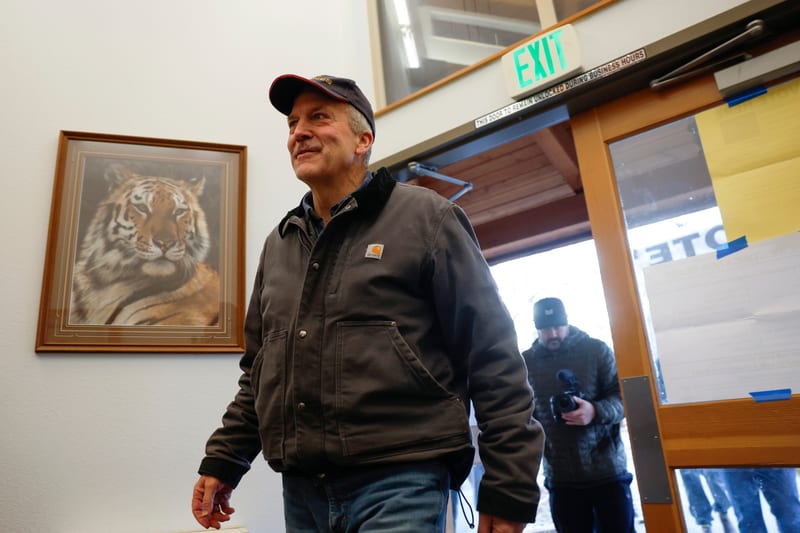
The strategy placed Sullivan in a difficult position. While he sought to highlight his work for Alaska's military interests, energy sector and Native communities, his association with the administration made it harder to distance himself from policies that were facing growing voter dissatisfaction.

The 'Decoy Dan' controversy that put Republicans on the defensive
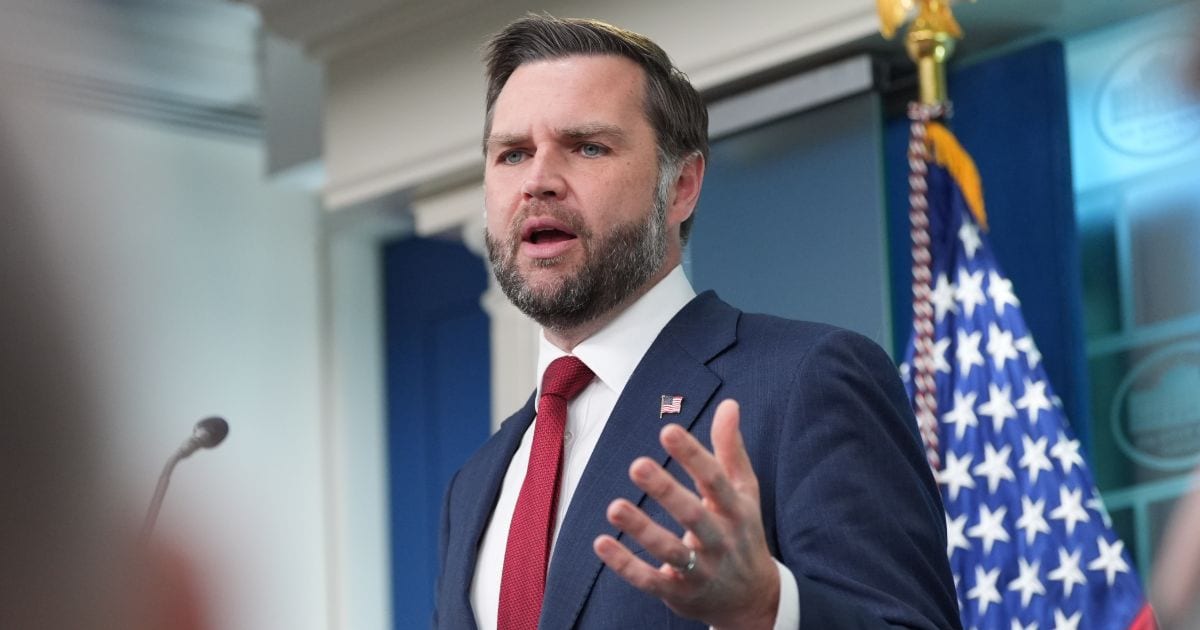
Peltola's profile as a candidate and Sullivan's expensive campaign made the race competitive throughout the summer. Trump and Vice President JD Vance separately visiting Alaska in the final weeks of the campaign to support the incumbent.
Republicans also focused heavily on the emergence of another candidate named Dan Sullivan.
Retired teacher Daniel J. Sullivan Jr. entered the Senate race as an independent, prompting Republicans to allege that Democratic operatives had helped recruit him to confuse voters and divert support from the incumbent.
The allegations intensified after a New York Times investigation reported that members of Peltola's campaign had discussed recruiting candidates with names similar to Sullivan's.
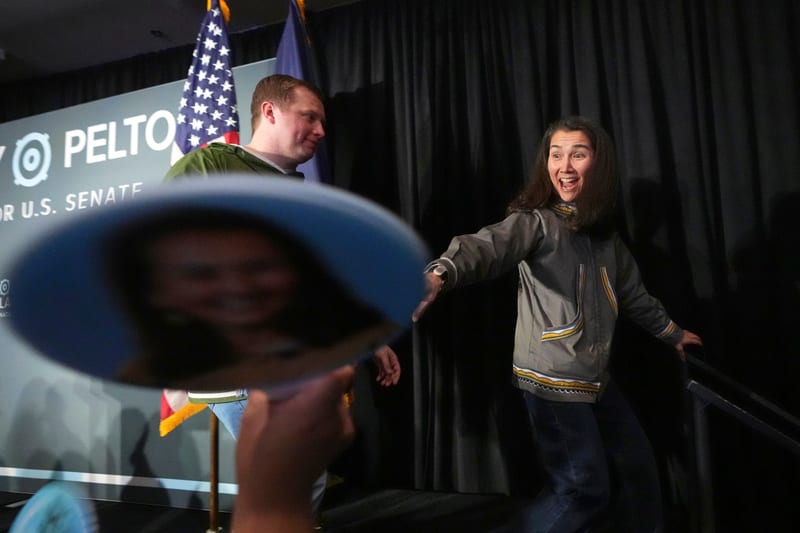
Peltola denied involvement, telling supporters: “I knew nothing about any other candidates on the ballot except for me and the incumbent.” Daniel J. Sullivan also denied having any contact with her campaign.
The controversy escalated when Trump demanded prosecution of Peltola and the other candidate, saying: “I think they should be prosecuted.”
The dispute eventually reached the courts. The Alaska Supreme Court ruled that Daniel J. Sullivan could remain on the ballot. Separately, the Trump administration filed a federal lawsuit seeking to block certification of the election if the incumbent lost, citing the potential confusion caused by the second candidate.
A federal judge dismissed the administration's lawsuit, although the Justice Department pursued an appeal.
Ultimately, the controversy did not prevent Peltola from winning. The Associated Press reported that the second Sullivan had received approximately 2.5% in the primary, while Peltola secured 49.5% and the incumbent 41.4%.
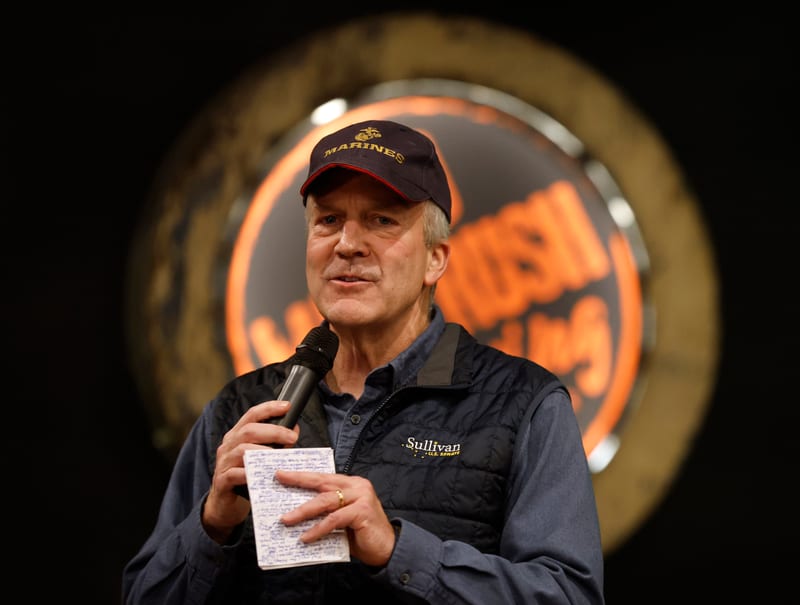
Peltola's Alaska-first campaign gave her an advantage
Since the start of his campaign, Sullivan sought to tie Peltola to national Democratic figures, including former President Joe Biden, and railed against “lower 48 liberals” whom he said did not understand Alaska's unique way of life.
But Peltola maintained her distance from her party on the national level and built her campaign around local identity, rural communities and issues that transcended traditional party divisions.
Her “fish, family and freedom” message drew on her upbringing, fishing traditions and the economic challenges faced by communities far removed from Washington.
Peltola, a Yup'ik politician raised in western Alaska, also took positions that separated her from the national Democratic Party.
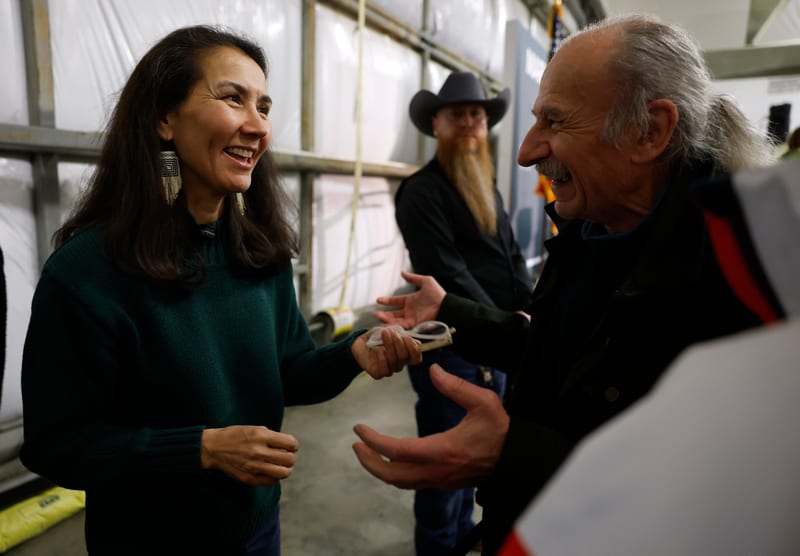
“Alaskans who know me know that I’m not liberal or radical,” Peltola said. “I am only interested in working for Alaska and working for the best interest of Alaskans, in as nonpartisan of a way as I possibly can.”
She expressed support for gun rights and continued oil and gas development, recognising the importance of the energy industry to Alaska's economy and employment.
Sullivan, meanwhile, tried to defend his record by highlighting his work for the state's military interests, energy sector and Native communities. But Peltola's focus on affordability and her ability to present herself as an independent voice for Alaska made it harder for the incumbent to counter her campaign's local-first message.