Trump White House played direct role in Blanche order scrapping $1.8B 'anti-weaponization fund'
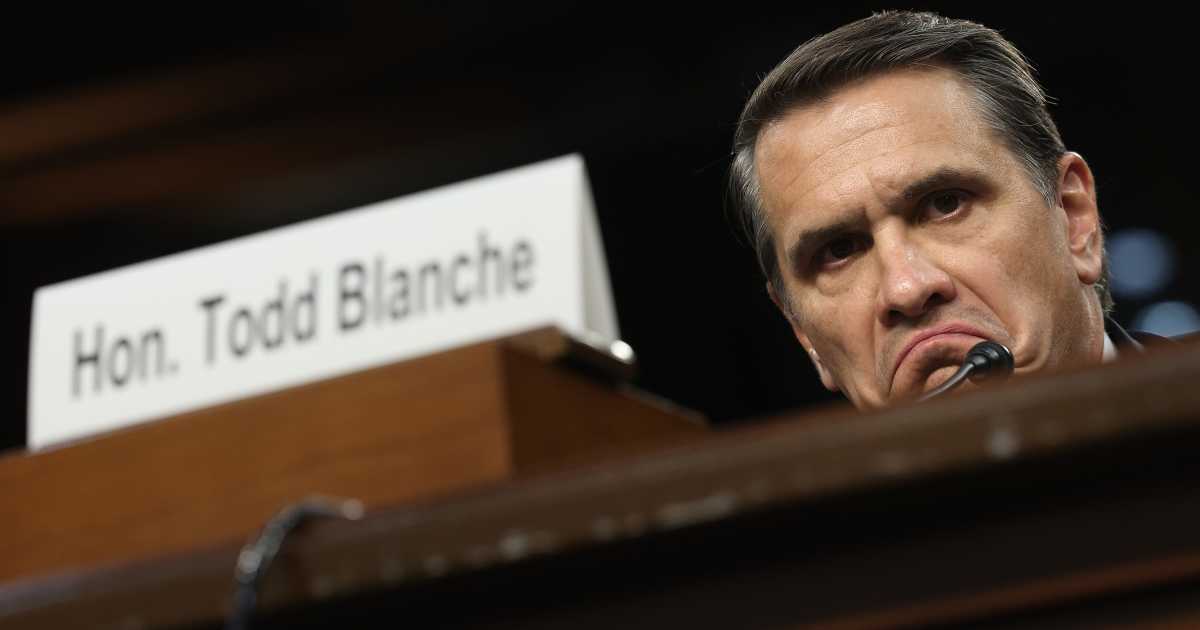
WASHINGTON, DC: The White House was directly involved in acting Attorney General Todd Blanche's decision to formally rescind President Donald Trump's $1.8 billion "anti-weaponization fund," according to multiple sources familiar with the matter.
White House Chief of Staff Susie Wiles and Director of Legislative Affairs James Braid were "deeply involved" in the process, one official told CNN, with Blanche coordinating closely with the White House and keeping top officials briefed throughout the negotiations.
Frustration gave way to a deal Trump's advisors pushed for
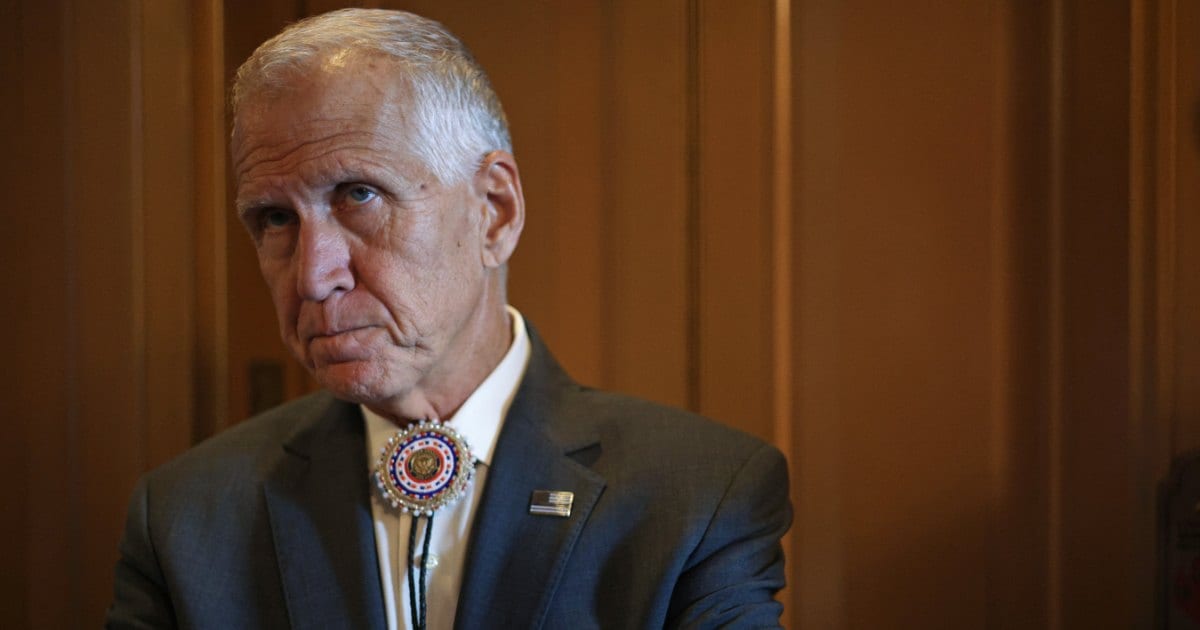
In the weeks leading up to the agreement, White House officials and Trump had become annoyed with both John Cornyn and Thom Tillis, thinking that the two senators were using their influence over Blanche's confirmation to secure concessions, even though the lawmakers themselves recognized that Blanche was well qualified for the job.

Eventually, Trump's top advisors managed to persuade him that the only way to get Blanche confirmed was to give up the fund.
"He wants Blanche to be confirmed," said one of the officials. "He realizes he needs to do this."
Blanche, Trump's former personal lawyer and a trusted figure inside the administration, reportedly wanted the confirmation despite having the option to continue serving in an acting capacity indefinitely, and the White House worked to help him get there.

Trump, however, made clear on Monday, August 3, that he did not personally review the deal, telling reporters in the Oval Office, "I didn't look at it."
"I understand there's been a sign-off, but I don't know what they agreed," he said, adding that his understanding was that Blanche "agreed to reconfirm things that he's already said."
Trump said he viewed the fund "as a positive," but said there were no other plans to revive it through another mechanism.
"There's no other avenues that I know of," the president added.
My team and I have met with committee members and Senators over the past several weeks and addressed any concerns or outstanding questions. We have enjoyed good faith discussions, and as a result issue the following order and update with regard to the May IRS settlement. The… pic.twitter.com/U6hs15kw2D
— Acting AG Todd Blanche (@DAGToddBlanche) August 3, 2026
Doubts remain over whether the deal is legally binding
Tillis and Cornyn on Monday defended their agreement with the Department of Justice, despite criticism that the order may not be legally binding.

Pressed by reporters on why they trusted that Blanche would not double back on the agreement once confirmed, Tillis replied, "Because I believe he's an honorable man."
However, he said, the president could simply always create a new fund. "Then he can answer to the American people for not negotiating in good faith," the retiring North Carolina senator said.

"The rescission of the weaponization fund is legally binding, so it's gone," Cornyn said.
Regarding the tax investigations agreement, he said, "There's literally nothing we could do other than have the president change a settlement agreement to make that legally binding."
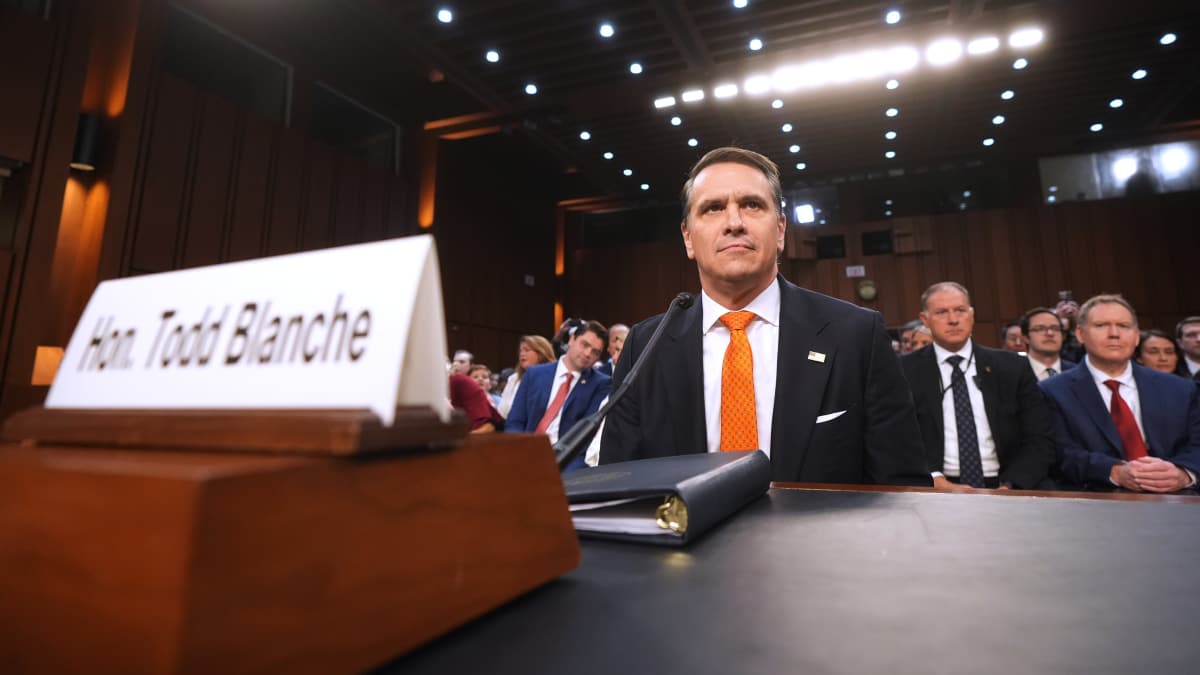
"What we could do, and what we did do, is get Todd Blanche to testify under oath, and then to get the DOJ on the record that this is their official interpretation of those provisions," the Texas senator said.