Trump's Board of Peace seeks blanket immunity as draft plan allows members to dodge prosecution
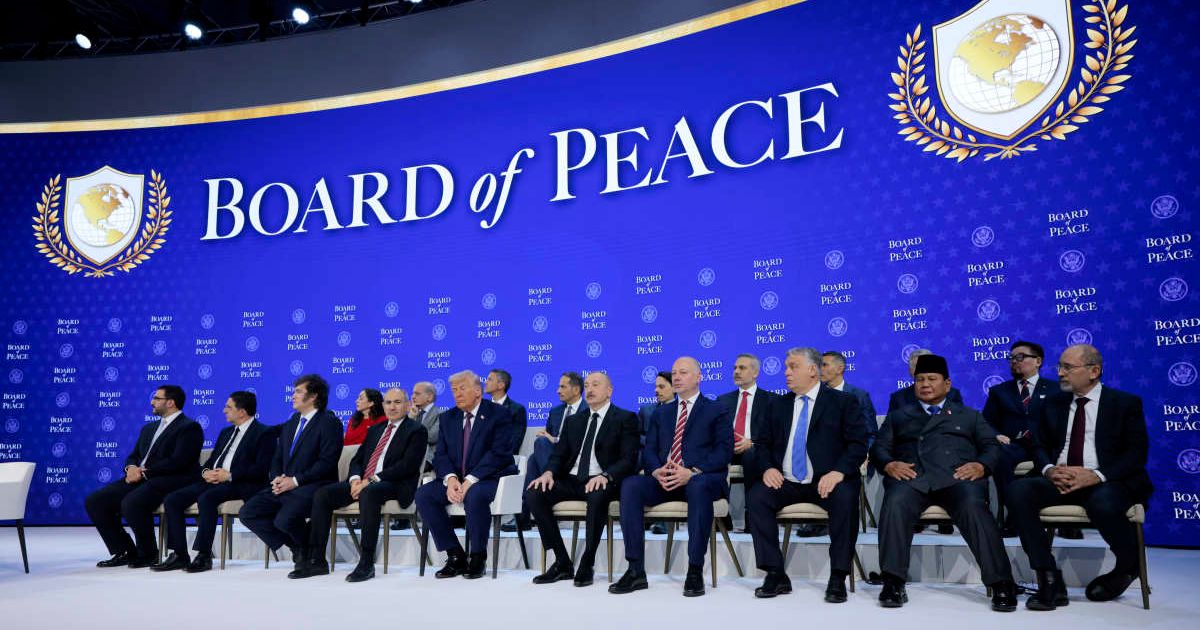
WASHINGTON, DC: A leaked draft resolution governing President Donald Trump's Board of Peace for Gaza has revealed a controversial legal framework that would grant sweeping immunity to board members, contractors and international security personnel while giving Trump, as chairman, authority to waive those protections with majority approval from the governing board.
The four-page June 2026 draft, first obtained by The Guardian, outlines broad legal protections for personnel working under the Board of Peace, preventing arrests, detention or legal proceedings in Gaza.
The proposal immediately sparked concern among legal scholars, who argue the framework could leave officials largely insulated from accountability during reconstruction and security operations.
The White House referred questions to the Board of Peace, which denied that any operative immunity framework has been adopted and rejected suggestions that the proposal would create impunity or place Trump in charge of granting legal protections.
Draft grants broad legal shields
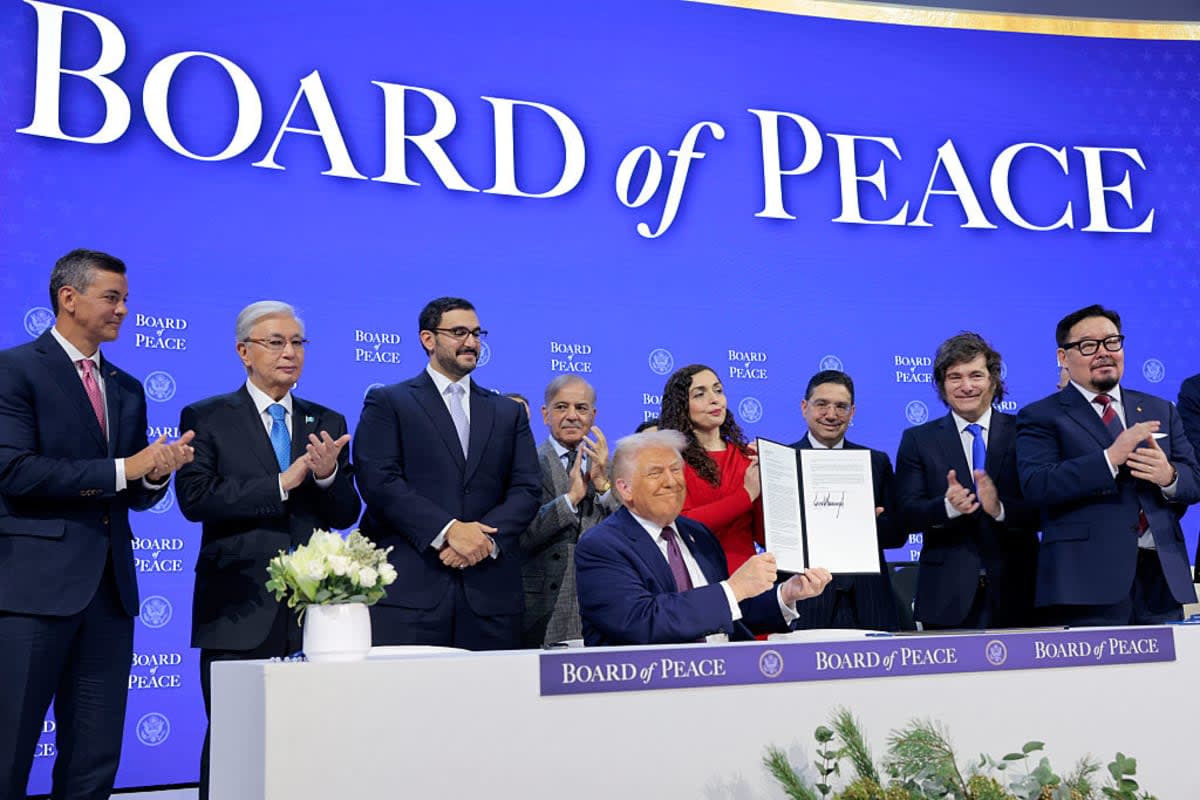
The draft resolution extends immunity to members of the Board of Peace, officials within the Office of the High Representative, international military forces, Palestinian administrators and foreign contractors participating in Gaza's reconstruction.
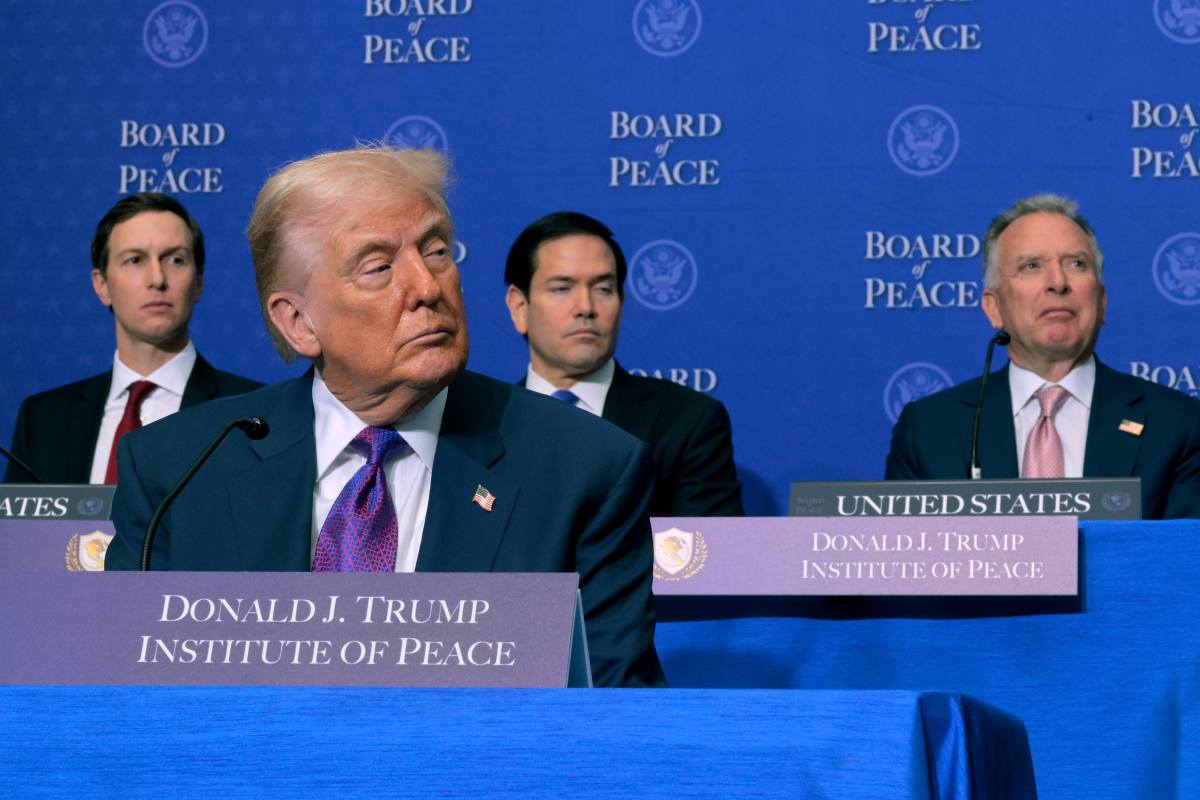
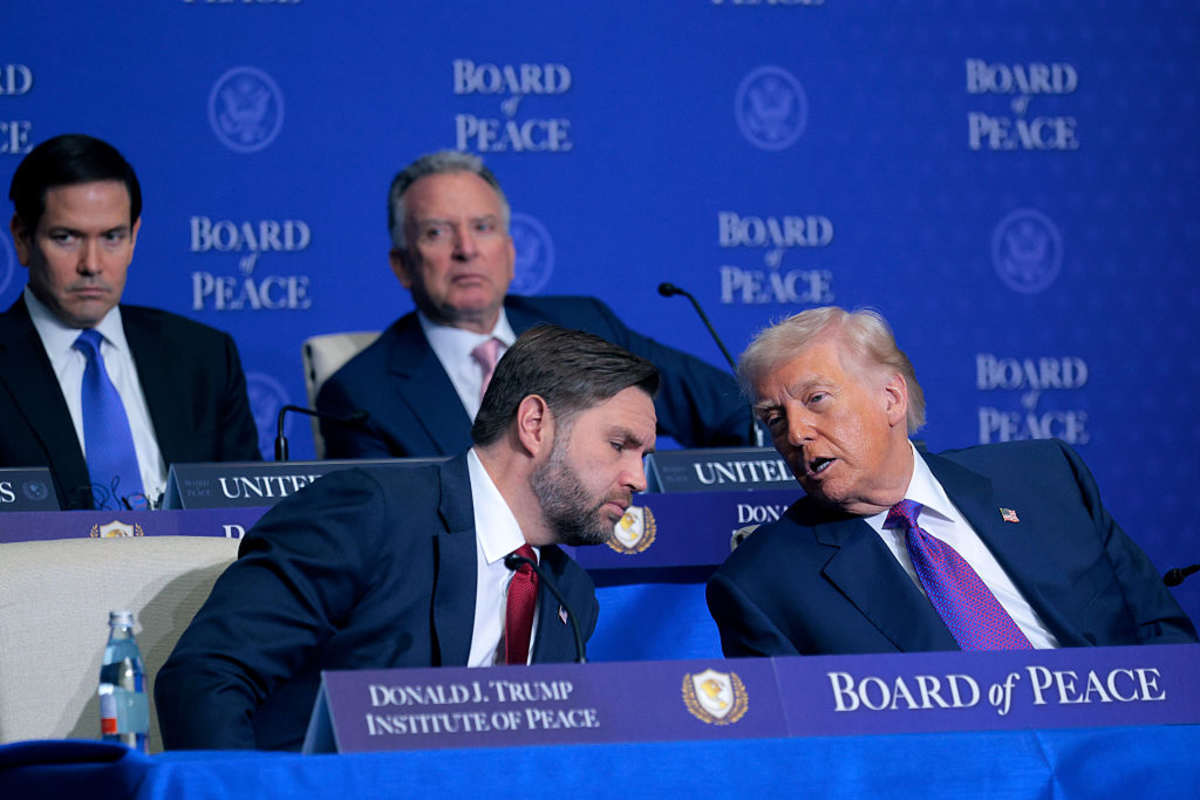
One provision states that Trump, as chair of the seven-member executive board, could waive an individual's immunity if a majority of board members approve the request. The executive board includes Jared Kushner, Steve Witkoff, Susie Wiles, and Marco Rubio.
A Board of Peace spokesperson disputed the draft's characterization, stating that all personnel would remain subject to applicable law, oversight and accountability mechanisms. However, the organization did not specify what those mechanisms would entail.
Lawyers question accountability system
International law experts reviewing the leaked document said that the proposed immunity language raises unresolved questions about how claims involving civilian injuries, property damage or contractor misconduct would be investigated.
The draft also establishes an internal process for handling third-party claims instead of directing disputes to existing judicial systems.
Legal specialists warned that the proposal appears to create a self-contained accountability structure with limited outside oversight.
Several attorneys drew comparisons with legal disputes involving contractors during US reconstruction efforts in Iraq and Afghanistan, arguing that any large-scale Gaza rebuilding mission requires clearly defined legal jurisdiction before operations begin.
Property clause draws fresh scrutiny
Another provision authorizes the Board of Peace to receive public premises and facilities in Gaza "free of charge" to carry out its mission.
Legal experts questioned who would possess the authority to transfer such property and whether the provision could expose reconstruction efforts to future legal challenges over land ownership and public assets.
The Board of Peace has not finalized the proposal, and officials said no operative resolution currently exists.
Even so, the leaked document has intensified debate over how Trump's Gaza initiative would balance reconstruction authority with legal accountability as international partners continue shaping the territory's postwar administration.