Trump’s defamation lawsuit against Wall Street Journal dismissed with prejudice in final ruling
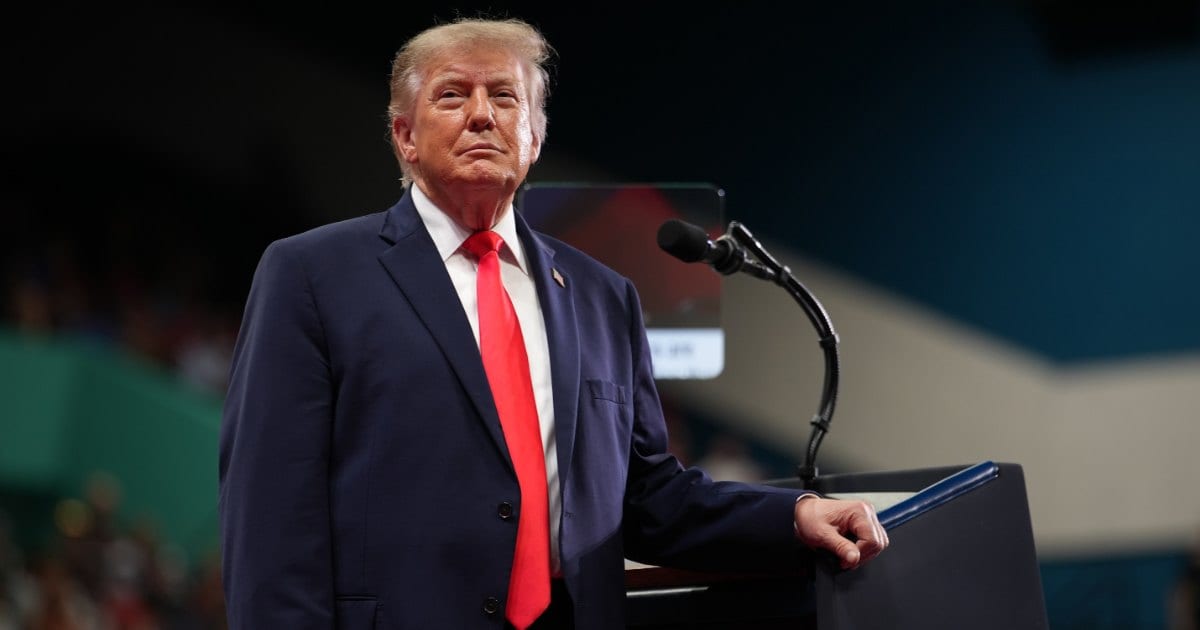
WASHINGTON, DC: US District Judge Darrin P Gayles on Saturday, October 31, dismissed President Donald Trump’s $10 billion defamation lawsuit against The Wall Street Journal with prejudice, ending his legal challenge over the newspaper’s reporting on an alleged birthday letter bearing his name that was sent to Jeffrey Epstein.
The judge ruled that Trump’s amended complaint still failed to plausibly establish that the newspaper acted with “actual malice”, a requirement for public figures pursuing defamation claims. The lawsuit was also dismissed in April, but without prejudice, allowing Trump an opportunity to file a revised complaint.
Judge says Trump failed to establish ‘actual malice’ in revised complaint
In his ruling, Gayles said that Trump had not sufficiently demonstrated that the newspaper, its parent companies, owner Rupert Murdoch, or the two reporters named in the lawsuit knowingly published false information or acted with reckless disregard for the truth.
“As President Trump has not plausibly alleged that each Defendant made defamatory statements with actual malice, the Amended Complaint must be dismissed,” the ruling said. “And because this is President Trump’s second attempt to allege his claims, the Court finds that dismissal with prejudice is appropriate.”
BREAKING: Federal judge dismisses Trump’s defamation lawsuit against the WSJ (Dow Jones) for the Epstein birthday letter story “with prejudice,” meaning it cannot be further amended or refiled (pending any appeal). https://t.co/8SgzLtKEyF https://t.co/DyLCJ27bS3
— Chris “Law Dork” Geidner (@chrisgeidner) October 31, 2026
The judge also rejected Trump’s argument that the newspaper should have withheld its report after he denied writing the letter. Gayles said accepting that position would conflict with constitutional protections for the press and the legal standard governing defamation claims involving public figures.
“Were that the law, any time a public figure or his team denies an accusation, journalists would be immediately blocked from publishing negative or contradictory press,” Gayles wrote.
The judge also pointed to the newspaper’s reporting process, including its efforts to seek comments from Trump and other officials before publication. He described the investigation as “thoughtful and detailed” and said the amended complaint attempted to manufacture flaws in the reporting. “Grasping at straws, the Amended Complaint attempts to manufacture flaws with the investigation,” Gayles wrote.
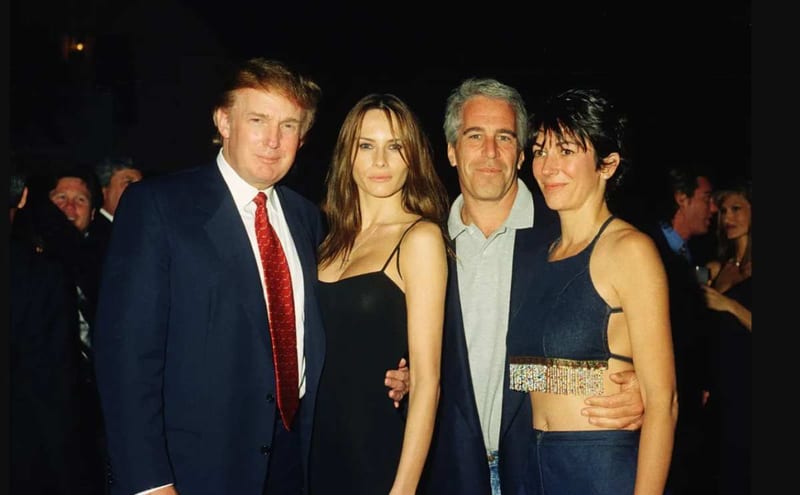
Trump initially filed the lawsuit in July 2025, accusing the Wall Street Journal of knowingly publishing a false account. The newspaper had reported that Trump sent Epstein a “bawdy” letter in 2003 for the disgraced financier’s 50th birthday album. Trump denied writing it and maintained that the letter was fabricated.
Gayles had dismissed the original complaint in April, finding that its allegations of actual malice relied on “formulaic” assertions that did not meet the required legal threshold. The dismissal was then without prejudice, allowing Trump to submit an amended complaint. However, the latest decision was with prejudice, meaning the case cannot be amended or brought before the court again.
Trump’s legal team vows to continue fighting
Trump’s legal team, meanwhile, said that the president would continue pursuing the matter. In a statement following the ruling, the team said: “President Trump will continue to press forward in his powerhouse lawsuit against the Wall Street Journal and all of the other defendants. The President will continue to hold those who mislead the American People with Fake News and smears accountable for their actions.”
The lawsuit named the Wall Street Journal, its parent companies, Murdoch, and two reporters as defendants. The case drew attention in part because Murdoch, whose media empire owns the newspaper, has been a prominent media ally of Trump. Before the report was published on July 17, 2025, Trump personally contacted Murdoch in an effort to prevent its publication.