Trump's Iran war sparks rare rift with top military leaders over what comes next

WASHINGTON, DC: While the months-long Iran war appears to be subsiding, differences over how to deal with Tehran are growing within the US military. Top US commanders have warned Defense Secretary Pete Hegseth against prolonging the war, saying it could weaken the country’s military resources and its ability to respond to other threats.
The Iran war, which began on February 28 with a joint attack by Washington and Tel Aviv on Tehran, has now prompted the US to switch to economic sanctions as a new strategy against the Islamic country.
Iran war can weaken US elsewhere
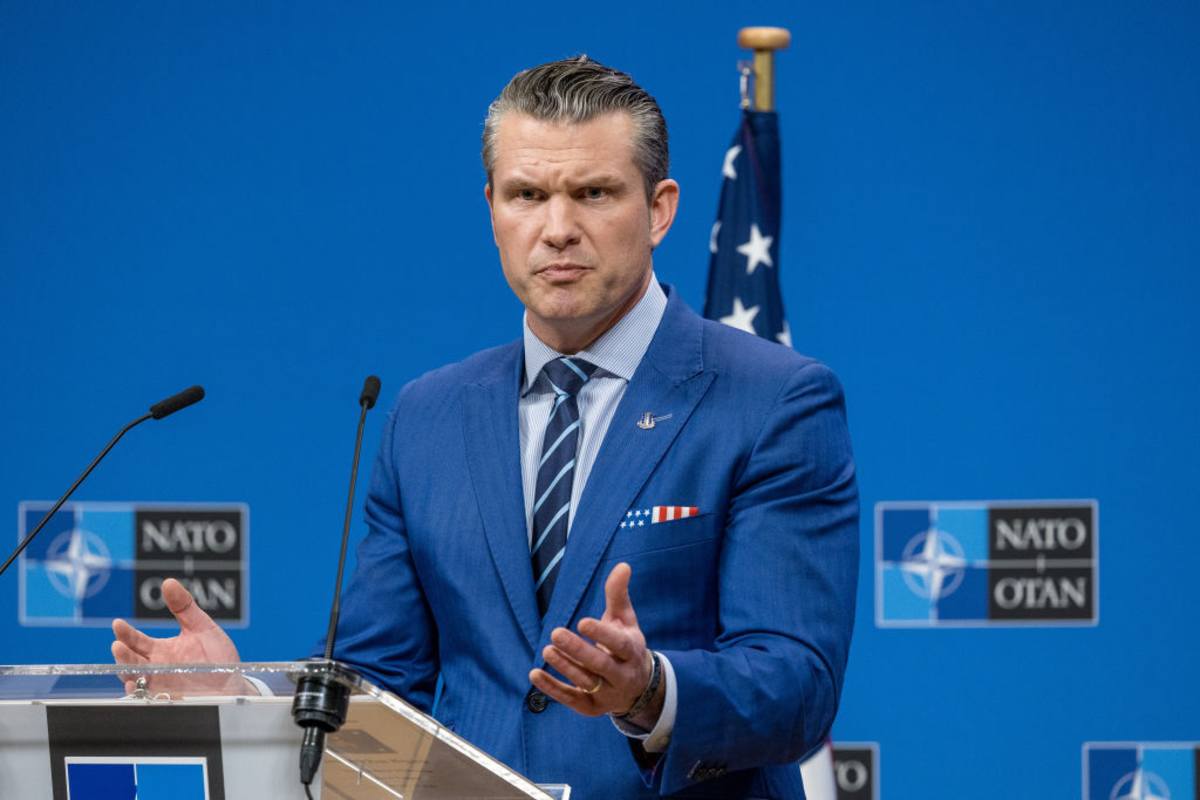
Several military leaders have advised Hegseth that prolonging large-scale operations against Iran is unsustainable and risks weakening their ability to confront threats elsewhere, including the homeland, according to people familiar with a recent assessment prepared for the Pentagon chief, as told to The Washington Post.
According to the sources cited by the Washington Post, the warning was issued by the heads of the Army, Navy, and Air Force and the four-star commanders overseeing US operations throughout Europe, Asia, and Latin America.
Sources also added that the warning appeared in the August 14 edition of the Secretary of Defense Orders Book (SDOB).
Notably, the outlet kept the identities of the sources hidden because the discussed documents are confidential.
Military leaders voiced concerns after administration extended deployment
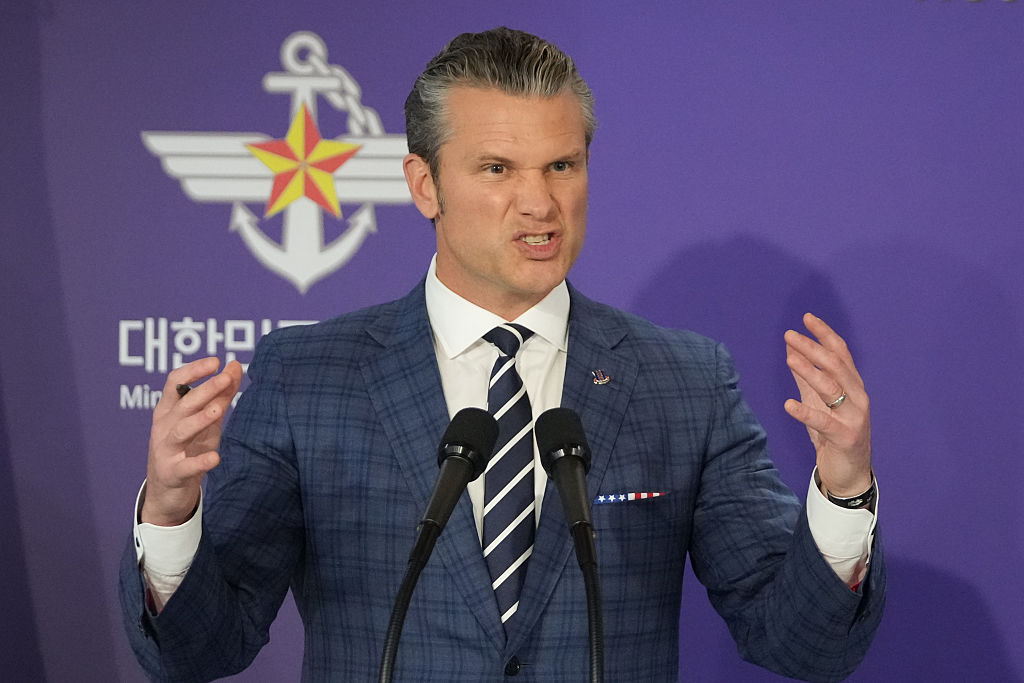
The military leaders raised concerns about prolonging the war after the August 14 orders book directed some troops deployed in the Middle East to remain there through September, while others could stay until 2027.
The leaders of the US European Command, the US Pacific Command, and the US Southern Command, along with the Navy's top admiral, disagreed with the order but will execute the deployment extension order nevertheless.
The source familiar with the assessment of the document described how top leaders responded with what is characterized in the SDOB as a "non-concur.”
The geographic combatant commands overseeing US operations in Europe, Asia, and Latin America have had their ships, aircraft, and other equipment pulled away to support the Iran conflict.
The effort has affected their ability to conduct missions and ensure proper training, those familiar with the assessment said. The Navy, in particular, has had to stretch its capacity to keep up with wartime demands.
Extended Iran war could threaten homeland security

The Army and Air Force leadership agreed to follow Hegseth’s direction to extend the deployment of their forces, but each emphasized that doing so would come with significant risk, sources revealed.
The sources said that the military leadership is of an opinion that the Iran war has been "too much for too long.”
While the military warning to Hegseth was issued earlier, it was not reported because the documents are confidential.
"Decisions regarding the scope and duration of specific force commitments to any Combatant Command are made based on the current threat assessment, strategic priorities established by the President, and the advice of the Chairman of the Joint Chiefs of Staff and Combatant Commanders," Sean Parnell, a spokesman for Hegseth, said in a statement to The Washington Post.