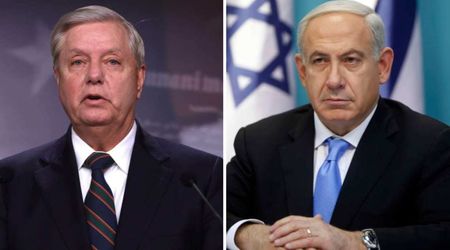
US and Iran declare MOU defunct as both blame each other, Gulf fighting spreads
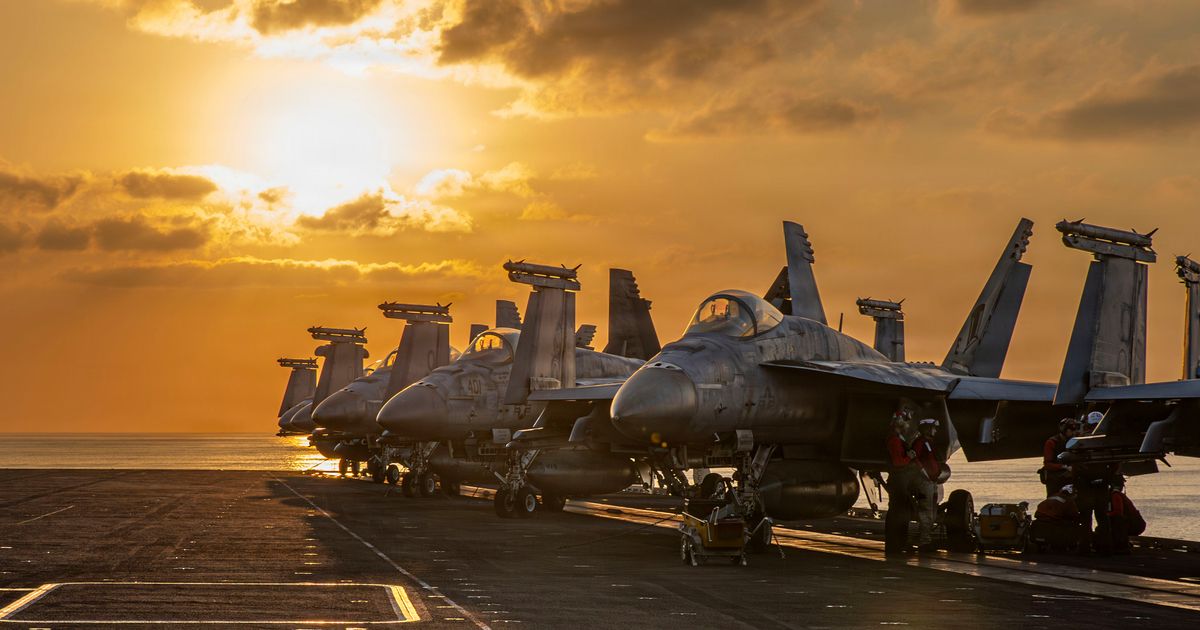
WASHINGTON, DC: The United States and Iran exchanged fresh accusations on Sunday, July 19, over the collapse of their memorandum of understanding (MOU), with both governments insisting the other had violated the agreement as military operations continued across the region.
Iranian Foreign Ministry spokesperson Esmaeil Baghaei said Tehran would no longer implement the 14-point MOU because Washington had violated both its "text and spirit," making the agreement "practically impossible" to enforce.
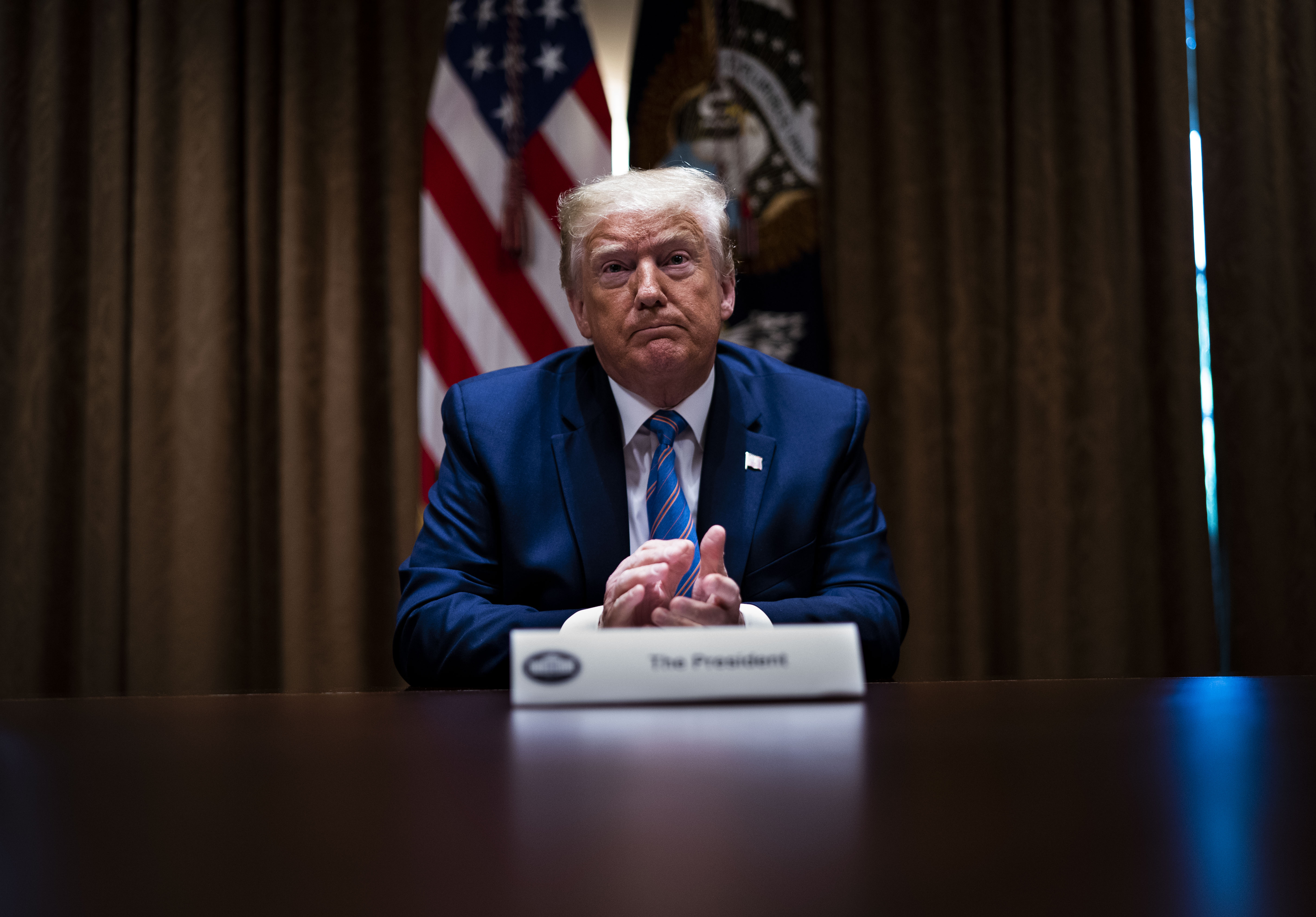
US Secretary of State Marco Rubio rejected Iran's position, saying Tehran was failing to comply with the deal and arguing that the MOU could not remain in force if its terms were being breached.
Casualties mount as conflict escalates
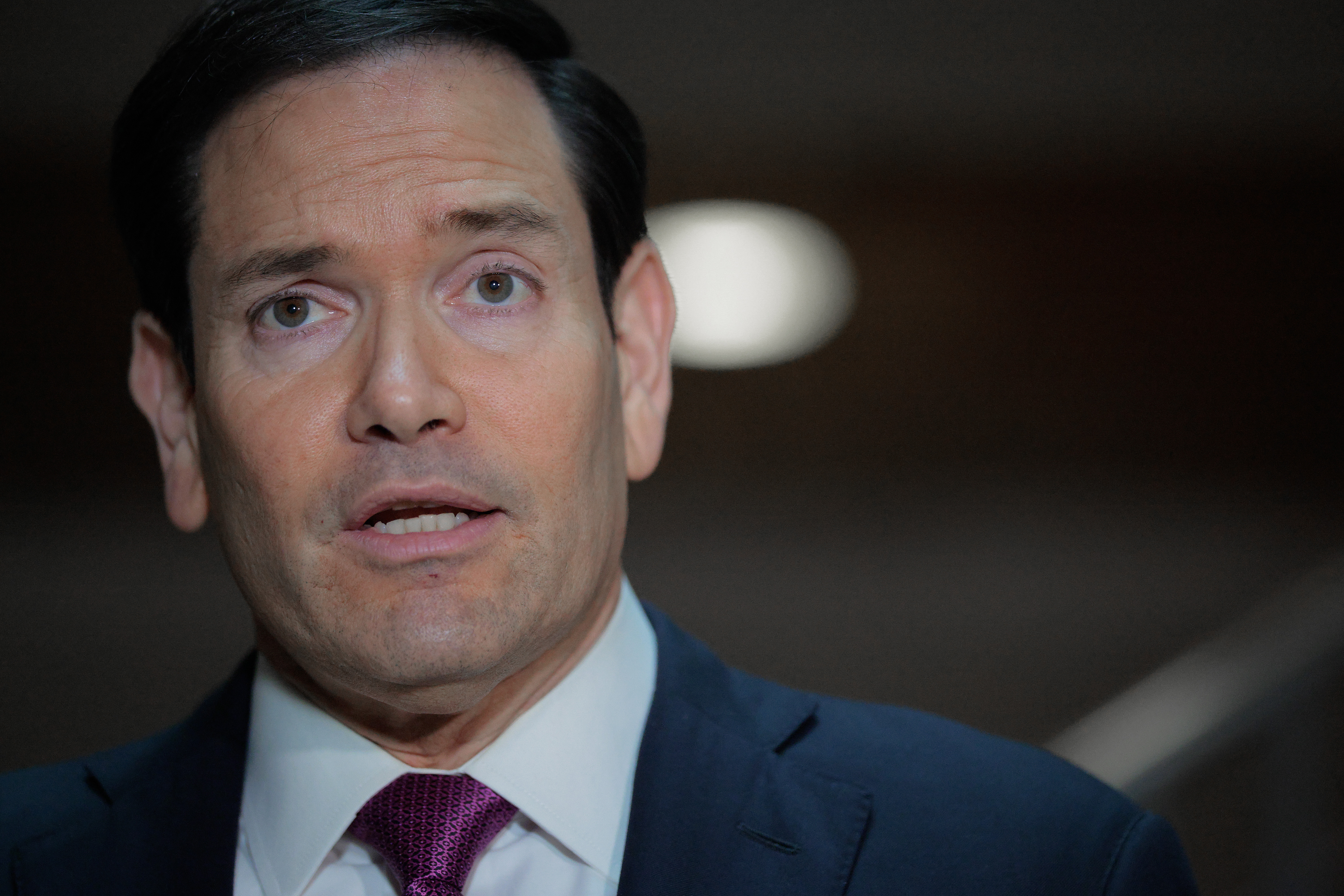
The Department of Defense identified two US service members killed in last week's Iranian strike in Jordan as 1st Lt Tyler James Feehan, 25, and Pvt Isabella Gonzales, 19. Their deaths marked the first American military fatalities linked to Iranian attacks since March.
In Iran, state news agency IRNA, citing the country's Health Ministry, reported that at least 50 people had been killed and 517 injured between June 27 and July 19 amid the escalating conflict.
Regional security concerns grow
The fighting continued to spread across the Gulf region. Kuwait's military said it intercepted what it described as hostile attacks early Monday, while Bahrain's Interior Ministry reported air raid sirens sounding in parts of the country.
Separately, the UK Maritime Trade Operations (UKMTO) said a tanker was struck by an unidentified projectile in the Strait of Hormuz. The vessel caught fire and was left adrift off the coast of Oman before the crew safely abandoned ship.
A vessel is on fire in the Strait of Hormuz -UKMTO pic.twitter.com/F5DIH3zDNS
— OSINTtechnical (@Osinttechnical) July 19, 2026
The worsening confrontation has rattled energy markets, pushing Brent crude above $90 a barrel for the first time in more than a month before prices eased to around $88.94, reflecting growing concerns over potential disruptions to global oil supplies through the Strait of Hormuz.