Why the collapse of Iran's Chabahar port tower could signal a major shift in Trump's war strategy
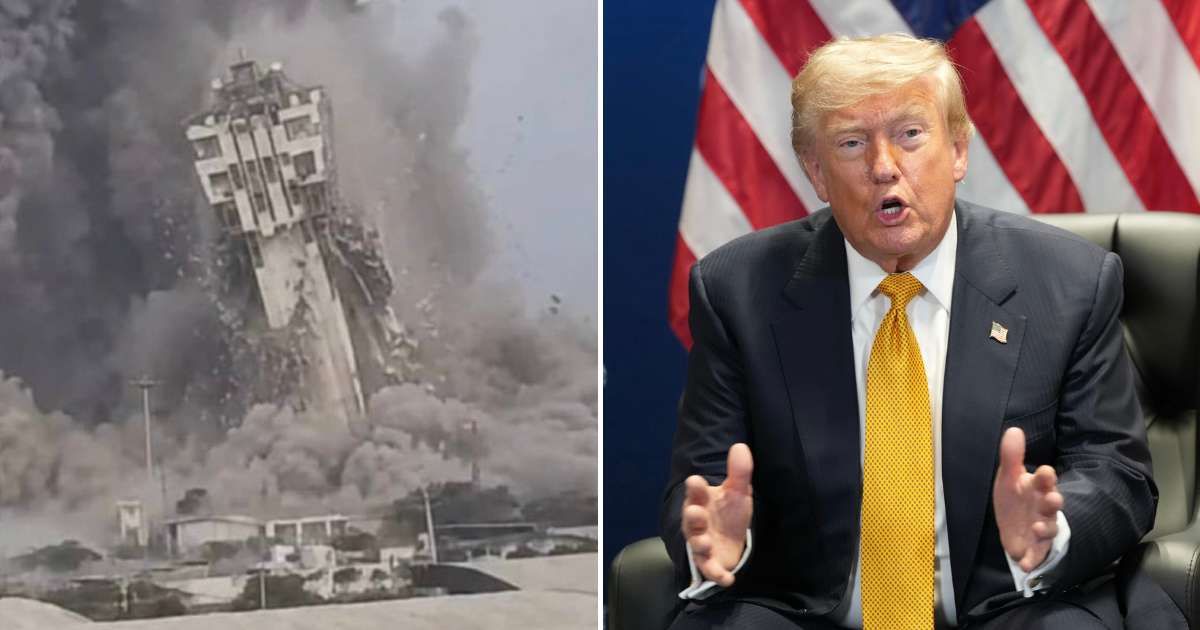
DUBAI, UNITED ARAB EMIRATES: A tower at one of Iran's most important ports appeared to collapse after a fresh round of US airstrikes on July 17, marking another escalation in the growing conflict between Washington and Tehran.
The development came as President Donald Trump declared that the US was "winning big in Iran" and suggested Americans would soon see the results of the ongoing military campaign.
The strikes were part of a wider overnight operation that also targeted bridges and other infrastructure linked to Iran's control over the Strait of Hormuz.
🇺🇲🇮🇷🔸As a result of US airstrikes on targets in Iran, the naval control tower at the port of Chabahar was completely destroyed and collapsed.
— Argonaut (@FapeFop90614) July 17, 2026
It had been hit twice previously within a week. pic.twitter.com/gA8s3JDkvx
US airstrikes hit Iran's strategic Chabahar port
Among the most significant targets hit overnight was Iran's Chabahar port on the Gulf of Oman. Images shared online appeared to show a surveillance tower at the facility collapsing following the strikes.
US Defense Secretary Pete Hegseth later shared an image that appeared to show the tower collapsing.
The structure had reportedly been used to oversee commercial traffic entering the port.
Iranian state media acknowledged that Chabahar had been struck for a third time but did not immediately address reports of the tower's collapse.
The port is a major trade gateway for neighboring Afghanistan and has long held strategic importance because of its location outside the Strait of Hormuz. Iran's Revolutionary Guard is also known to operate at ports across the country.
Trump claims US is winning in Iran
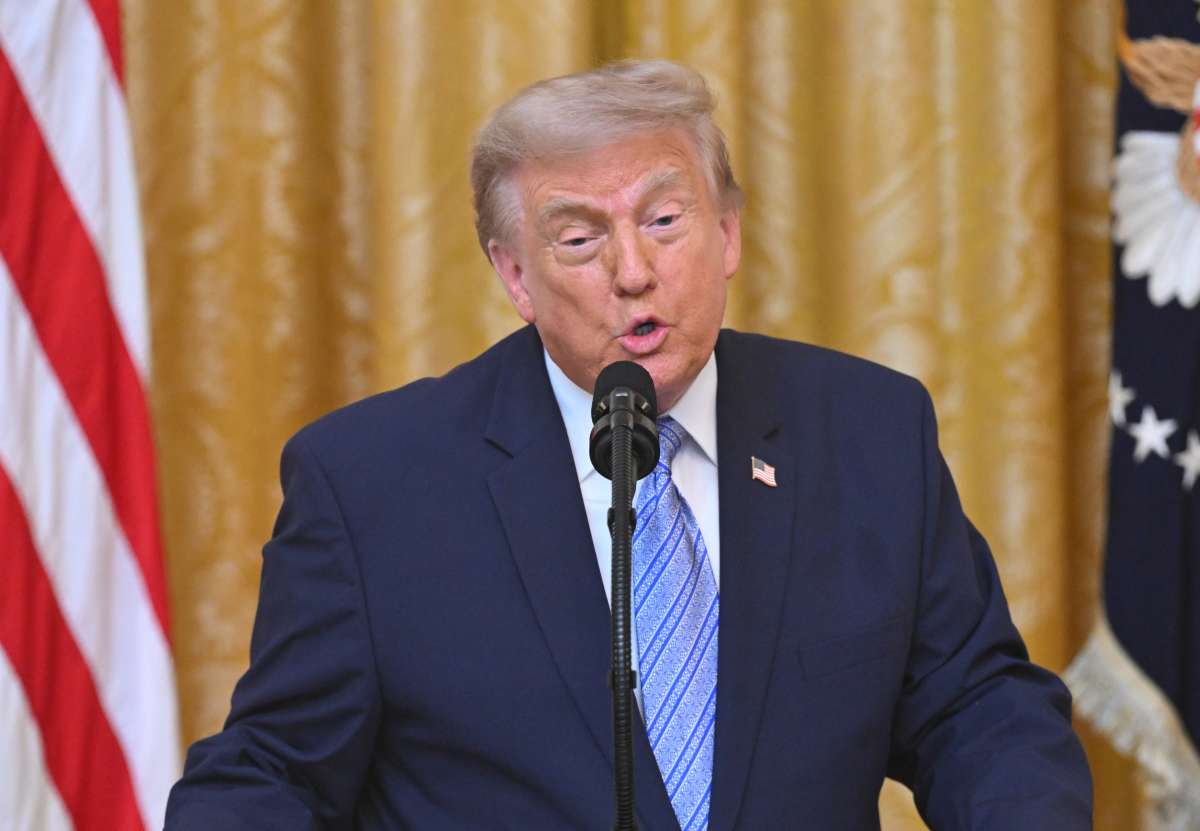
The latest attacks came as Trump sought to project confidence in the campaign against Iran during a primetime address.
"We are likewise winning big in Iran, and you will see the fruits of that labor very, very shortly," Trump said.
The US military's Central Command said dozens of targets were hit during overnight operations that concluded at dawn on Friday. It marked the sixth consecutive night of American strikes.
Iranian officials said attacks in Hormozgan province killed at least seven people, with additional casualties reported elsewhere.
Iran fires missiles at US-allied nations
Tehran responded by launching missile attacks at US-allied nations across the region. Qatar, which has played a key role in efforts to mediate the conflict, twice warned residents to take shelter as missiles approached.
🚨🇶🇦 BREAKING: Reports of a MASSIVE explosion in Qatar, home to America's largest Middle East base, as air defenses light up the sky.
— Mario Nawfal (@MarioNawfal) July 17, 2026
-Unconfirmed reports describe a massive explosion in Qatar around 3:30 a.m. local time, with footage circulating of air defense activity
-Qatar… pic.twitter.com/NEqeuQDglg
Explosions were heard as air defenses attempted interceptions, while Qatari officials said falling debris injured a child. Iran also targeted Bahrain and Kuwait following the latest round of American strikes.
The exchange underscored how quickly hopes for a ceasefire had faded after last month's temporary truce collapsed.
Strait of Hormuz remains conflict's key battleground
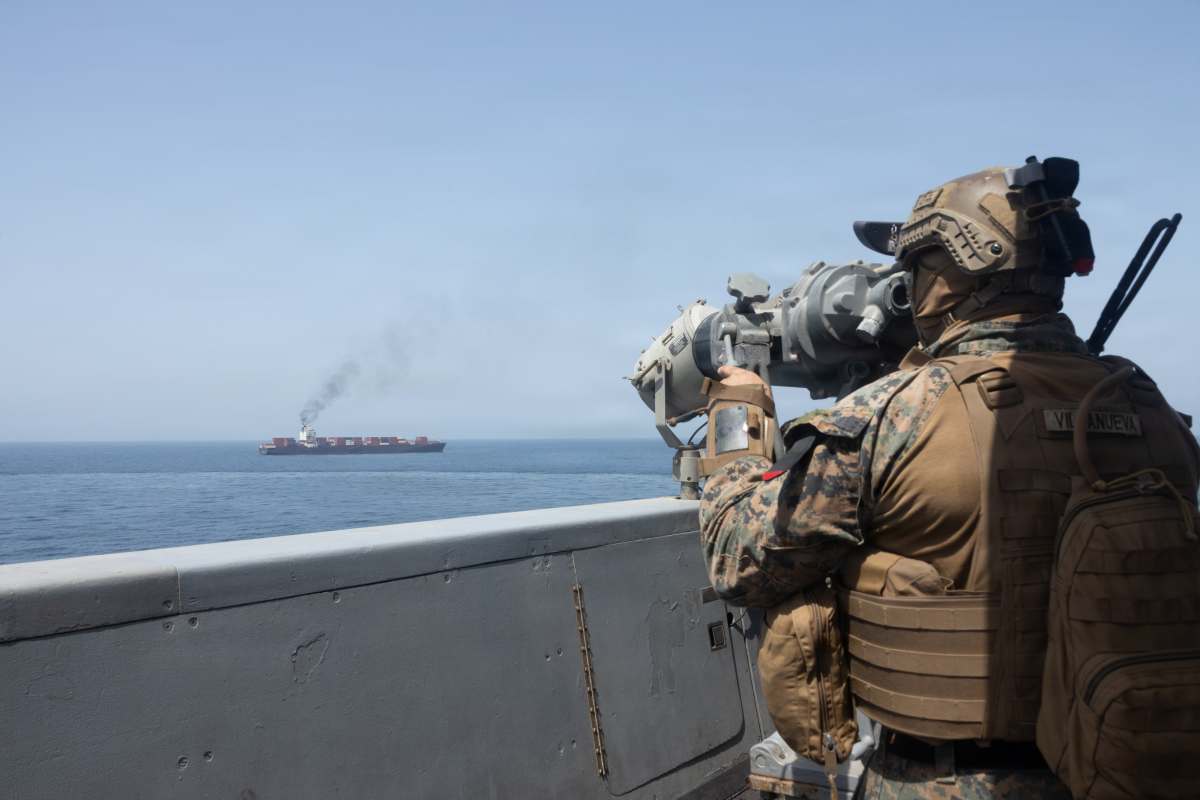
The conflict continues to revolve around the Strait of Hormuz, one of the world's most important shipping routes. Since the war began, Iran has tightened its grip on the waterway, disrupting commercial traffic and helping drive up oil prices.
In response, Trump has repeatedly threatened strikes on bridges, power facilities, and other infrastructure to pressure Tehran into loosening its control.
Shipping through the strait has already fallen sharply, with some vessels remaining stationary and others traveling with their tracking systems turned off.
The US military said it had redirected multiple commercial vessels and boarded another to ensure compliance with its naval blockade measures.