US-Iran report ‘encouraging progress’ in first talks, agree on Hormuz and Lebanon frameworks
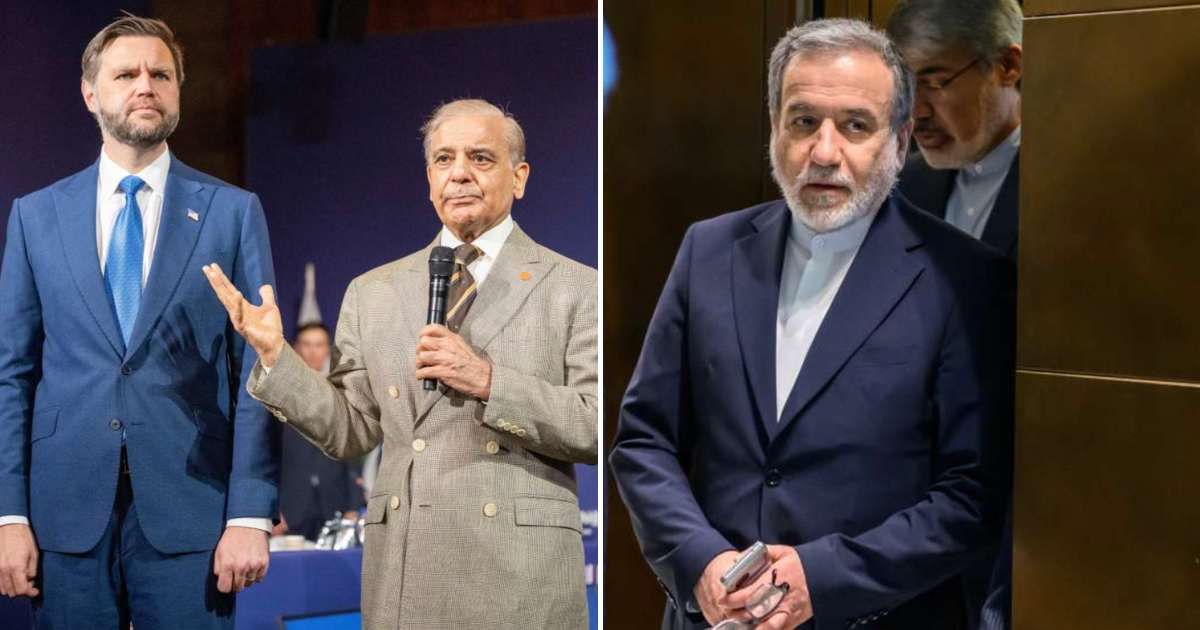
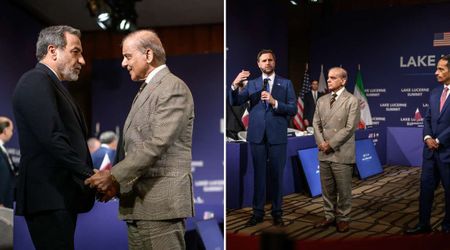
BURGENSTOCK, SWITZERLAND: The first round of direct negotiations between the United States and Iran concluded in Switzerland on Monday, June 22, with both sides agreeing to a framework aimed at reaching a final agreement within 60 days.
In a joint statement, mediators Qatar and Pakistan said the discussions produced “encouraging progress,” including new mechanisms focused on keeping the Strait of Hormuz open and reducing military tensions in Lebanon.
Parties agree to Hormuz communication line and Lebanon deconfliction cell
The talks, held under the framework of the Islamabad Memorandum of Understanding, were led by Vice President JD Vance for the United States and senior Iranian officials, including Foreign Minister Abbas Araghchi. A central outcome of the talks was the creation of new mechanisms designed to prevent regional escalation while negotiations continue.
According to the joint statement issued by mediators, the parties agreed to establish a communication line intended to prevent misunderstandings and incidents affecting commercial shipping through the Strait of Hormuz, one of the world's most important energy transit routes.

The communication channel would help ensure “safe passage for commercial vessels through the Strait of Hormuz” during the negotiation period.
🔊PR No: 1️⃣5️⃣1️⃣/2️⃣0️⃣2️⃣6️⃣
— Ministry of Foreign Affairs - Pakistan (@ForeignOfficePk) June 22, 2026
Joint Statement by the State of Qatar and the Islamic Republic of Pakistan Regarding the Conclusion of Lake Lucerne Summit, First High-Level Committee Meeting with Participation of the United States of America and the Islamic Republic of Iran pic.twitter.com/2G3PAf7LVY
The two countries also agreed to create a deconfliction cell involving the United States, Iran, Lebanon, and the mediating countries. The mechanism is intended to monitor and support compliance with commitments to halt military operations in Lebanon under the broader memorandum of understanding.
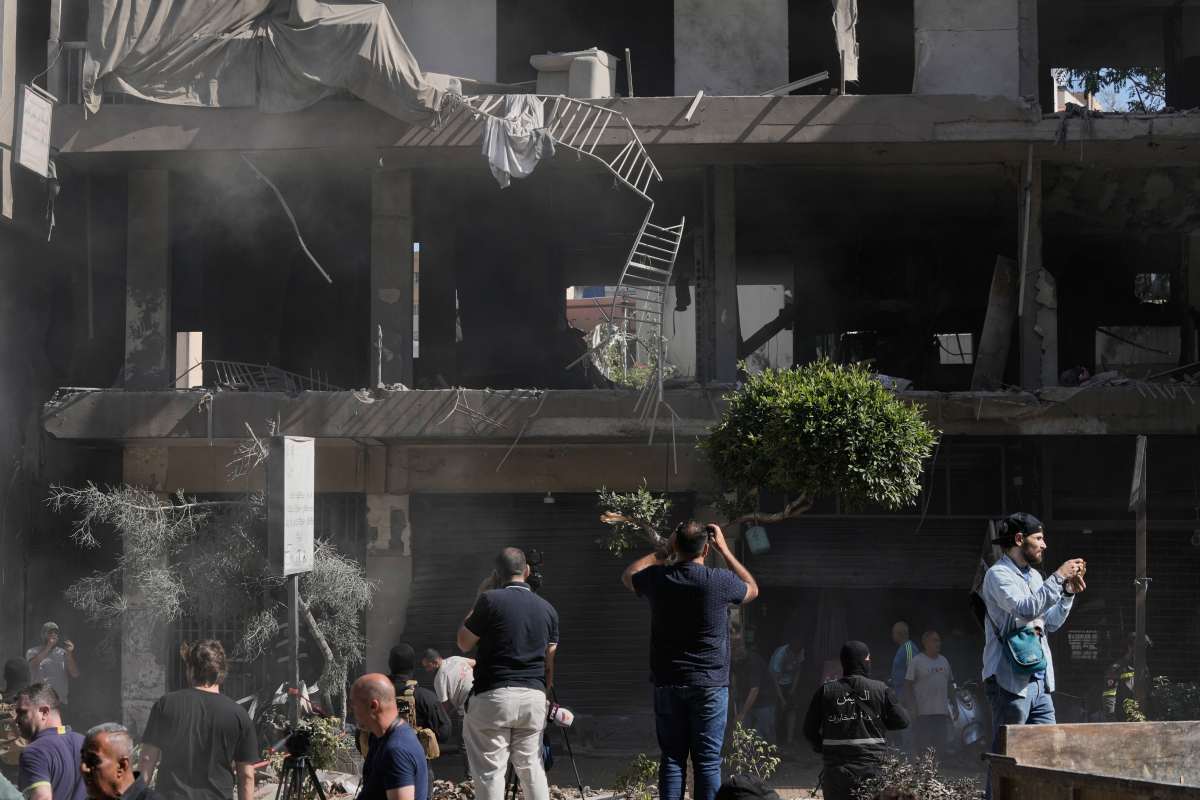
“The parties agreed on the creation of a de-confliction cell, between the parties, the Lebanese Republic, and facilitated by the Mediators, to ensure the adherence to the termination of military operations in Lebanon,” the mediators said.
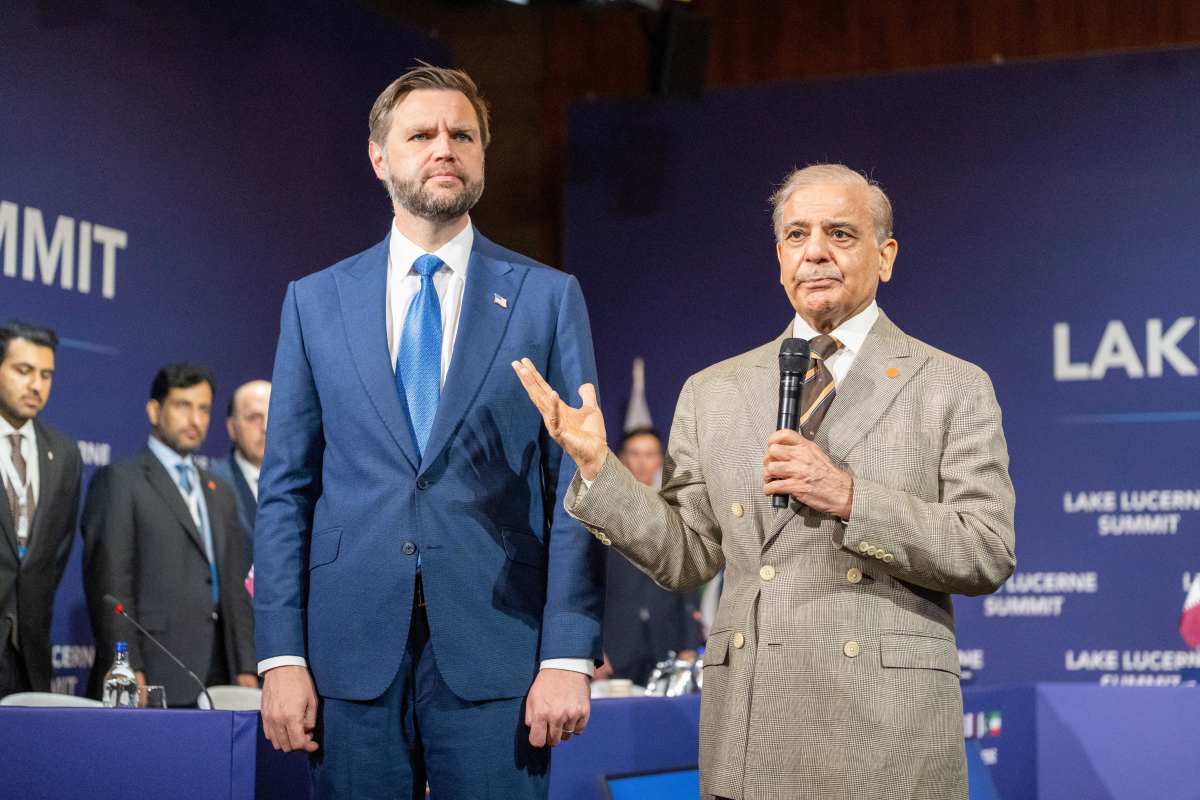
A senior US diplomat involved in the negotiations said discussions focused heavily on enforcing the ceasefire in Lebanon and addressing concerns surrounding recent Iranian statements regarding the Strait of Hormuz. “We made clear we want to ensure it remains fully open. We made good progress on that front,” the official said.
Iran, US officials signal continued engagement as technical talks begin
The negotiations came amid heightened regional tensions and conflicting reports earlier in the day that Iran had withdrawn from discussions, claims later rejected by officials involved in the process. A US official rejected reports that Iran had abandoned the negotiations, saying both delegations remained engaged throughout the day and continued talks into the evening.
Araghchi also pointed to progress following the summit. In a post on X, he said Qatari and Pakistani mediators had delivered “major progress” and identified the newly created Lebanon mechanism as a key benchmark moving forward. “1st real test: Lebanon deconfliction cell,” Araghchi wrote.
Tireless Pakistani and Qatari mediation has delivered major progress to end Lebanon War. Oil and petrochem exports are waived, blockade lifted, some frozen assets released, and major reconstruction & development plan launched for Iran.
— Seyed Abbas Araghchi (@araghchi) June 22, 2026
1st real test: Lebanon deconfliction cell https://t.co/q0okD2qwSO
Qatar and Pakistan said technical talks would continue at the Bürgenstock resort for the remainder of the week as negotiators work toward a comprehensive agreement within the 60-day timeline.
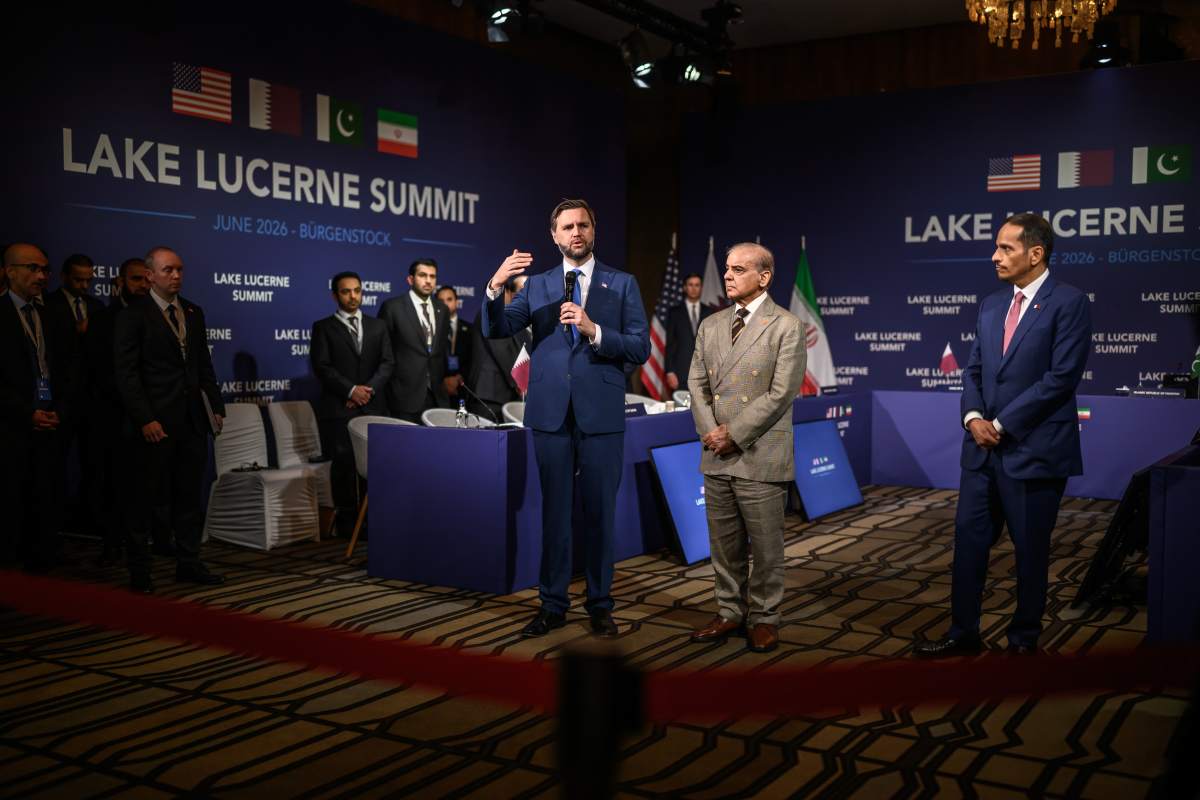
“The State of Qatar and the Islamic Republic of Pakistan express their sincere appreciation to the United States of America and the Islamic Republic of Iran for their ongoing commitment to diplomacy and a peaceful resolution to the conflict,” the statement read.