US military races to vaccinate recruits as flu shots near expiry amid Texas outbreak

WASHINGTON, DC: The US military is scrambling to vaccinate new recruits before its remaining flu vaccine doses expire on June 30, leaving officials with a narrowing window to restore mandatory immunizations after a two-month policy pause.
The renewed vaccination push follows a worsening flu outbreak at Lackland Air Force Base in San Antonio. With fresh vaccine supplies not expected until late August at the earliest, military officials may soon have to rely on temporary infection-control measures instead.
Military races to administer flu vaccines
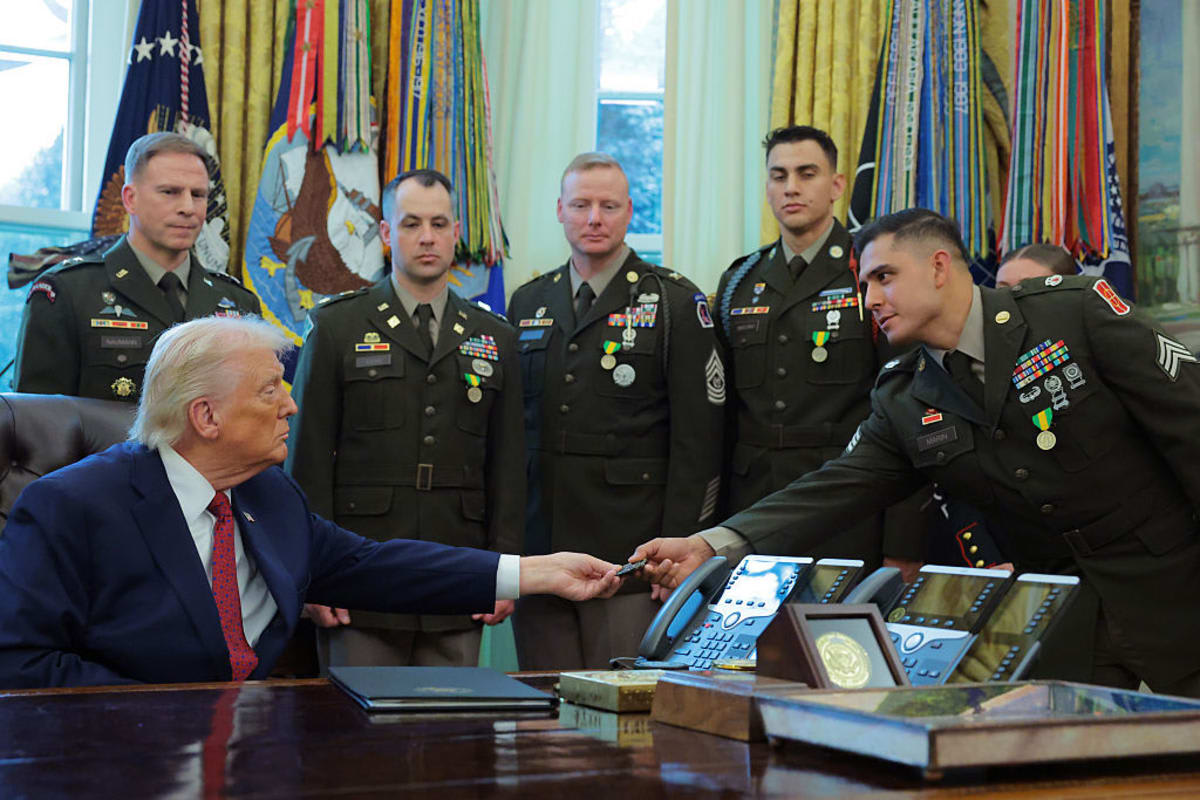
As per the Guardian report, military branches, including the Air Force, Army, and Navy, reinstated mandatory flu vaccinations for new recruits earlier this week after Defense Secretary Pete Hegseth ended the requirement at the end of April.
The timing has created an urgent challenge. The flu vaccines currently being administered are set to expire on June 30, while replacement doses are not expected until August or later because manufacturers are producing next season's vaccine, the report said.
"The earliest that we've been able to vaccinate historically has been late August or early September – certainly by the end of September – but I don't think you can count on them being available before maybe the fourth week of August," said Toti Sanchez, the former deputy chief at the Armed Forces Health Surveillance Division of the Defense Health Agency.

"You just can't change that. The manufacturing timeline is basically etched in stone," he added.
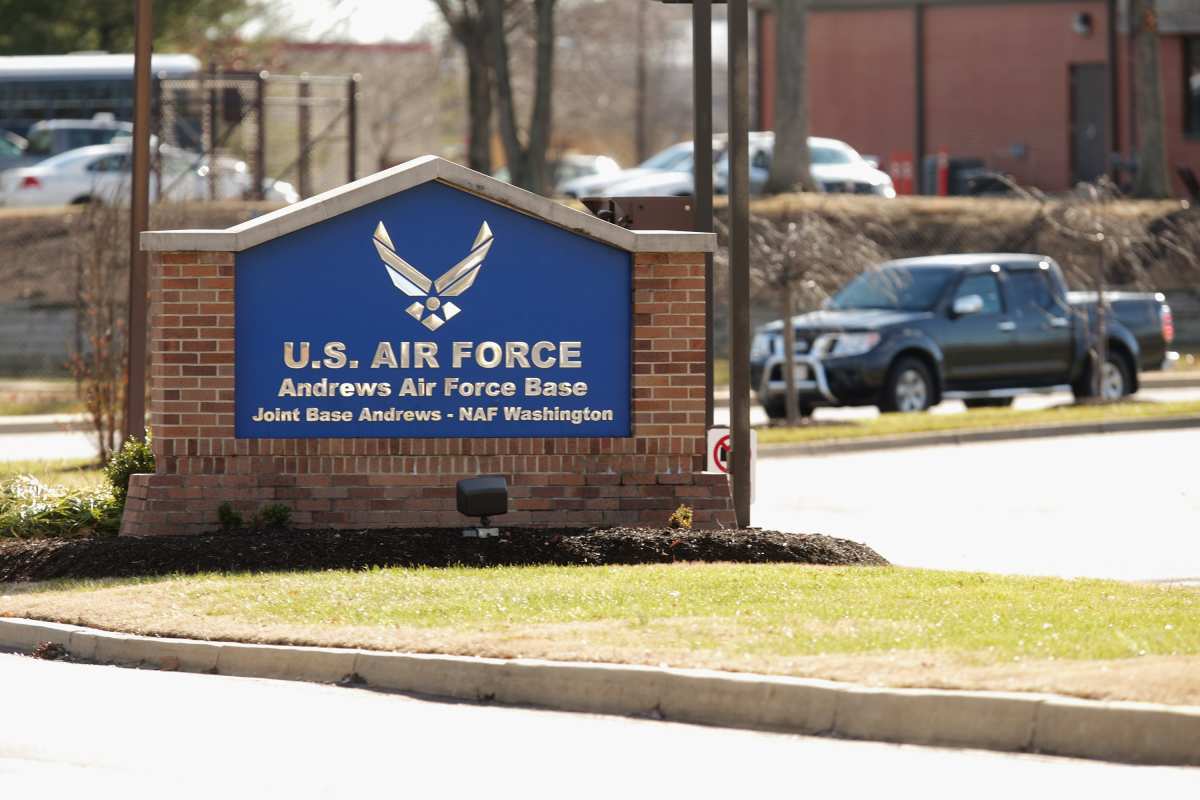
Military leaders had reportedly been working for weeks to restore the mandate even before the outbreak at Lackland sickened at least 275 people and hospitalized four.
Recruit Keon McDaniel died earlier this month after suffering a medical emergency, though investigators have not determined whether his death was connected to the flu outbreak.
Experts warn of boot camp outbreaks
When Hegseth lifted the mandate, he said military services could request exceptions that would effectively allow vaccination requirements to continue.
The recent decisions to restore the mandate followed that process.
After the requirement was suspended, flu vaccination rates reportedly dropped to about 40%, roughly matching those of the broader US population.
But Caitlin Rivers, a senior scholar at the Johns Hopkins Center for Health Security and a former Army civilian epidemiologist, said military boot camps face unique risks.
"Basic training is a unique environment," Rivers said, describing it as "famous for being conducive to outbreaks." "The flu vaccine is critical to preventing outbreaks and maintaining readiness," she added.
“Recruits live in crowded conditions, experience intense physical demands and often get limited sleep, creating conditions that allow influenza to spread quickly. Lackland, the Air Force's only basic training site, also receives trainees from across the US and around the world,” the report said.
Military plans post-vaccine outbreak measures
Sanchez said military leaders are probably "exercising maximum expediency in vaccinating individuals that had not been vaccinated previously" before existing doses expire.
Still, roughly 700 new recruits arrive at Lackland every week while flu cases continue to climb.
“Once vaccine supplies expire, officials will likely rely on smaller dining and shower groups, increased handwashing and sanitizer use, while face masks may have a more limited role because recruits cannot wear them during every activity,” the report stated.
Reflecting on the decision to suspend the longstanding requirement, Sanchez said, "Here we are, 81 years later, and we're turning back the clock."
He said future mRNA vaccine technology could eventually shorten production timelines enough to deliver updated influenza vaccines "within one or two months instead of five to six months."