US records sharpest press freedom decline in Americas, falls from fourth to eleventh: Report

MIAMI, FLORIDA: A new report has raised alarm about declining press freedoms across the Americas, identifying last year as the lowest point for freedom of expression since 2020.
The assessment highlights increasing restrictions on journalists throughout the region. Among the most notable developments, the United States experienced the steepest drop in ranking in the latest press freedom index.
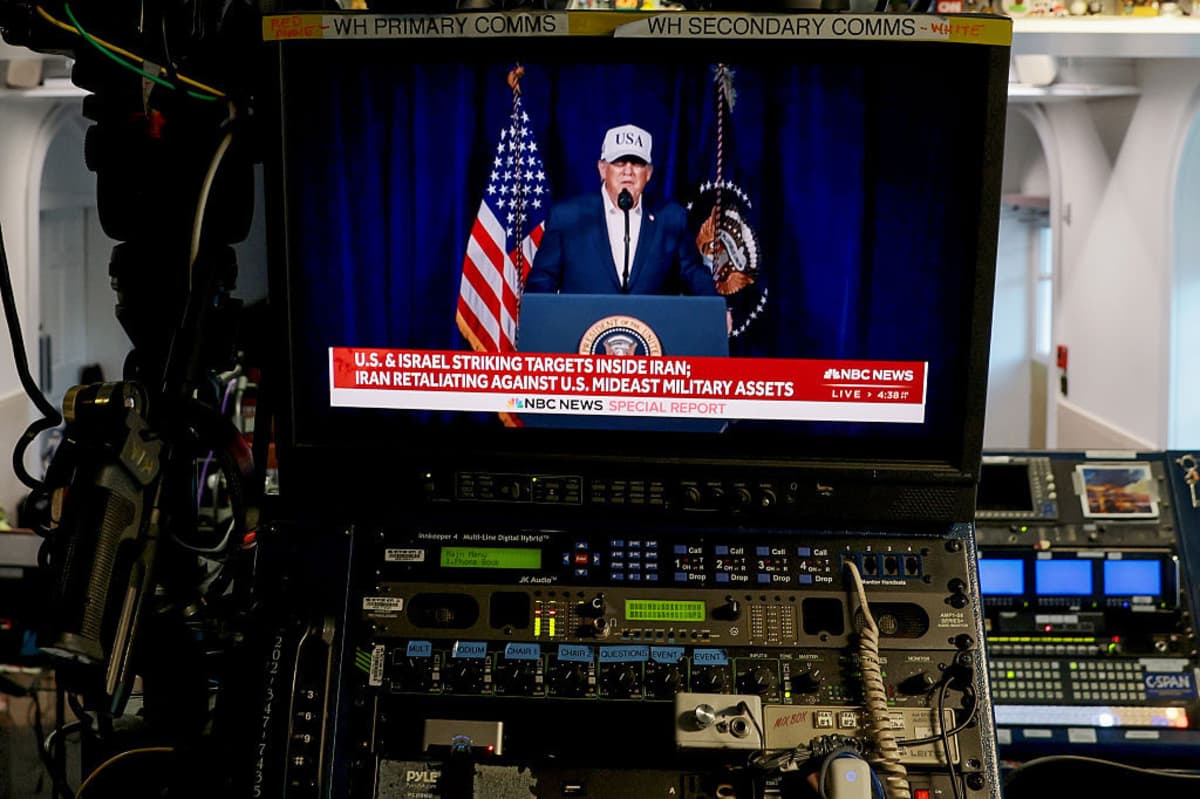
IAPA report highlights press freedom decline across the Americas
IAPA released its latest press freedom index on Tuesday, March 9, ranking last year as the lowest point for freedom of expression since the report began in 2020. Researchers found that the Americas have experienced a “dramatic deterioration” in unrestricted speech.
According to the report, “This is one of the worst years for journalism in the region, marked by murders, arbitrary arrests, exile, and rampant impunity in countries such as Mexico, Honduras, Ecuador, Nicaragua, El Salvador, Guatemala, Colombia, Cuba, and Venezuela.”
The report noted that enhanced restrictions on free speech have occurred in countries of various ideological persuasions, whether right-wing or left-wing.
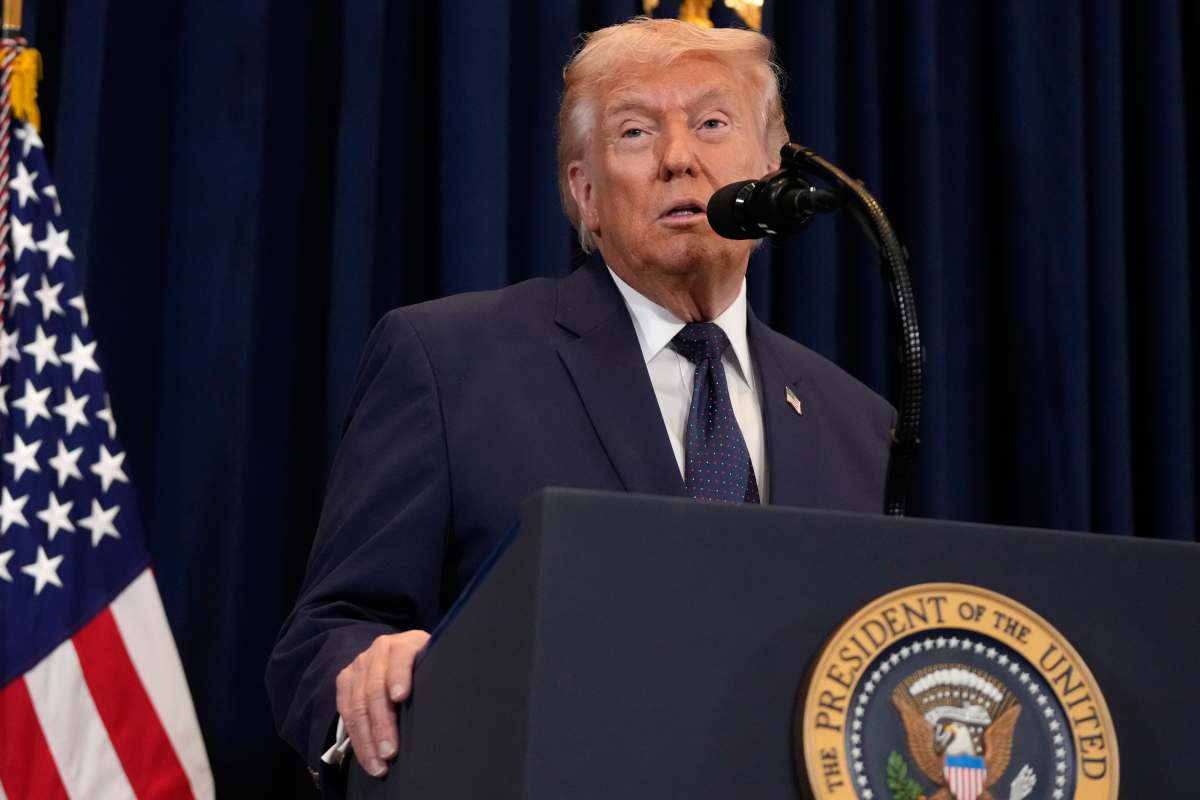
The US was singled out as an area of “alarming decline”. In the ranking of 23 countries across the hemisphere, the US dropped from fourth place to 11th, indicating that journalists operate with increased restrictions.
Changes under President Donald Trump, who returned to office last year, were cited as a primary factor. The report explained, “Even though journalistic practice in the US remains protected by the Constitution and laws, last year’s events saw the erosion of safeguards.”
It said Trump had contributed to the “stigmatization of critical journalism”. The report also pointed to developments such as cuts to public media funding and the closure of Voice of America, a government-funded broadcaster, as detriments to the free press.
In total, the report recorded 170 attacks against journalists in the US last year. It also cited interactions with federal immigration agents as an area of concern.
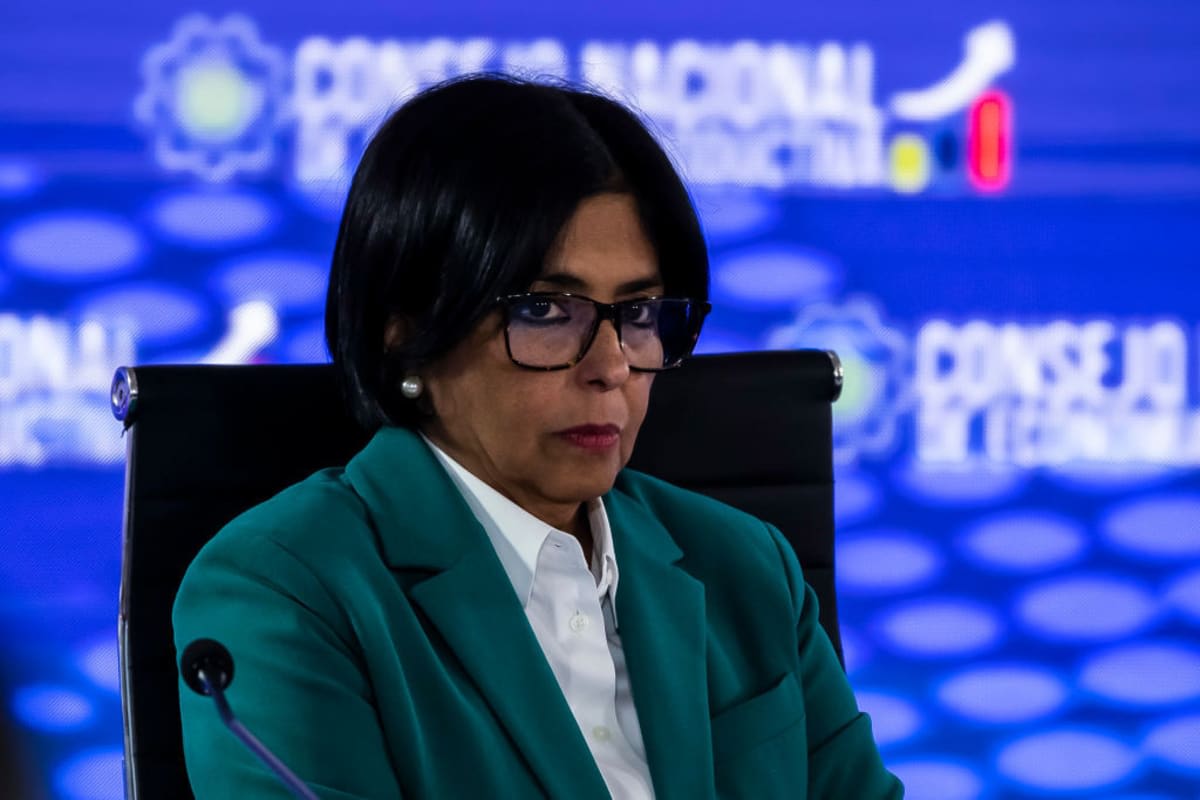
Press freedom challenges in Venezuela, Nicaragua and El Salvador
The report also stated that Nicaragua and Venezuela continue to rank as countries “without freedom of expression”. In Venezuela’s case, the report cited the closure of more than 400 radio stations and the detention of 25 journalists following the controversial 2024 presidential election.
On a scale of 100, press freedom in Venezuela was ranked at 7.02, placing the country last among the 23 countries evaluated. El Salvador also dropped in the index’s latest evaluation, moving to 21st position on the press freedom list, just ahead of Nicaragua and Venezuela.
In a statement accompanying the report, Sergio Arauz, president of the Association of Journalists of El Salvador (APES), condemned what he described as “escalating repression” under the government of President Nayib Bukele.

Arauz said that 50 Salvadoran journalists had been pushed into exile in the past year amid what he described as a campaign of harassment by the government.
“There are no possibilities of practicing journalism fully without facing consequences when there is an Executive branch with virtually unlimited powers and no effective legal oversight,” he said.
Since 2022, Bukele’s government has placed the country under a state of emergency that suspended key civil liberties and granted broad powers to state security forces in the name of tackling crime.
The report said the state of emergency had undermined free speech and also pointed to El Salvador’s new Foreign Agents Law, which allows the government to dissolve organizations receiving funding from abroad.
El Salvador is among eight countries classified as having “high restriction” in the index, along with Ecuador, Bolivia, Honduras, Peru, Mexico, Haiti and Cuba. Meanwhile, the Dominican Republic, Chile, Canada and Brazil ranked among the highest in the report for protecting press freedoms.