US says a Hormuz deal is close, Iran insists it's negotiating with someone else
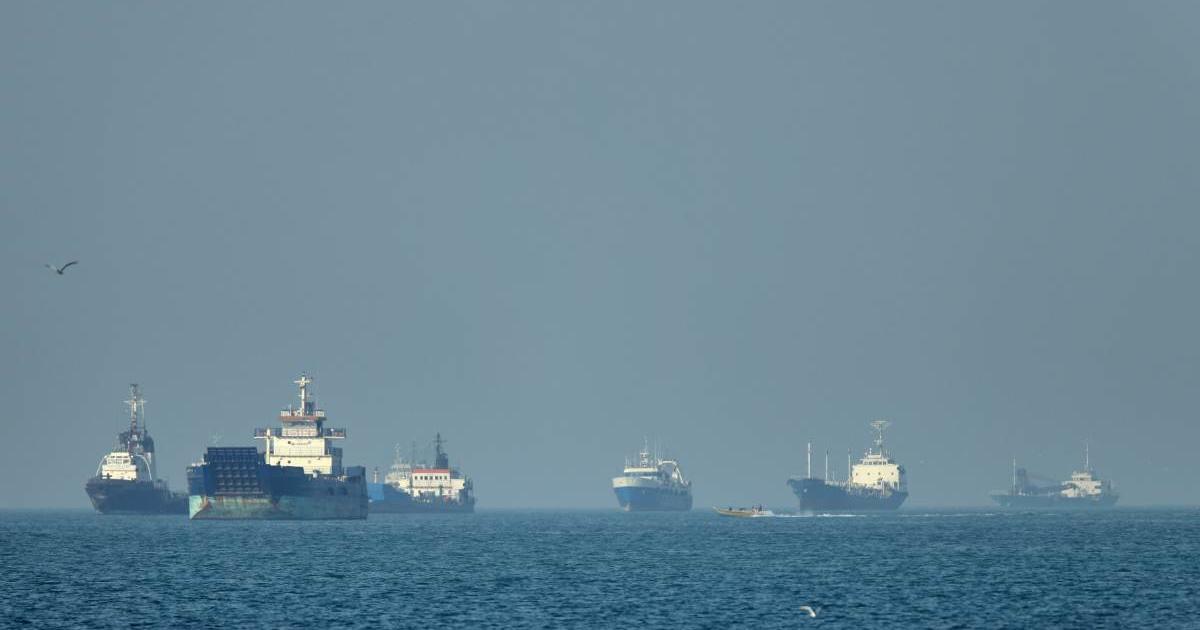
WASHINGTON, DC: The United States and Iran are projecting sharply different narratives at what could be a pivotal moment for one of the world's most important shipping lanes.
Treasury Secretary Scott Bessent said Tuesday, August 4, that a deal to reopen the Strait of Hormuz could be reached within the next 24 to 48 hours, raising hopes of easing months of disruptions to global energy and trade.
Treasury Secretary Bessent: "I think there's a chance we may have a deal today or tomorrow to open the strait." pic.twitter.com/HvXdLE5hyg
— Open Source Intel (@Osint613) August 4, 2026
But even as Washington spoke of direct talks with Tehran, Iranian officials insisted they were negotiating only with neighboring Oman, exposing a striking contradiction over who is actually at the negotiating table.
Bessent sets 48-hour timeline to restore shipping
Treasury Secretary Scott Bessent said the Trump administration believes a breakthrough could arrive "today or tomorrow," describing ongoing discussions aimed at restoring unrestricted commercial shipping through the Strait of Hormuz.
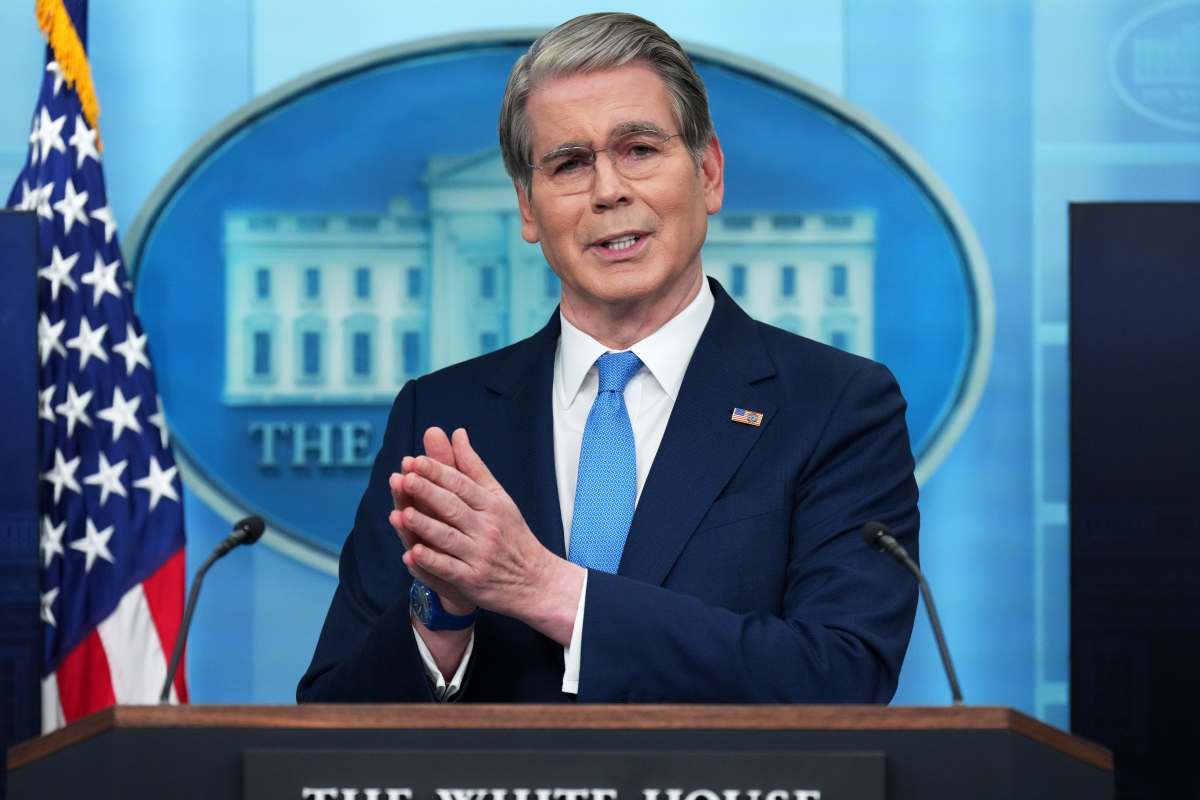
Speaking on CNBC, Bessent said the objective is to guarantee freedom of navigation while preventing Iran from imposing tolls or restrictions on vessels using the strategic waterway.
The comments immediately rippled through financial markets, with oil prices falling as traders anticipated that a successful agreement could reopen one of the world's busiest maritime chokepoints.
Bessent also argued that the reopening would affect far more than crude oil, saying fertilizer, refined petroleum products and industrial gases have all been caught up in the disruption.
For the Trump administration, reopening Hormuz has become a key diplomatic objective after weeks of military confrontation and economic pressure on Tehran.
Iran disputes US negotiations
Hours before Bessent's remarks, Iran publicly rejected the suggestion that it was negotiating directly with Washington.
Foreign Ministry spokesman Esmail Baghaei said Tehran's current discussions are taking place with Oman, which has frequently acted as a regional intermediary between Iran and Western governments.
Baghaei: No negotiations with US at present
— Tehran Times (@TehranTimes79) August 3, 2026
🔹Foreign Ministry Spokesman Esmail Baghaei clarified that Iran is not holding any negotiations with the United States.
🔹"Talks are with Oman—focusing on an agreement for safe maritime transit through the Strait of Hormuz," he said,… pic.twitter.com/OCfUBx0u00
"We are not negotiating with the United States at this time," Baghaei said, adding that the talks are focused on establishing a mechanism to ensure the safe passage of commercial shipping through the Strait of Hormuz.
Iran also stressed that any arrangement would remain temporary unless what it describes as US military aggression comes to an end, suggesting major differences remain despite Washington's optimism.
The conflicting public messages leave open the possibility that indirect diplomacy is occurring through intermediaries even as both governments present different political narratives to domestic audiences.
Global markets await next move
The Strait of Hormuz carries roughly one-fifth of the world's oil supply, making any disruption a major concern for global markets and governments alike.
The latest diplomatic push follows weeks of heightened tensions after previous understandings reportedly collapsed over disagreements involving shipping routes and access through the strategic waterway.
The renewed crisis led to attacks on commercial vessels, intensified US military operations and renewed concerns over global energy supplies.