USS Abraham Lincoln makes first US soil return in 9 months after grueling 302-day deployment
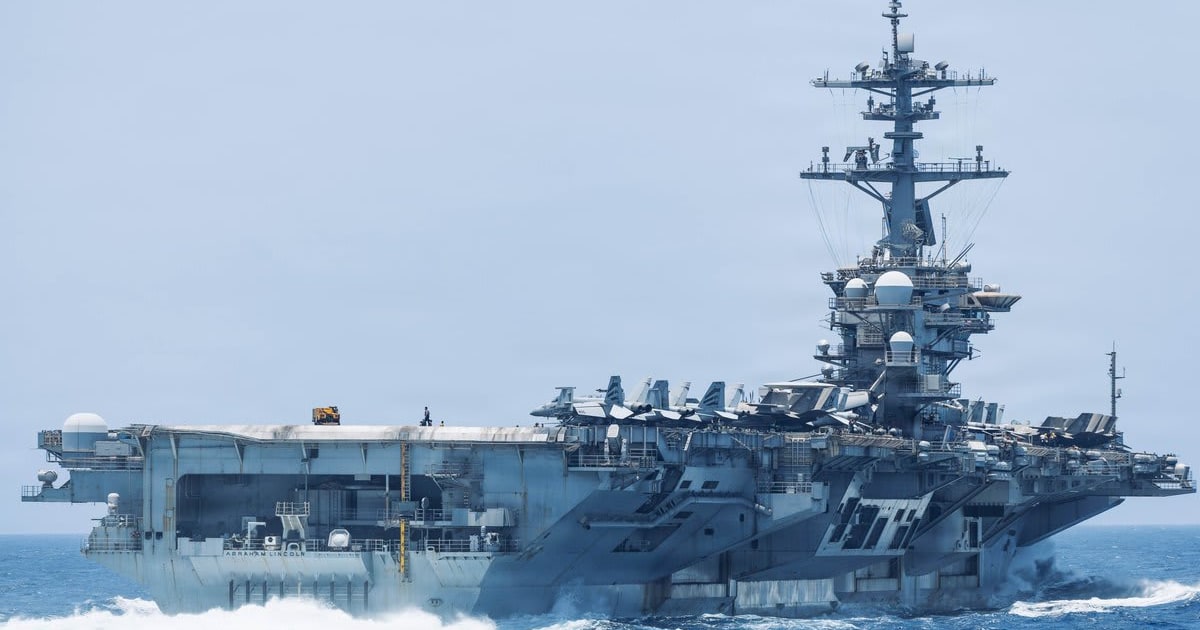
WASHINGTON, DC: The USS Abraham Lincoln arrived at Naval Base Guam on Friday, September 18, for a logistics stop after 302 days of deployment, marking the first time personnel from the carrier have returned to US soil in nine months, according to the US Navy.
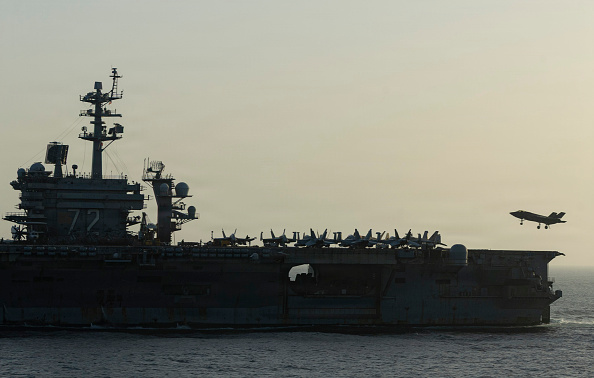
The Nimitz-class aircraft carrier is now continuing its movement toward the US West Coast after nearly seven months of operations in the US Central Command area.
According to the U.S. Navy, the Nimitz class aircraft carrier USS Abraham Lincoln (CVN-72) arrived in Guam yesterday for a logistics stop after more than 300 days deployed. From Guam, it will take roughly 14 days to reach the U.S. west coast and its home port of Naval Base San… pic.twitter.com/ibgdtqEFJX
— OSINTdefender (@sentdefender) September 19, 2026
USS Abraham Lincoln arrives in Guam
The Lincoln arrived in Apra Harbor with the USS Frank E Petersen Jr, an Arleigh Burke-class guided-missile destroyer.
Personnel from Carrier Air Wing 9 and Destroyer Squadron 21 also arrived with the ships.
The Navy said the Guam stop is for logistics, and personnel will have on-base liberty during the visit.
The carrier had previously stopped in Guam in December 2025.
It later operated in the US Central Command region before moving back toward the Pacific.
The Lincoln and Petersen have been deployed for 302 days.
The carrier is expected to reach the US West Coast in early October.
The deployment is already the second-longest US aircraft carrier deployment since the end of the Cold War.
The USS Gerald R Ford holds the post-Cold War record after completing a 326-day deployment in May.
Families reported onboard issues
The length of the deployment drew attention in August after families of Lincoln sailors reported concerns about conditions aboard the carrier.
Families told several news organizations that sailors had experienced food shortages, broken toilets, mold in showers, and problems with laundry facilities.
Other reported concerns included periods without hot water, shortages of some personal-care items, and difficulties with mail.
Kin said that the sailors had described eating half a cup of rice and tortillas during one period.
Several families reported concerns about access to soap, toothpaste, and deodorant.
"I haven't touched land."
— The National Desk (@TND) August 14, 2026
After months at sea aboard the USS Abraham Lincoln, U.S. Navy sailor Randall Stone is opening up about the toll of an extended deployment, saying the crew hasn't made a port call in roughly seven months.
READ MORE: https://t.co/wACDgt7pVS pic.twitter.com/AI3oh16e2f
Families also raised concerns about sailors' mental health during the extended deployment.
Some relatives said repeated extensions to the deployment had added to the strain on sailors who had expected to return home earlier.
The reports also prompted questions about the availability of medical and mental-health resources aboard the carrier.
EXCLUSIVE: Text messages from a service member aboard the USS Abraham Lincoln show horrific conditions.
— Aaron Parnas (@AaronParnas) August 12, 2026
They do not have any fresh food. One service member questioned if the government is doing this intentionally to see how far they can "push sailors' limits." pic.twitter.com/acs6On0sJq
Families raised those concerns during meetings with Navy officials as the deployment continued.
Hegseth disputed the reports, saying the situation aboard the Lincoln had been “completely misrepresented.”
The carrier left San Diego in November 2025 and spent much of its deployment operating in the Middle East.
It remained at sea for extended periods with limited port visits before leaving the region and moving toward the Pacific.