Vance extends 'open hand' to Iran and then issues blunt warning if Tehran tries to 'play' US
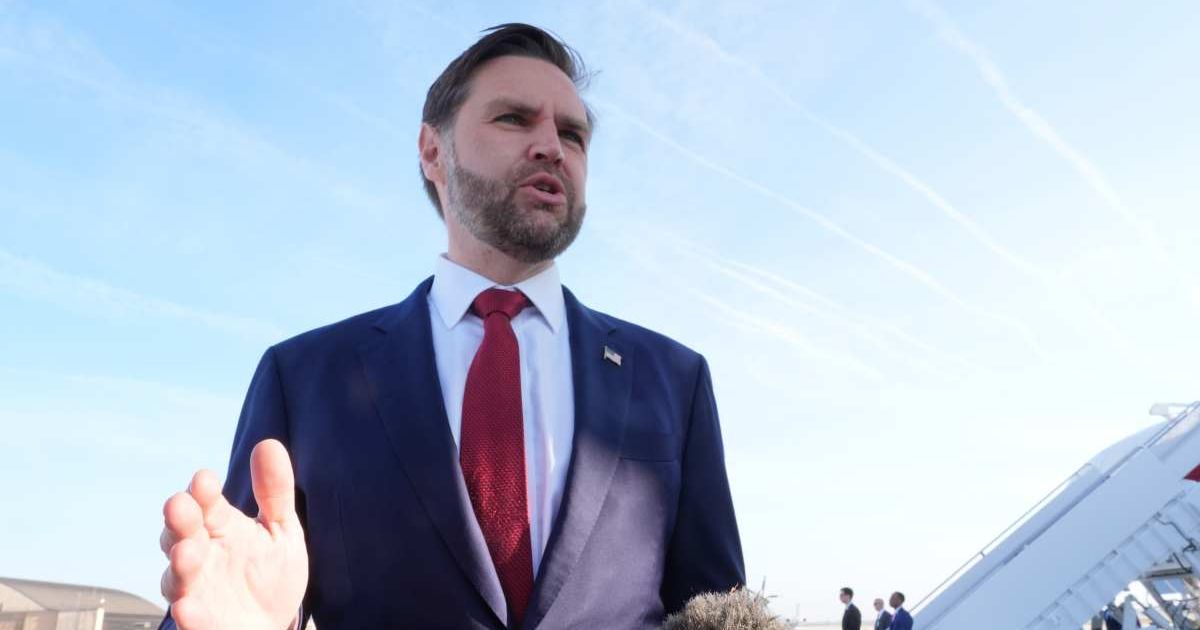
WASHINGTON, DC: Vice President JD Vance on Friday, April 10, departed for Pakistan to lead high-stakes peace talks with Iran, as both sides prepare for negotiations following weeks of conflict. Ahead of his departure, Vance said he expected the discussions to be “positive” but cautioned that outcomes would depend on Iran’s conduct.
The talks come amid a temporary truce between Washington and Tehran, though key disagreements remain unresolved. Officials from both countries have outlined their positions as diplomatic efforts intensify.
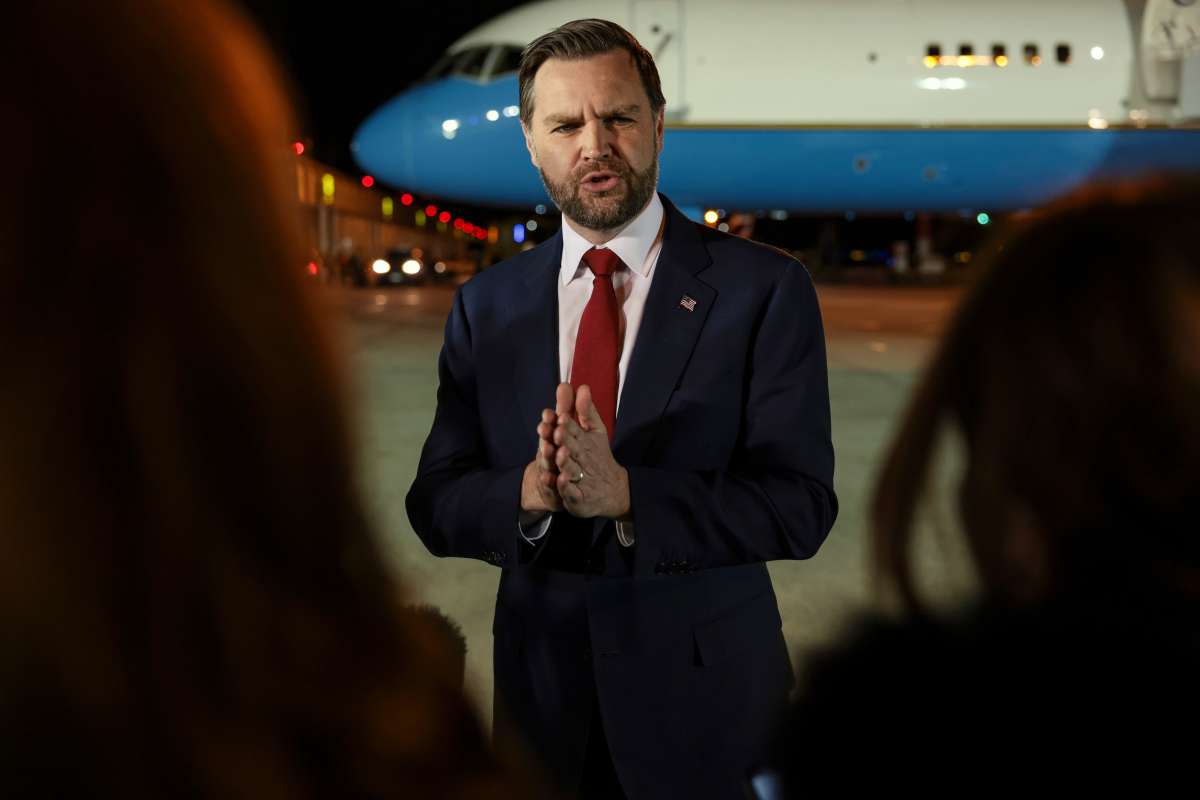
JD Vance signals optimism but warns against bad faith negotiations
Speaking to reporters before boarding Air Force Two, Vance said the US delegation was approaching the talks with cautious optimism. “We’re looking forward to the negotiation. I think it’s going to be positive,” he said.
He emphasized that progress would depend on whether Iran engages constructively.
“If the Iranians are willing to negotiate in good faith, we’re certainly willing to extend the open hand,” Vance said. “If they’re going to try to play us, then they’re going to find that the negotiating team is not that receptive.”
.@VP departs for Islamabad, Pakistan: "As @POTUS said, if the Iranians are willing to negotiate in good faith, we're certainly willing to extend the open hand. If they're going to try to play us, then they're going to find that the negotiating team is not that receptive." pic.twitter.com/9nNDGsMmId
— Rapid Response 47 (@RapidResponse47) April 10, 2026
Vance reiterated that the US position is guided by directives from President Donald Trump.
“The president has given us some pretty clear guidelines, and we’ll see how it goes,” he said, without elaborating on the specifics.
The US delegation traveling to Islamabad includes special envoy Steve Witkoff and adviser Jared Kushner.
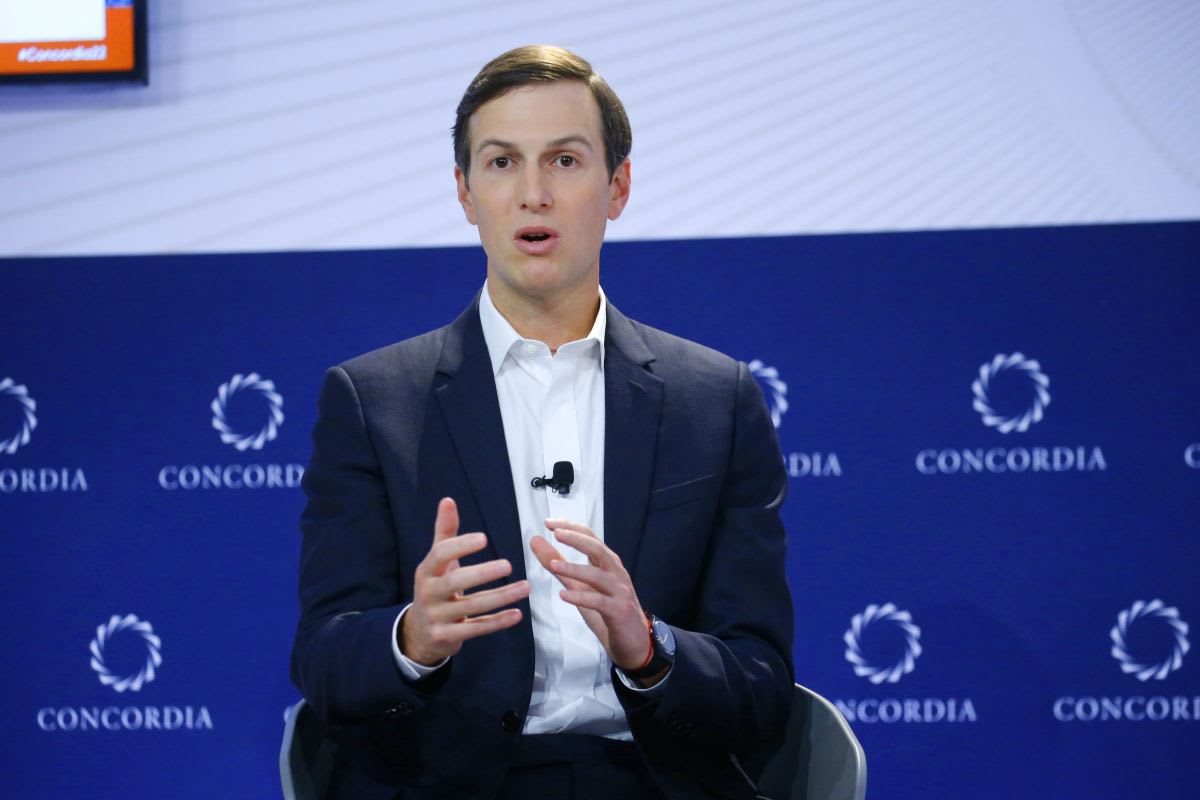
The talks are expected to focus on resolving tensions after more than five weeks of conflict, with major sticking points including Iran’s control over the Strait of Hormuz, its enriched uranium stockpile, and assurances against future military action.
Iran outlines preconditions ahead of planned negotiations
Iranian officials have also set out their expectations ahead of the talks. Speaker of the Parliament of Iran Mohammad Bagher Ghalibaf said negotiations cannot begin unless certain conditions are met.
In a statement, he said, “Two of the measures mutually agreed upon between the parties have yet to be implemented: a ceasefire in Lebanon and the release of Iran’s blocked assets prior to the commencement of negotiations. These two matters must be fulfilled before negotiations begin.”
Two of the measures mutually agreed upon between the parties have yet to be implemented: a ceasefire in Lebanon and the release of Iran’s blocked assets prior to the commencement of negotiations.
— محمدباقر قالیباف | MB Ghalibaf (@mb_ghalibaf) April 10, 2026
These two matters must be fulfilled before negotiations begin.
The demand for the release of blocked assets has been a recurring issue in previous diplomatic engagements, though its inclusion as a prerequisite for talks marks a notable development.
The upcoming negotiations follow a two-week truce agreed upon by Washington and Tehran, aimed at de-escalating hostilities and creating space for diplomacy. However, differences remain over the scope of the ceasefire and broader regional issues.
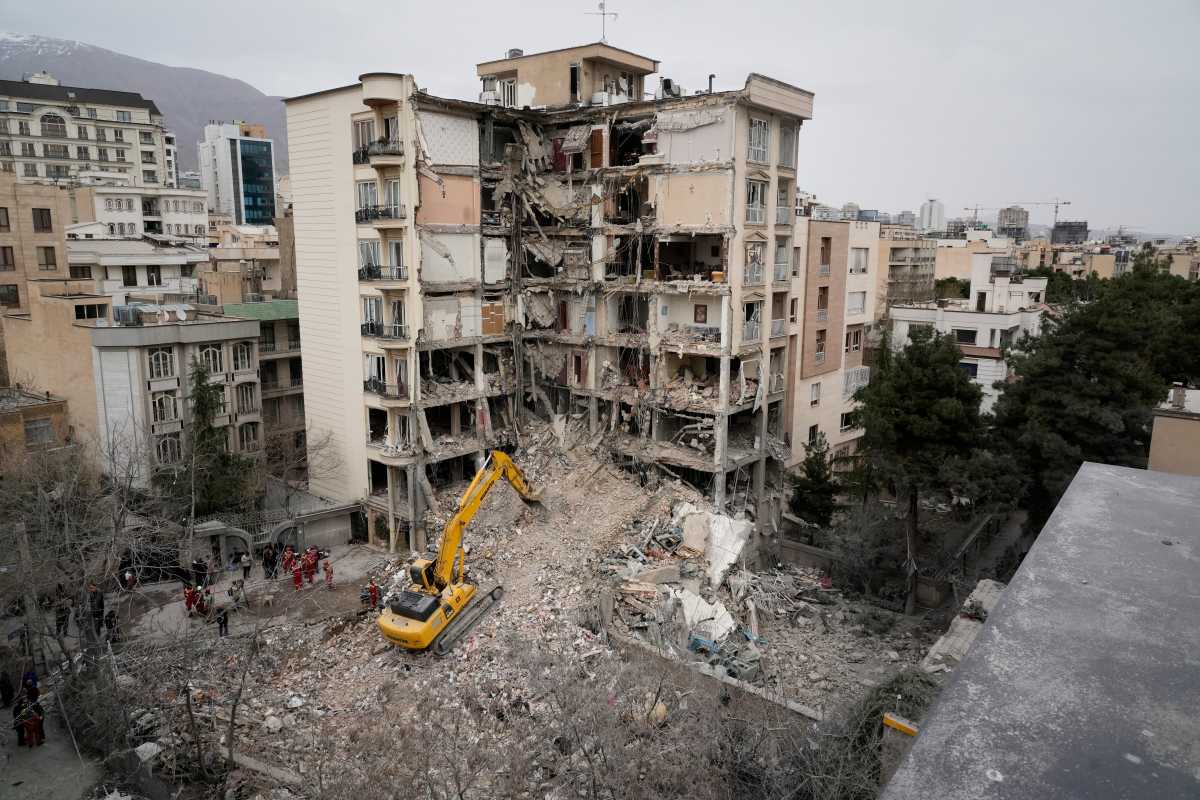
As the delegations prepare to meet in Islamabad, both sides have signaled openness to dialogue while maintaining firm positions on key demands.
The outcome of the talks is expected to play a significant role in determining whether the temporary truce can evolve into a more lasting agreement.