Barack Obama’s meetings with Raul Castro resurface after US indicts former Cuban president
WASHINGTON, DC: The ghosts of Barack Obama’s past relationship with Cuba came back to haunt him on Wednesday, May 20, as the Trump Justice Department unsealed an indictment charging 94-year-old Raul Castro with murder, conspiracy to kill US nationals, and destruction of aircraft in the 1996 shootdown of two unarmed civilian planes.
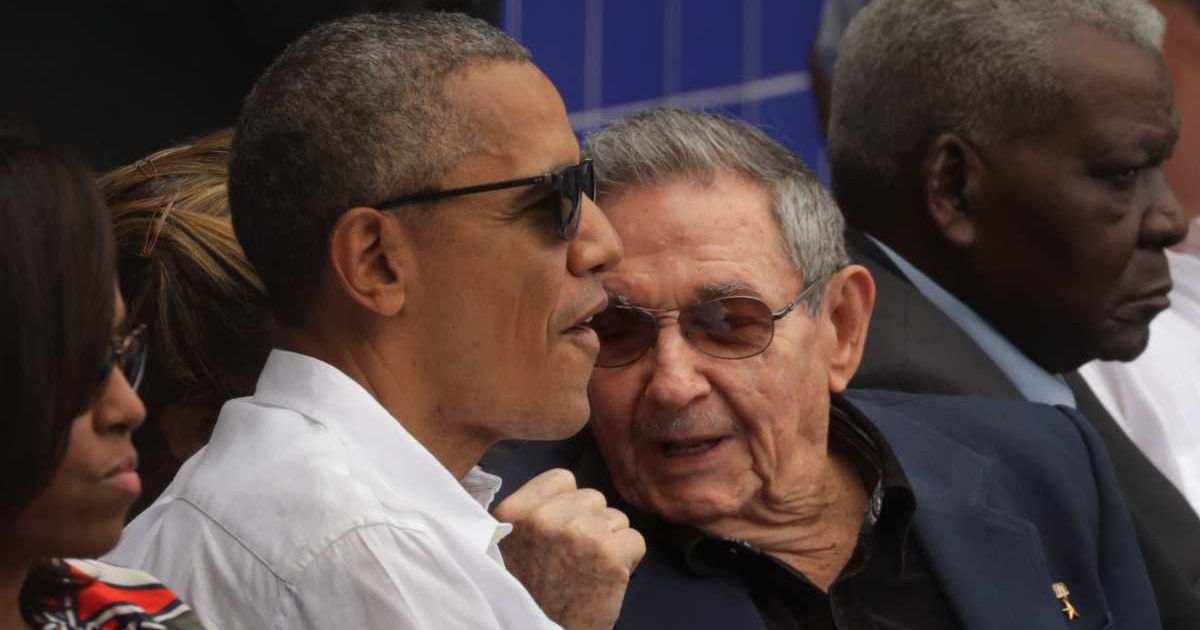
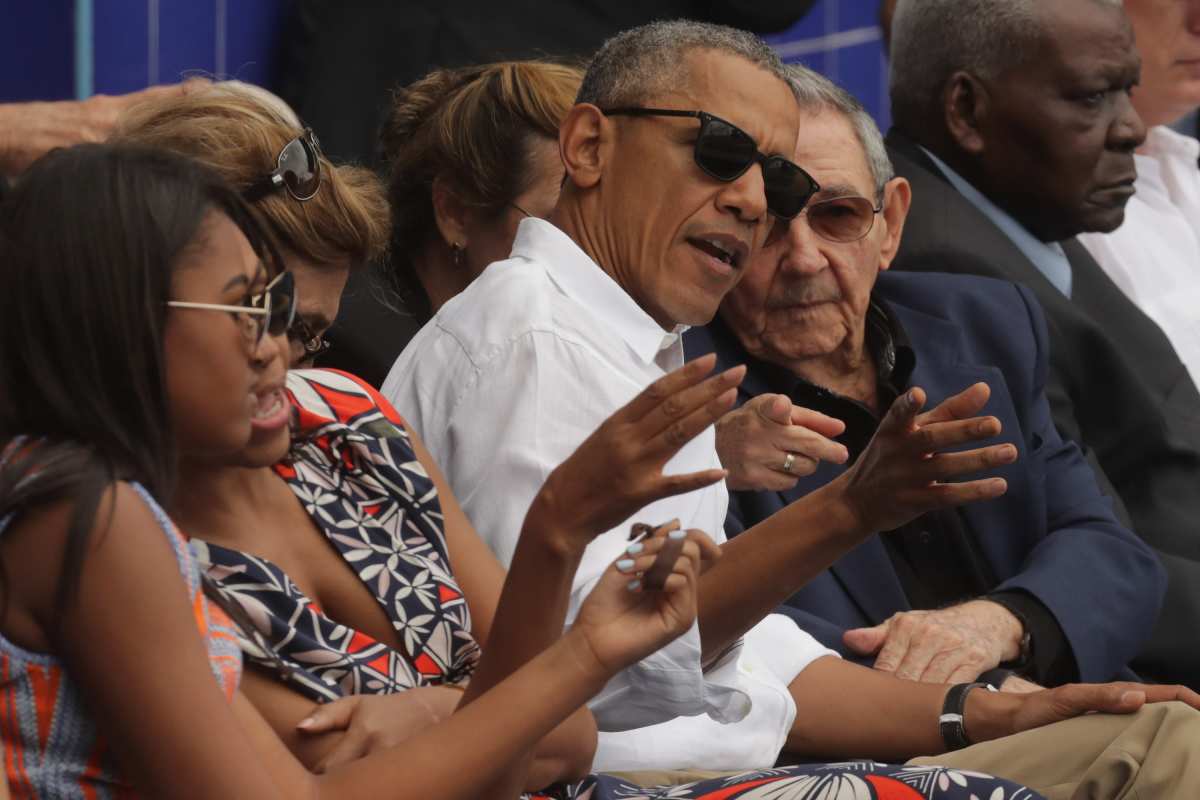
The move has Cuban exiles in Miami cheering while photos of Obama shaking hands, waving, and watching baseball with the man now accused of ordering the deaths of four people resurfaced across social media.
Decades of waiting for justice
A federal grand jury in Miami charged Raul Modesto Castro Ruz, then Cuba’s defense minister and brother of Fidel Castro, along with five other regime figures for their roles in the February 24, 1996, attack on Brothers to the Rescue planes.
The group was founded by Cuban exiles in Miami and flew humanitarian missions over the Florida Straits searching for rafters fleeing the communist island. On that fateful day, three Cessna aircraft took off from Opa-locka Airport. Cuban MiG fighters, acting under orders from military leadership overseen by Castro, shot down two of them in international waters with air-to-air missiles.
Among those killed were three US citizens, namely Carlos Costa, Armando Alejandre Jr, and Mario de la Pena, and a US resident, Pablo Morales. A third plane piloted by group founder Jose Basulto escaped.
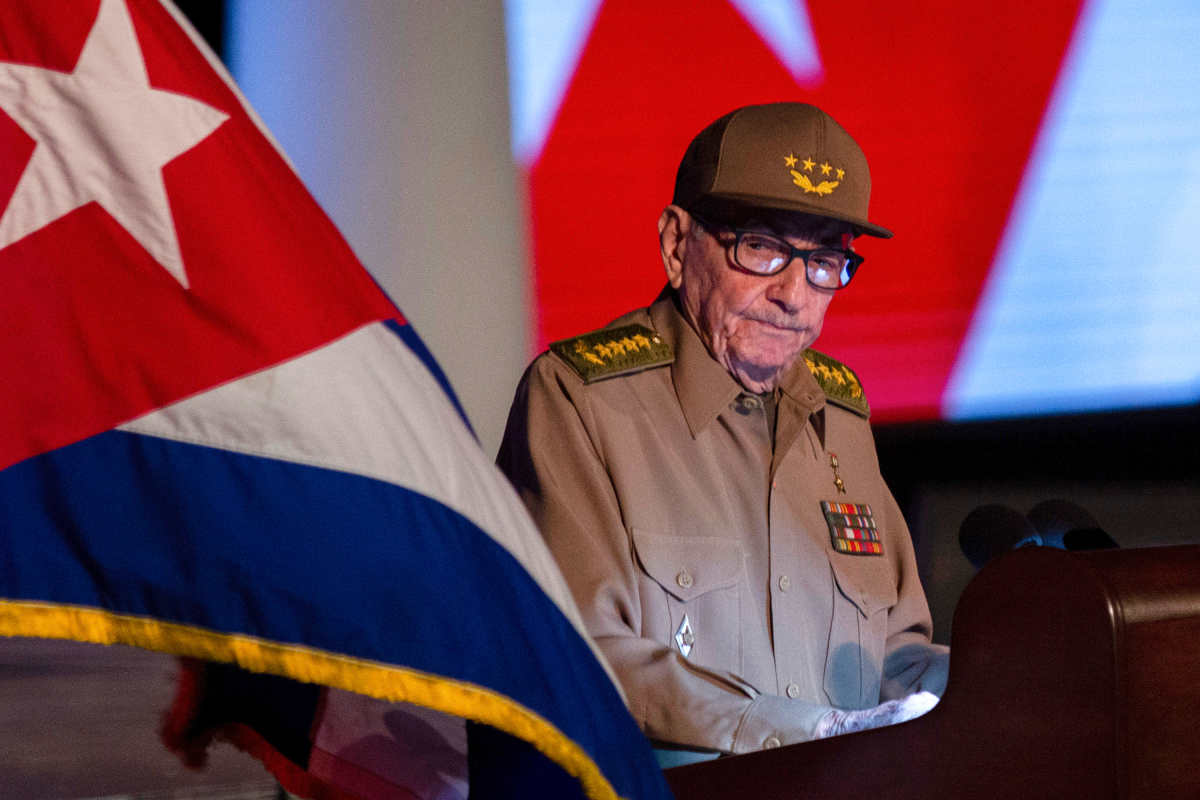
Acting Attorney General Todd Blanche announced the charges at Miami’s Freedom Tower, a symbol of refuge for Cuban exiles. “Over three decades later, we are committed to holding those accountable for the murders of four brave Americans," he said. "President Trump and this Justice Department are committed to restoring a simple principle: if you kill Americans, we will pursue you. No matter who you are. No matter what title you hold.”
FBI Director Kash Patel commented, “For 30 years these families have waited for answers — and this FBI never forgot.”
The indictment alleges Cuban intelligence infiltrated Brothers to the Rescue and used flight information to plan the attack, with pilots trained specifically for intercepting slow civilian planes.
President Donald Trump called it a “very big day.” Cuban officials dismissed the charges as a political stunt.
Spotlight on Barack Obama’s past relationship with Cuba
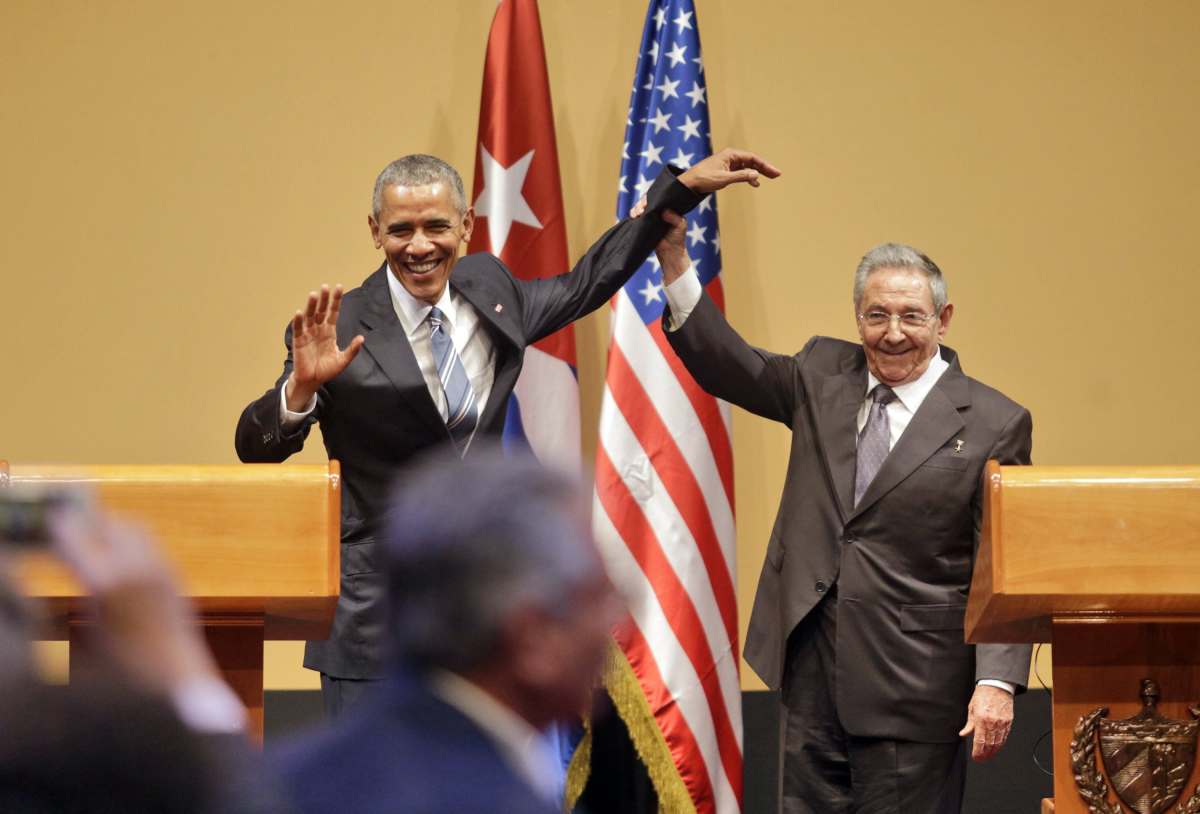
The timing has thrust Obama’s 2014-2016 opening to Cuba back into the spotlight. In March 2016, Obama became the first sitting US president to visit the island in 88 years. He met Raul Castro multiple times, including a joint press conference at Havana’s Palace of the Revolution.
Obama said at the time, “This is a new day — es un nuevo dia — between our two countries...We continue...to have some very serious differences, including on democracy and human rights. And President Castro and I have had very frank and candid conversations on these subjects.”
He praised Cuba’s achievements in education and health care while affirming “Cuba’s destiny will not be decided by the United States... The future of Cuba will be decided by Cubans.” Obama also pushed for more travel, trade, and Internet access, announcing deals and exchanges.
Castro welcomed the visit as the first by a US president in nearly nine decades and noted concrete results from restored diplomatic ties. The two leaders later attended an exhibition baseball game between the Tampa Bay Rays and Cuba’s national team.
Barack Hussein Obama (@BarackObama) once stood with Raúl Castro in a packed Cuban baseball stadium surrounded by cheering fans.
— Charles R Downs (@TheCharlesDowns) May 20, 2026
Pretty remarkable footage, given that the U.S. government just indicted Castro for plotting to kill Americans.
Hussein Obama is yet another… pic.twitter.com/Cc97CUVZL5
During the joint presser, reporters pressed Castro on political prisoners. He famously replied, “Give me a list of the political prisoners and I will release them immediately... What political prisoners?”
That said, the 1996 shootdown was no secret. It drew international condemnation, led to the Helms-Burton Act tightening the embargo, and has long been a flashpoint for Miami’s Cuban-American community. Families of the victims have waited 30 years.