Democrat Moulton slams Trump’s Iran deal as a ‘lose, lose, lose’ agreement for America
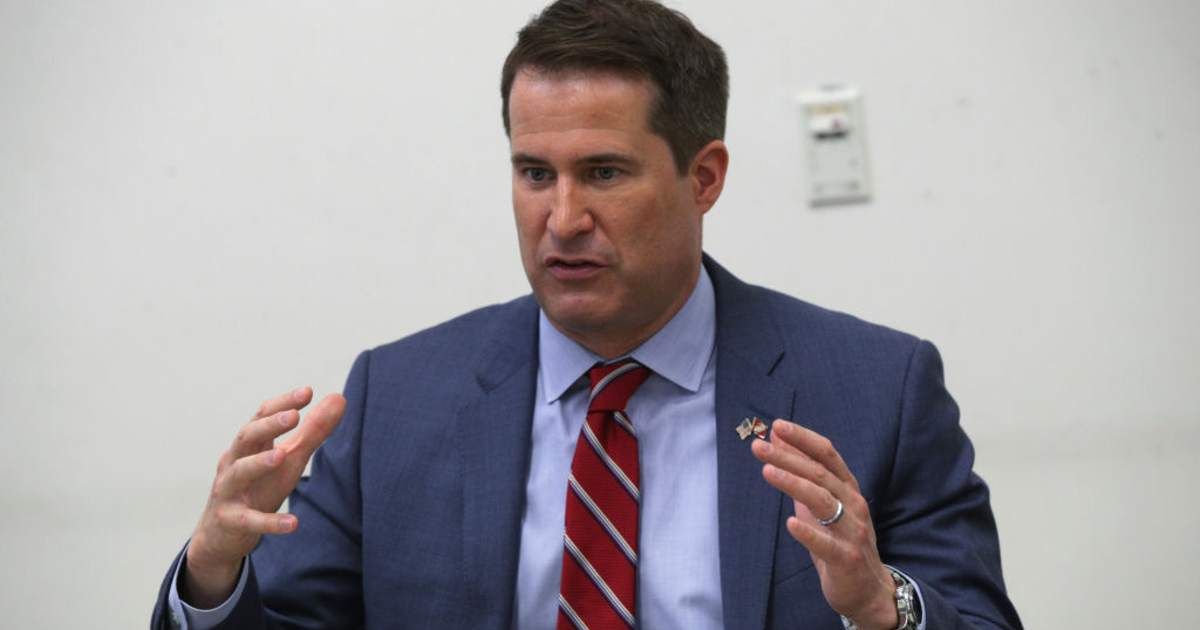
WASHINGTON, DC: Representative Seth Moulton (D-Mass) has launched a scathing assault against the White House's pending Persian Gulf peace framework, characterising the prospective maritime treaty as an absolute surrender document to the Supreme Leader of Iran.
Speaking Saturday on MS NOW, the influential House Armed Services Committee member delivered a blunt counterpoint to the administration's promises of an honorable conclusion to the 100-day war, arguing that the transaction delivers nothing but lopsided advantages to Tehran.
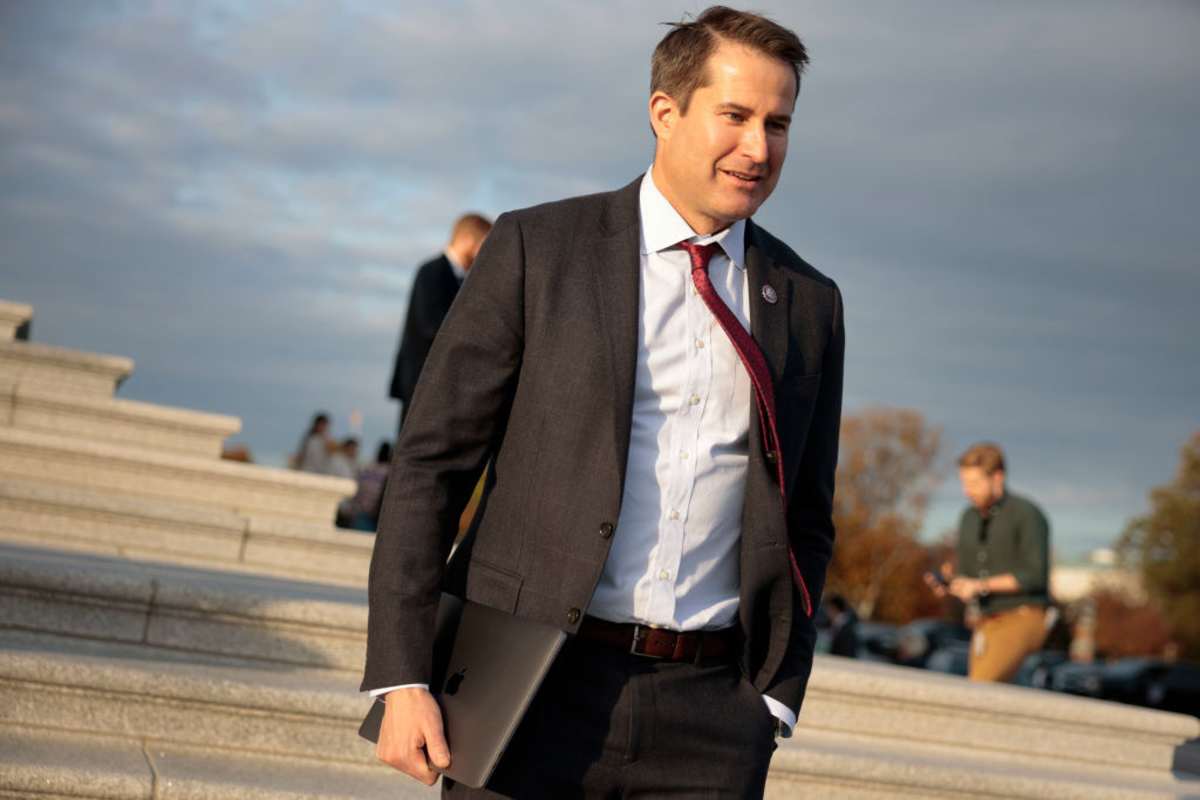
The sharp political confrontation unfolds precisely as the executive branch pushes for an immediate electronic signing to coincide with weekend milestones.
While the administration promises that the memorandum will stabilize energy corridors, Moulton insists that the underlying terms represent a catastrophic policy failure that leaves American national security deeply compromised.
High costs, low returns
Moulton heavily targeted the massive economic and human sacrifices sustained since hostilities erupted on February 28.

The lawmaker noted that the conflict has already consumed over $100 billion in taxpayer funds and resulted in the tragic deaths of 14 American service members, yet the final treaty merely restores the baseline status quo.
"We get a deal that just reopens the strait that was already open before he started the war? How is that a win?" Moulton demanded.
He argued that by treating a return to previous navigation rights as a historic triumph, the White House is masking a costly mistake that validates Iran's disruptive tactics.
Tehran turns economic chokehold into leverage
The veteran Democrat observed that the administration’s intense desperation for a swift public relations victory has handed supreme leverage to Iranian negotiators.
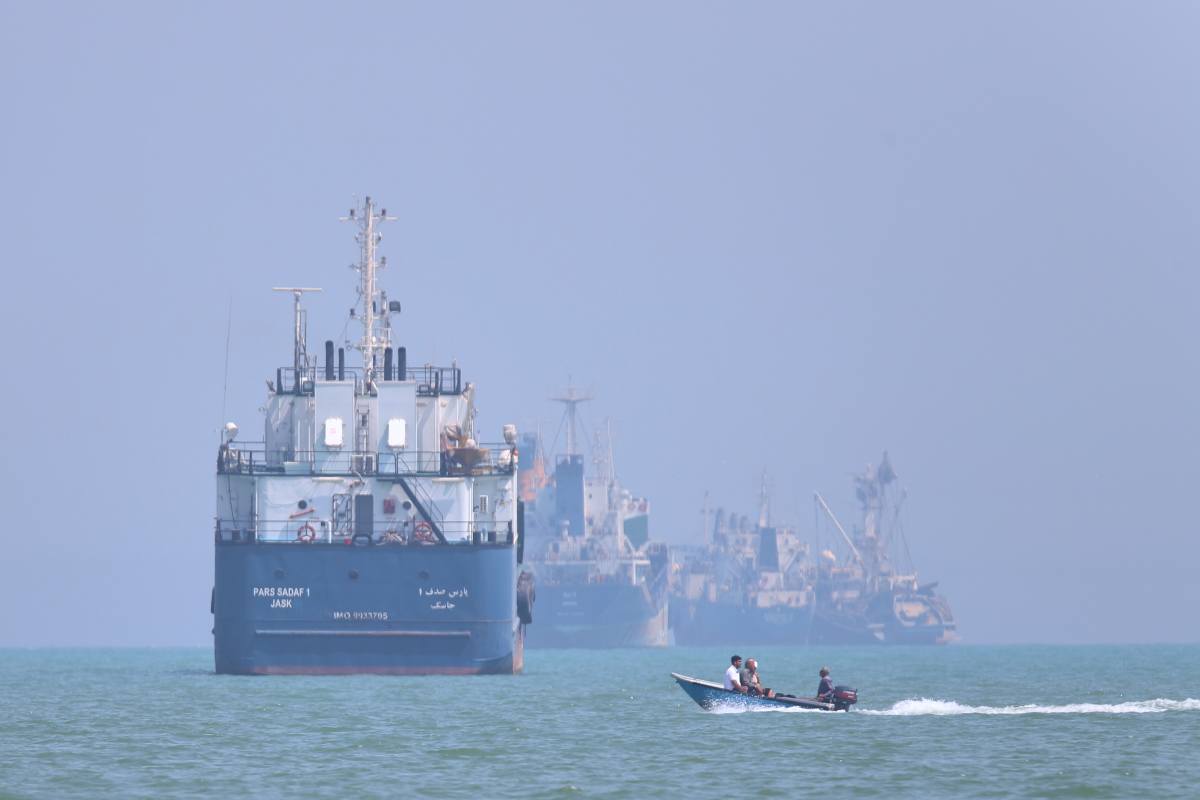
Moulton explained that Tehran remains perfectly content to drag out technical timelines because its ongoing blockade of the Strait of Hormuz maintains a literal stranglehold on global energy markets.
His doubts about the executive timeline were confirmed by Iranian Foreign Ministry spokesperson Esmaeil Baghaei.
Speaking to the Tasnim News Agency, Baghaei flatly rejected the White House's Sunday deadline, citing Washington's internal political instability as a primary reason for caution and pushing any formal signing into the coming days.