Hegseth Says Iran Has “Very High” Incentive to Hold Ceasefire After Failed Talks
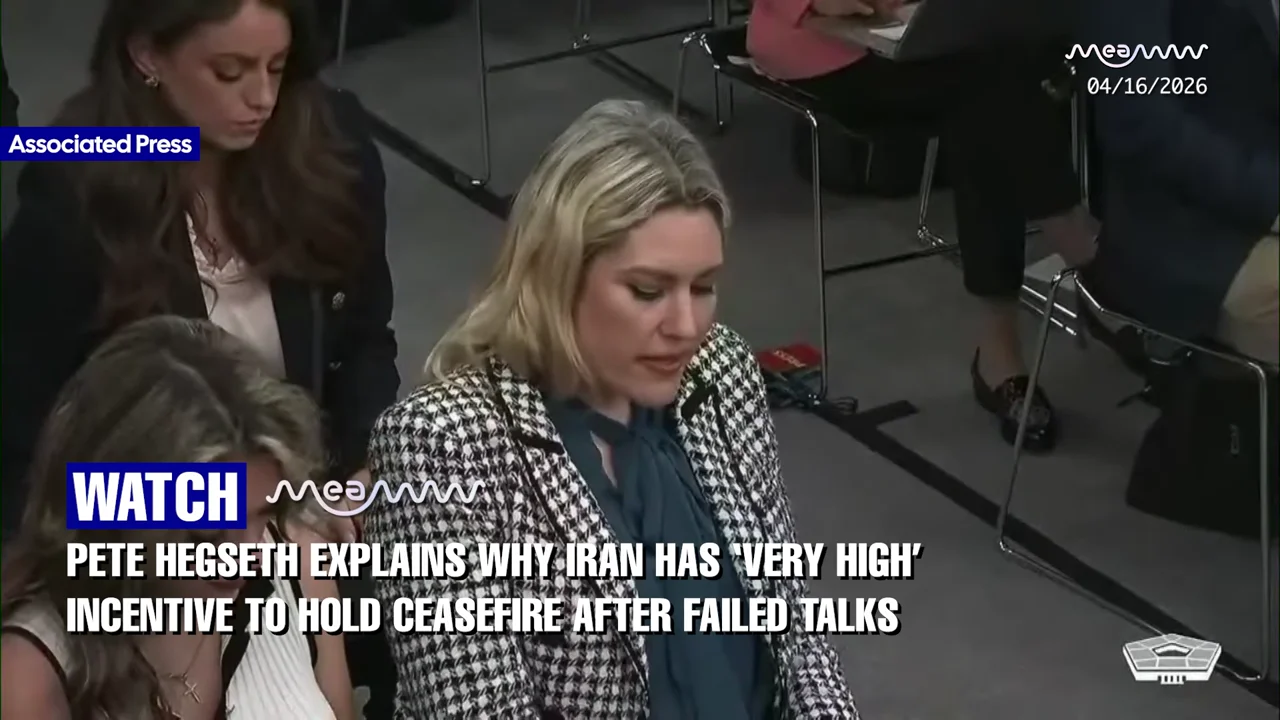
Defense Secretary Pete Hegseth said Iran now has a “very high” incentive to maintain the ceasefire, even after recent talks failed to produce a lasting agreement. Speaking amid rising tensions, Hegseth argued that U.S. military pressure and economic disruption have left Iran in a weakened position, making continued peace the safer option.
According to U.S. officials, Iran’s military infrastructure has been significantly damaged, with missile systems, production facilities, and command networks heavily degraded. This has limited Tehran’s ability to sustain prolonged conflict, increasing its incentive to avoid renewed fighting.
At the same time, the U.S. has maintained strong leverage through a naval presence and the threat of further strikes on Iran’s energy and infrastructure sectors. Hegseth warned that American forces remain ready to escalate if necessary, reinforcing pressure on Iran to stick to the ceasefire despite stalled negotiations.
He also pointed to internal challenges within Iran’s leadership and military coordination, suggesting that instability on the ground makes de-escalation a more attractive path for Tehran moving forward.
In this video we cover:
• Why Hegseth says Iran has a “high incentive” to hold the ceasefire
• What happened in the failed U.S.–Iran talks
• The impact of U.S. strikes on Iran’s military capabilities
• What could happen next if the ceasefire breaks
Watch the full video for the latest updates on the Iran conflict, ceasefire negotiations, and global geopolitical developments.
#PeteHegseth #PentagonBriefing #Iran #Ceasefire #USA #USPolitics #America #BreakingNews #Geopolitics #MiddleEast