Why Was America Importing Seafood From Abroad While Its Own Fishermen Were Locked Out?
Why Was America Importing Seafood From Abroad While Its Own Fishermen Were Locked Out?
For years, a major debate has been simmering along America's coastlines.
The United States is home to some of the world's richest fishing waters, yet much of the seafood consumed by Americans is imported from overseas.
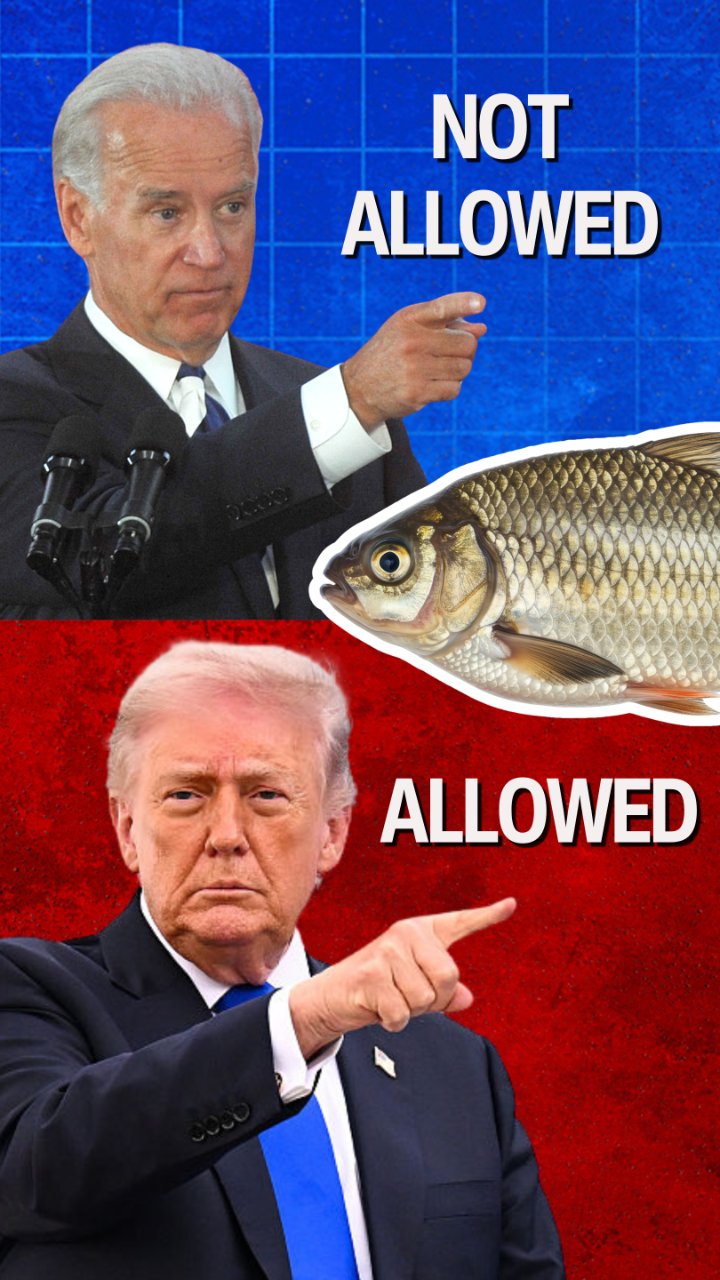
This week, President Trump signed a proclamation reopening roughly half a million square miles of Pacific fishing grounds to commercial fishing, reversing restrictions that expanded during the Obama-Biden years.
Supporters argue the previous rules placed American fishermen at a disadvantage by limiting access to vast fishing areas while foreign competitors continued participating in the global seafood market. They believe reopening these waters could boost domestic seafood production, strengthen coastal economies, support working families, and reduce reliance on imports.
Critics, however, argue conservation concerns remain important and warn that legal and environmental challenges surrounding the policy may continue.
The debate has now grown far beyond fishing itself. It has become a broader argument about conservation, domestic production, economic competitiveness, and who should benefit first from American resources.
What do you think?
Should American fishermen face restrictions in waters where foreign competitors can still profit?
#Trump #DonaldTrump #FishingIndustry #AmericanJobs #SeafoodIndustry #CommercialFishing #PacificOcean #USEconomy #MadeInAmerica #AmericaFirst #CoastalCommunities #FishingNews #USPolitics #EconomicPolicy #AmericanWorkers #Seafood #Fishing #PoliticalNews #BreakingNews #NewsUpdate