Wes Moore pushes back on Trump’s governors meeting snub: ‘Certain traditions are being broken'
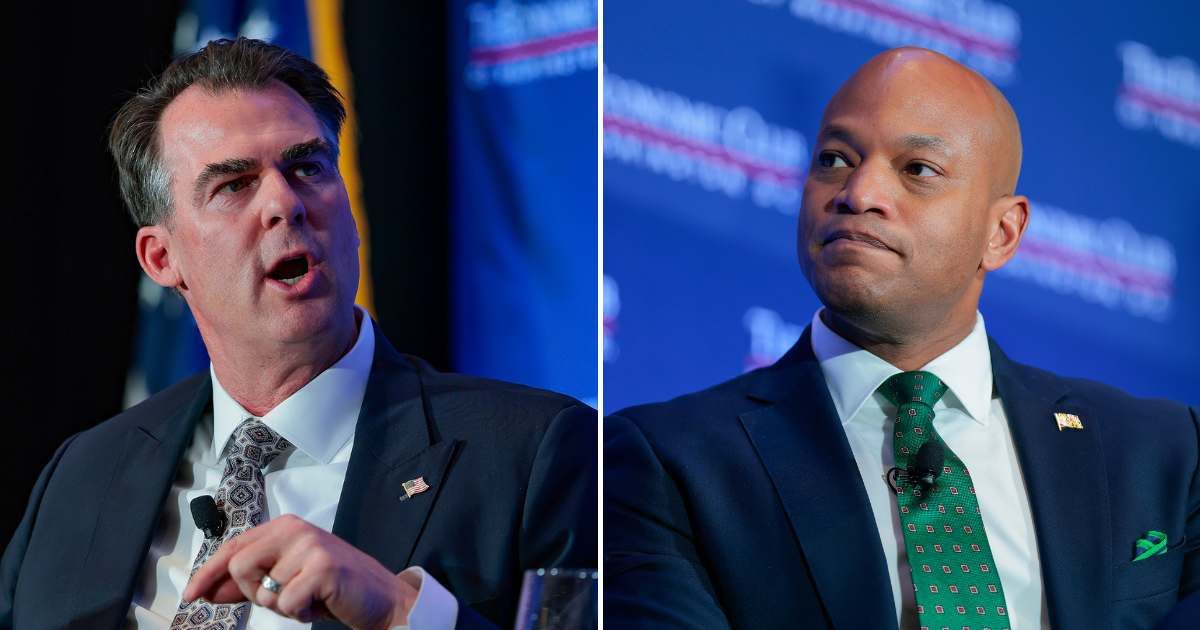
WASHINGTON, DC: Republican chair of the National Governors Association, Governor Kevin Stitt of Oklahoma, and the group's Democratic vice chair, Governor Wes Moore of Maryland, have responded to attacks from President Donald Trump as tensions escalate over the White House’s decision to break long-standing bipartisan traditions.
The dispute centers on President Trump’s move to exclude certain Democratic leaders from official business meetings ahead of the annual governors' gathering scheduled for this week.
Kevin Stitt defends NGA policy after Trump criticism
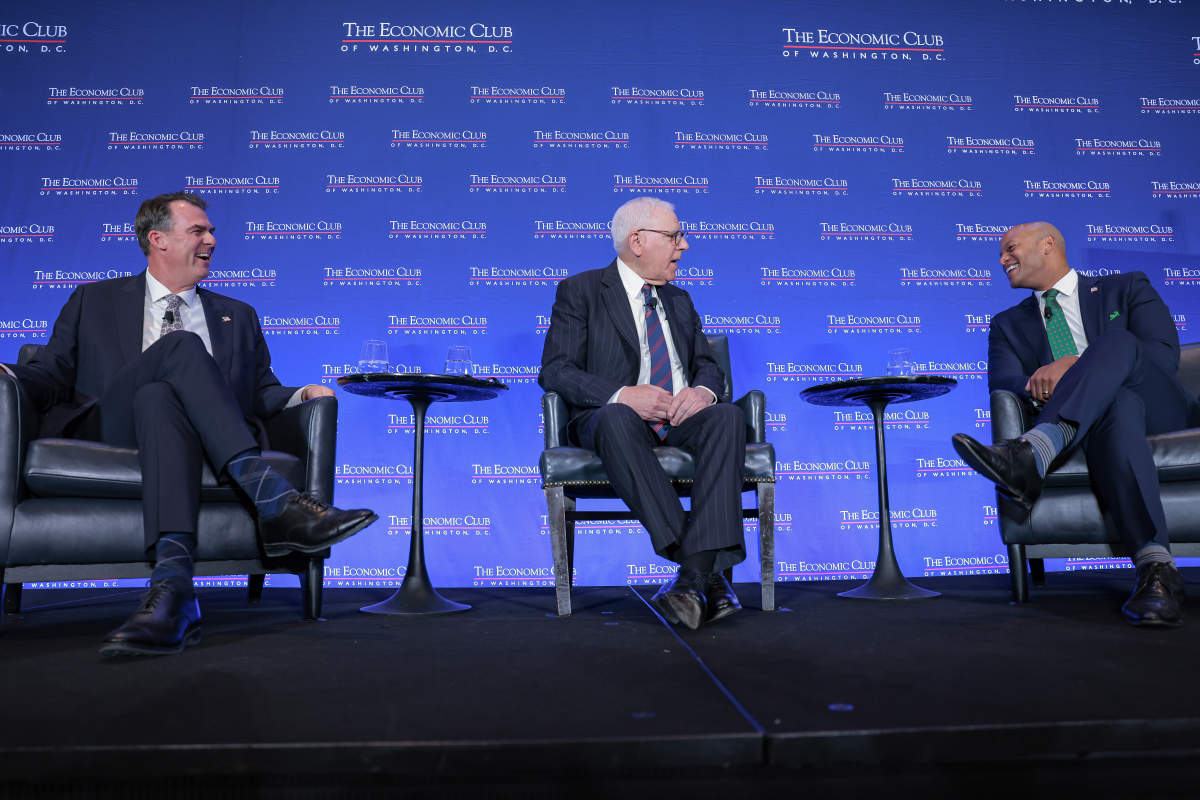
Governor Kevin Stitt, while maintaining his support for President Trump’s right to choose his guests, clarified the NGA’s stance during an Economic Club of Washington event held on Wednesday, February 18.
When David Rubenstein, chairman of the Economic Club of Washington, asked Oklahoma Governor Kevin Stitt where he would be on February 21, Stitt reaffirmed his commitment to attending the White House event.
"I will be at the White House on Saturday night and, you know, to speak on that issue, I basically just simply said the NGA is not the facilitator if not all governors are invited," Stitt explained.
"Right? You can invite whoever you want to the White House, but it can't be an NGA event if it's not inclusive to all 50 governors. So, that's all that was."
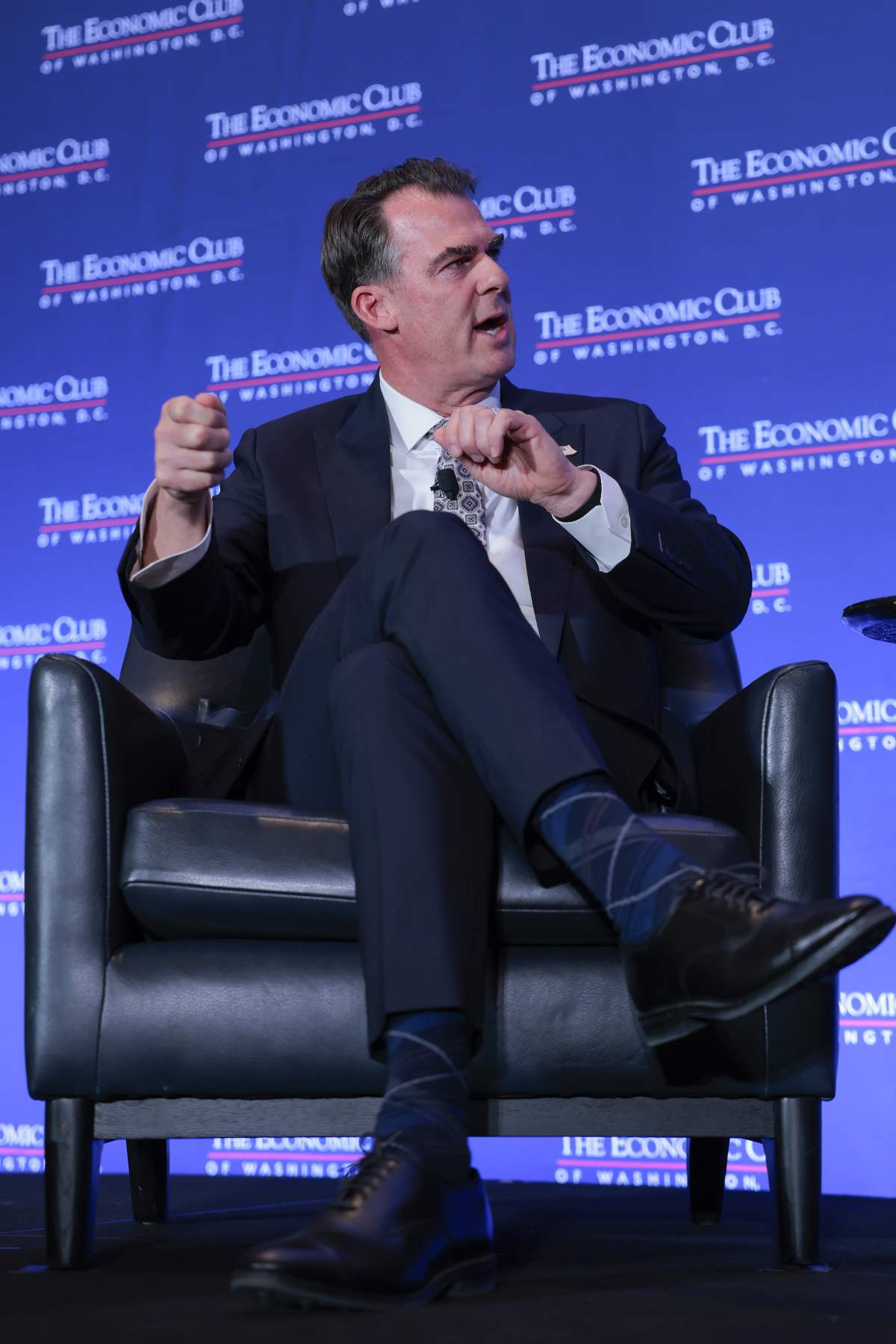
Despite the friction over the guest list, the Oklahoma Republican added, "I'm excited to go. I support the president, and, you know, we're going to go have a great time."
The tension began when President Trump labeled Governor Stitt a "RINO" for clarifying that the NGA would not facilitate the annual White House meeting if invitations were restricted.
The White House reportedly planned to limit the business portion of the meeting to Republicans, specifically disinviting Democrats like Wes Moore and Jared Polis.
Wes Moore skips White House, praises Kevin Stitt’s bipartisan stance
The exclusion of Democratic governors has sparked significant outcry from state leaders who view the annual dinner as a nonpartisan tradition. Governor Wes Moore confirmed he would not be attending the White House festivities after Trump claimed he was "not worthy" of an invitation.
"I will not be at the White House. But I actually do want to say thank you to Kevin for his leadership on this. This has been a very trying time," Moore said.
"It's been trying time because there are certain traditions that have lasted for decades, where no matter who the president is, no matter who the governor is, that they're all invited. It's for once a year to come spend time and break bread, and you could have a president or governor who completely, vehemently disagree with one another. But there are certain traditions that are being broken right now."
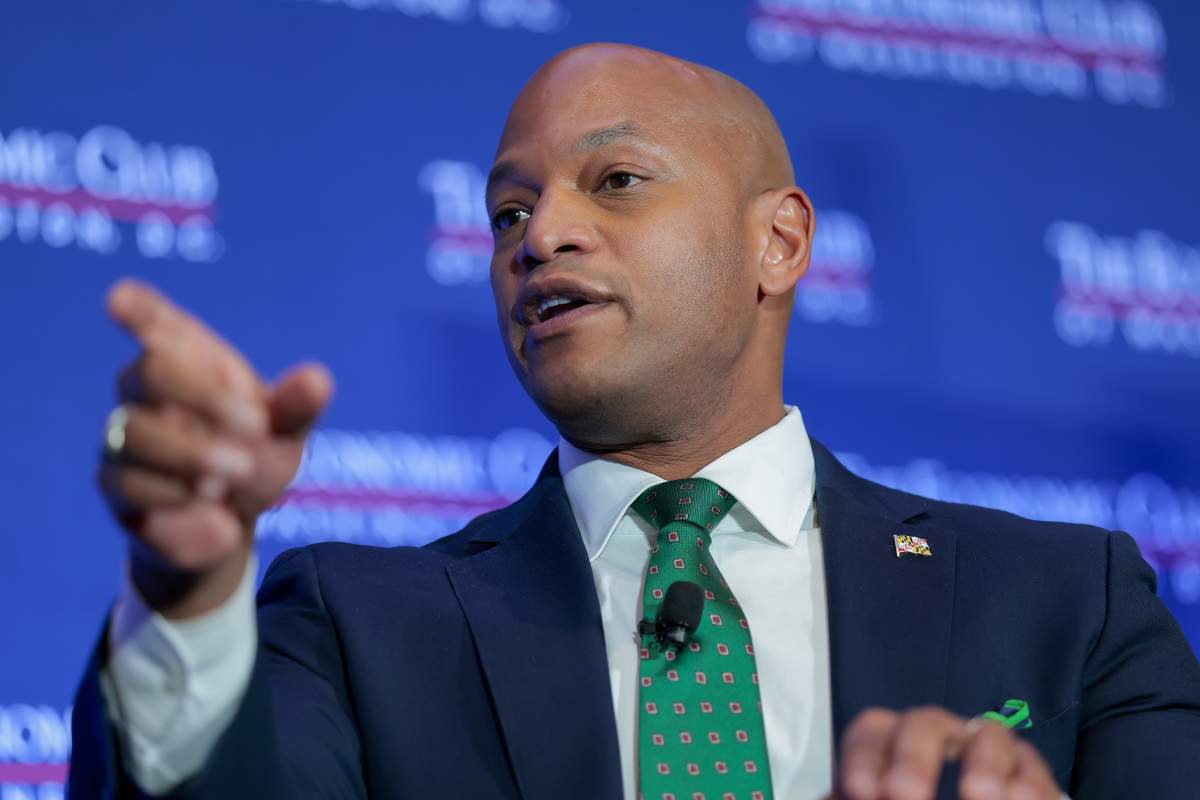
Regarding the personal jab from the president, Moore remained firm in his response. "That, when the president told me that I was disinvited because I was not worthy, which again I'm very clear, I said as respectfully to the president, God determines my worth, not him. But Kevin had our back, and he immediately said 'well, if this is not going to be something where we are going to do the traditional where is everybody is invited, then this, by definition, is not going to be an NGA event and we're going to stand with you.' So I just want to publicly say to you, Kevin, thank you."
Kevin Stitt highlights bipartisan unity with Wes Moore
Despite the friction with the White House, Stitt and Moore used their joint appearance to highlight the personal respect that exists between them across the aisle. Stitt praised the NGA for allowing him to build a relationship with Moore, arguing that the country is less divided than it appears on the political fringes.
He emphasized that the ability of leaders to find common ground is key to solving national issues. He noted that voters often judge leaders solely by their party affiliation without knowing their character.
Stitt concluded by expressing hope for the country’s future if leaders can ignore extreme rhetoric.
He said, "And so the fact that we can get together and really like each other and agree on probably, I don't know, 60, 70, 80% of the things, we can fix this country. We can fix this country if we can get away from the fringes, and we can literally come together and lead. But politics is such a, it's a weird time now."