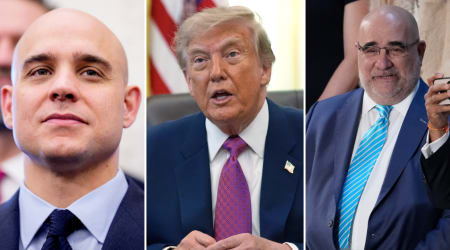
White House releases declassified 2020 brief claiming China tried to blackmail US official
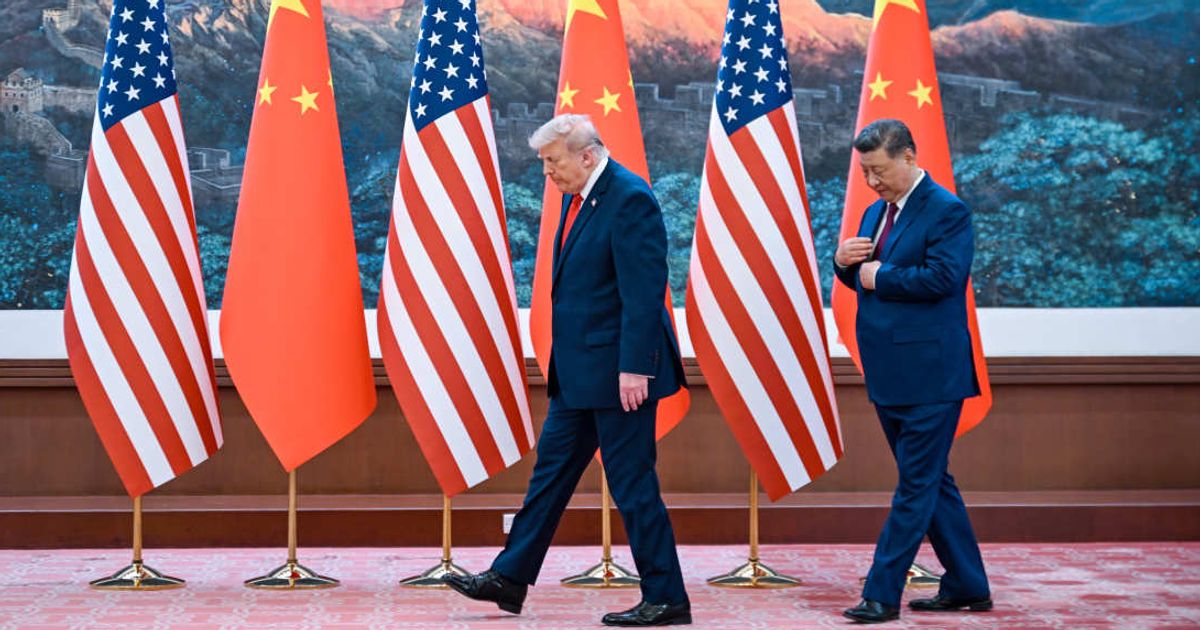
WASHINGTON, DC: The White House just made public a President’s Daily Brief from around June 2020 that claims China tried to blackmail a US official, hoping to get him to go easier on Beijing. The brief says Chinese officials had some damaging information on this person and planned to use it to get him to dial back his policies, but it doesn’t say who the official was.
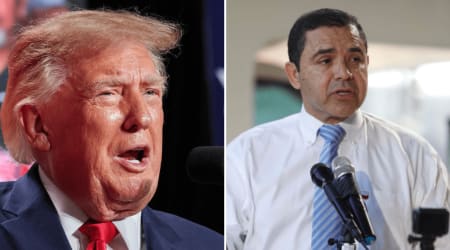
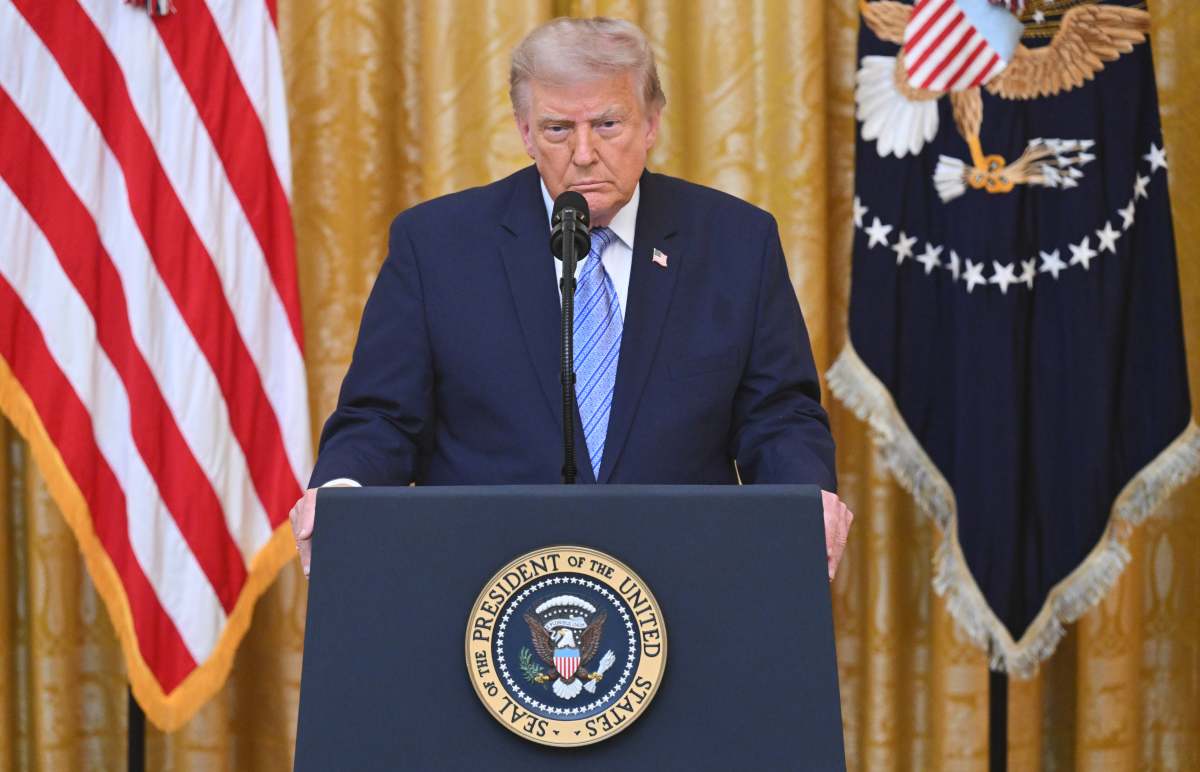
All of this is coming out as part of a flood of declassified documents linked to President Trump’s Thursday night speech about election security. In that speech, Trump accused China of stealing data on 220 million US voters and claimed some intelligence officials ran a "shadow government" to hide what they found about China during his first term.
What does the document say?
The brief states that the alleged blackmail attempt was assessed as credible in part because it echoed earlier recommendations from lower-ranking Chinese officials, who reportedly floated using "black material" compromising information, against American officials viewed as unfriendly to Beijing's interests.
According to the Presidential Daily Brief, China attempted to blackmail a Trump Administration official, claiming to have derogatory information on him, in an effort to compel him to go soft on China. pic.twitter.com/qX0gbP43he
— Benny Johnson (@bennyjohnson) July 17, 2026
The document does not specify what the derogatory information entailed, whether the targeted official complied with any demands, or what ultimately came of the approach.
It has not been independently corroborated outside the assessment itself, and the White House did not identify additional supporting documents beyond the single brief.
This release fits the usual approach Trump has taken with recent disclosures.
He makes a formerly classified assessment public, usually with a batch of emails or notes that highlight debates among analysts.
JUST IN: 🇺🇸🇨🇳 United States intelligence says China allegedly blackmailed a US administration official.
— BRICS News (@BRICSinfo) July 17, 2026
This report was published today by the White House. pic.twitter.com/rCjFgSWejj
But there’s never any hard proof that the foreign operation in question actually worked or changed anything. The China-related documents shared on Thursday, for instance, mostly show intelligence officials arguing about how much Beijing’s activities really count as interference. They don’t actually prove there was a coordinated campaign.
Reaction and context
The White House has not detailed what, if any, action was taken in 2020 in response to the alleged blackmail attempt, nor whether it was referred to counterintelligence officials or Congress at the time.
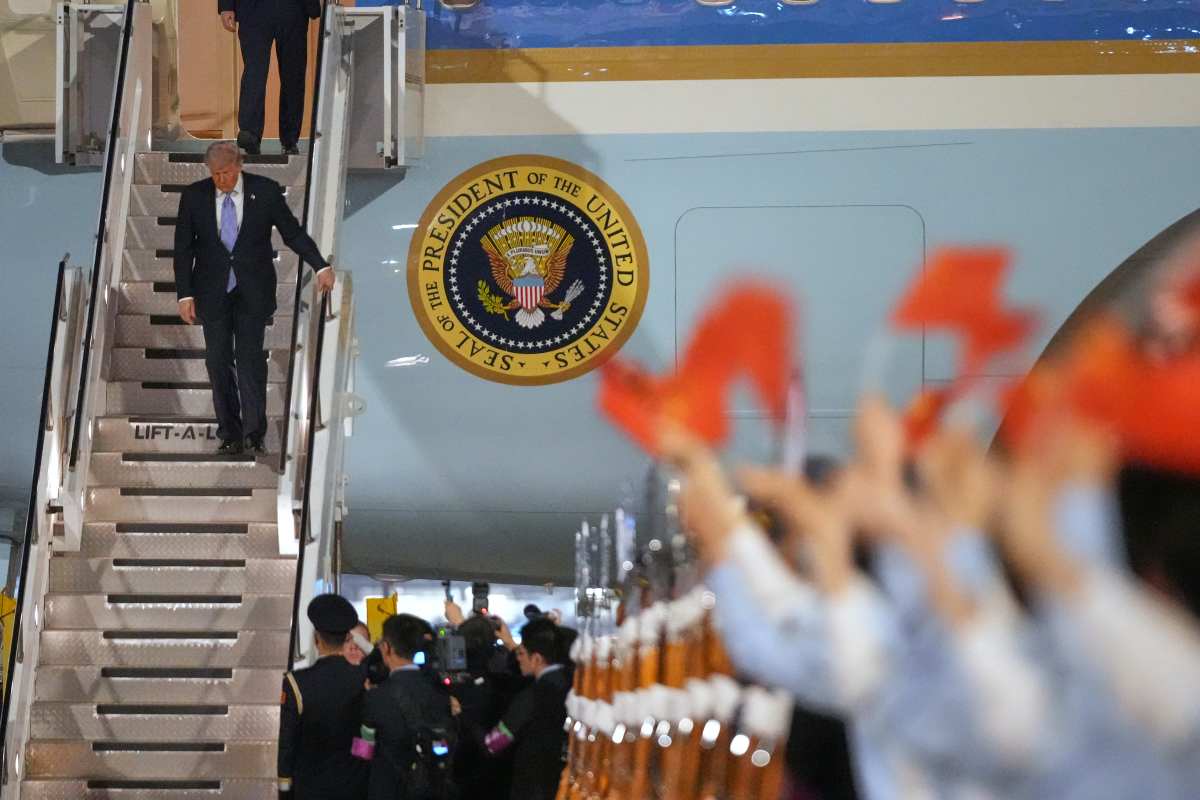
The Chinese Embassy in Washington has previously said Beijing "has never and will never interfere" in US elections or internal affairs, a position it reiterated after Trump's speech; it has not yet responded specifically to the blackmail allegation.
The news is bound to turn up the heat on China’s intelligence operations in the US during Trump’s first term. It fits right into the story the administration’s been pushing lately: China tried harder and hid its tracks better than anyone thought.
Like earlier claims about the election, this new report leans on intelligence community logic instead of hard public evidence.
So, a lot’s still up in the air; nobody’s revealing who the official is, or what actually happened after the alleged contact.