'Will be worse off for it': Architects torch Trump's rushed White House ballroom plan in NYT feature
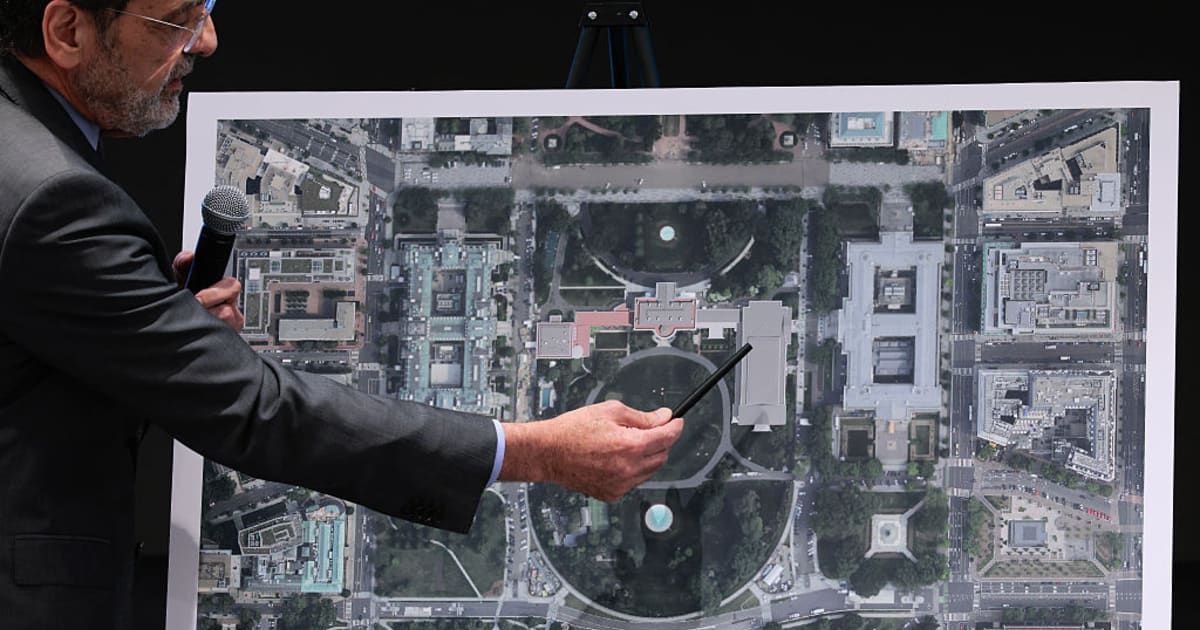
WASHINGTON, DC: A controversial proposal to add a grand ballroom to the White House is running into sharp resistance from architects, who say the project shows signs of being rushed through without adequate review.
The criticism gained traction after a detailed interactive feature in The New York Times published on Sunday, March 29, highlighted what experts see as fundamental design problems just days before a final decision is expected.
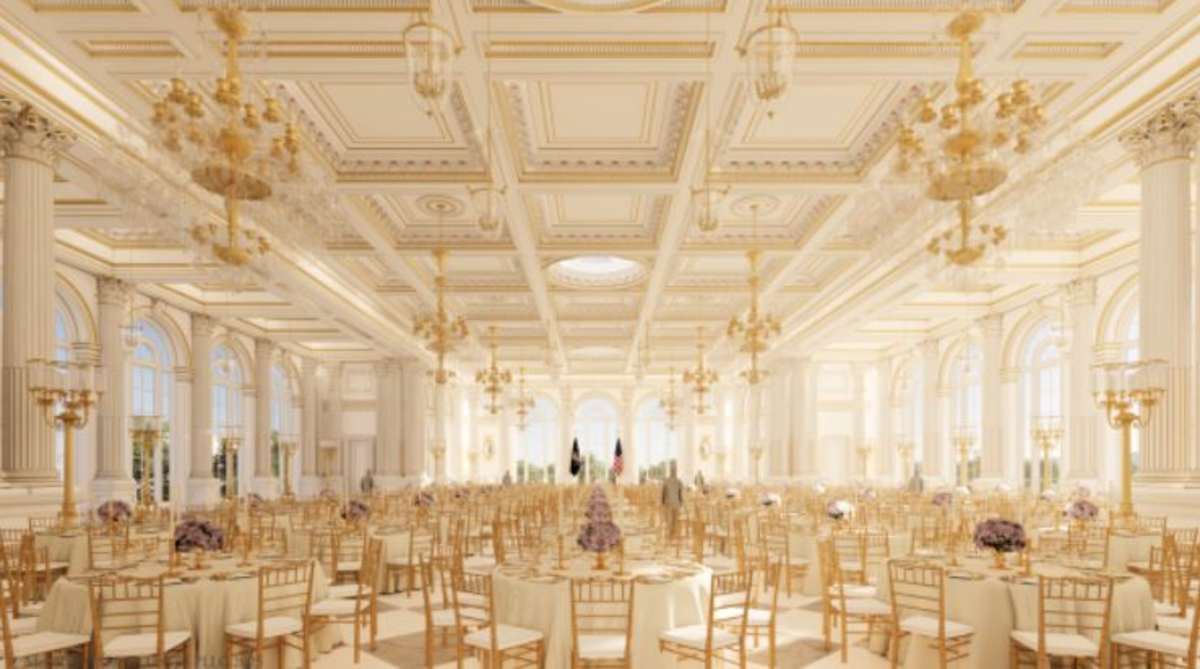
Experts flag 'fake windows' and blocked views
Architect writers Junho Lee, Larry Buchanan and Emily Badger pointed to multiple red flags, arguing the design reflects haste rather than refinement.
The analysis describes the approval process as unusually fast-paced, noting that “the hurried reviews are an abrupt departure from how new monuments, museums and even modest renovations have been designed and refined in the capital for decades.”
It goes further, warning plainly that “the ballroom will be worse off for it.”
The design itself has also come under fire. Among the most pointed criticisms are “Fake windows on the north side,” structural columns that “block interior ballroom view,” and a roof space considered “unnecessarily big.”
One critique that has drawn particular attention states, “its portico is too big, its stairs lead nowhere, its columns will block views from inside the ballroom.”
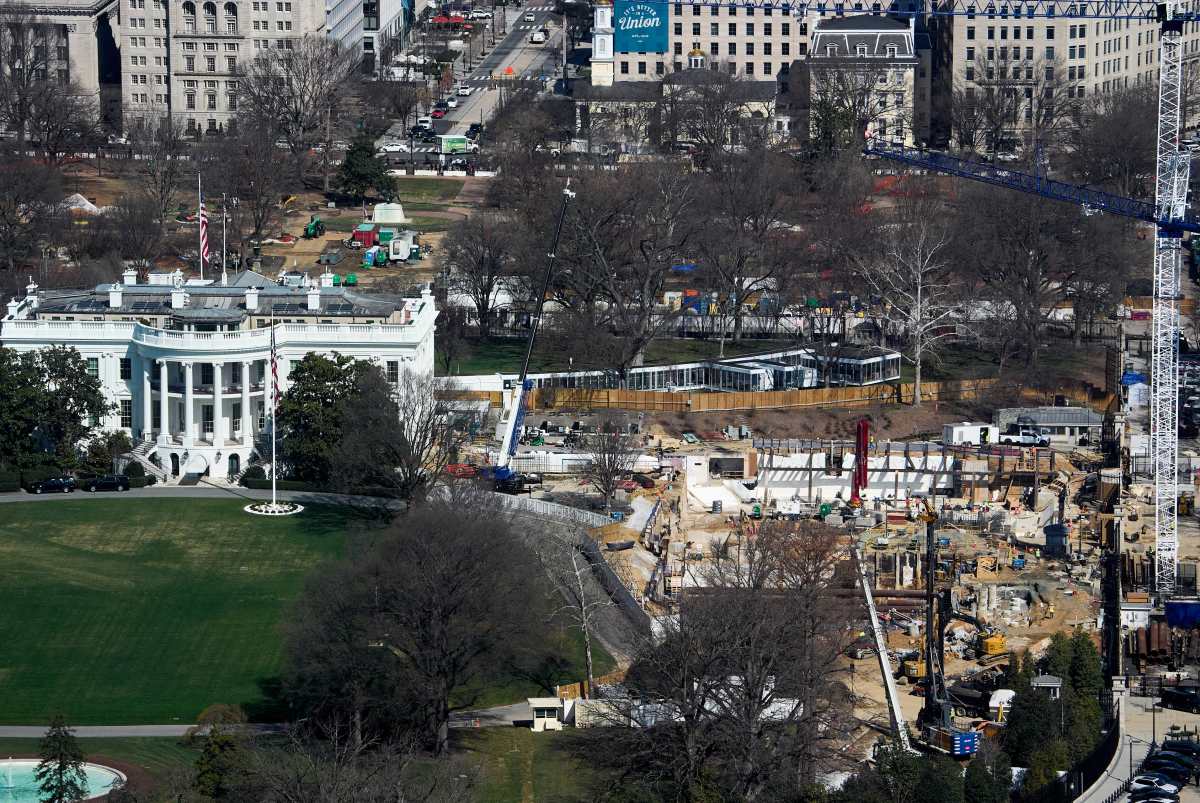
Architects warn against rushed decisions
Concerns have also been raised about last-minute changes.
According to the report, “As recently as October, the president was still increasing the ballroom’s capacity,” even though such decisions are typically locked in much earlier.
The piece adds that “the addition appears to have compressed the normal design evolution for any project,” suggesting corners may have been cut in the process.
Some architects argue the issue goes beyond design flaws and into the building’s broader impact.

Supporters of the project argue that speed is exactly what has been missing from similar efforts in the past.
White House Staff Secretary Will Scharf defended the approach, saying, “If not for President Trump, his desire to move quickly, and his raising the money to fund this, a project like this could languish for years with no decision or action.”
He added that without such urgency, “we could still be debating it at NCPC meetings 20 years from now,” framing the accelerated timeline as a practical necessity rather than a flaw.

With a final vote expected on Thursday, the ballroom plan has turned into a larger clash between two approaches - one that prioritizes careful, traditional design processes, and another that pushes for speed and execution, even if it means taking risks along the way.