'4-letter word' on passenger's Bluetooth device forces crew to turn United flight back to Newark
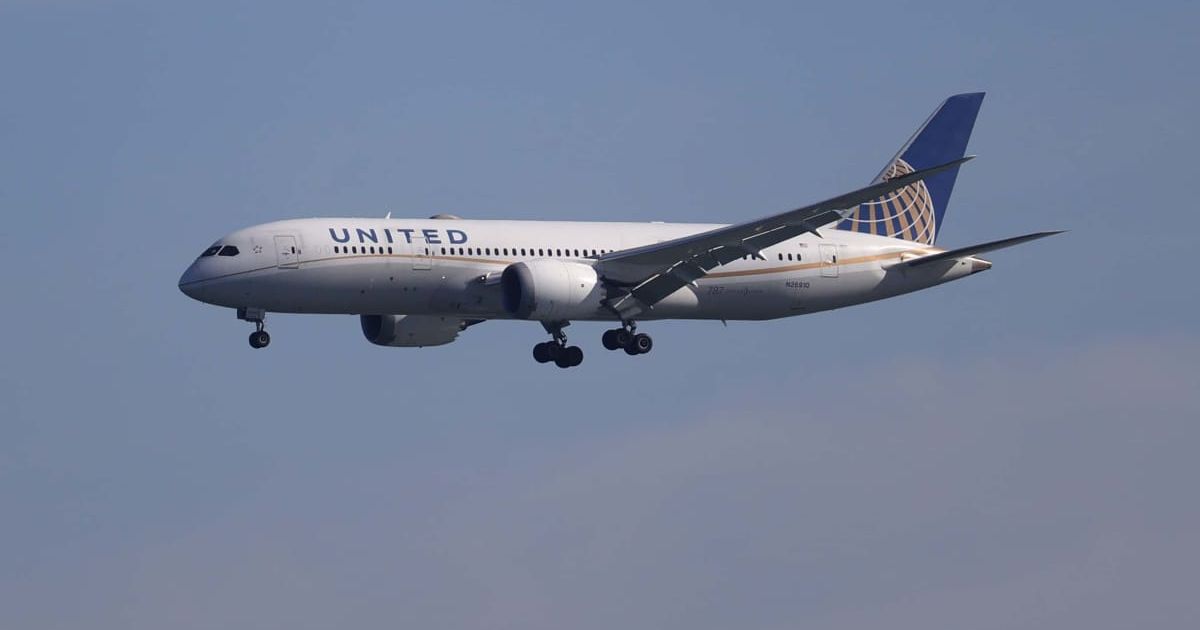
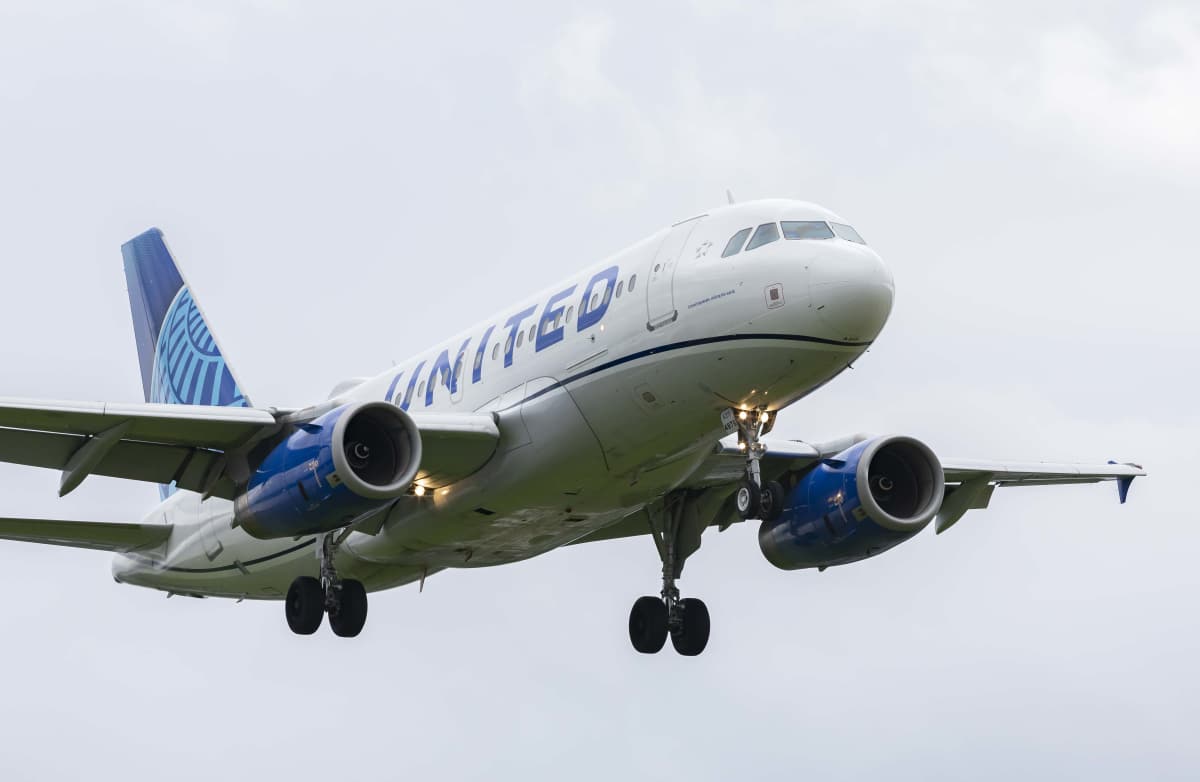
NEWARK, NEW JERSEY: A United Airlines flight bound for Spain on Sunday, May 31, was forced to return to Newark Liberty International Airport after the name of a passenger’s Bluetooth device triggered security concerns, leading crew members to halt the journey and request federal intervention.
The flight, carrying 190 passengers and 12 crew members, had departed New Jersey en route to Palma de Mallorca when the issue emerged. Airline officials did not disclose the exact name displayed by the device, describing it only as a “certain four-letter word” that raised concerns about the safety and security of the flight.
The incident prompted the crew to contact airline officials and assess whether the flight could continue safely. After consultations with United Airlines’ operations center in Chicago, a decision was made to turn the aircraft around and return to Newark.
Crew warns passengers about serious safety issue
Passengers learned of the situation through an onboard announcement made by a crew member, who stressed that the matter was being treated as a serious security concern rather than a harmless prank.
According to a recording of the announcement shared by CNN, the crew member expressed frustration over what was described as a passenger’s attempt at a joke.
“We’re going to be returning back to Newark at this time, unfortunately, because of one person who doesn’t want to comply with the instructions,” the crew member told passengers.
NEW: United Airlines flight from Newark to Palma de Mallorca made an emergency diversion back to New York on Saturday night because a Bluetooth speaker carried by a teen passenger on the flight had been named ‘BOMB.’ pic.twitter.com/toJfpjOcEf
— Breaking Aviation News & Videos (@aviationbrk) May 31, 2026
The announcement further emphasized that the issue was viewed as compromising the integrity and safety of the flight, crew, and passengers.
Crew members informed travelers that federal agents would board the aircraft upon its return to Newark and conduct an investigation to identify the individual responsible for the device name that prompted concern.
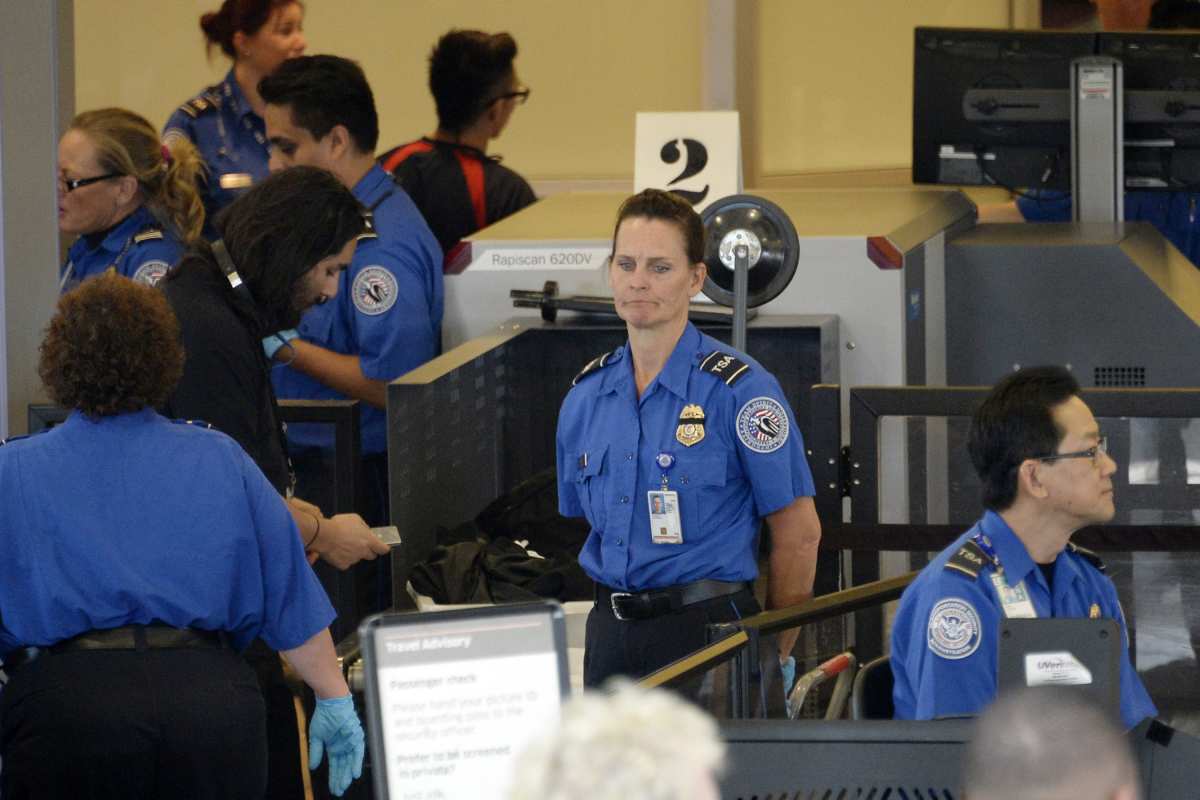
Federal authorities and TSA conduct screening
After landing safely in Newark, passengers were required to leave the aircraft and undergo additional screening procedures.
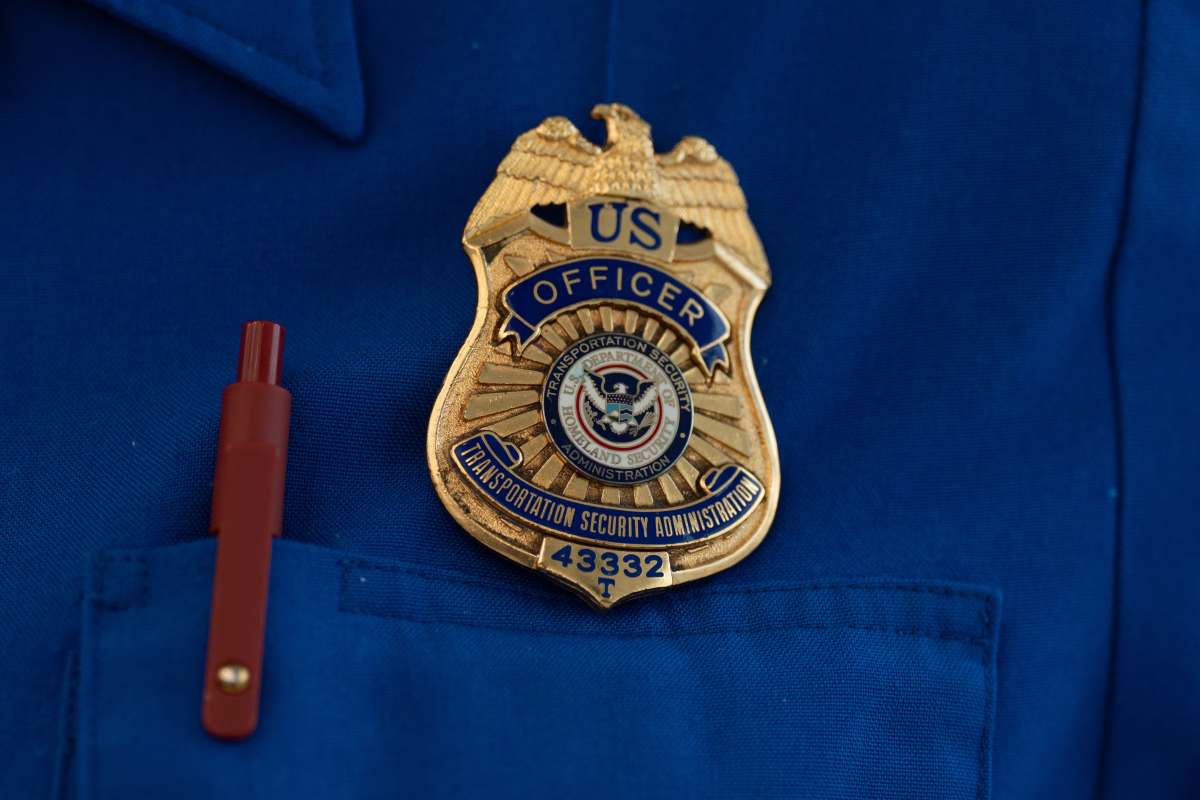
Federal authorities and transportation security personnel reviewed the situation while passengers were rescreened by Transportation Security Administration (TSA) officers before being cleared for onward travel.
The extra security measures delayed the journey but were implemented as a precaution amid ongoing aviation security protocols that require airlines to investigate potential threats, even when they may ultimately prove unfounded.
United Airlines later arranged a replacement aircraft and a new flight crew to transport passengers to their destination in Palma de Mallorca.
The airline has not publicly identified the passenger involved or disclosed whether any charges or enforcement actions were taken following the investigation.
The incident highlights the strict security environment governing commercial aviation, where even seemingly minor actions or jokes can trigger significant operational disruptions.
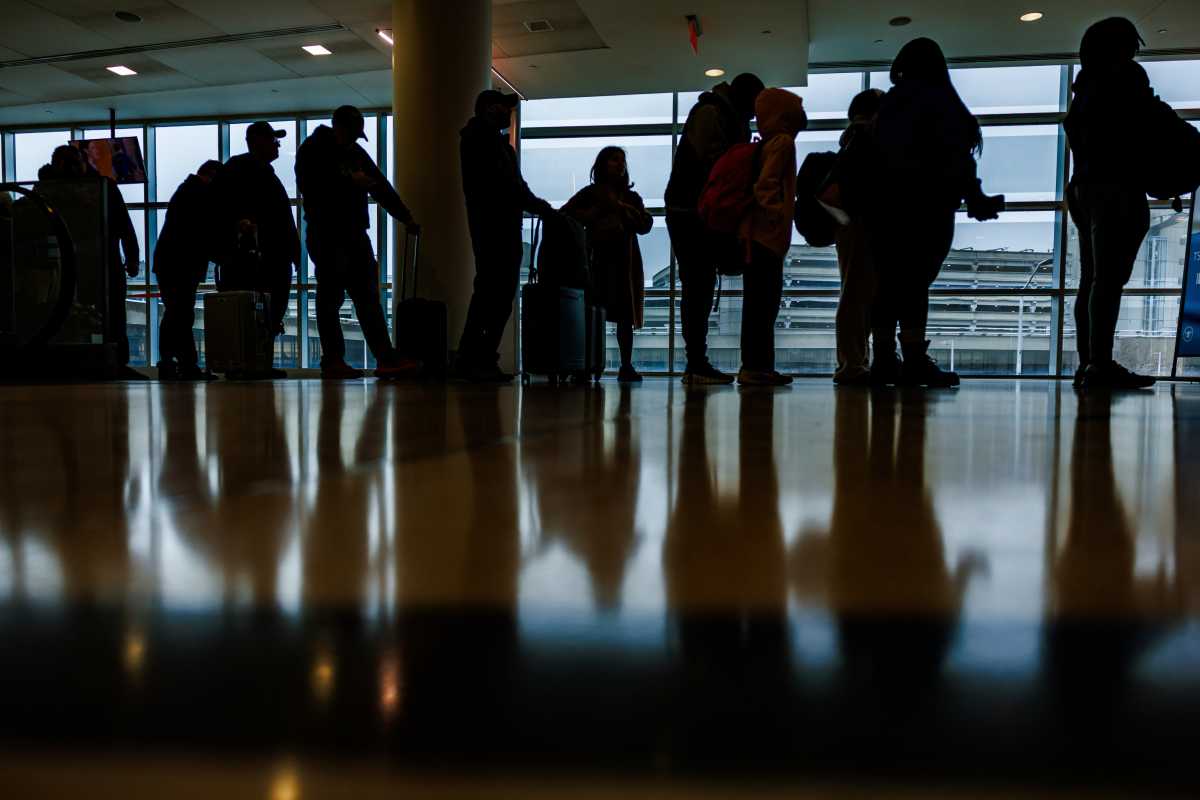
Airlines and federal authorities routinely emphasize that references interpreted as threats or security risks are treated seriously, regardless of intent, to ensure the safety of passengers and crew.