Abraham Accords countries meet officially for first time since October 7 attacks
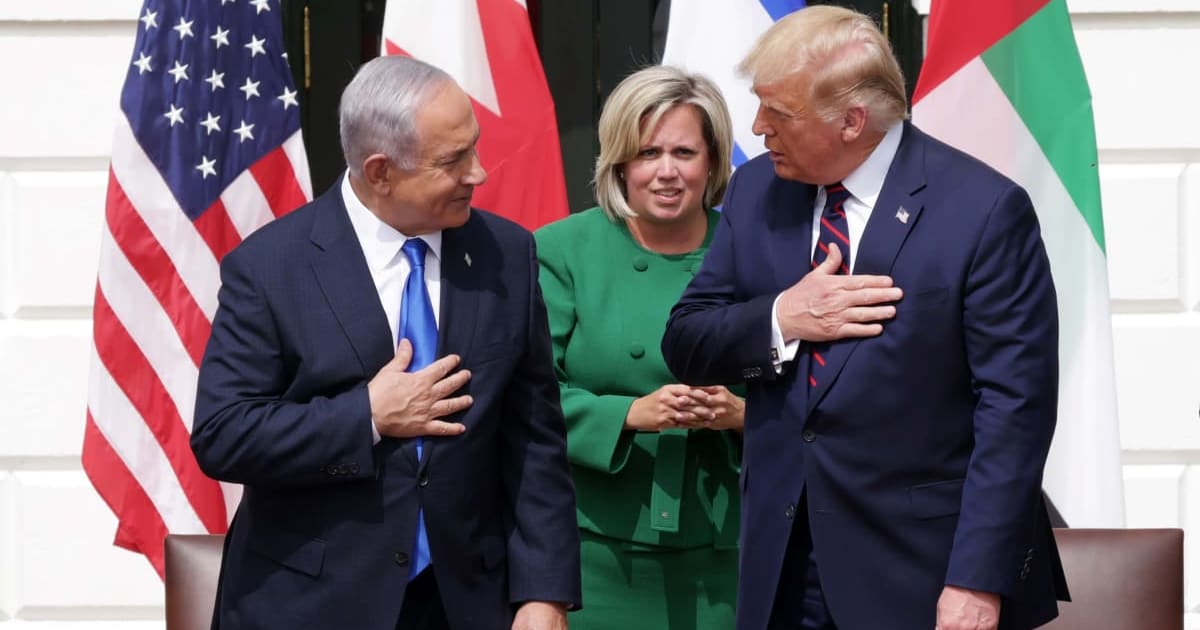
WASHINGTON, DC: On Thursday, Sept 24, US diplomats quietly pushed the Abraham Accords forward again, just ten blocks from the United Nations General Assembly. This meeting was the first official gathering of Abraham Accords countries since Hamas attacked Israel on October 7, 2023, putting the whole process on ice.
State Department officials sat down with their counterparts from Israel, the United Arab Emirates, Bahrain, and Morocco on the 43rd floor of a Manhattan office tower. After nearly three years of stalled progress, this was a real restart for the initiative. And for the first time, Kazakhstan sent officials, signaling their growing interest in joining the Accords.
US officials frame it as a turning point
The US delegation was led by a senior State Department official, Under Secretary of Political Affairs Allison Hooker.
Today, the N7 Foundation convened the first official meeting of the Abraham Accords countries since January 2023, and the first official engagement to include Kazakhstan. The meeting was chaired by N7 Chairman Jeffrey M. Talpins and featured Under Secretary Allison Hooker and her… pic.twitter.com/QqhYY2Kd8y
— N7 Foundation (@N7_Foundation) September 24, 2026
"Nearly three years after October 7, the Abraham Accords countries are back together," Hooker said, adding that President Trump brokered the historic agreements during his first term, and Thursday was an important signifier that the accords are "moving forward again."
The meeting was hosted by the N7 Foundation, a US-based organization that has convened multilateral meetings of the Abraham Accords countries since 2021.
"The next phase is about deepening the relationships that already exist and identifying practical opportunities for countries to work together," said Jeffrey Talpins, founder of the N7 Foundation, who chaired the meeting.
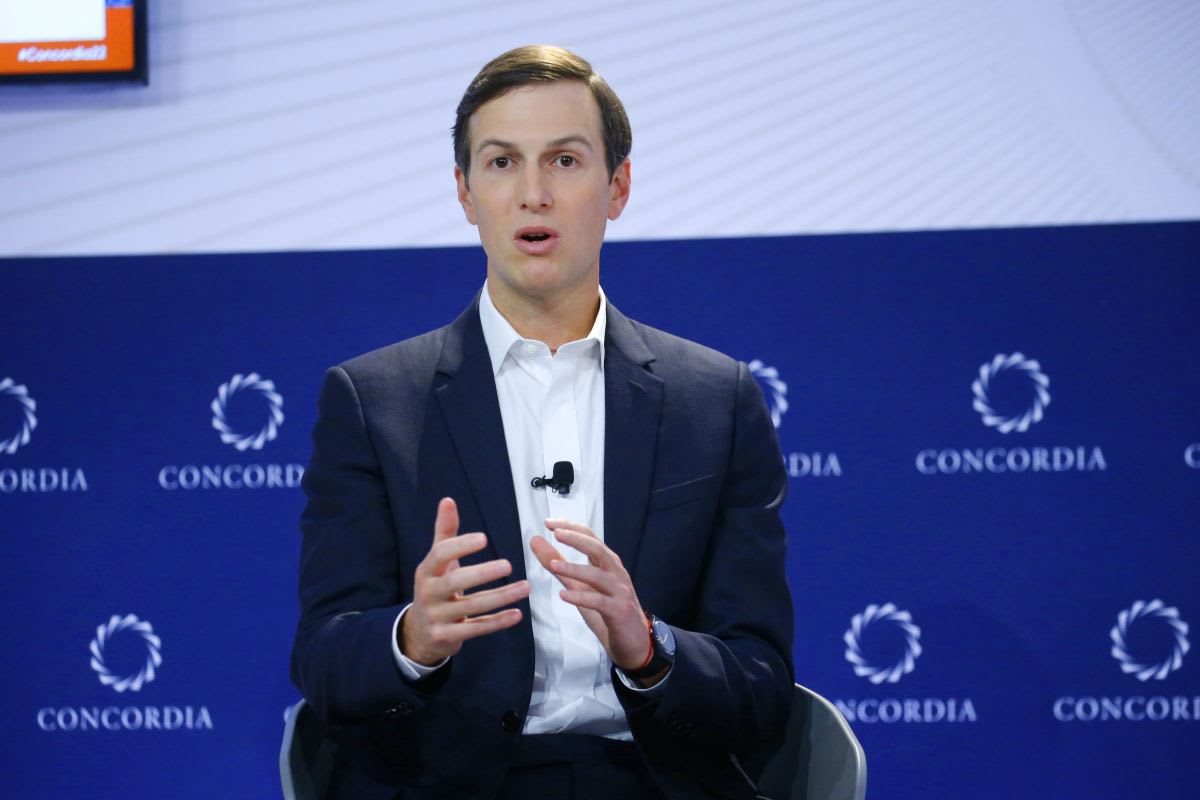
Another senior administration official who was not authorized to speak publicly told CBS News that Secretary of State Marco Rubio's team and Steve Witkoff, the White House Special Envoy for Peace Missions, "are clearly prioritizing this effort."
A stalled expansion looks to regain momentum
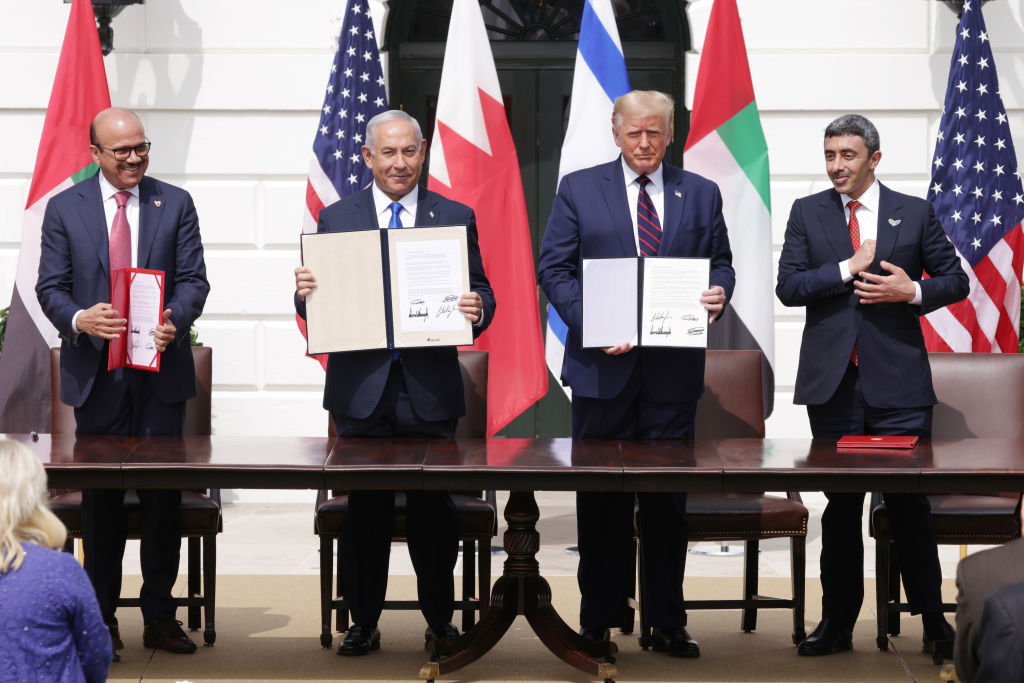
The Abraham Accords, signed in 2020 near the end of Trump’s first term, marked a turning point. Israel established diplomatic ties with the UAE and Bahrain, the first Gulf Arab nations to formally recognize it, and Morocco soon followed.
Before October 2023, there was real momentum for Saudi Arabia and others to join. That progress stopped cold after the Hamas attacks and the wars that erupted in Gaza, Lebanon, and Iran.
Six years ago today, the Abraham Accords opened a new chapter for the Middle East.
— N7 Foundation (@N7_Foundation) September 15, 2026
What began with diplomacy has grown into real cooperation across trade, technology, security, energy, tourism and people-to-people ties.
Six years on, the focus is on turning that foundation into… pic.twitter.com/FL5xFOIcZ5
President Trump announced Kazakhstan's intention to join the Abraham Accords during an Oval Office meeting with Kazakhstan President Kassym-Jomart Tokayev in November 2025.
"We will soon announce a Signing Ceremony to make it official, and there are many more Countries trying to join this club of STRENGTH," Trump wrote on Truth Social at the time.
Participants discussed next steps to formalize cooperation among Abraham Accords countries, according to a person familiar with the meeting.
"The Abraham Accords have demonstrated what is possible when countries come together around shared interests with a common vision for a more integrated and prosperous region," Talpins said.