Axelrod says Obama aides brushed off Trump’s ballroom proposal

WASHINGTON, DC: Former White House senior adviser David Axelrod stated on Tuesday, February 17, that Donald Trump proposed building a ballroom at the White House several years before entering politics.
In an interview with The New York Times, Axelrod described a conversation from 2010 in which Trump suggested constructing a modular ballroom to replace the temporary tents that were then being used for state dinners.
This outreach reportedly occurred after the cleanup following the BP oil spill. Axelrod noted that Trump expressed interest in funding a new event space suitable for hosting foreign leaders. However, according to Axelrod, the proposal did not progress after it was relayed to the White House social secretary, and no follow-up took place during the Obama administration.
Trump touted expertise in ballroom construction
Axelrod recalled that Trump emphasized his experience building large-scale event spaces. “I build ballrooms, I build the greatest — you can ask anybody, my ballrooms are the greatest ballrooms,” Trump said at the time, according to Axelrod’s account. Trump also criticized the existing setup, referring to the outdoor tents used for state functions in blunt terms.

The proposal involved a modular structure that could be assembled for major events and dismantled afterward. Axelrod said he told Trump he would relay the idea internally, but no formal discussions followed. The plan remained dormant during the remainder of the Obama presidency.
Private funding sparks modern structural concerns
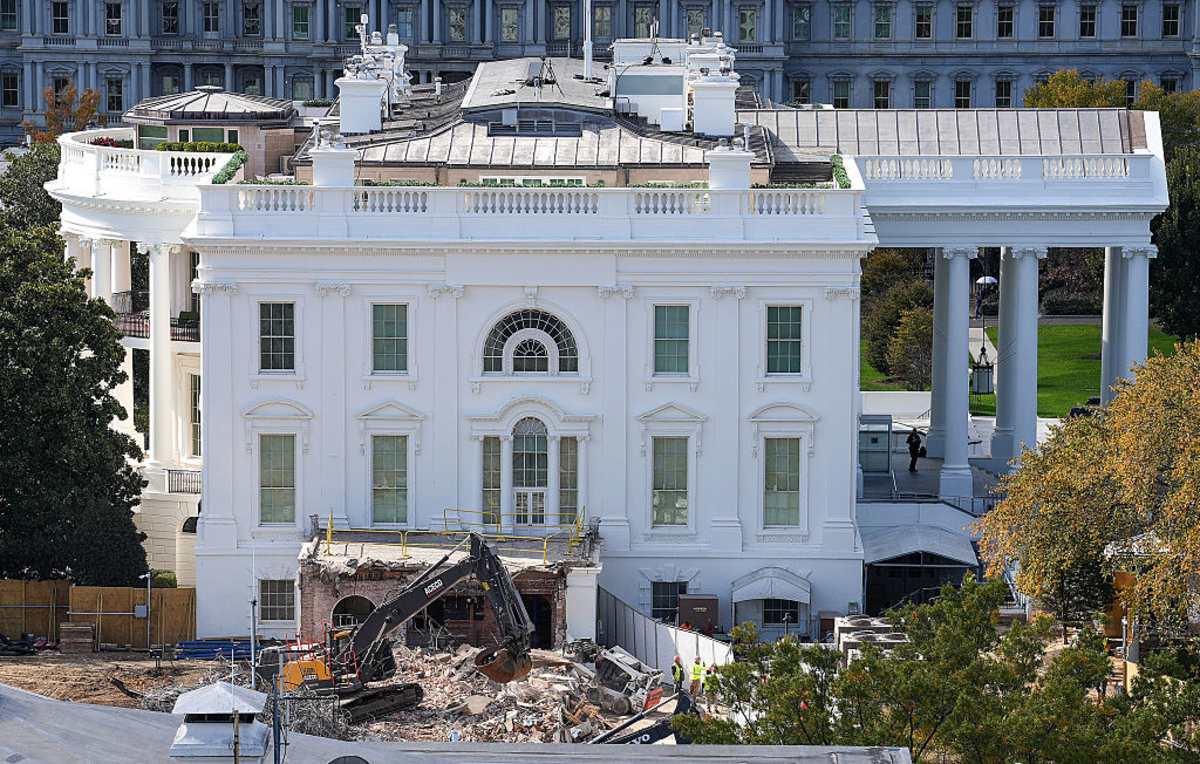
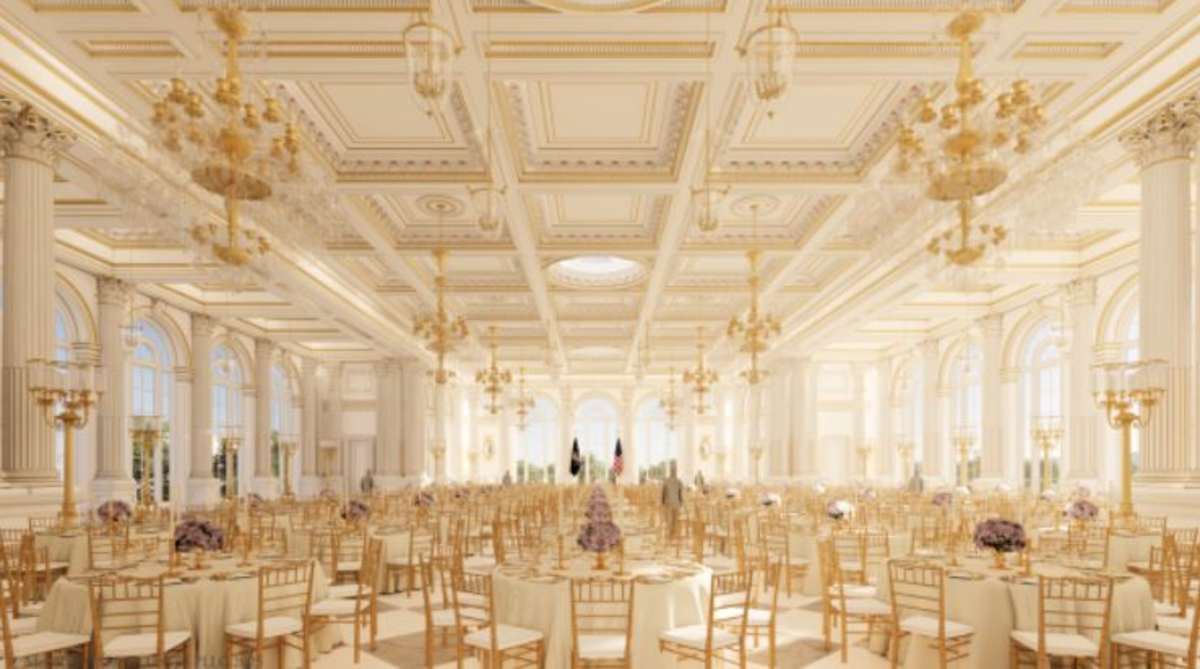
More than a decade later, Trump announced a significantly larger and permanent ballroom project valued at roughly $400 million. The current initiative, funded primarily through private donations, would expand White House event capacity beyond existing rooms.

The project has drawn criticism from some lawmakers, former officials and preservation advocates since demolition work began on the East Wing late last year.
Critics, including Hillary Clinton and Michelle Obama, have raised concerns about preserving the architectural character of the executive mansion. Axelrod has publicly criticized the move, arguing that a modular approach would have been less disruptive than a permanent expansion.
Administration defends historic gift to nation
The Trump administration has defended the construction project, describing it as a long-term investment in the infrastructure of the White House. The President stated that the project cannot be reversed at this point, emphasizing that materials such as bulletproof glass, reinforced roofing, and marble have already been ordered.
“Congress never tried, or wanted, to stop the Ballroom Project!” Trump said in a recent statement, adding that the scale and scope of the addition were widely known. He described the ballroom as a lasting upgrade intended to modernize the White House’s capacity to host large diplomatic gatherings.
Impact on White House historical preservation
Opponents contend that the proposed East Wing alterations constitute a substantial modification to a historic structure and raise a question of whether the need for expanded capacity warrants a permanent change. Supporters respond that modernization is essential to meet contemporary security, technological, and hosting requirements.