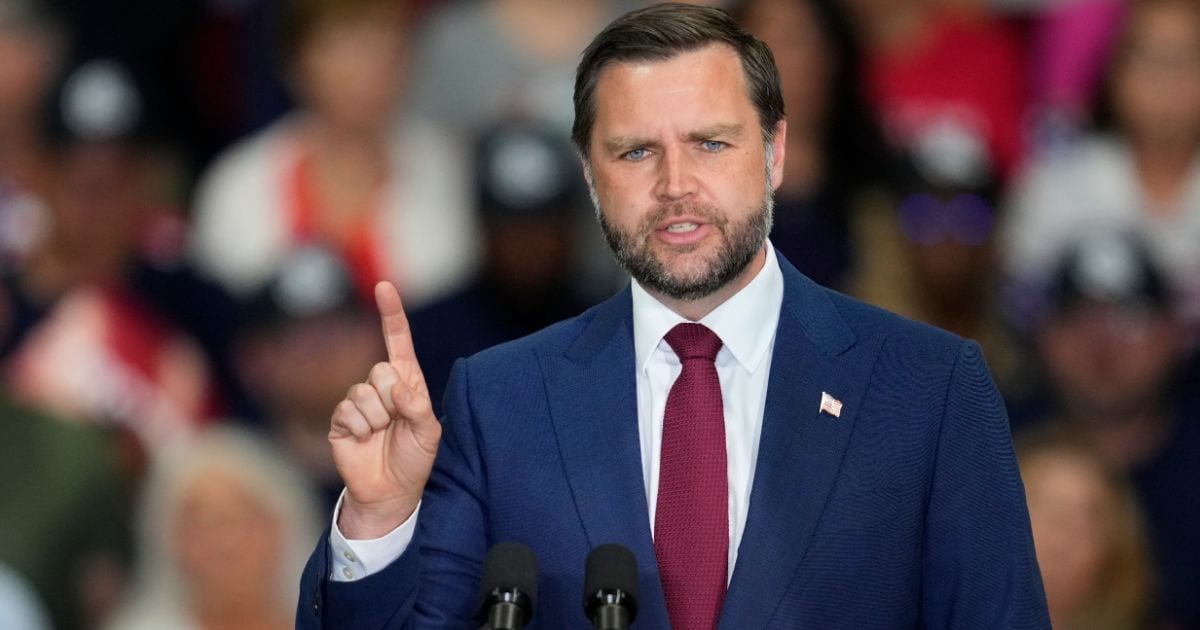
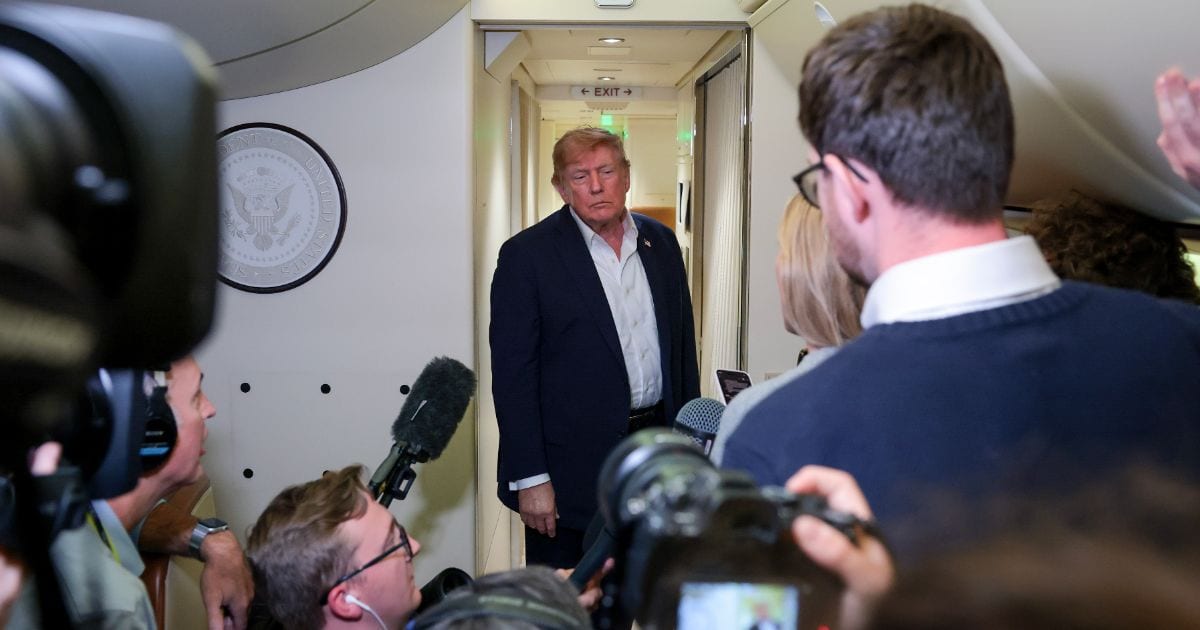
Bernie Sanders calls Trump-Netanyahu Iran strikes as 'unconstitutional,' urges war powers check
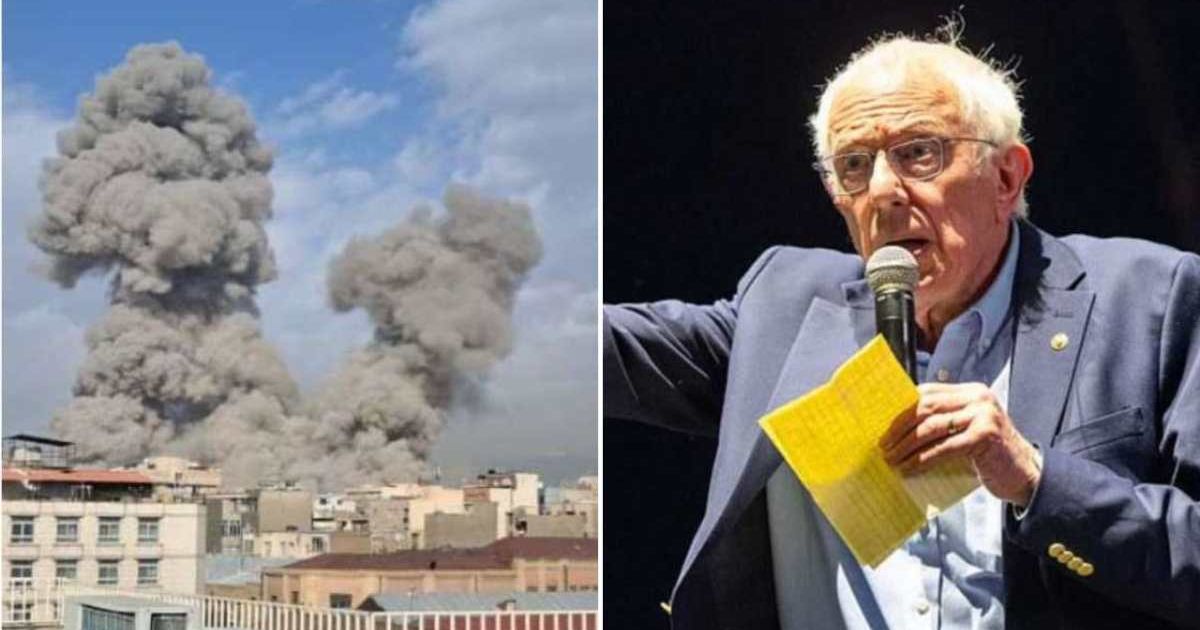
This Trump–Netanyahu war is unconstitutional and violates international law.
— Bernie Sanders (@BernieSanders) February 28, 2026
It endangers the lives of U.S. troops and people across the region.
We’ve lived through the lies of Vietnam and Iraq.
No more endless wars. Congress must pass a War Powers Resolution immediately.
WASHINGTON, DC: Independent Senator Bernie Sanders spoke out against the US military strike on Iran on Saturday, February 28. He condemned both President Donald Trump and Israeli Prime Minister Benjamin Netanyahu, calling the action “unconstitutional” and a violation of international law.
Sanders also warned that it put US troops and civilians in danger. While Sanders criticized the strike, some Iranian-American groups expressed support and thanked President Trump for the action.

Bernie Sanders calls strike unconstitutional, warns of US risks
Sanders wrote on X (formerly Twitter), "This Trump–Netanyahu war is unconstitutional and violates international law. It endangers the lives of US troops and people across the region." He added, "We've lived through the lies of Vietnam and Iraq. No more endless wars. Congress must pass a War Powers Resolution immediately."
The criticism was echoed internationally. United Nations Secretary-General Antonio Guterres said the strikes pose a serious threat to global peace and security. He urged world leaders to work together to pull the region “back from the brink” and prevent escalation.
Iran, Israel, and Iraq close airspace amid rising tensions
🚨🇮🇷 Airspace shutdown map displays huge red zones:
— Mario Nawfal (@MarioNawfal) March 1, 2026
Iran, Iraq, Syria, Lebanon, Israel, Jordan, Kuwait, Bahrain/Qatar, UAE, and parts of Saudi Arabia are in full closure.
Areas in yellow/orange indicate limited avoidance measures, with some flights still operating despite the… https://t.co/2ZhSfjlnMF pic.twitter.com/rNjfRjXEIR
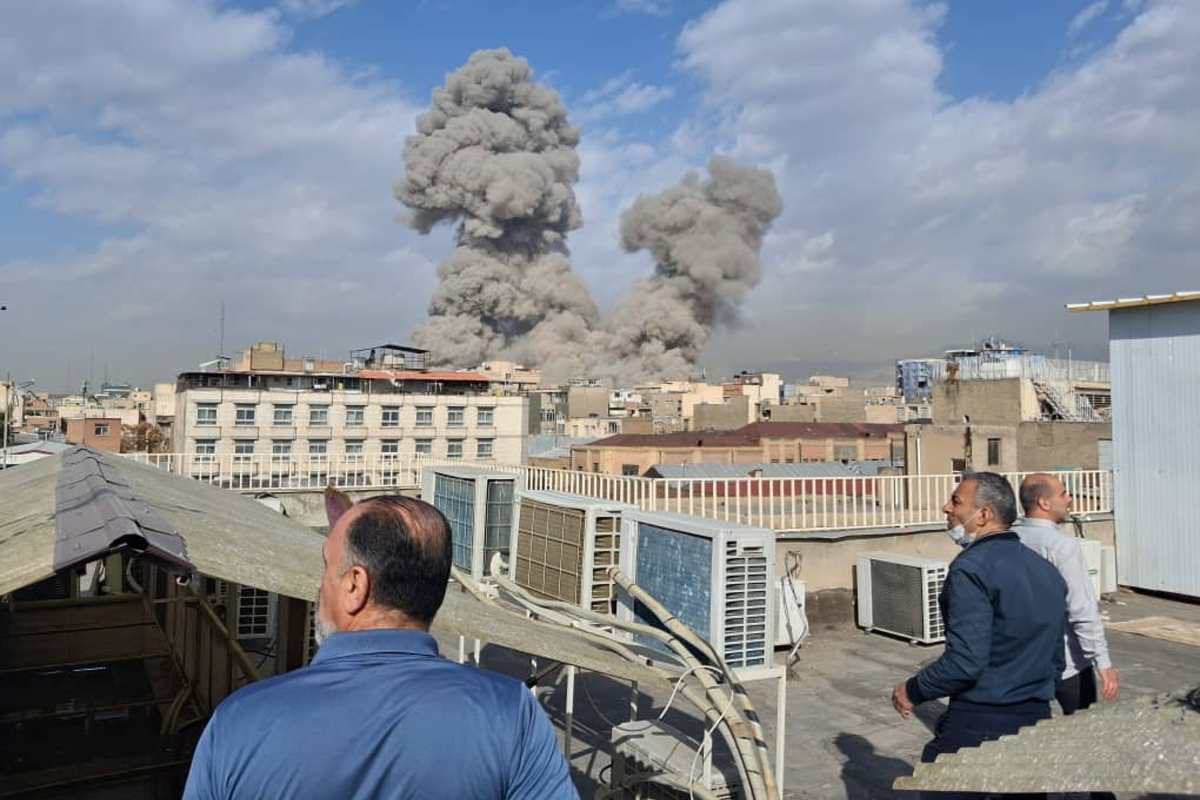
Following the strikes, Iran, Israel, and Iraq closed their airspace to protect civilian flights. Neighboring countries, including Syria, Lebanon, Jordan, Kuwait, Bahrain, Qatar, UAE, and parts of Saudi Arabia, also imposed flight restrictions.
Airlines canceled and rerouted flights, creating widespread travel disruption. The closures reflect the heightened security risks and the potential danger to civilians amid the military conflict.