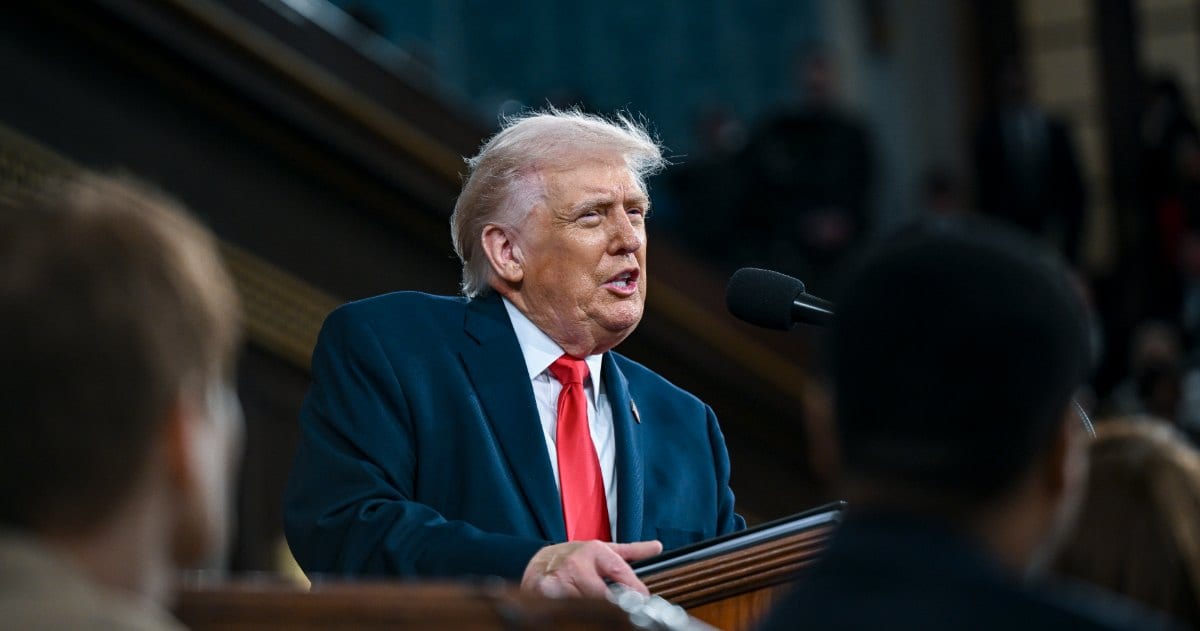
Trump says he won’t ‘rush into’ a deal with Iran amid revolt from Republicans
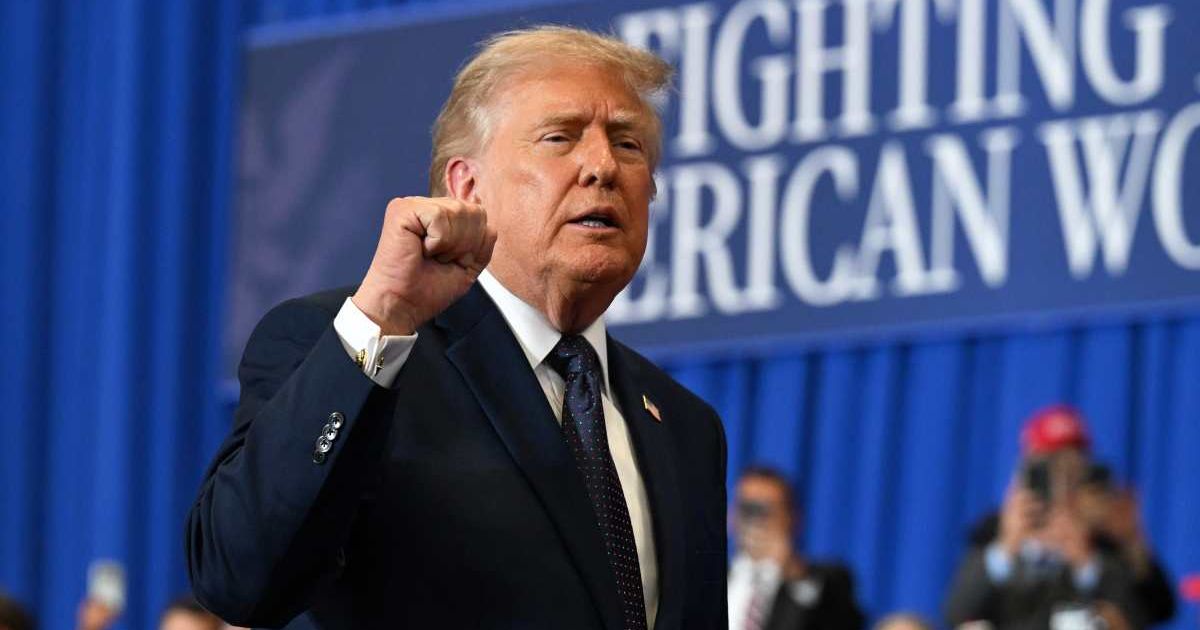
WASHINGTON, DC: After initially signaling optimism, President Donald Trump appeared to hit the brakes on the proposed Iran peace deal, revealing that he had instructed negotiators “not to rush into a deal” after senior Republican lawmakers warned it could be a “disastrous mistake.”
The 79-year-old president sounded more upbeat on Saturday, May 23, as he announced that a deal “has been largely negotiated, subject to finalization.”
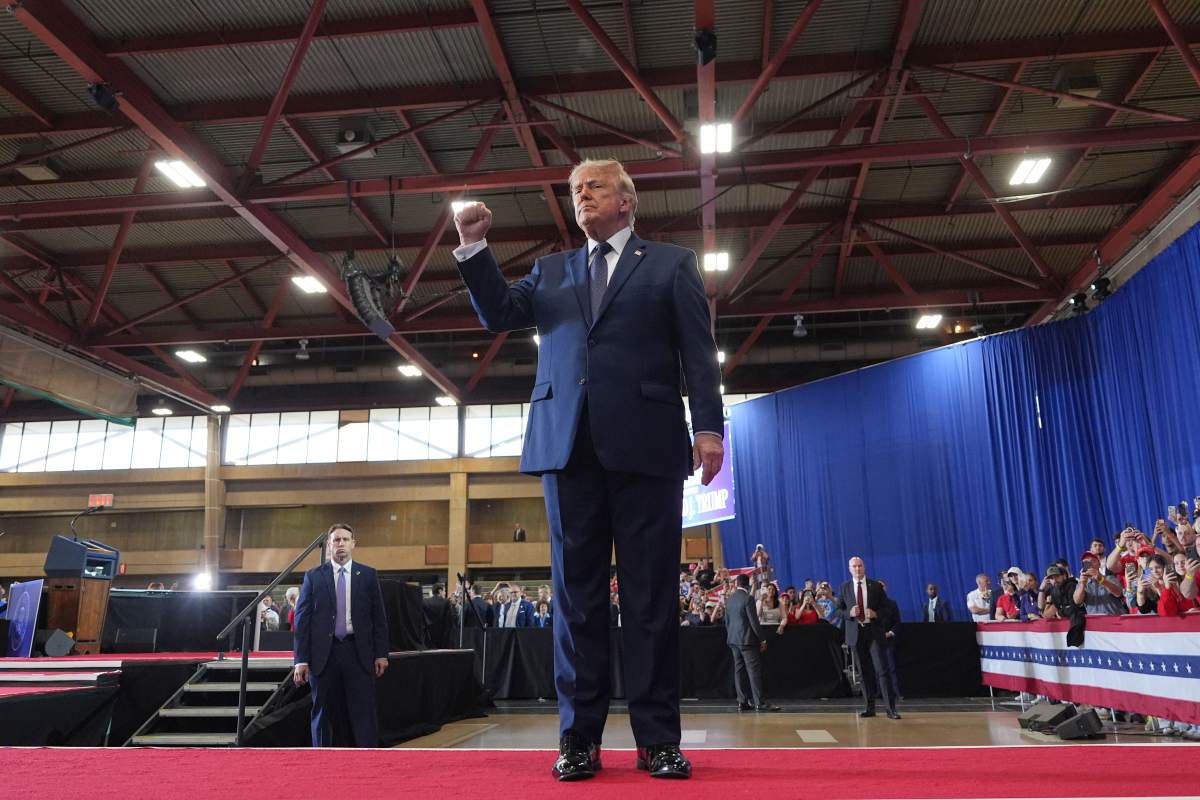
According to reports, the potential framework could reopen the Strait of Hormuz and establish a 60-day ceasefire. The agreement also would prevent the Iranians from developing a nuclear weapon and commit them to give up the “nuclear dust.”
In return, the United States would ease its blockade on Iranian ports and grant sanctions waivers that would allow Tehran to freely resume oil exports.
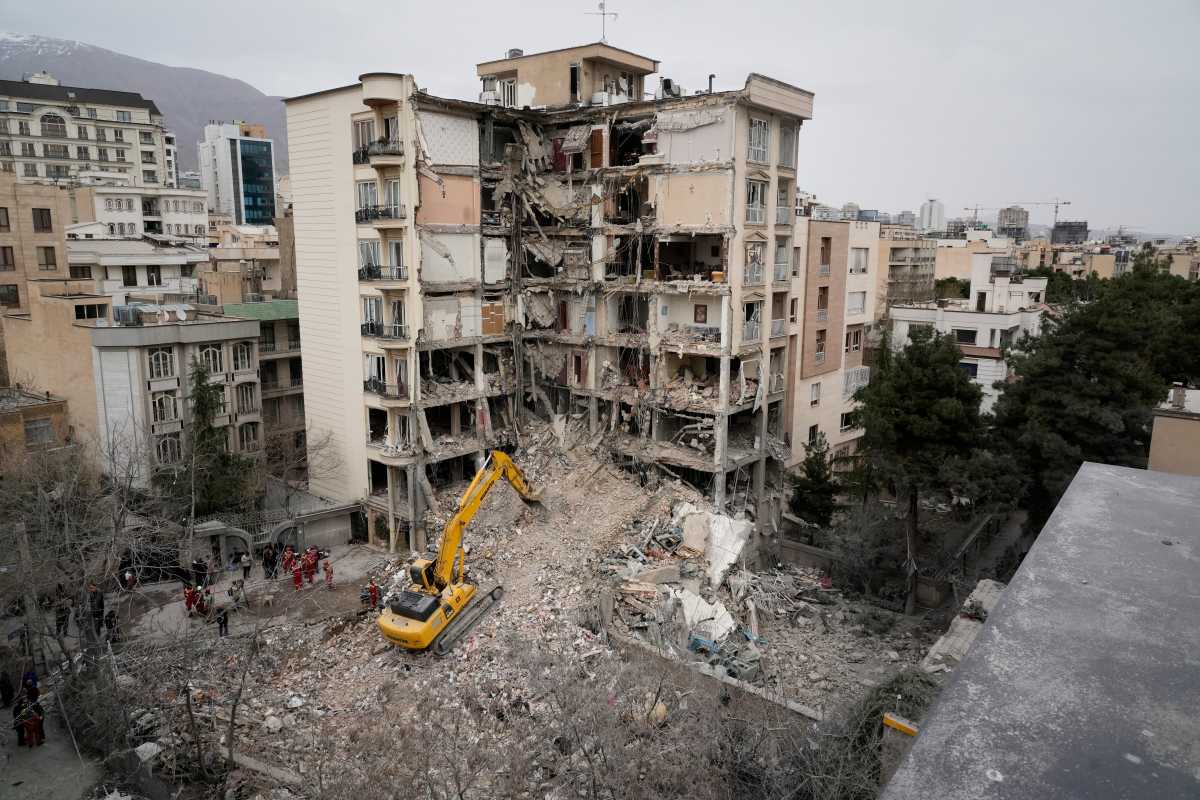
Trump takes a step back on the Iran deal
Following Trump’s optimistic statement, Secretary of State Marco Rubio also told reporters in India on Sunday morning that there had been “some progress over the last 48 hours working with our partners in the Gulf region,” adding, “Perhaps there is the possibility that over the next few hours the world will get some good news.”
However, the early wave of optimism quickly began to crumble after President Trump revealed that he had instructed negotiators “not to rush” into the agreement.
Trump just posted:
— Robert A. Pape (@ProfessorPape) May 24, 2026
He told negotiators not to rush because “time” is on his side
The US blockade will continue
This is Trump saying a deal is not coming soon after all
The trap continues pic.twitter.com/Rv9pBm4U1o
“I have informed my representatives not to rush into a deal at this time is on our side. The Blockade will remain in full force and effect until an agreement is reached, certified, and signed,” he said. “Both sides must take their time and get it right. There can be no mistakes!”
Trump further stressed that Iran must not be allowed to develop or obtain a nuclear weapon under any circumstances.
"I would like to thank, thus far, all of the countries of the Middle East for their support and cooperation, which will be further enhanced and strengthened by their joining the Nations of the historic Abraham Accords, and who knows, perhaps the Islamic Republic of Iran would like to join, as well!" he wrote.
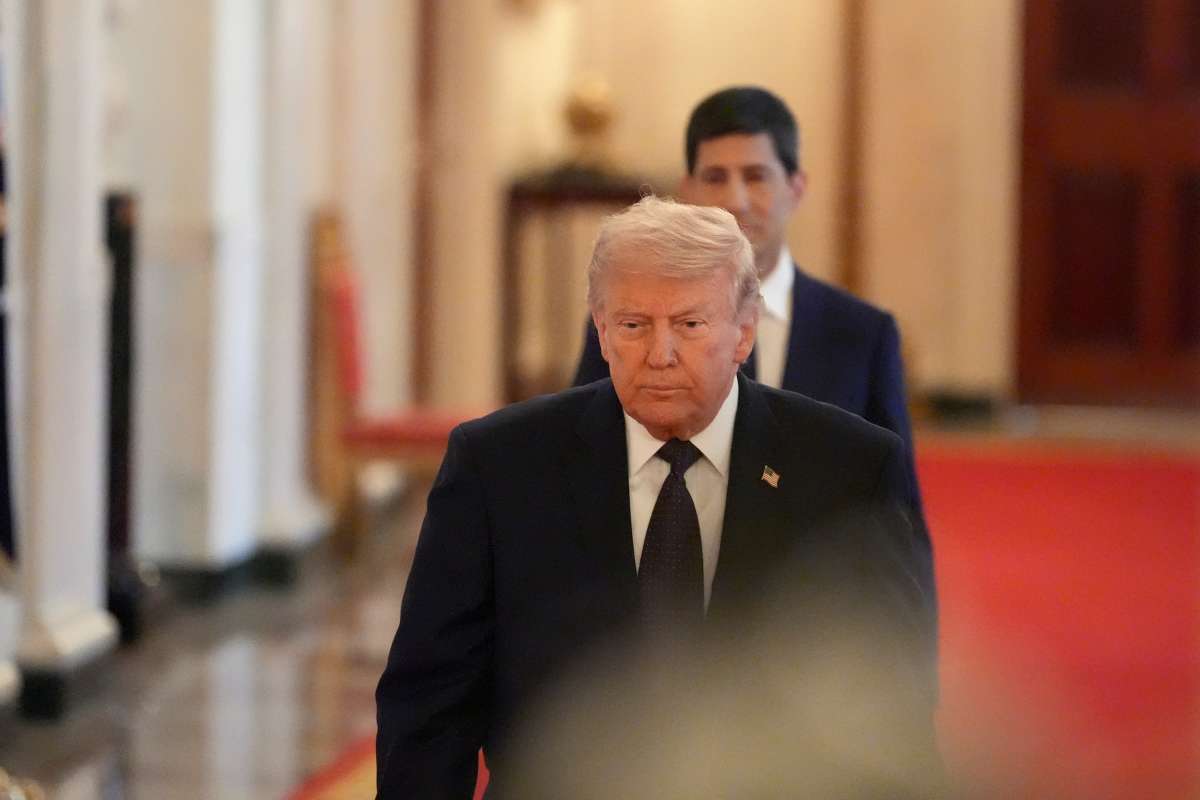
Trump faces pushback from GOP allies
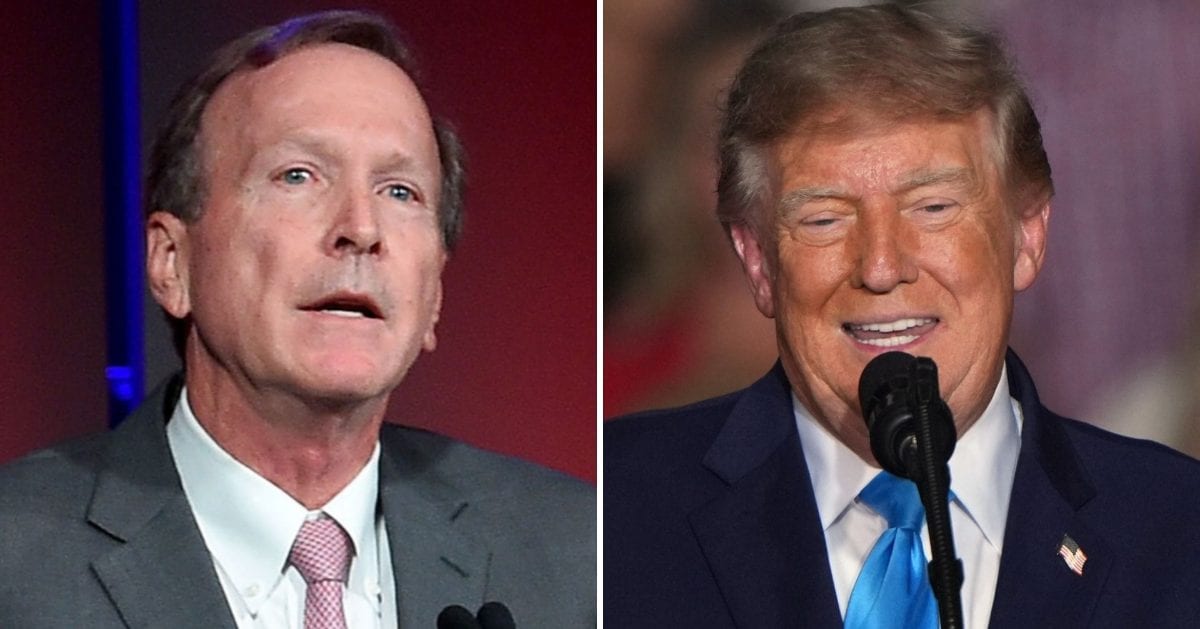
The President has been facing revolt from his Republican allies, with Senators including Ted Cruz and Lindsey Graham openly sounding the alarm over the pending agreement.
The Texas Senator noted that he was “deeply concerned” about some of the details on the not-yet-finalized deal with Iran.
“President Trump’s decision to strike Iran was the most consequential decision of his second term. He was right to do so, and we achieved extraordinary military results — including destroying all of their missiles & drones and sinking their entire navy,” Cruz wrote in a lengthy X post.
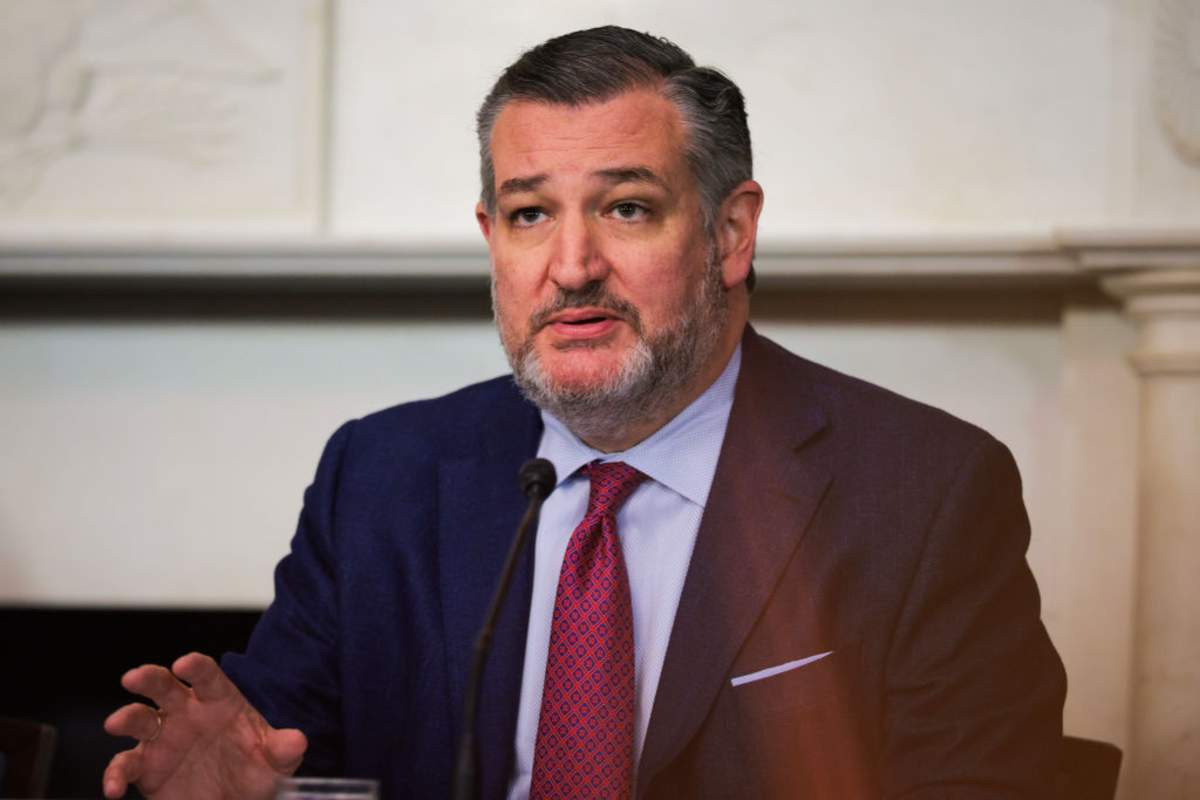
“If the result of all that is to be an Iranian regime — still run by Islamists who chant ‘death to America’ — now receiving billions of dollars, being able to enrich uranium & develop nuclear weapons, and having effective control over the Strait of Hormuz, then that outcome would be a disastrous mistake,” he added.
I am deeply concerned about what we are hearing about an Iran “deal,” being pushed by some voices in the administration.
— Ted Cruz (@tedcruz) May 24, 2026
President Trump’s decision to strike Iran was the most consequential decision of his second term. He was right to do so, and we achieved extraordinary…
Sen. Roger Wicker, chairman of the Senate Armed Services Committee, also joined the bandwagon on the proposed 60-day ceasefire and warned, Everything accomplished by Operation Epic Fury would be for naught.'
Lindsey Graham, one of Trump’s closest allies on Capitol Hill, also voiced concerns over the direction of the negotiations, warning that any agreement leaving Iran as a dominant regional force could turn into a “nightmare for Israel.”
If a deal is struck to end the Iranian conflict because it is believed that the Strait of Hormuz cannot be protected from Iranian terrorism and Iran still possesses the capability to destroy major Gulf oil infrastructure, then Iran will be perceived as being a dominate force…
— Lindsey Graham (@LindseyGrahamSC) May 23, 2026
'It makes one wonder why the war started to begin with if these perceptions are accurate,' Graham wrote on X. The South Carolina senator later appeared to dial back his criticism, signaling he could support the broader deal if it paved the way for a major expansion of the Abraham Accords, the Trump-brokered agreements that normalized ties between Israel and several Arab nations during his first term.