Bessent branded ‘worst Treasury secretary in history’ over bond buyback plan as debt tops $40T
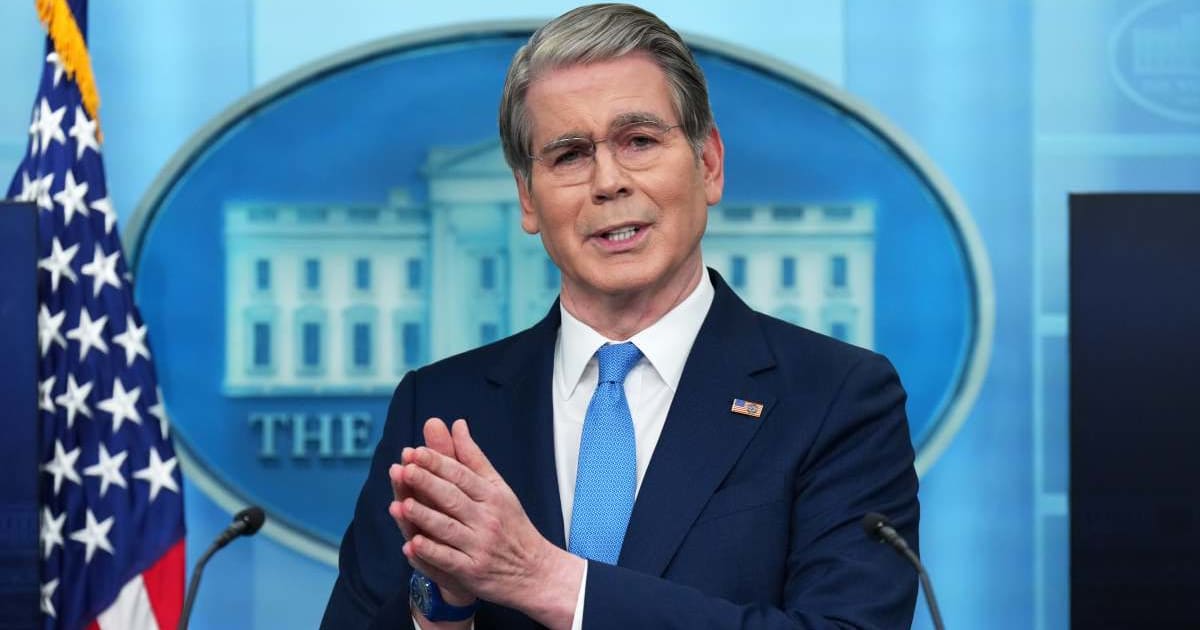
WASHINGTON, DC: Treasury Secretary Scott Bessent is facing criticism over the administration’s response to rising US bond yields and the country’s growing debt.
In a report by the Guardian, former George W Bush strategist Steve Schmidt called him the “worst treasury secretary in the history of the United States.”
The comments followed the Treasury’s decision to double its planned purchases of longer-term government bonds. The criticism comes as Bessent also oversees the administration’s economic response to Iran, tariffs and a national debt that has surpassed $40 trillion.
Scott Bessent’s bond buyback plan faces market criticism
The announcement came as yields on 30-year Treasury bonds reached their highest level in about 18 years.
Higher yields can increase the government’s borrowing costs as it refinances existing debt and issues new securities.
Cross-asset strategist Charlie McElligott described the buyback plan as a “band-aid on a bullet hole” and said it would “not be enough to placate market forces.”
Bill Galston, a senior fellow at the Brookings Institution, also questioned the response, saying, “The long bond buyback was perceived as somewhat farcical by the financial community, and when he went on to opine that we could grow our way out of the debt, I’m sure he knows better than that.”
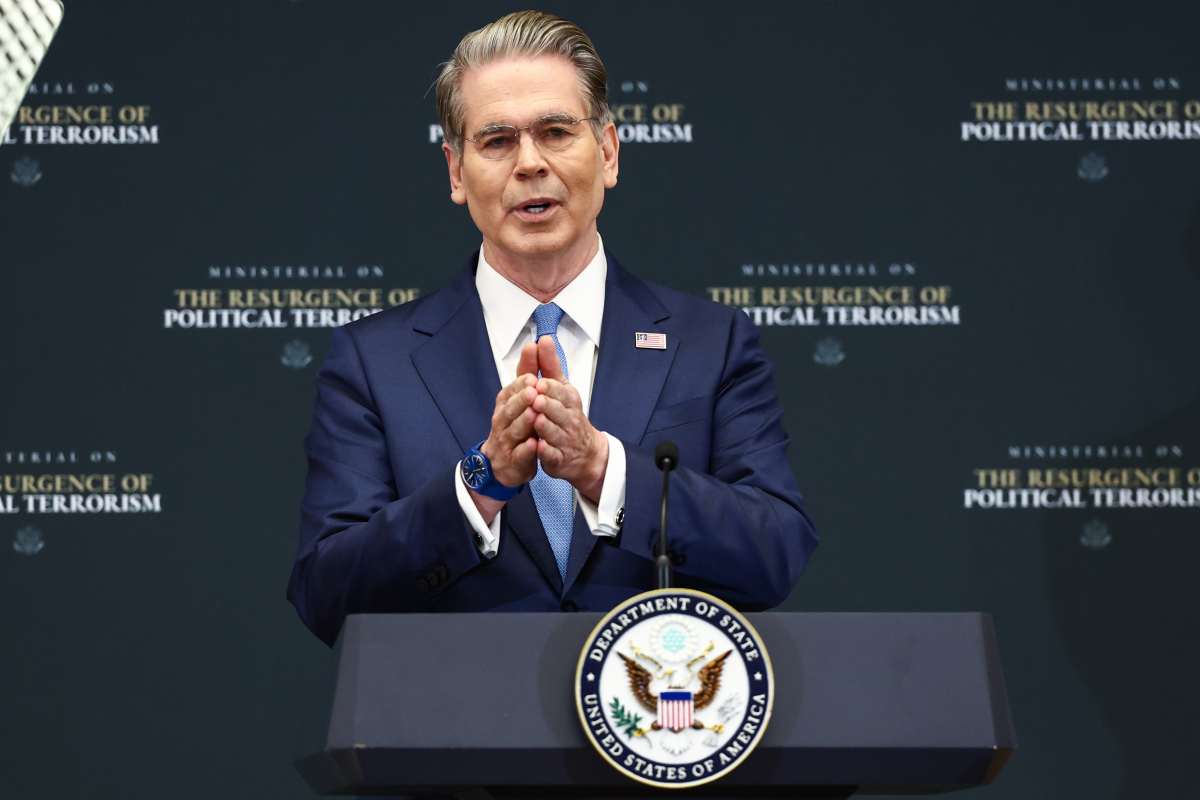
Schmidt went further in his criticism, telling the outlet that “he (Bessent) is, bar none, the worst treasury secretary in the history of the United States,” Schmidt said.
“Because the first treasury secretary was a true genius, the distance between Alexander Hamilton and Bessent in evolutionary scale is the difference between a flea and a human being. He is inept, he is incompetent, he is dishonest, he is smug, he is craven.”
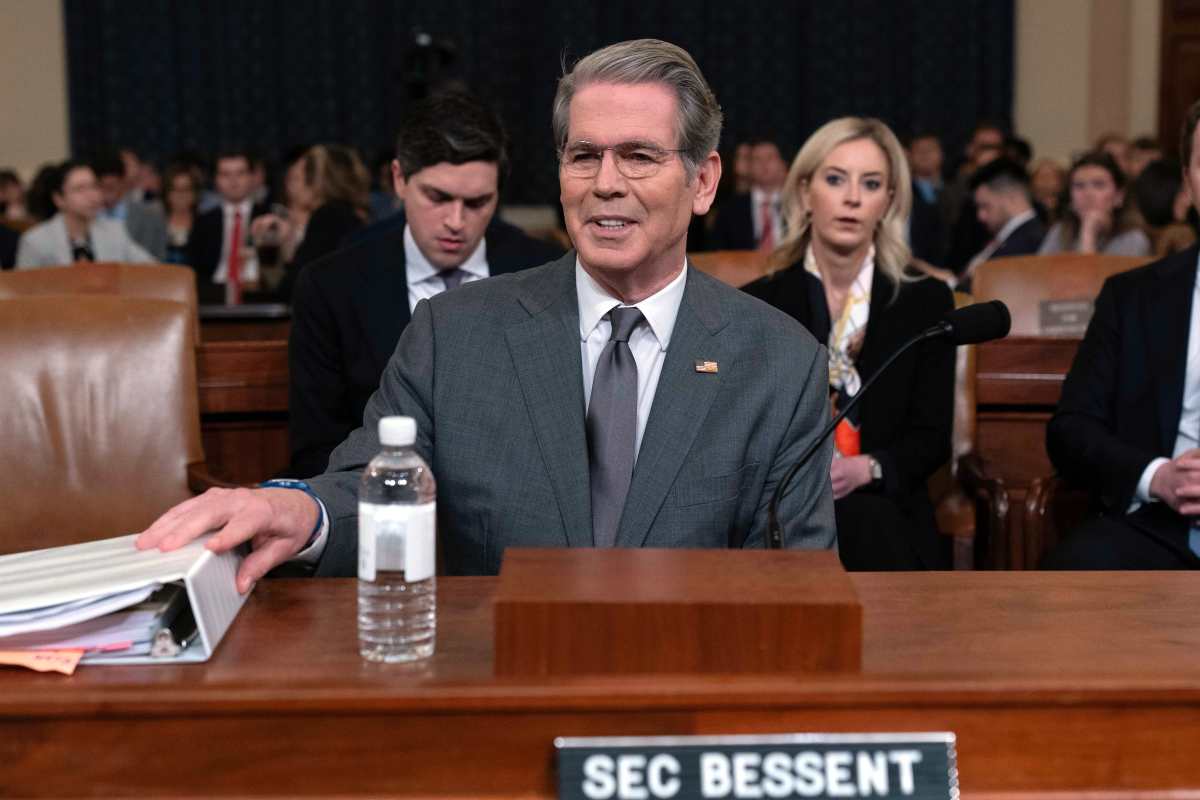
The criticism followed a brief market response to the Treasury’s announcement. Bond yields initially declined before moving back toward previous levels later in the week.
Iran sanctions and tariffs expand Bessent’s role
The bond-market debate comes as Bessent takes on a broader role in implementing the Trump administration’s economic policies, including efforts to increase financial pressure on Iran.
The administration has described its strategy as an effort to isolate Iran from the global financial system. Bessent has warned about the economic consequences of Tehran’s policies while the administration considers additional sanctions.

Bessent has also been central to the administration’s tariff policy. President Donald Trump has continued to use tariffs as a major economic and foreign-policy tool, including announcing 50% tariffs on $20 billion worth of Canadian goods after negotiations between the two countries broke down.
Canada responded with tariffs on $20 billion of US products.
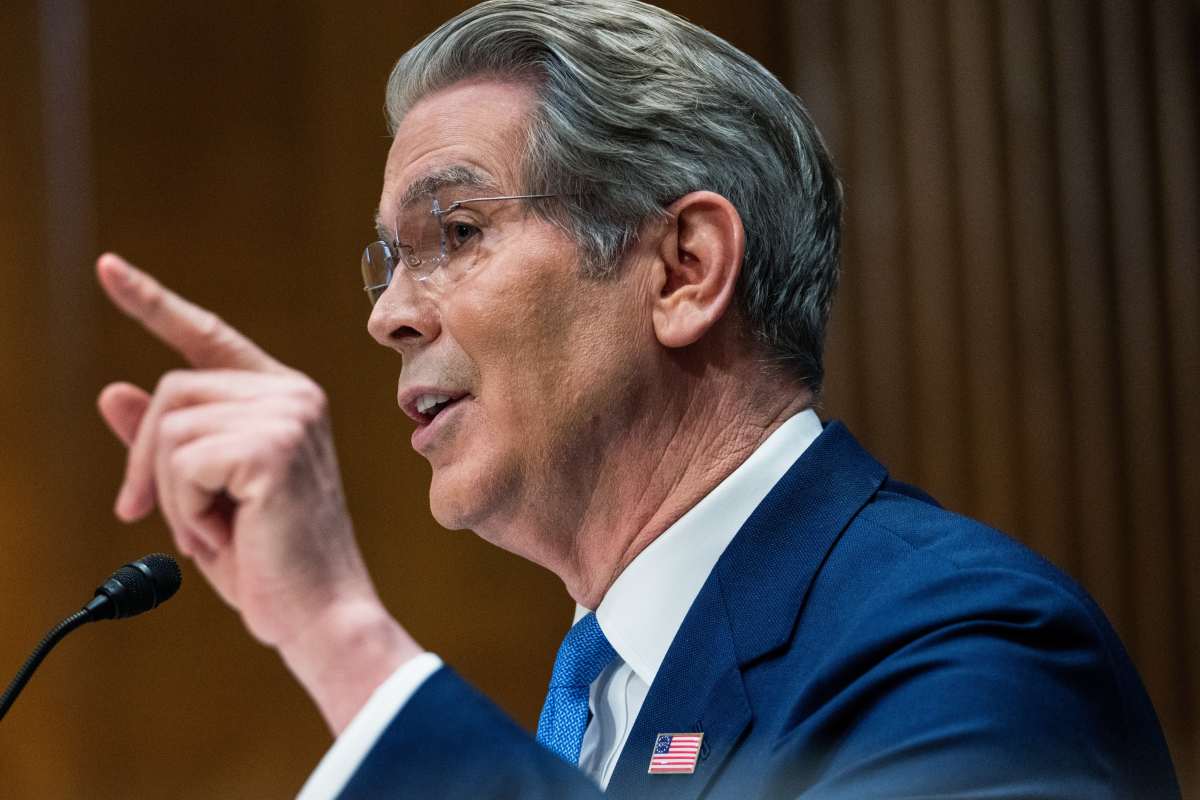
Bessent previously argued that tariffs could contribute to inflation but later said, “I’ve evolved on this. The president has been right.” He has also described tariffs as “a useful tool for achieving the president’s foreign policy objectives.”