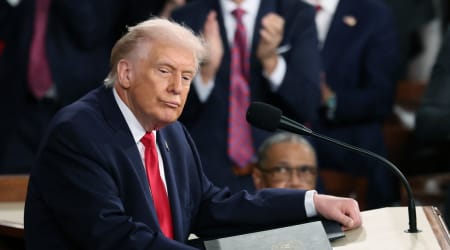
Bessent offers Warren a 'foreign exchange for dummies' tutorial
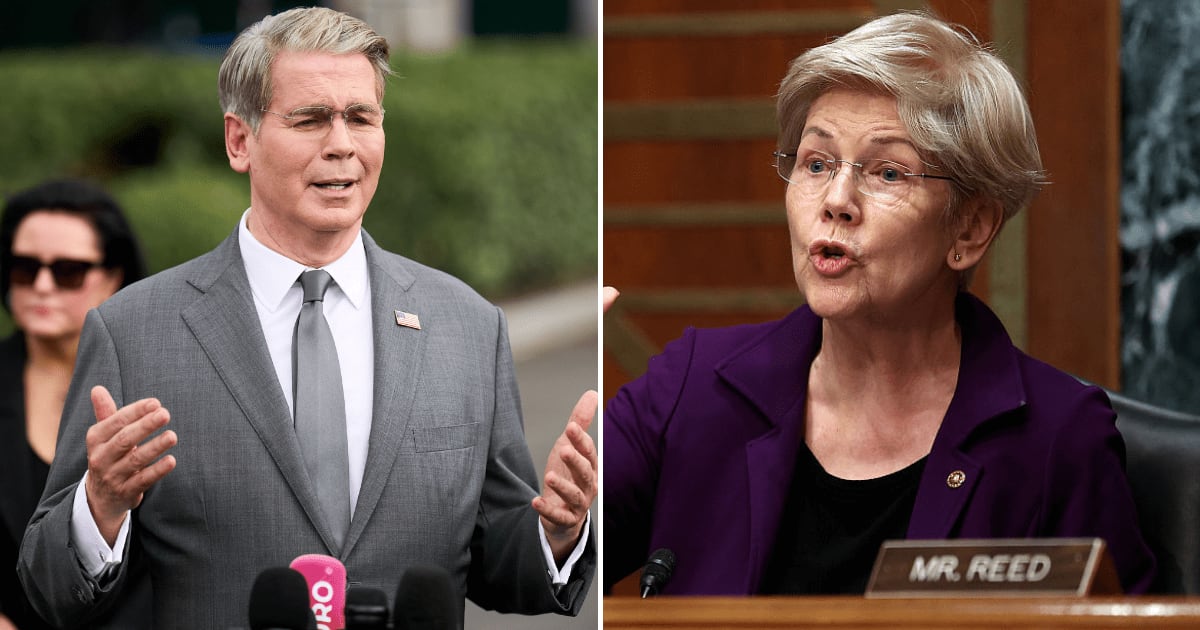
WASHINGTON, DC: Treasury Secretary Scott Bessent and Sen Elizabeth Warren have traded unusually personal barbs over the Trump administration's intervention to support Japan's currency, with Bessent telling the Massachusetts Democrat that he could give her a “Foreign Exchange for Dummies” tutorial.
The clash followed Warren's August 13 letter questioning the administration's use of the Treasury Department's Exchange Stabilization Fund after the US joined Japan in buying yen last month.
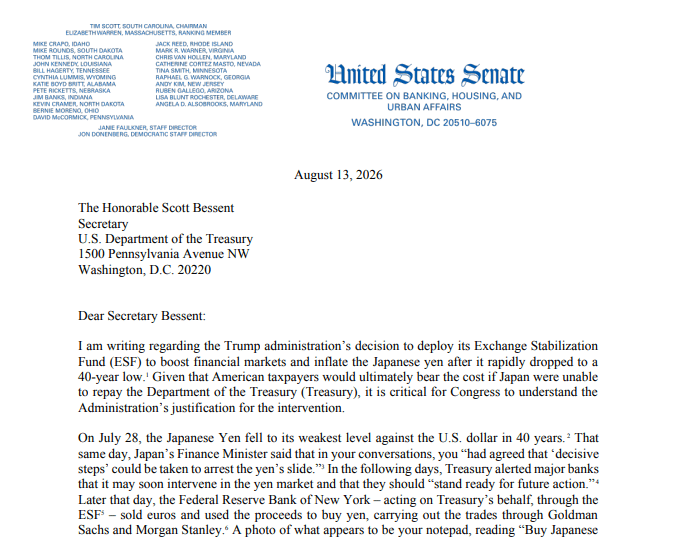
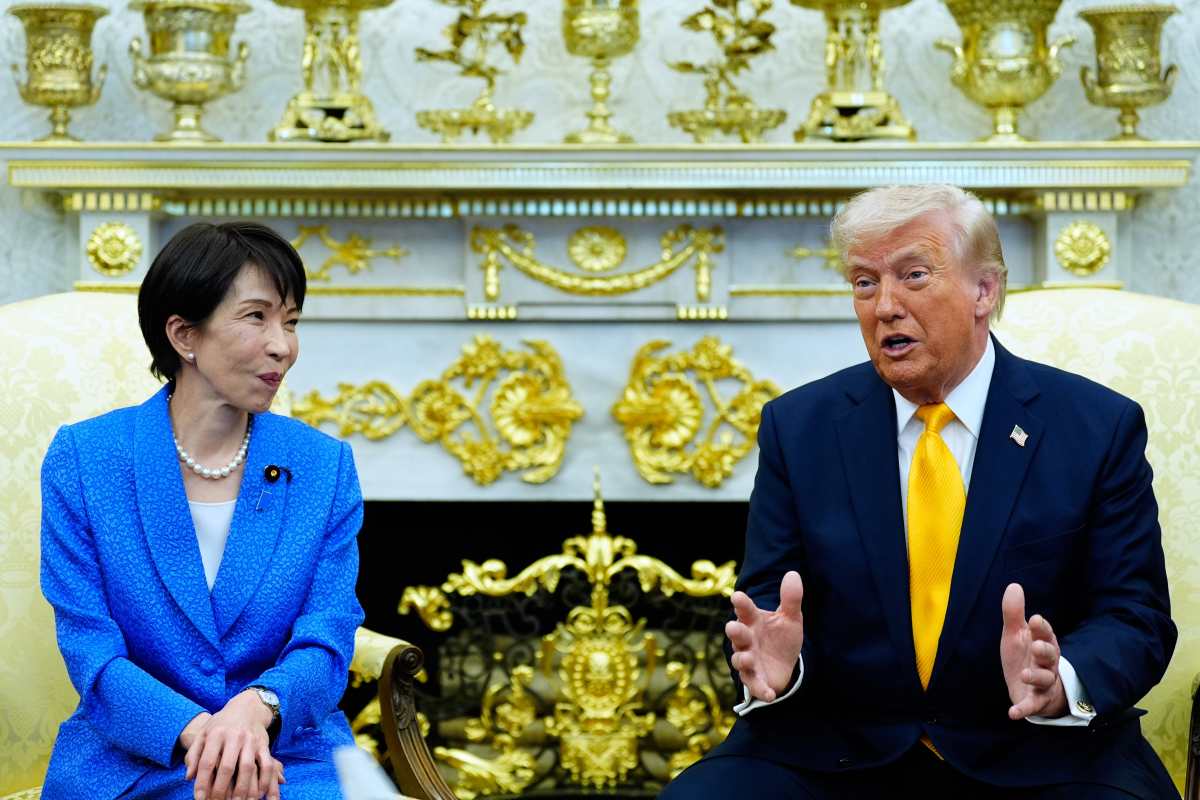
The intervention came as the Japanese currency hovered near a 40-year low and marked the first joint US-Japan action of its kind since 1998.
In a letter dated August 27, Bessent rejected Warren's concerns and accused her of misunderstanding how the operation worked.
Warren fired back on social media, escalating the dispute further.
Scott Bessent questions Elizabeth Warren's financial knowledge
In her latest sciolistic letter to me, @SenWarren made it clear that she knows even less about foreign exchange markets than she does about banking.
— Treasury Secretary Scott Bessent (@SecScottBessent) August 28, 2026
What is equally shocking, but not surprising: not a single member of the media mob has a rudimentary-enough level of financial… pic.twitter.com/0mmp2tapqJ
Bessent's response opened with a personal jab, telling Warren that her letter showed she knew “even less about foreign exchange markets” than she did about banking.
He also criticized what he called the “media mob” for failing to understand the transaction and dismissed Warren's questions about whether US taxpayers could be left responsible for Japanese debt.
Treasury, Bessent wrote, exchanged existing foreign-currency assets for yen and did not extend credit to Japan. “Japan owes the Treasury nothing,” he said, arguing there was no debt that could go unpaid.
He added that the administration's actions were intended to prevent disorder in a major ally's markets, which he said could otherwise affect global markets and American borrowing costs.
Japan rescue sparks transparency questions
Warren had demanded details about the intervention, including its legal basis, cost, and potential risks.
She also questioned whether the Treasury had adequately explained why US resources were being used to support a foreign currency.
Her earlier letter noted Japan's position as a major holder of US Treasury securities and raised concerns about how instability in Japanese markets could affect American interest rates.
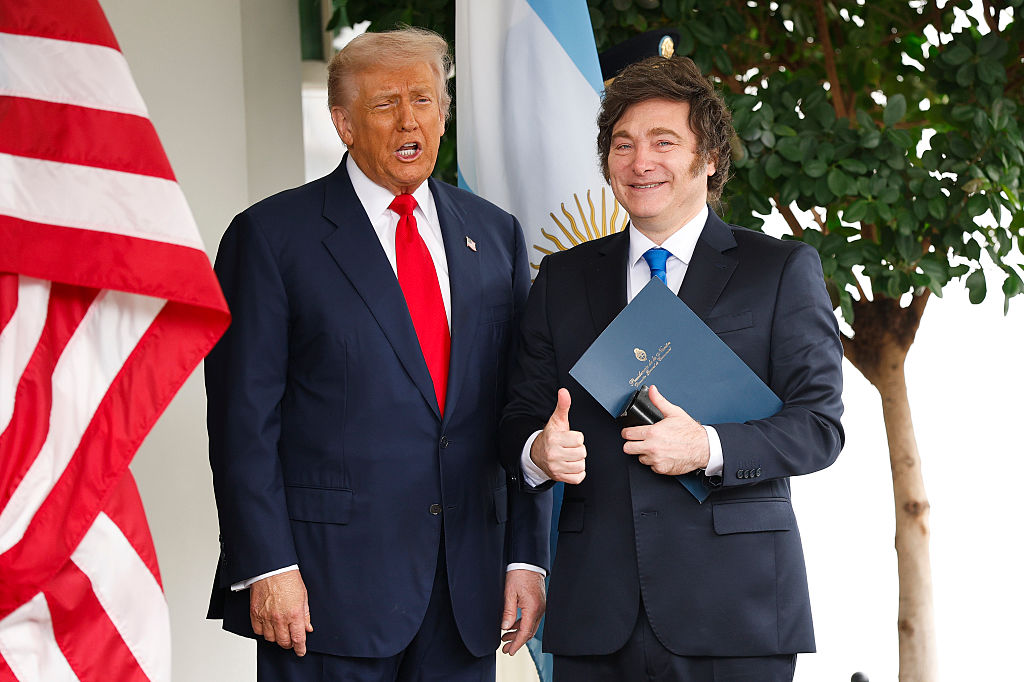
She also pointed to the administration's earlier use of the Exchange Stabilization Fund to support Argentina's peso under President Javier Milei, an operation Warren had previously described as a politically driven, taxpayer-backed bailout.
By raising Argentina, Warren appeared to be questioning whether the Japan intervention represented another instance of the Treasury using the fund for major overseas market operations without fully disclosing the government's financial exposure.
Treasury has said it made money on the Argentina intervention, though it has not publicly released full details of that operation.
Bessent defended the fund's use, writing that federal law authorizes the Treasury secretary, with presidential approval, to deal in foreign exchange to support orderly exchange arrangements.
Elizabeth Warren fires back at Treasury
Tough couple weeks for Sec. Bessent.
— Elizabeth Warren (@SenWarren) August 28, 2026
His effort to prop up a foreign currency hasn’t worked. His failed intervention in Treasury markets was blasted by his mentor as burning "two centuries" of credibility.
Trump's economy is crushing families. Maybe he should focus on that. https://t.co/VlFohW6Lrr
Warren's response did not soften the dispute.
In a social media post, she said Bessent's effort to support the yen had not worked and pointed to criticism from billionaire investor Stanley Druckenmiller, Bessent's former mentor and colleague from his years at George Soros's investment firm.
Druckenmiller had recently criticized Bessent's broader market interventions, warning that efforts to suppress borrowing costs were unlikely to succeed and arguing that reducing the federal deficit would be a better approach.
The criticism gave Warren an opening to argue that even a prominent figure from Bessent's Wall Street past had questioned his economic strategy.
“Trump's economy is crushing families,” Warren added. “Maybe he should focus on that.”
What this means for Americans
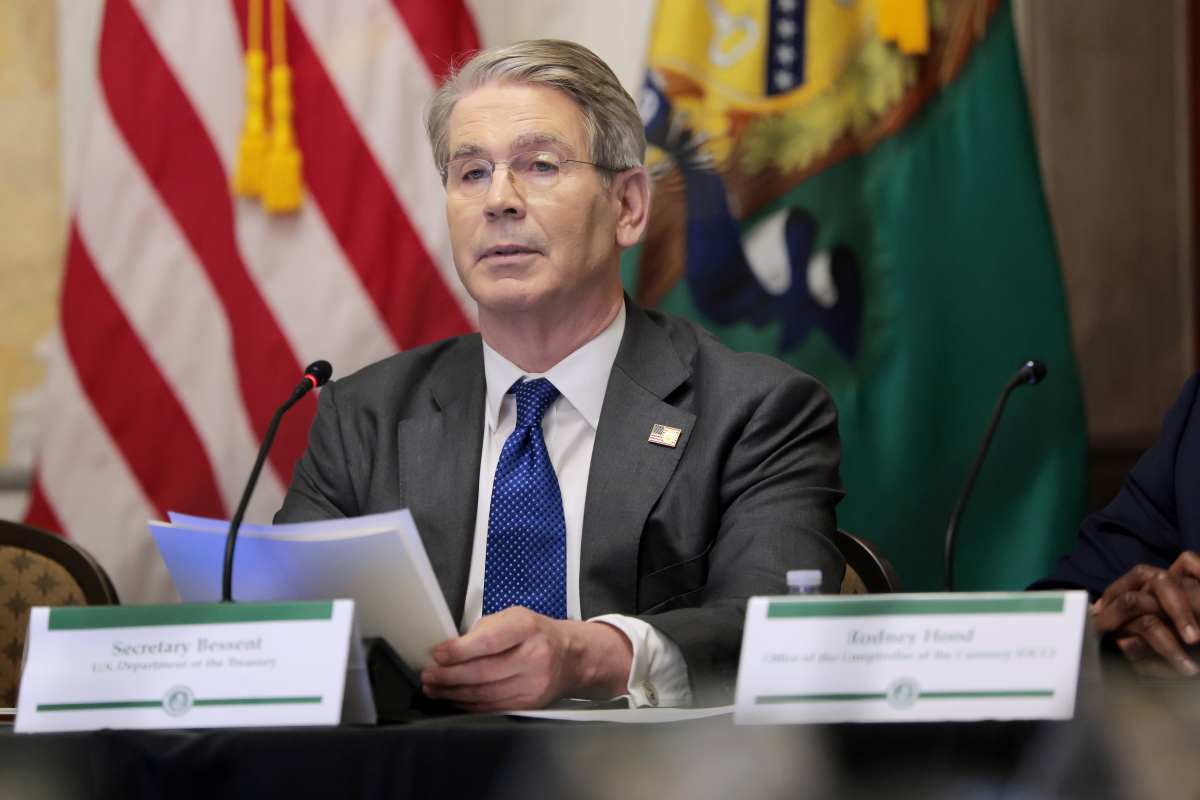
Currency intervention may appear distant from everyday life, but the dispute centers on risks that can eventually reach US households.
Bessent argued that turmoil in Japan could force market disruptions and push up borrowing costs for American families and businesses.
Warren, meanwhile, is demanding greater accountability over how Treasury resources are used.