'We have genetically': Trump's unexpected revelation about his MIT scientist uncle
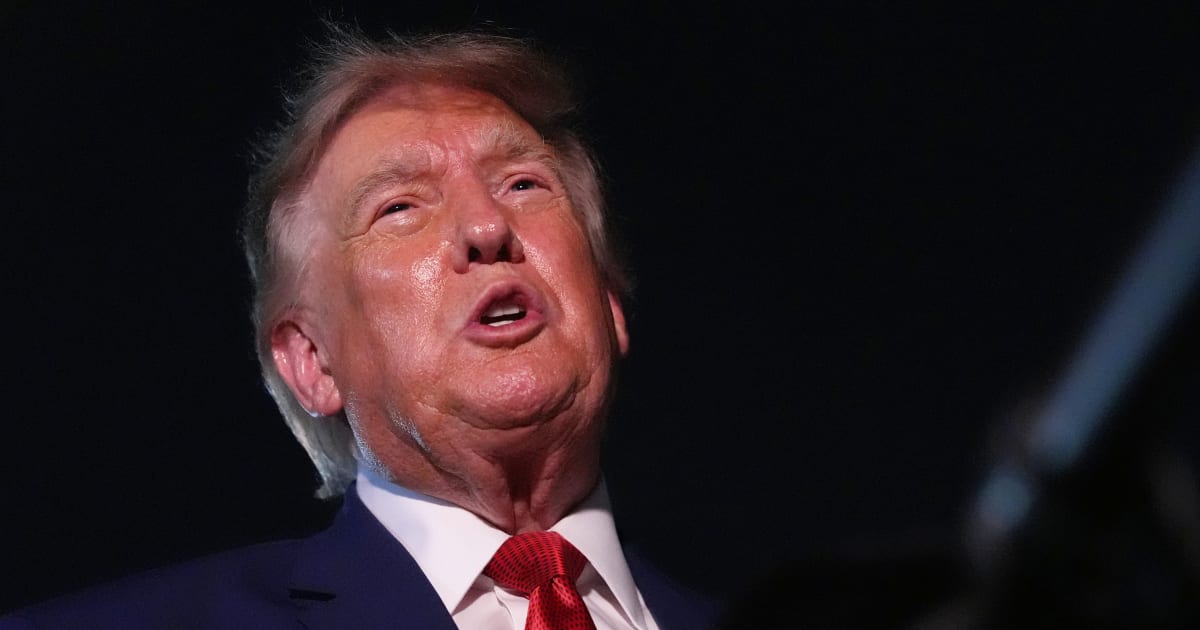
Trump claims he "genetically believes" in space because his uncle was smart pic.twitter.com/lgz4tOfSYQ
— Aaron Rupar (@atrupar) August 28, 2026
WASHINGTON, DC: President Donald Trump unexpectedly connected his fascination with space to his late uncle, MIT scientist Dr John Trump, saying their shared interest was “genetically” linked.
Trump said his late uncle, a longtime MIT scientist, frequently discussed space with him.
The president made the remarks on Friday, August 28, while visiting NASA’s Johnson Space Center in Houston, where he honored the Artemis II crew.
Trump recalls uncle's love of space
Dr. John G. Trump, of MIT!
— Commentary Donald J. Trump Truth Social Posts On X (@TrumpTruthOnX) July 5, 2026
( TS: Jul 5 2026, 4:22 PM ET ) pic.twitter.com/OP59lrHRP2
Trump described his uncle as a major influence on his own interest in space while discussing the excitement surrounding NASA’s work.
“I had an uncle who was a great scientist, a great man,” Trump said. “He was at MIT for 41 years.”
Trump then recalled how frequently his uncle discussed the subject with him.
“He loved space. He used to tell me about space, space, all space,” Trump said, adding that his uncle would occasionally “throw in the word nuclear every once in a while.”
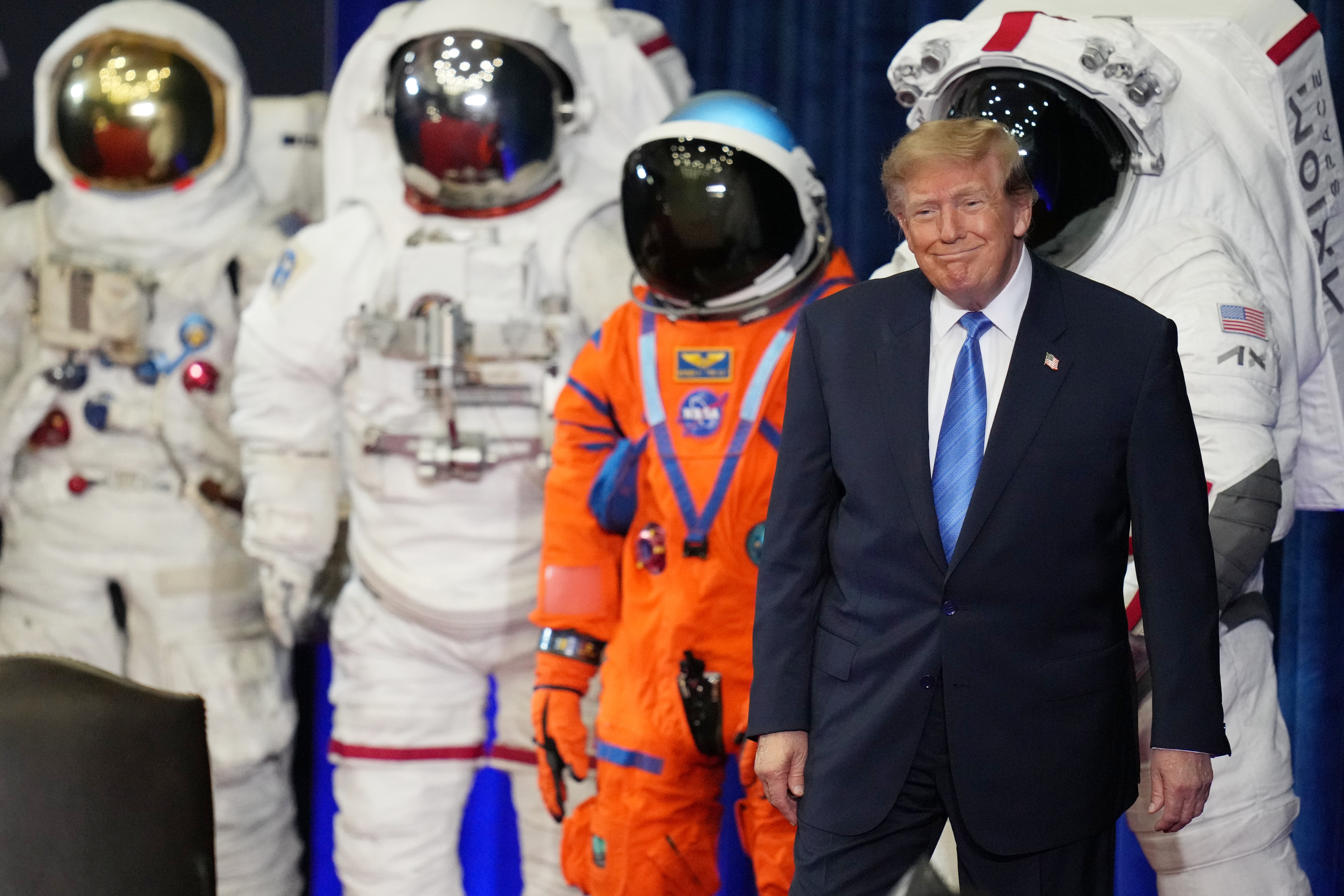
Trump then connected that fascination to himself.
“So I guess we have genetically, we sort of I believe in that stuff,” he said. “I love it. I find it so interesting, so amazing.”
The remarks came as Trump celebrated what he described as a resurgence of the US space program and praised NASA employees involved in Artemis II.
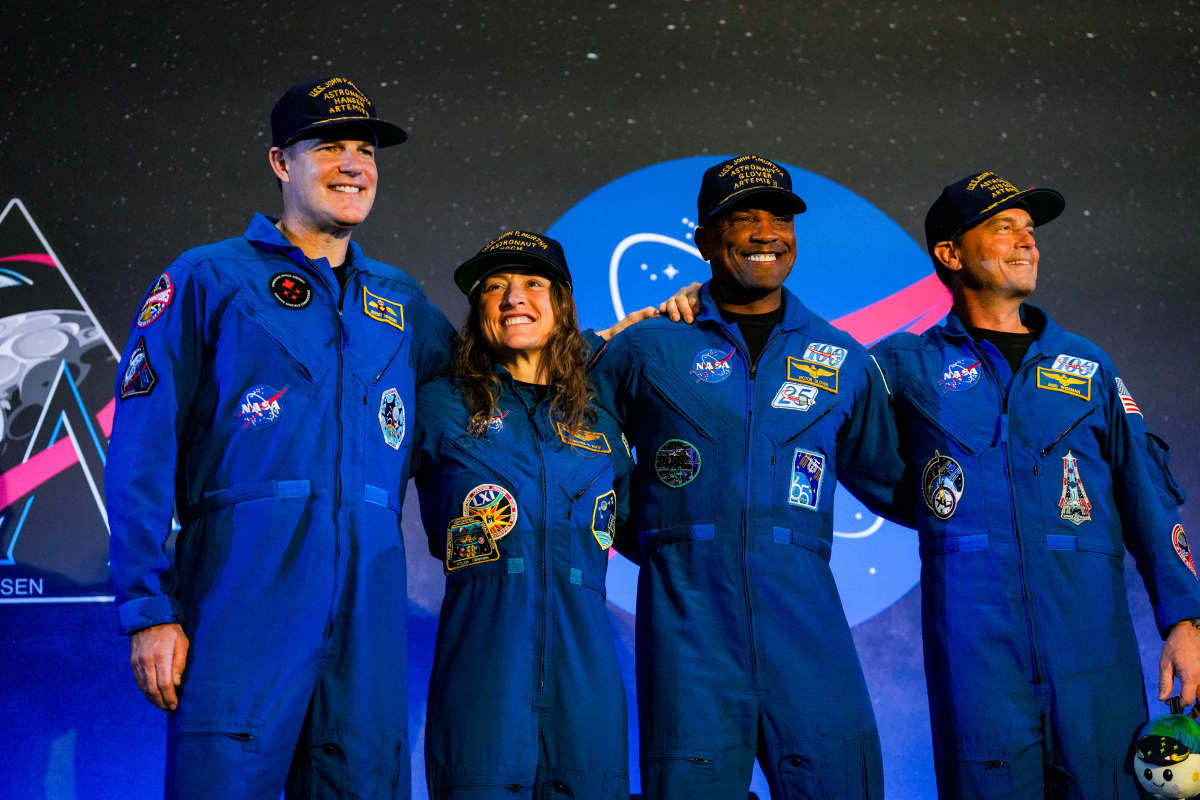
He awarded the Congressional Space Medal of Honor to Commander Reed Wiseman, Pilot Victor Glover, Mission Specialist Christina Koch, and Mission Specialist Jeremy Hansen.
President Trump touts a new era for NASA
Trump used the Houston appearance to argue that the US space program had undergone a major revival under his administration.
“When I got here, I came here. I went to Florida. I visited a couple of the places,” Trump said, describing what he saw at the Kennedy Space Center during his first term.
He claimed NASA had been nearly empty and said the Kennedy Space Center had deteriorated, including a runway where “grass” was growing through cracks.
Trump: Don't forget I was the one that gave you space force, and we had no space force, and when people heard about it they thought we were kidding. They thought it was like comic book stuff pic.twitter.com/uvURlAxIJL
— Acyn (@Acyn) August 28, 2026
Trump contrasted that with what he called the current “golden age” of the American space program.
He also pointed to the Artemis program, which he said he created during his first term to return American astronauts to the moon and eventually reach Mars.
Trump points to space ambitions
Trump said American astronauts would return to the lunar surface before the end of his term and described plans for a permanent American settlement on the moon.
He also said NASA had begun work on a nuclear-powered interplanetary spacecraft that would launch in 2028 for a mission to Mars.
NEW: President Trump announces NASA is working on a nuclear-powered interplanetary spacecraft set to launch on a mission to Mars in 2028.
— Fox News (@FoxNews) August 28, 2026
"This ship will be among the first of what will ultimately be a massive American Star fleet, making space travel almost as common as ocean… pic.twitter.com/XrSpFjgoVW
“This ship will be among the first of what will ultimately be a massive American Starfleet,” Trump said, describing a future in which space travel could become “almost as common as ocean travel today.”
Trump also tied the expansion of space capabilities to national security, saying the Space Force had become one of the country’s most important military branches.
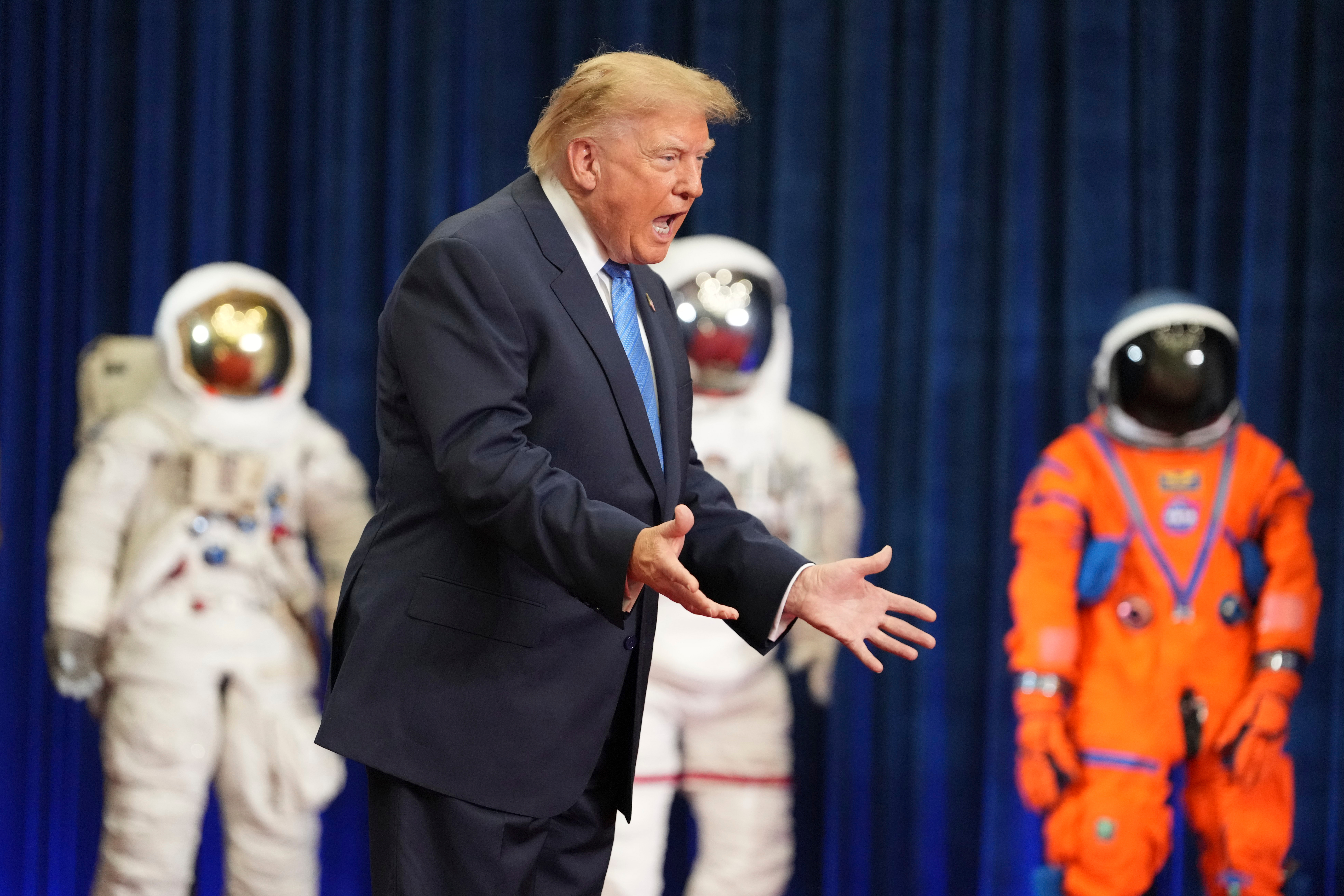
He also said that his administration would “explore it, we will tame it, and we will win it,” referring to the space frontier.
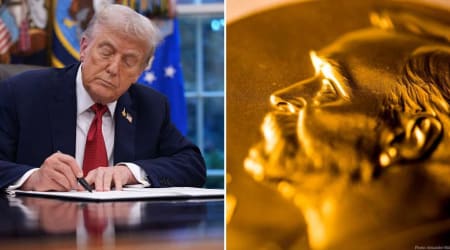
Trump then announced plans to sign an executive order beginning the process of creating a US Space Academy, modeled after institutions including West Point, Annapolis, and the Air Force Academy.