Bessent's face changes as he's summoned for Iran talks mid-interview: 'President wants you right away'
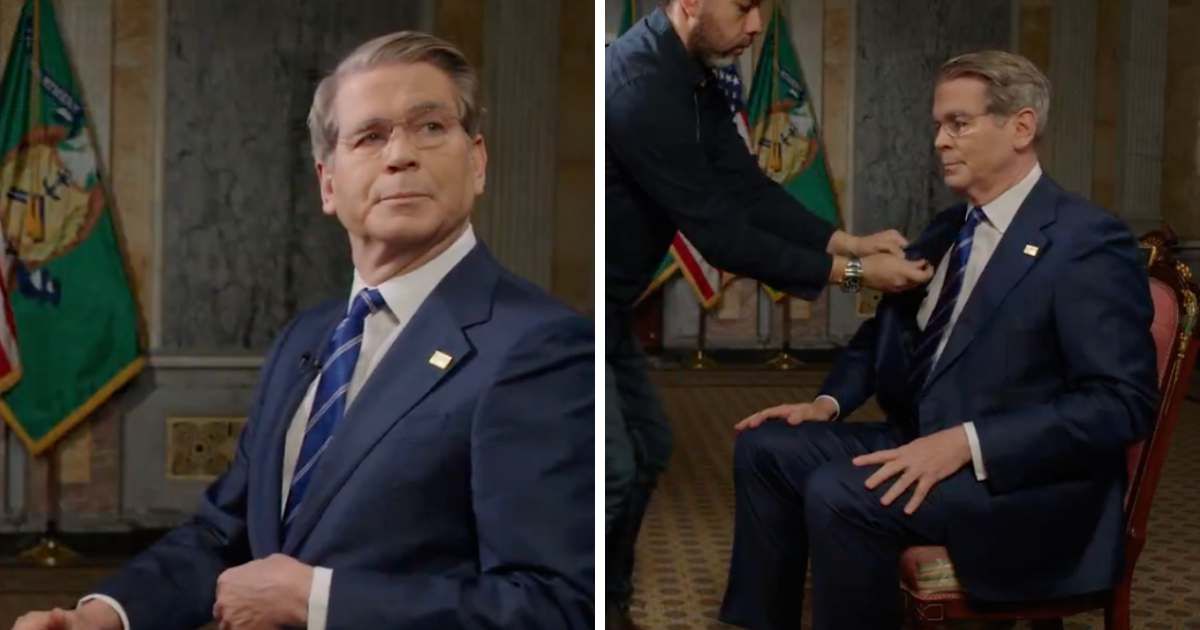
Treasury Secretary Scott Bessent is abruptly pulled from a live interview for urgent talks with President Trump in the Situation Room.pic.twitter.com/WgAt4iEP7O
— Brandon Straka #WalkAway (@BrandonStraka) March 13, 2026
WASHINGTON, DC: A dramatic moment unfolded when Secretary of the Treasury Scott Bessent was abruptly pulled out of a live television interview and summoned to the White House Situation Room by President Donald Trump.
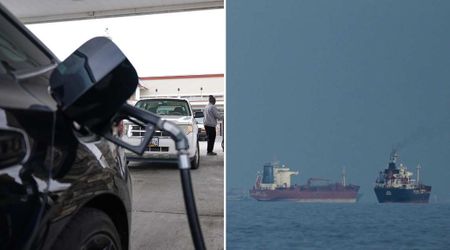
The interruption occurred during a discussion about escalating tensions involving Iran and the impact on global oil shipping. The incident highlighted the seriousness of the situation and the possibility of US naval involvement in protecting oil tankers passing through the Strait of Hormuz.
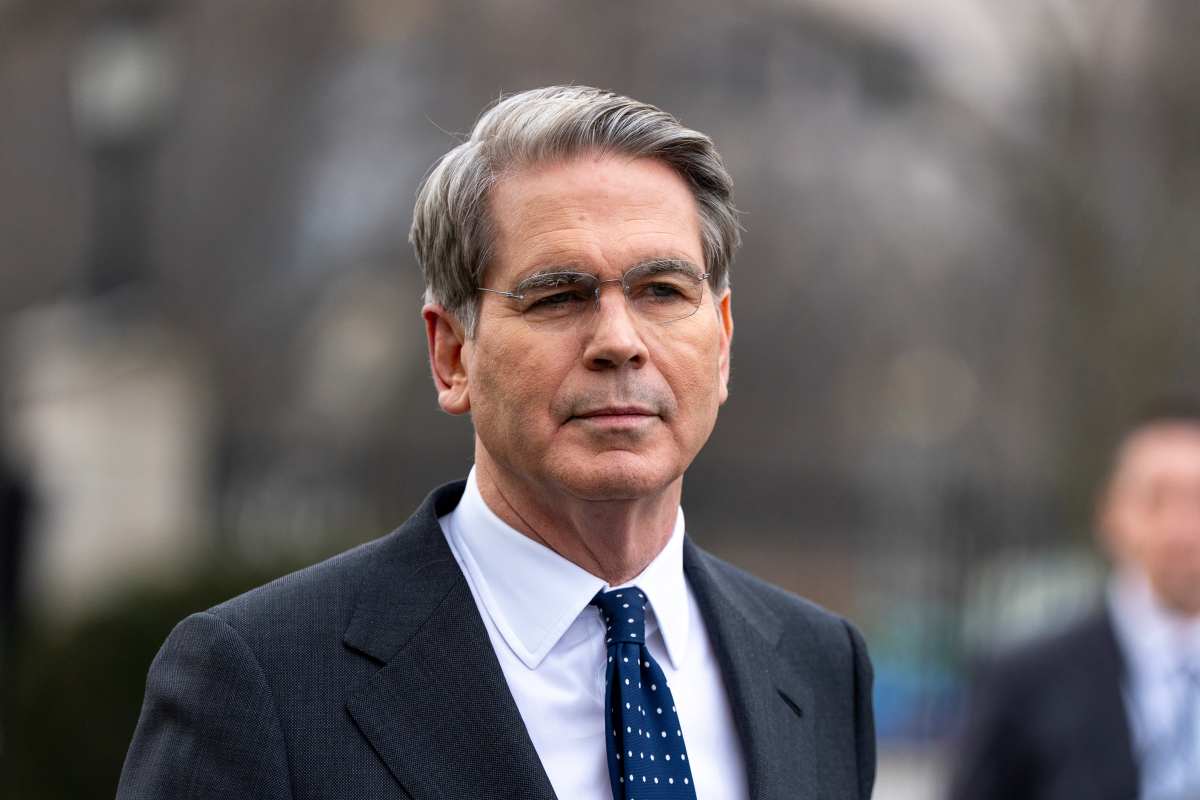
Scott Bessent pulled from interview for urgent Situation Room meeting
During a live interview with Sky News on Friday, March 13, Bessent was suddenly called away about 13 minutes into the broadcast. He was told that the president wanted him “right away,” prompting him to immediately leave the interview to attend an urgent meeting in the Situation Room.
The emergency discussion was connected to the growing conflict involving Iran and the broader financial and strategic consequences of the war. When Bessent later returned to the interview, he explained that he had just taken part in a wide-ranging conversation with Trump about the latest developments in the conflict and related economic issues.
The host asked, "Mr Secretary, I have to say, it's a first, I'm sure a last as well, that an interviewee been pulled away to go to the Situation Room. How was the President? Was he stressed?"
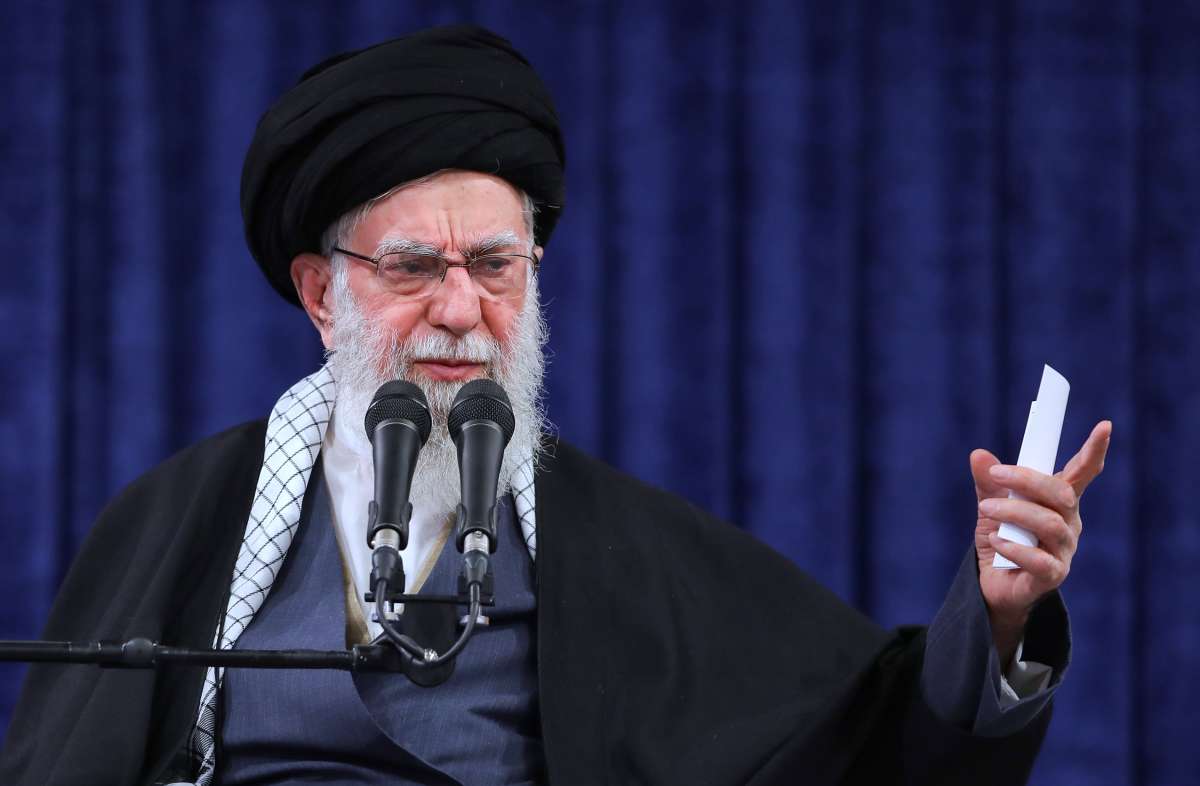
Bessent said that the president “is in great spirits” and that the Iranian mission “is proceeding well ahead of schedule.” He further added that his son was considering military service, and "I could give this team my highest compliment from President Trump, to the head of the Joint Chiefs, to the Secretary of War."
“I would say that I would trust my child’s life in their hands,” Bessent said. The operation was launched on February 28 in collaboration with Israel and reportedly resulted in the death of Iranian Supreme Leader Ali Khamenei.
During the resumed interview, Bessent also addressed how the conflict was affecting the global economy. He pointed to a surge in the US dollar and major disruptions in the global oil market following the blockade of the Strait of Hormuz by Iran’s new leadership.
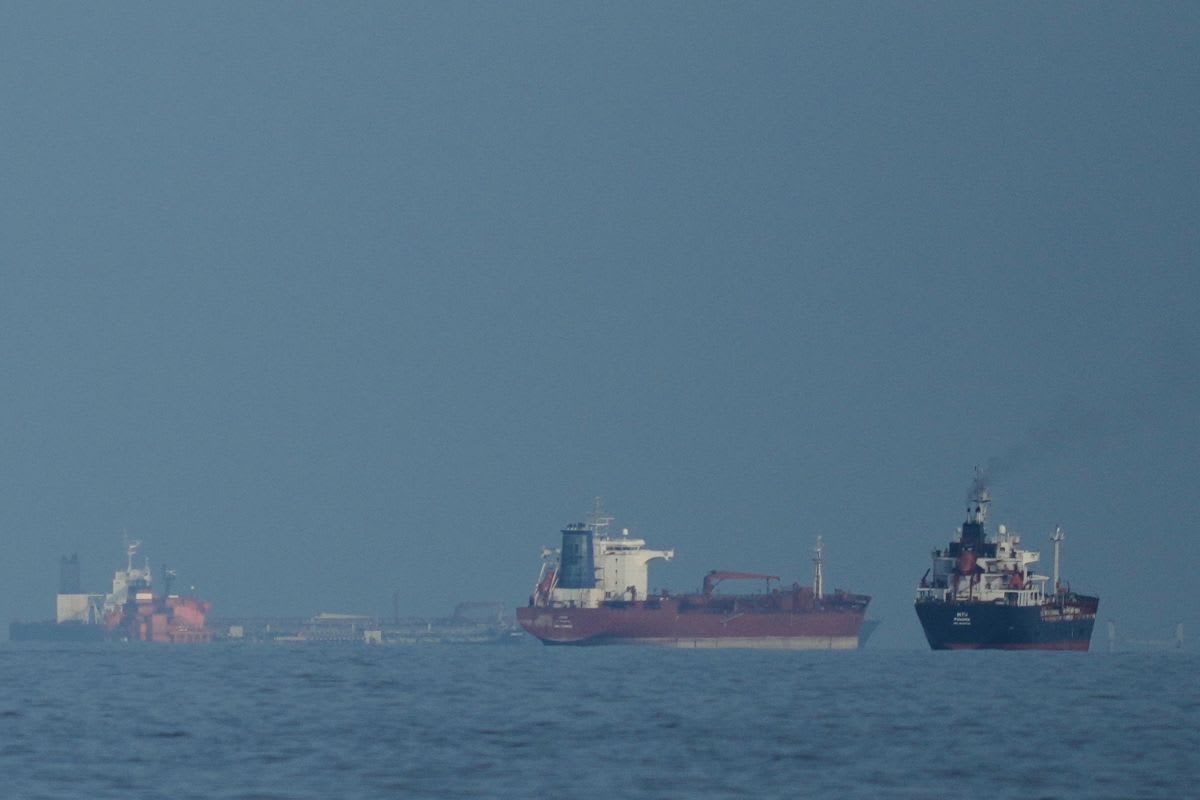
Scott Bessent discusses tanker escorts and costs of the conflict
While speaking about the crisis, Bessent said the US could soon begin escorting international ships through the Strait of Hormuz with the help of the US Navy. The move would aim to protect commercial vessels carrying oil and ensure the safe flow of global energy supplies.
“My belief is that as soon as it is militarily possible, the US Navy, perhaps with an international coalition, will be escorting vessels through,” he said.
There have also been concerns that Iran might place underwater mines in the strait, which could endanger shipping. “There are, in fact, tankers coming through now, Iranian tankers, I believe some Chinese-flag tankers have come through. So we know that they have not mined the straits,” Bessent added.
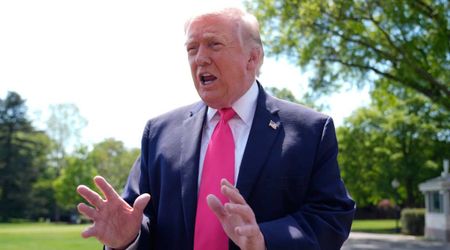
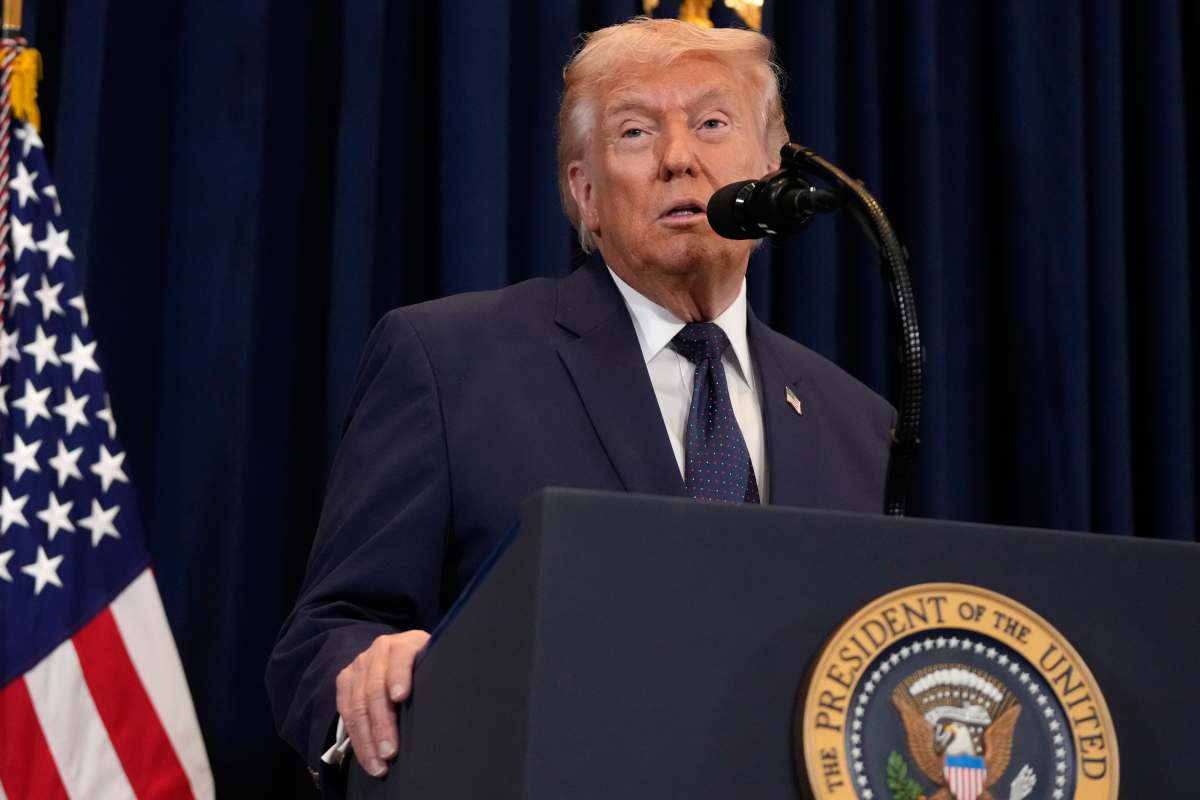 Donald Trump speaks at a news conference, Monday, March 9, 2026, at Trump National Doral Miami in Doral, Florida. (AP Photo/Mark Schiefelbein)
The Treasury secretary neither confirmed nor denied whether the issue of naval escorts was discussed during the meeting he was called into at the White House, “your words, not mine,” he stated. The financial cost of the military operation was another major issue discussed. Bessent estimated that the US campaign connected to the conflict has already cost around $11 billion.
Meanwhile, Energy Secretary Chris Wright confirmed that the idea of escorting ships through the Strait has been discussed within the administration. “It’ll happen relatively soon, but it can’t happen now,” Wright told CNBC.
“We’re simply not ready. All of our military assets right now are focused on destroying Iran’s offensive capabilities and the manufacturing industry that supplies their offensive capabilities,” Wright said.