Boston City Council declares Thanksgiving 2026 a ‘National Day of Mourning’

WASHINGTON, DC: Boston’s City Council has voted to make November 26 2026, a ‘National Day of Mourning’. Although symbolic in nature and acknowledging the effects of colonization on native people, it is not legally binding and does not affect the running of the city.
As reported by Breitbart and cited by Fox News, the motion was proposed by Councilor Benjamin Weber and backed by a further 11 councilors. The council has previously voted to observe such symbolic motions in the run-up to Thanksgiving. Councilor-at-Large Julia Mejia stated during the council meeting that while schools in America typically teach children about Thanksgiving, they fail to include information regarding the effect colonization had on native people.
Boston councilors back Thanksgiving Day of Mourning resolution
A ‘National Day of Mourning’ has been named for Thursday, November 26. Mejia added that typical lessons given on the history behind Thanksgiving fail to highlight “the devastating consequences that colonialization [sic] had and continues to have on Indigenous peoples.”
BREAKING: The Boston City Council just passed a resolution to declare November 26th (Thanksgiving Day) as "National Day of Mourning" to address "historical injustice." https://t.co/ljakVLmZWC
— Libs of TikTok (@libsoftiktok) November 24, 2026
This fits within the wider campaign by some native communities and allies to commemorate Thanksgiving for Native Americans and the effects that European colonization has had, and continues to have, on them.
Whilst symbolic, the declaration has no legal force and does not necessitate any changes to city services or functions.
The Boston City Council has previously considered such declarations, and so this year’s move can be viewed as continuing the drive to highlight native people’s views around Thanksgiving.
Plymouth court ruling affects annual Indigenous gathering
Alongside being celebrated as a national holiday, Thanksgiving has also been the focus of a legal case concerning the United American Indians of New England (UAINE). The group has held an annual protest called the ‘National Day of Mourning’ on Cole’s Hill since 1970.
This protest takes place in the town where, in 1621, an English colony met with the Wampanoag people to celebrate a successful harvest.

Judge of the Plymouth Superior Court, Brian Glenny, ruled on Tuesday that whilst Plymouth should not insist that UAINE obtain insurance coverage, business licenses, a bond, or third-party indemnity for their protest, it is not obliged to supply a platform for the group. The judge decided that UAINE can self-arrange a platform.
On November 19, the organization launched an urgent legal request following a Select Board meeting during which the town voted out of the public eye to impose an insurance requirement upon them. In court, UAINE’s solicitor claimed that this would lead to ‘irretrievable damage’.
UAINE said that whilst the decision was based on a technicality, this was something that the town had not brought up for over ten years. It is currently reviewing its legal position and claims in a statement that “There is often non-fulfilment by settlers of promises made to Aboriginal people.”
Select Board Chairman Deb Iaquinto explained that there was never any commitment within the initial 1998 accord to supply a locally constructed platform. Since January, the town has been exploring options such as hiring a platform or continuing to use a current concrete platform, which stands on state conservation land.
This issue has developed from a long-running problematic situation. In 1997, police sprayed demonstrators with pepper spray and detained 25 people. Subsequent civil rights litigation was eventually settled in 1998.
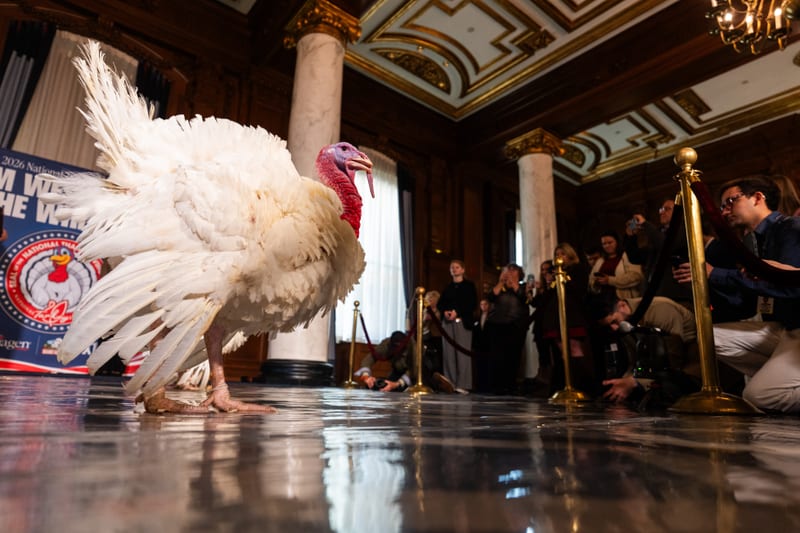
The controversy around the history of Thanksgiving has even been introduced into the school curriculum. Loudoun County Public Schools in Virginia advises teachers to show children between the ages of two and five a presentation that contains a section entitled “Day of Mourning."