Iran war, beef crisis and Trump’s tariffs: Why Thanksgiving is costing Americans more this year

WASHINGTON, DC: Thanksgiving food prices in the United States have risen sharply this year, with higher turkey costs and increases across several grocery staples driving up the estimated total cost of the holiday meal.
The American Farm Bureau Federation (AFBF) estimates that dinner for 10 will cost $58.63 this year, a sharp 6% increase from last year, while another analysis by Groundwork Collaborative and The Century Foundation puts the rise at 11%. The increase reflects a combination of factors, including rising energy and fertilizer costs linked to the Iran war, lingering pressure on poultry supplies, tariffs on imported materials and shortages in the US livestock industry.
How much more will Americans pay for Thanksgiving dinner this year?
The AFBF estimates that a traditional Thanksgiving dinner for 10 people will cost $58.63 this year, compared with $55.18 in 2025. The 6% increase is the first annual rise the organization has recorded since 2022, when the average cost reached a record $64.05.
Analysis by the Groundwork Collaborative and The Century Foundation estimates that Thanksgiving dinner will cost 11% more than it did last year. The difference between the two figures here is because the organizations use different food baskets, price sources and methodologies to calculate the cost of a holiday meal. The Farm Bureau uses a defined list of traditional Thanksgiving items and prices reported by volunteer shoppers, while the other analysis examines a different selection of products and compares their year-over-year price changes. The final estimates in both scenarios, however, reflect a sharp increase in what a Thanksgiving dinner costs now.
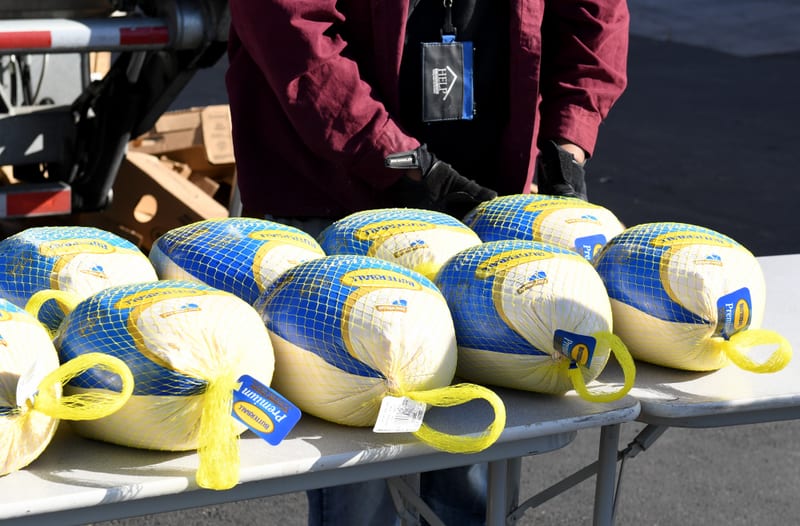
Turkey is one of the biggest contributors to this year's increase. The Farm Bureau estimates that a 16-pound frozen turkey costs an average of $23.68 this year, compared to just $21.30 last year, an increase of approximately 10%. USDA data also shows that the average market price of turkeys weighing between eight and 16 pounds rose from 135.8 cents per pound in 2025 to 175.5 cents per pound in 2026, a 29.2% increase.
However, several factors have contributed to higher turkey prices this year. Outbreaks of highly pathogenic avian influenza, or bird flu, in 2022, 2023 and 2024 affected turkey flocks and reduced supplies. Although the number of cases has declined, producers are still rebuilding their flocks after the national turkey population fell to its lowest level in four decades last year. The flock has recorded a modest recovery of around 3%, but supply remains affected by previous outbreaks.
The cost of raising turkeys has also increased. Their feed is primarily made from corn and soybeans, and farmers have faced higher expenses for producing both crops. USDA figures have put the projected 2026 operating cost of planting an acre of corn at $496.92, compared with $455.80 in 2025. For soybeans, the projected cost increased from $250.88 to $266.45 per acre.
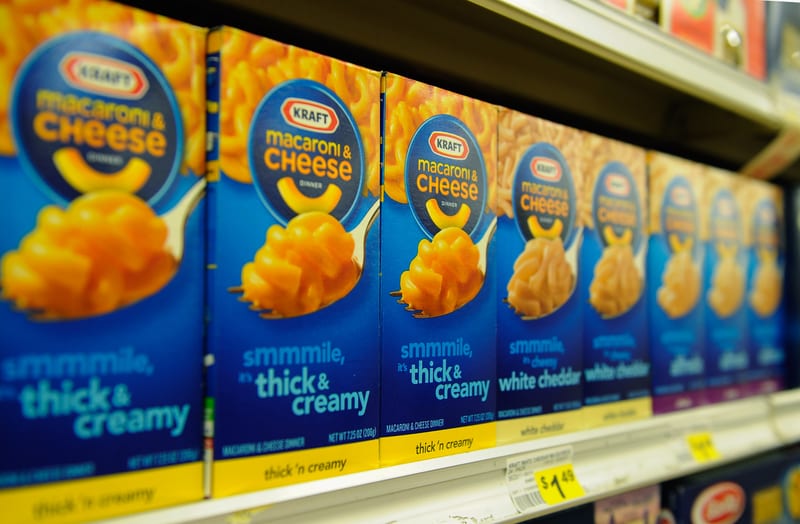
Other Thanksgiving staples have recorded increases. Collard greens are up 5.7% as they now cost $2.02, and a box of macaroni pasta rose 40.2%, with its price being $1.35 this year from just $0.96 last year. Cream of mushroom soup also increased 22.5%, pecans 23% and canned creamed corn 17.7%. Russet potatoes rose 6.8%, stuffing mix 8.5% and sliced carrots 15.9%.
How are Iran war and tariffs affecting Thanksgiving table?
One of the most significant pressures on food production this year has been the conflict involving Iran and disruption around the Strait of Hormuz. The waterway is a major international shipping route, through which around one-fifth of global oil production flowed before the conflict. It is also an important passage for fertilizer shipments, with a substantial share of global supplies moving through the region.
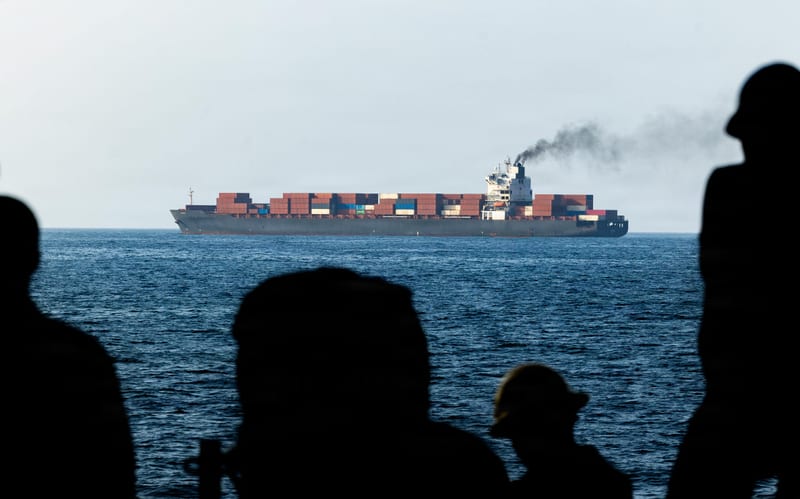
Disruptions to shipping have pushed up energy and fuel costs, with consequences extending beyond petrol prices. Diesel is used to operate farm machinery, transport agricultural products, power food-processing equipment and maintain refrigeration during storage and distribution. When diesel becomes more expensive, farmers and food companies face higher operating costs, which can then consequently be reflected in supermarket prices.
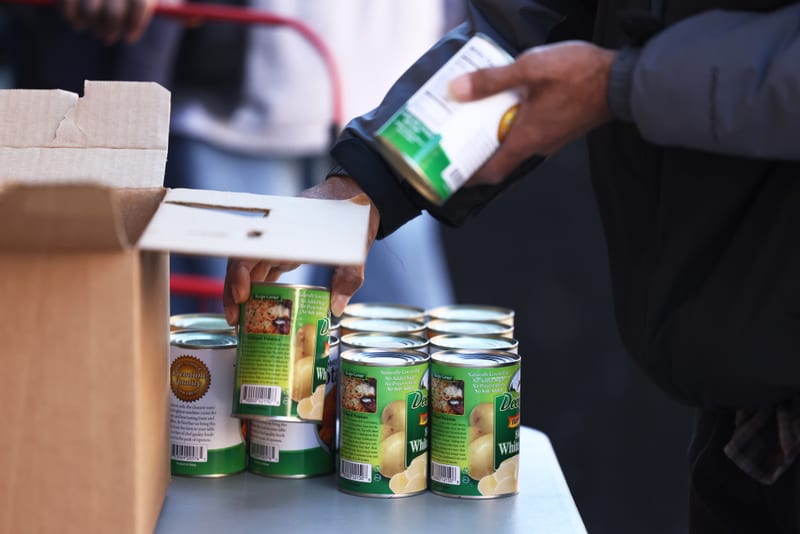
Higher fuel costs also contribute to increases, especially in dairy product prices, as the cost of refrigeration also increases. Turkey must be kept at controlled temperatures during processing, storage and transportation. Milk also requires continuous temperature management because of its short shelf life.
Tariffs are also adding to costs for imported food, agricultural inputs and packaging materials. Tariffs are taxes on imported goods, generally paid by US importers. Companies may absorb some of the expense, negotiate lower prices with suppliers or pass the additional costs on to consumers.
The effect also extends to products manufactured domestically using imported materials. Steel and aluminium are used in food packaging, including cans, while higher prices for these materials can increase production costs for canned vegetables and other goods.
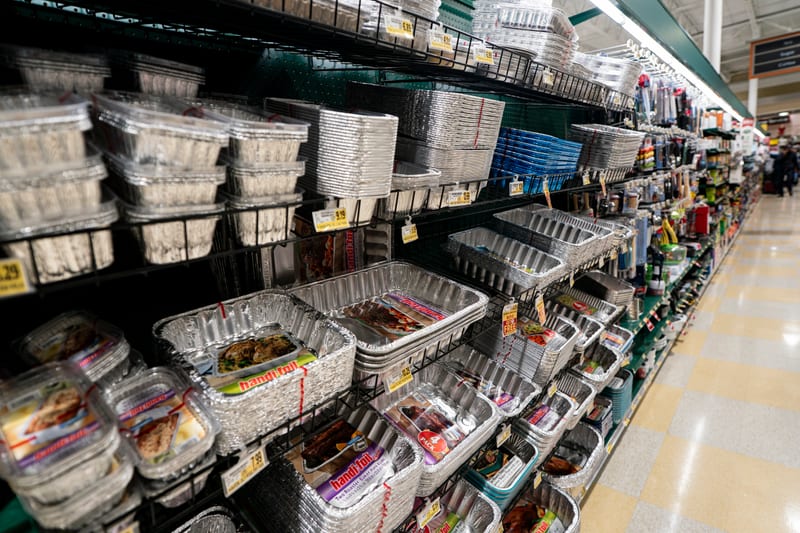
Aluminium foil, as a result, has also become more expensive, with Reynolds Wrap prices rising 22.3%.
Why is America’s beef supply facing a crisis?
Beef prices also face a separate supply problem. The US cattle herd has fallen to its lowest level in 75 years, with drought among the factors contributing to the decline. A smaller supply of cattle has reduced the number of animals available for processing, pushing up beef prices. Bureau of Labor Statistics figures show that beef prices have increased 51% since February 2020, while prices rose around 14% in the first half of 2026.
The shortage has also become a trade issue because of restrictions on cattle imports from Mexico following an outbreak of New World screwworm. The parasite can affect livestock, prompting restrictions intended to prevent its spread into the United States. Those restrictions have limited an additional source of cattle at a time when domestic supplies are already tight this year.
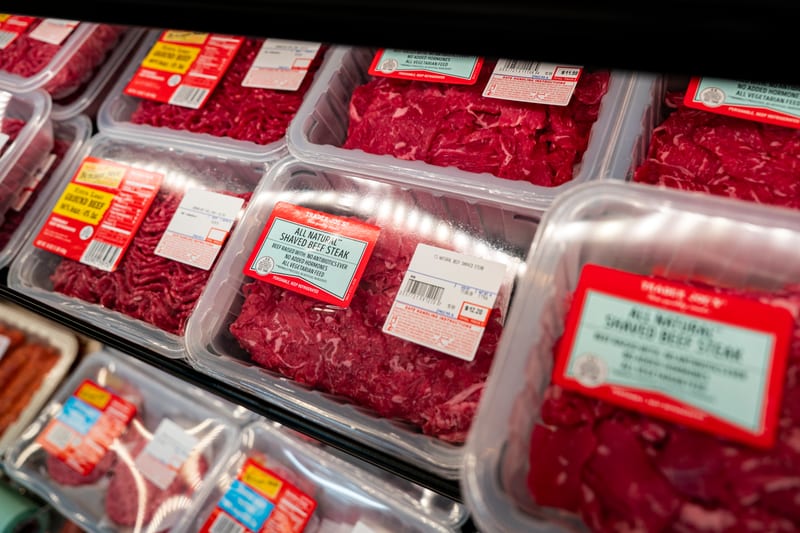
The Trump administration has sought to increase beef imports to improve supply and ease prices. However, importing beef has become controversial because of the tension between the need to supplement domestic supplies and concerns surrounding livestock disease and import restrictions. The issue also affects domestic cattle producers, who face a market with limited supply and high prices while the government considers how imports could help address shortages.
Higher beef prices have also limited the savings available to households considering alternatives to turkey. The Groundwork analysis found that spiral-cut ham prices increased by around 3%, while beef prices have continued to rise. Switching the main protein on the Thanksgiving menu may therefore not substantially reduce the overall cost for some families.
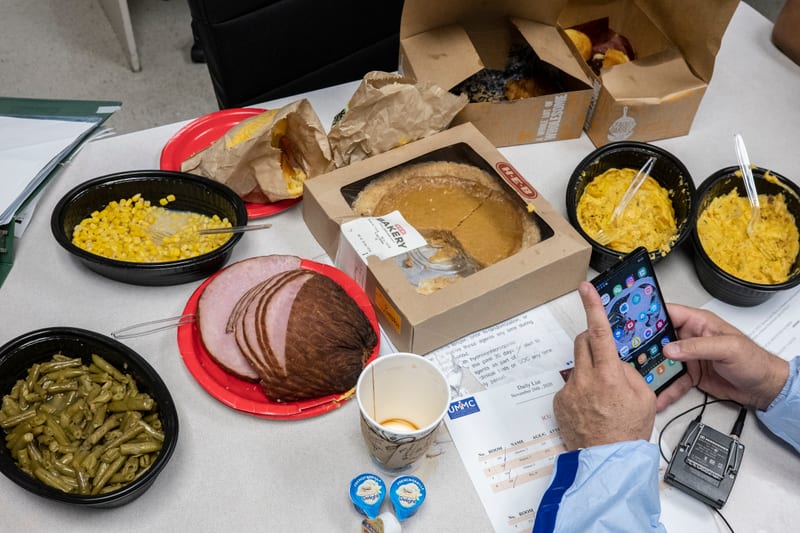
The higher prices are affecting household spending decisions ahead of the holiday. Some consumers are reportedly reducing the number of guests they plan to host or changing their menus to limit grocery expenses.