Thanksgiving and Christmas higher holiday costs force Americans to cut back
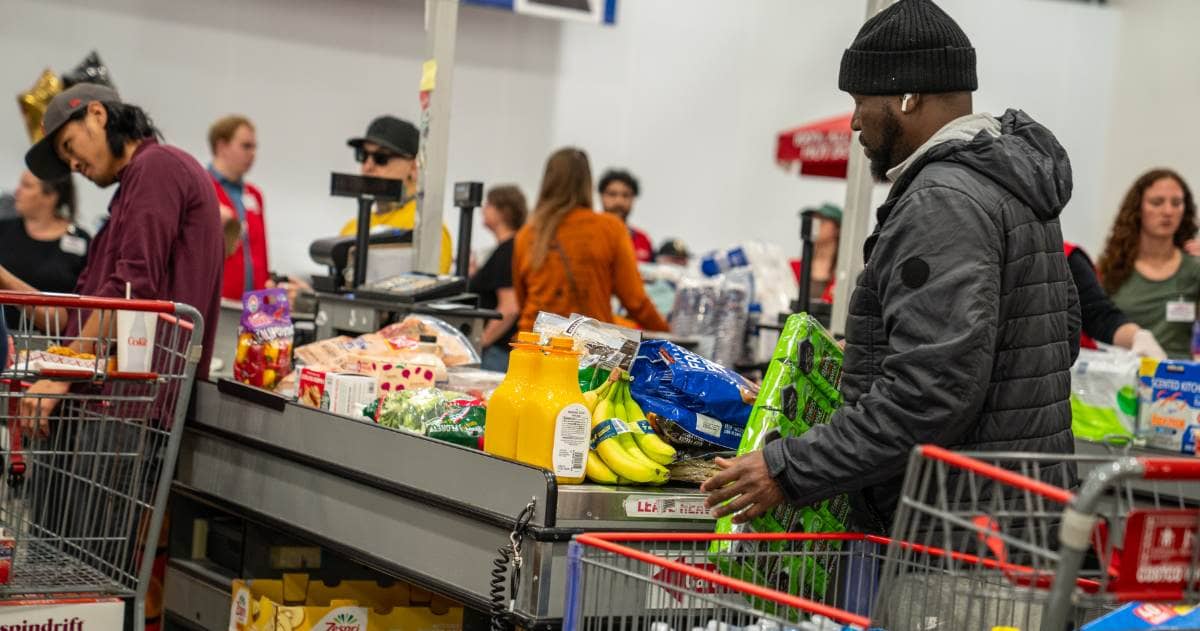
WASHINGTON, DC: Americans are reducing both their Thanksgiving celebration and spending on Christmas presents. Increasing costs for essentials such as food, fuel, and heating, plus general retail items, are impacting people’s spending, and many are adapting how they celebrate this year’s festive period.
Energy bills have been further affected by the Iran issue. Prices for food and play items continue to be high. Although stores are predicted to achieve record levels of sales over the festive period, economists believe that in most cases this will be down to increased prices. People are also using bank accounts and credit cards to help pay for their festivities.
Rising food and travel costs force families to change holiday plans
A 10-person Thanksgiving meal has increased in price by six percent to $58.63 in 2026, according to the annual survey by the American Farm Bureau Federation. Labor and shipping expenses were given as reasons for the price rise by Faith Parum, the association's deputy chief economist.
Stores such as Walmart and Aldi have put together cost-saving ‘Thanksgiving in a box' meals. Walmart's 10-person meal, which contains a turkey and items to make various typical Thanksgiving foods, is available for $35.
Some people are, however, adapting their celebrations further. Due to high petrol prices, Amanda Brecht, a 30-year-old from Michigan, has chosen not to travel to another part of the state to join extended family for Thanksgiving, as she told CNBC. Instead, she and her husband will enjoy the day with their three children. They will eat turkey breast and not a complete turkey and also forgo an antipasti course.
“Thanksgiving is definitely going to look different this year,” Brecht said. “Money doesn’t grow on trees. You can only do so much.”
Food costs have risen by around 24 percent over the last five years. Specifically, coffee and ground beef have both increased in price by over 40 percent. Food banks have also seen greater need for food provision, and some Salvation Army pantries have had to provide twice or even thrice as much food in October when compared to last year.

Holiday travel is another factor. For the first time since 2020, AAA predicts that fewer people will undertake travel of 50 miles or more for Thanksgiving this year. Furthermore, gas prices are still 18 percent above where they were last year. According to Hopper, the price of returning economy class flights within the US for around the Thanksgiving and Christmas periods has both risen by 31 percent and 23 percent, respectively.
Heating is also set to cost more. On average, households are predicted to pay 7 percent more on heating this winter, equivalent to around $66 extra, and overall heating costs are anticipated to surpass $1,000 according to the National Energy Assistance Directors Association.
Higher gift prices push shoppers toward smaller budgets
People are now also being more restrained in how much they spend on Christmas gifts, despite toys being up by over 9% on this time last year. This is the biggest price rise seen for toys since 2019. Increases in shipping and the cost of plastic and microchips, which go into games and electronic gadgets, have all played a part in this.
Whilst retail sales are still expected to rise by close to 5% over the festive period, for the first time this will top the $1 trillion mark, Bain & Company says. But this is largely due to inflation and not increased volumes of goods, the company noted.

Just 16% of people said they intend to spend more this festive period than last year, according to a Morning Consult poll. In addition, a survey by TSG and the Electronic Transactions Association revealed that 5% of Americans do not intend to make any gift purchases in 2026.