Inside the turbulent weather history behind Macy's 100th Thanksgiving Day Parade
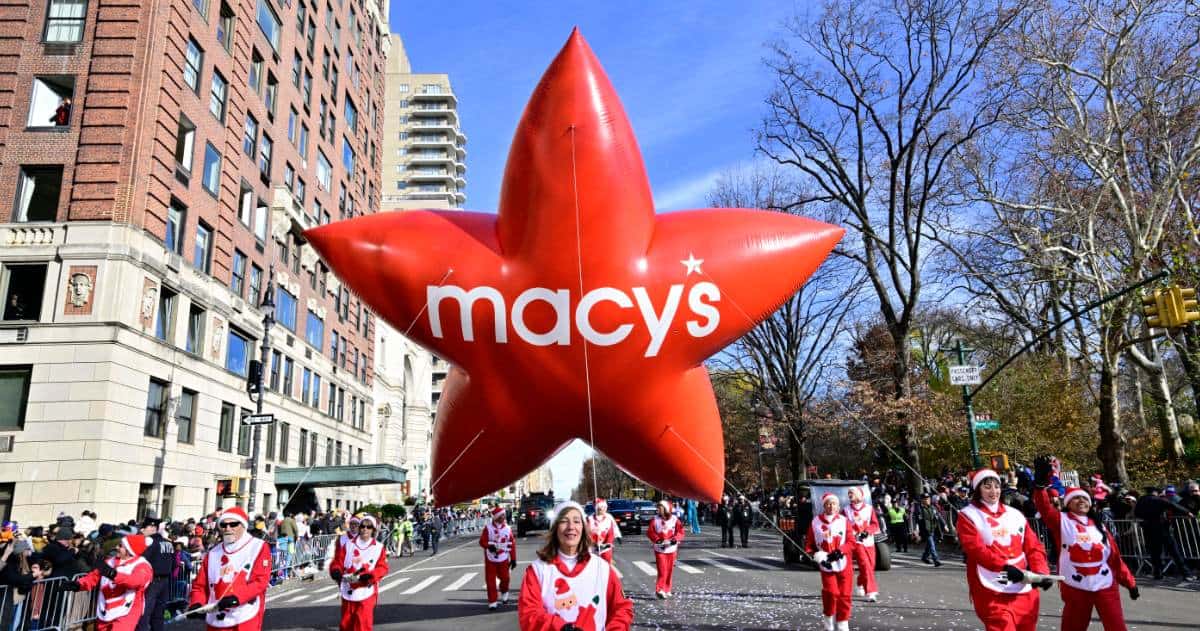
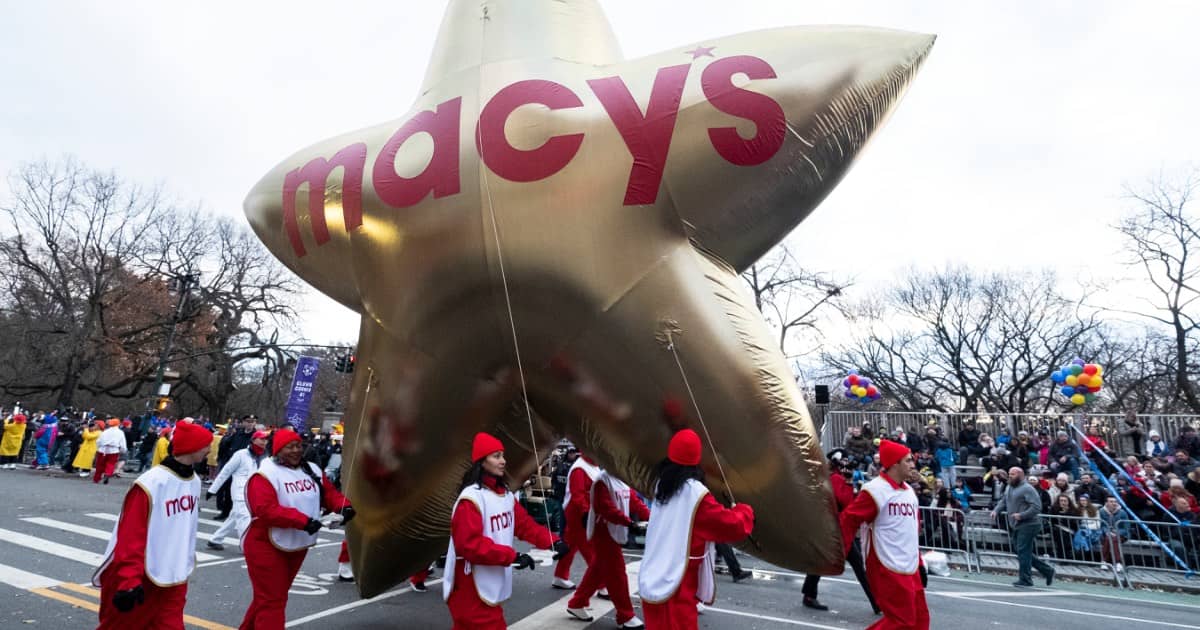
NEW YORK CITY, NY: Macy's Thanksgiving Day Parade has faced everything from unusually warm temperatures and heavy snowfall to torrential rain and dangerous winds throughout its history. As New York City prepares to celebrate the parade's 100th running, its weather history offers a glimpse into how changing conditions have affected the annual spectacle and those who take part in it.
Although the parade has never been canceled because of the weather, extreme conditions have occasionally forced organizers to make significant changes. On one occasion, all the giant balloons remained grounded, while other years brought record-breaking temperatures, heavy snow and powerful winds that tested parade safety measures.
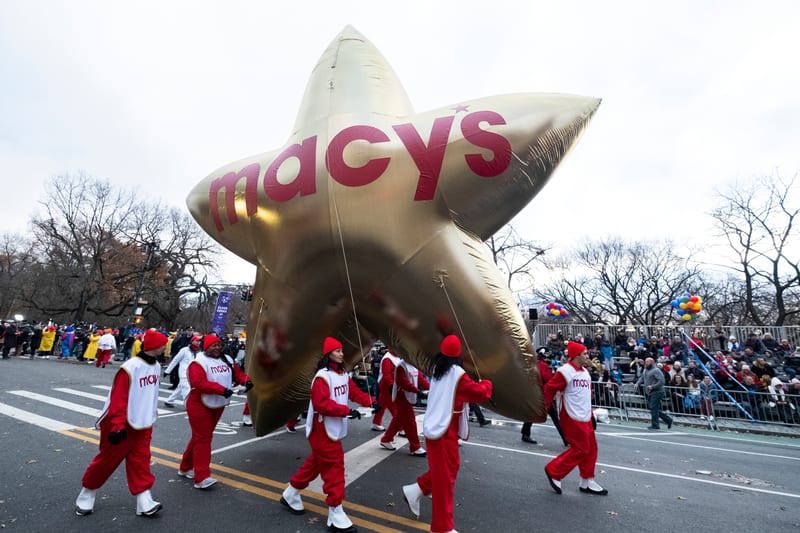
From record-breaking heat to heavy snow and rain
During the parade's early decades, several unusual weather events left their mark on the annual celebration. In 1933, Central Park recorded a temperature of 69 degrees, making it the hottest parade on record. Spectators attended wearing light jackets and even short sleeves as New York City experienced unusually warm Thanksgiving weather.
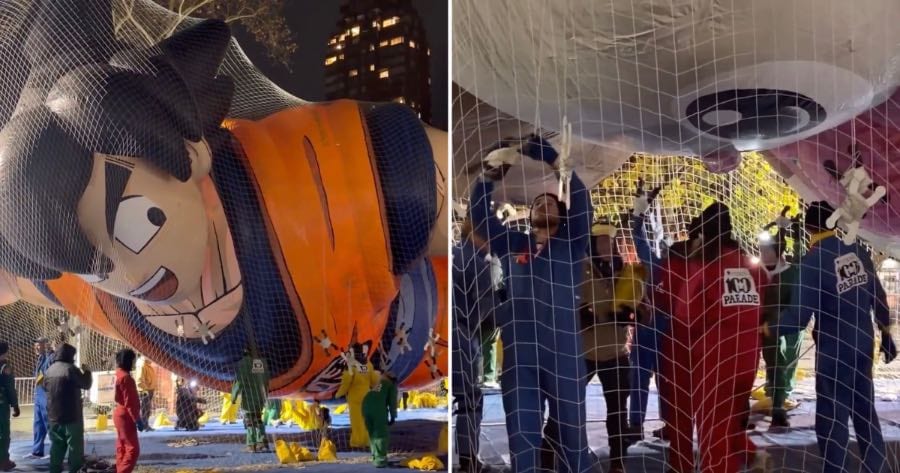
Five years later, Manhattan experienced a dramatic change in conditions. On Thanksgiving morning in 1938, a storm dumped 3.9 inches of snow on the city, covering the parade balloons. This became the heaviest snowfall recorded for the event in more than 50 years.
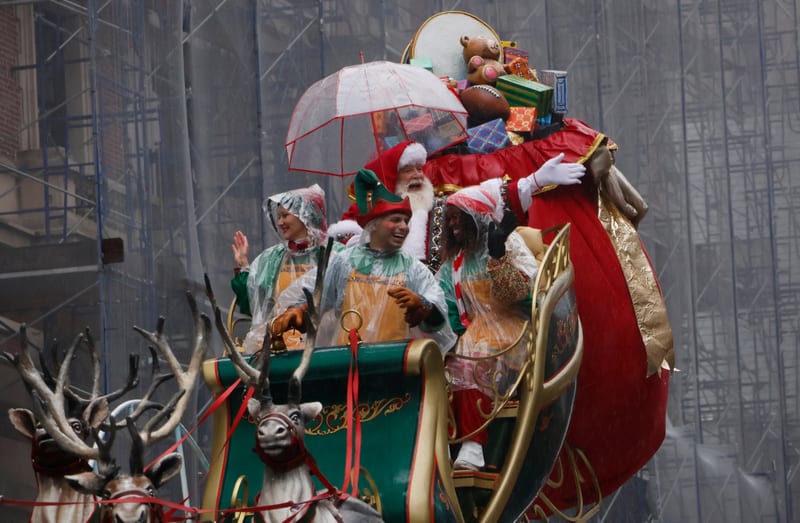
In 1971, heavy rain and gusty winds forced organizers to keep all the large balloons deflated. Although it was the first and only occasion when none of the giant balloons were inflated, floats and marching bands continued to participate in the parade.
Snow returned in 1989, when 4.4 inches had accumulated in Central Park by midday. This made it the snowiest parade on record and marked the first measurable Thanksgiving Day snowfall in New York City in 51 years. Local high school cheerleaders and dancers even volunteered to help lead the snow-covered balloons along the parade route.
Rain also affected the event in 2006. A coastal storm brought 1.72 inches of rainfall to Central Park, making it the rainiest parade on record. However, the wet conditions did not stop marching bands and entertainers from participating.
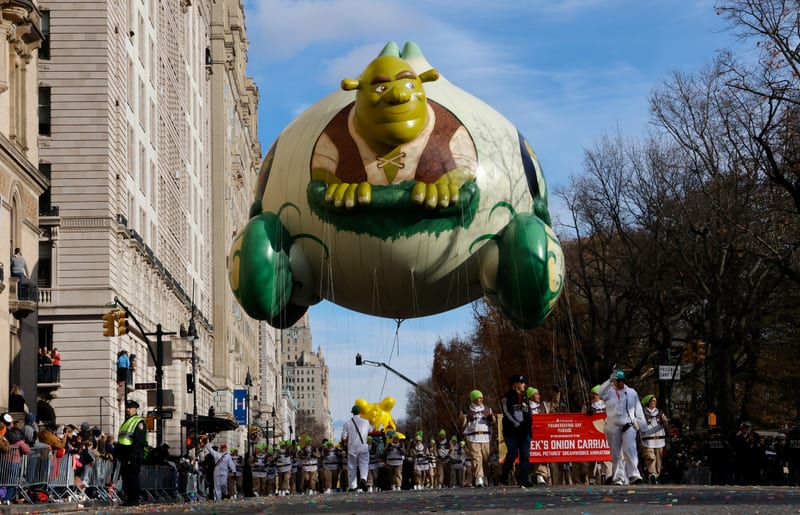
The coldest parade on record took place in 2018, when temperatures dropped to 17 degrees. Winds of 15 to 20 mph pushed the wind chill down to 5 degrees. Despite the freezing conditions, organizers were still able to release the balloons.
How dangerous winds changed Macy's Thanksgiving Day Parade safety rules
One of the most significant weather-related incidents in the parade's history occurred in 1997, when wind gusts reached 43 mph. The strong winds caused the Cat in the Hat balloon to strike a lamppost. Police officers also had to physically subdue and release the Barney and Pink Panther balloons.
The incident prompted New York City to introduce additional safety procedures for giant parade balloons. These included maximum balloon size restrictions, mobile ballast cars, revolving lampposts and handheld anemometers for police personnel.
Under the safety guidelines, balloons must be secured when average wind speeds exceed 23 mph or gusts rise above 34 mph.
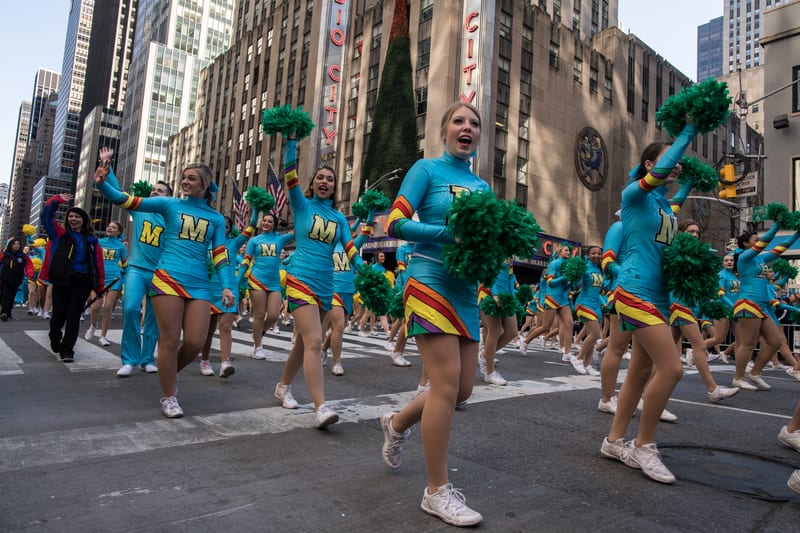
The new procedures were tested again in 2019. Although wind gusts reached 33 mph, just below the safety threshold, balloons were successfully flown at reduced altitudes along Sixth Avenue. Organizers used area-by-area wind monitoring and mobile ballast cars to manage the conditions. No incidents occurred.
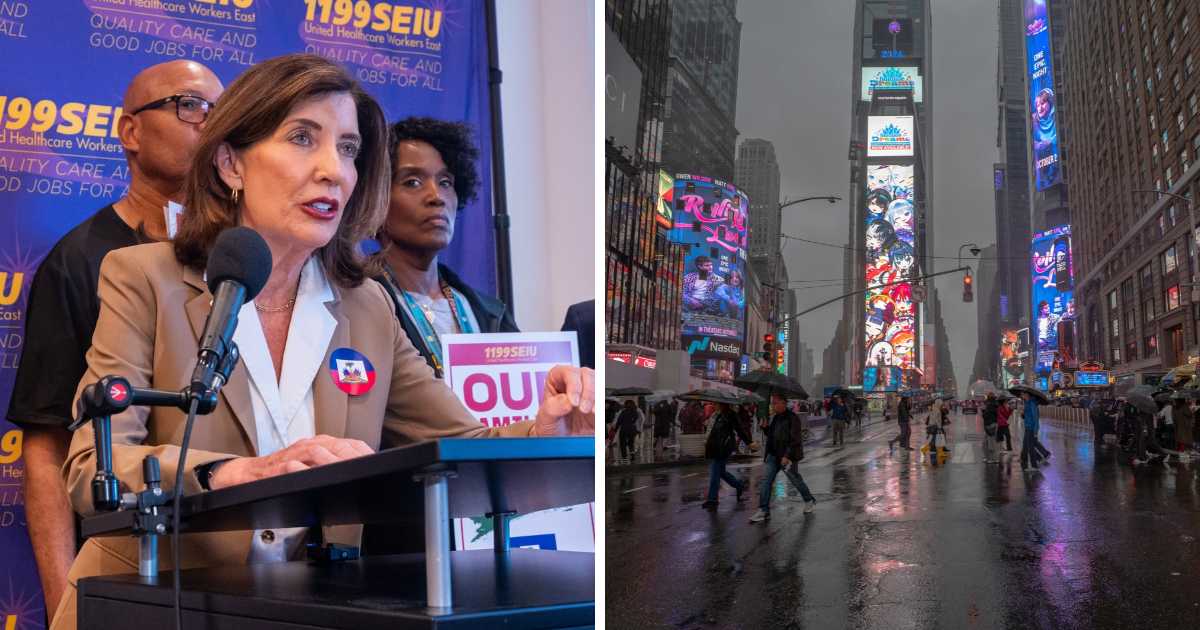
The 2024 parade also experienced rainy conditions, with temperatures in the 40s and a gentle breeze. However, the balloons were still able to float along the route.
As Macy's prepares for its 100th Thanksgiving Day Parade, the latest forecast points to another chilly and damp morning in New York City. A century of celebrations has shown that weather remains an unpredictable part of the event, but improved monitoring and safety procedures have helped organizers manage challenging conditions.