Braun backs Trump's trade push to crush 'trillion dollar' deficits: 'Cannot become a debtor nation'
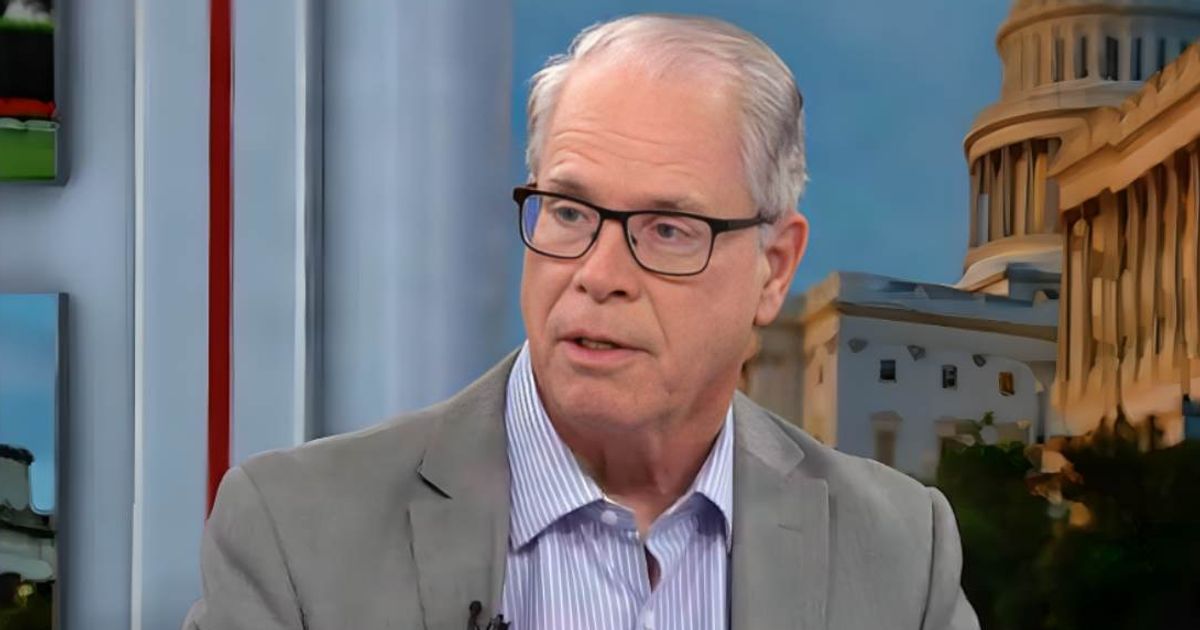
WASHINGTON, DC: Indiana Republican Governor Mike Braun emerged as a vocal defender of President Trump’s economic strategy on Sunday, February 22, even as the Supreme Court issued a 6-3 ruling striking down the administration's specific use of 1977 emergency powers to impose tariffs.
Appearing on 'Face the Nation', Braun argued that while the court addressed a "constitutional issue," the underlying economic rationale for tariffs remained essential to rectifying an imbalanced global marketplace.
Braun, representing a state that led the nation in per capita manufacturing alongside Wisconsin, asserted that tariffs are a vital tool for reversing the "hollowing out" of industrial centers like Gary, Indiana.
He noted that significant investment has already begun "whooshing" back into the country as a result of these policies, which he believes must continue through alternative trade negotiations or statutes.
Indiana Governor Mike Braun says President Trump’s tariffs helped revive manufacturing in the state:
— RNC Research (@RNCResearch) February 22, 2026
“The amount of investment that’s coming back to this country… you can do that through tariffs.” pic.twitter.com/BOnZ4QkK52
Rectifying the 'trillion-dollar' trade deficit
Governor Braun framed the current trade standoff as a necessary correction for forty to fifty years of imbalanced global economics.
He pointed to the "trillion dollar" annual trade deficit and a "$2 trillion" fiscal deficit as unsustainable trends that transformed the United States into a "debtor nation."
According to Braun, this imbalance stemmed from post-Marshall Plan policies that were never properly adjusted for modern reciprocity.
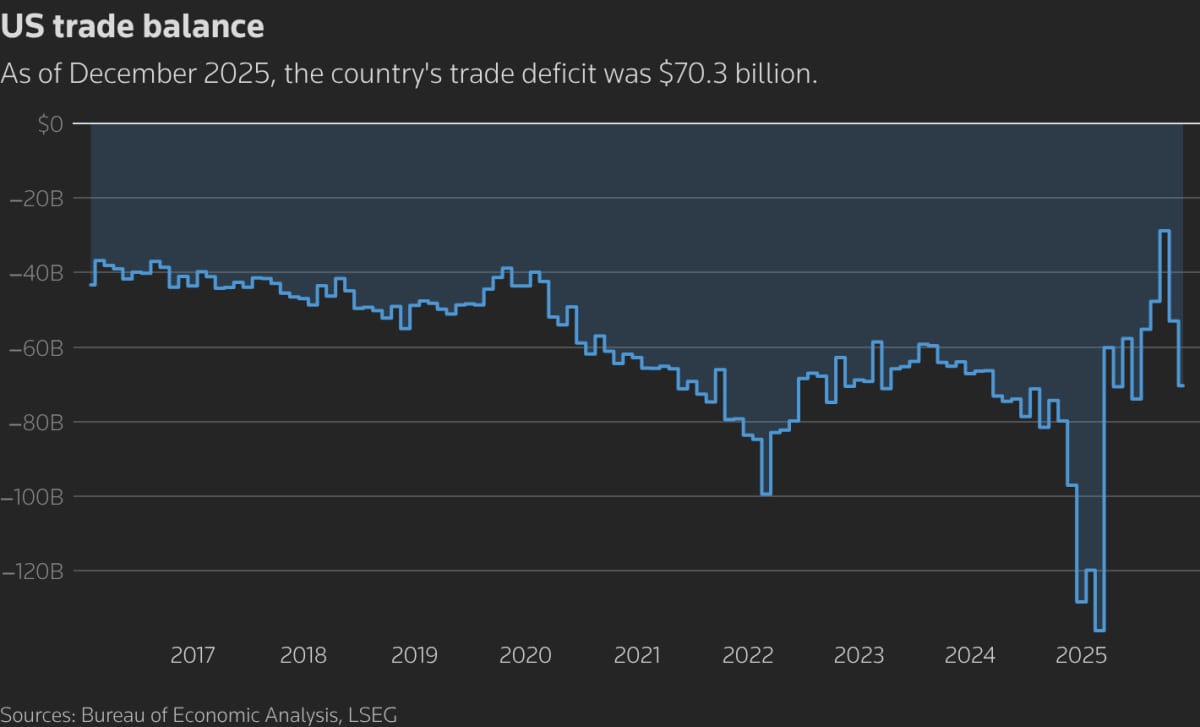
"You cannot become a debtor nation because you're nursing a chronic trade deficit and fiscal deficit," Braun warned, emphasizing that the president’s approach was an attempt to return the US to an "even playing field" through reciprocity.
He suggested that many countries that had already negotiated deals under the pressure of tariffs were likely to "stay put" rather than renege following the court's decision.
Restoring investment to industrial centers
As governor of one of the country's most significant manufacturing hubs, Braun highlighted the localized benefits of a protectionist trade stance.
He cited the decline of Gary, Indiana- once the state's second-largest city - as a prime example of what happens when steel production and manufacturing move overseas.

Braun argued that tariffs acted as a "plus" for these hollowed-out industries by incentivizing domestic production.
He dismissed the idea that the technological shift toward automation and robots would necessarily eliminate the need for these policies.
Drawing on his 37-year background in business distribution and logistics, Braun argued that technology creates jobs in new ways.
He described the integration of AI as a potential "blessing" that increases productivity and lowers prices in the long run without making human-led manufacturing obsolete.
Navigating the political and constitutional fallout
Addressing the environment of political rhetoric, Braun confirmed that he and several state senators in Indiana were targets of "swatting" and bomb threats after the president publicly faulted them for failing to secure a redistricting map.
Braun clarified that the president "didn't understand" Indiana law regarding his limited authority to call a special session, but he noted that such political consequences were now a standard part of the governing landscape.
Despite these internal frictions, Braun remained aligned with the administration's broader goals on border security and trade.
He attributed the current need for aggressive enforcement to "bad policies calculated" by the prior administration, which he claimed encouraged millions to enter the country and exacerbated trade instability.
Braun maintained that ICE enforcement needs to be done with "humanity," but insisted that the source of the chaos was the "chaotic approach" of the past.
Governors as bipartisan problem solvers
Braun concluded that despite the rare nature of bipartisan conversations in Washington, governors remained uniquely positioned as "problem solvers."
He emphasized his background in finance and macroeconomics as the lens through which he viewed the country's "bad business plan."
Braun argued that the focus needs to remain on the root causes of the nation's fiscal and trade accounts to ensure that Indiana and the rest of the country do not remain on a path toward becoming a permanent debtor nation.
Working alongside governors from both parties, Braun signaled a willingness to explore new avenues for economic coordination, including a proposal for governors to have more direct involvement in issuing work permits to meet specific workforce needs.
He suggested that such a coordinated effort would help bring in a necessary workforce legally while maintaining the security and economic protections that he believes are the cornerstone of the current administration’s "tough negotiator" persona.