Bessent: US expects steady tariff revenue as Trump reissues levies
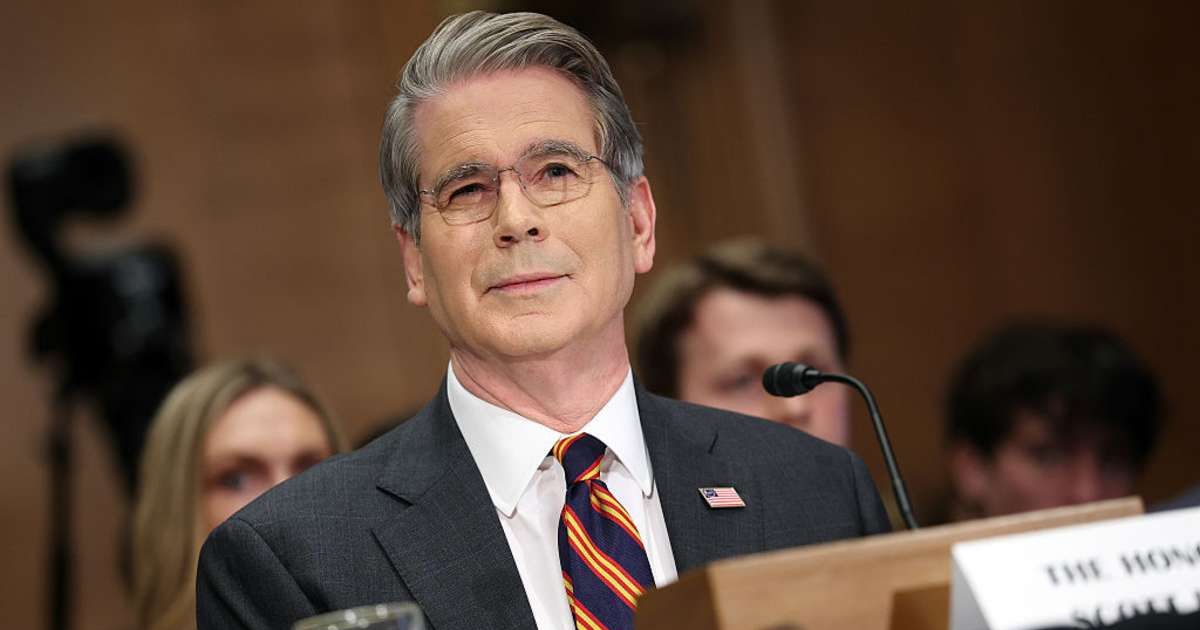
WASHINGTON, DC: Treasury Secretary Scott Bessent said that the government is not projecting any change in the tariff revenue it expects to collect this year, even as Trump moves to reissue tariffs that were recently struck down by the Supreme Court of the United States under different legal authority.
Bessent on Sunday, February 22, said the court’s decision was narrowly focused on tariffs imposed under the International Economic Emergency Powers Act and does not prevent the administration from pursuing its broader trade agenda.
“The president, the administration remain undeterred in reshoring American factories and getting rid of these massive trade imbalances,” Bessent said on CNN’s "State of the Union”.
.@SecScottBessent: "The IEEPA tariffs are going to be replaced in 3 days with the Section 122, and I can tell you, at Treasury... tariff revenue will be unchanged this year, and will be unchanged in the future." pic.twitter.com/wPweHDLoIK
— Rapid Response 47 (@RapidResponse47) February 22, 2026
Bessent says refunds left to lower courts
Bessent declined to speculate on whether companies could receive refunds for tariffs invalidated by the Supreme Court, saying the matter has been sent back to lower courts.
“The Supreme Court remanded [refunds] down to a lower court, and we will follow what they say,” he told CNN anchor Dana Bash. “That could be weeks or months when we hear them,” he added.
While the court ruled that Trump exceeded his authority under IEEPA, it did not outline how any refunds should be handled. The administration has previously acknowledged that returning tariff revenue is a possibility.
.@SecScottBessent on tariffs: "The President, the Administration, remains undeterred in reshoring American factories and getting rid of these massive trade imbalances... The revenue for the U.S. Treasury for 2026 — the projections — are unchanged." pic.twitter.com/X6is0TSbjh
— Rapid Response 47 (@RapidResponse47) February 22, 2026
Bessent says some tariffs remain in force
The ruling left several of Trump’s existing tariffs intact, including steel and aluminum duties imposed after Section 232 investigations, which assess the national security impact of imports.
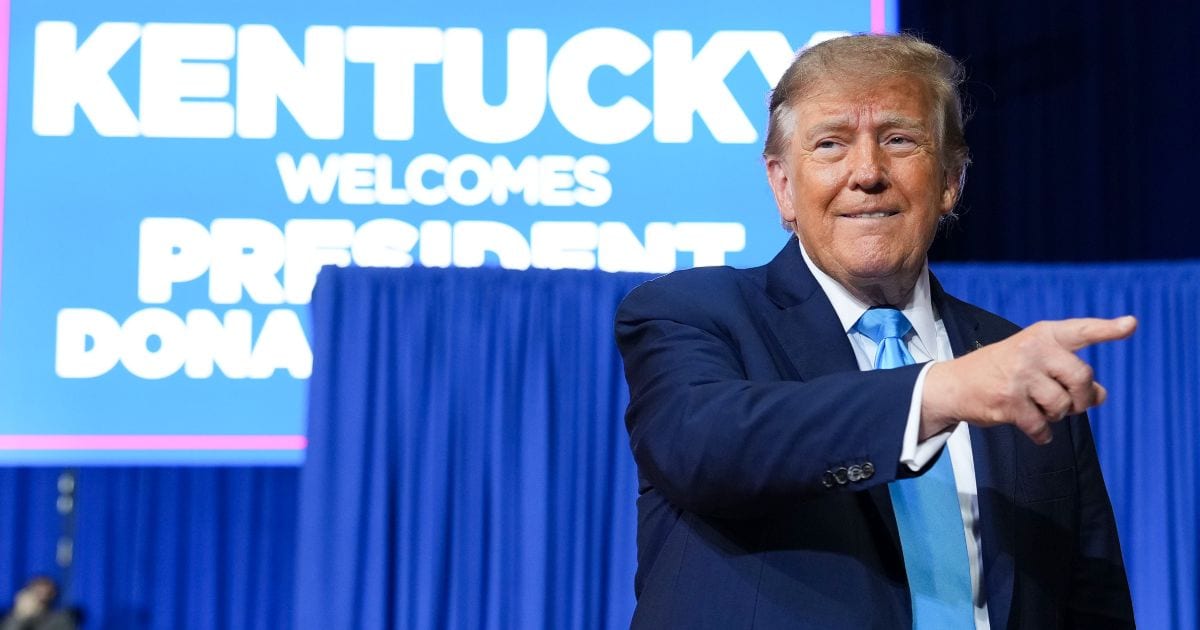
Trump said Saturday that he plans to impose the maximum 15% tariff allowed under Section 122 of the Trade Act, a temporary measure that can remain in effect for up to 150 days before requiring congressional approval.
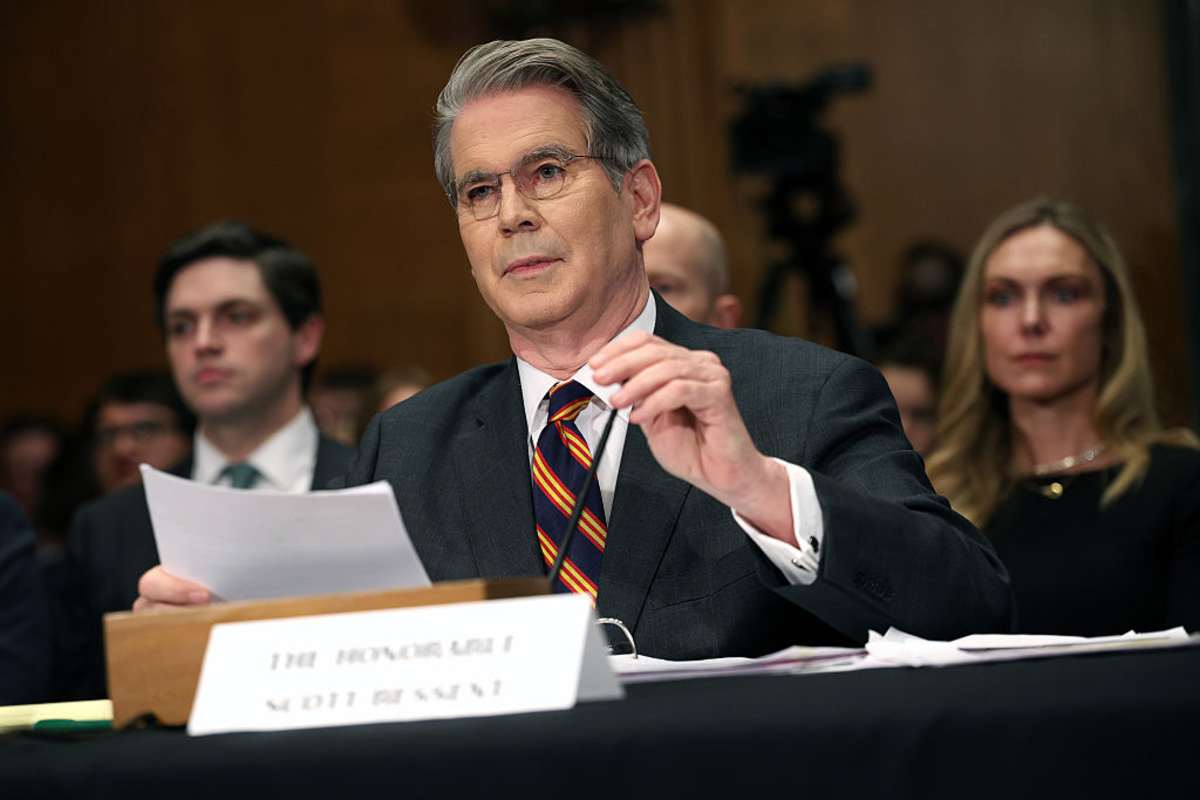
Bessent said the administration also plans to launch new Section 232 investigations and that the Office of the United States Trade Representative will continue using Section 301 to probe what it views as unfair trade practices by foreign countries.
“Those tariffs remain in effect and have withstood more than 4,000 challenges since the president’s first term,” Bessent said. He added that ongoing studies could result in higher Section 232 and Section 301 tariffs, ultimately restoring overall tariff levels.
Bessent said the administration remains in contact with US trading partners, noting that many countries “want to keep the trade deals that have been set,” even as the White House reshapes its tariff strategy following the court’s ruling.
Further, Bessent said, "There may not be a need for Congress to vote on tariffs because the administration is using the five-month bridge to conduct investigations needed to impose the tariffs under longer-lasting authority. The revenue for the US Treasury for 2026, the projections, are unchanged.”